
Zoë Pulley is a multidisciplinary designer known for exploring the rich visual legacy of her family through everyday items, using her recent residency at Studio Museum in Harlem as a backdrop for her creative work.
Zo Pulley
Artefacts, memoires, ephemera and stuff: Using creativity to “spotlight the ordinary”
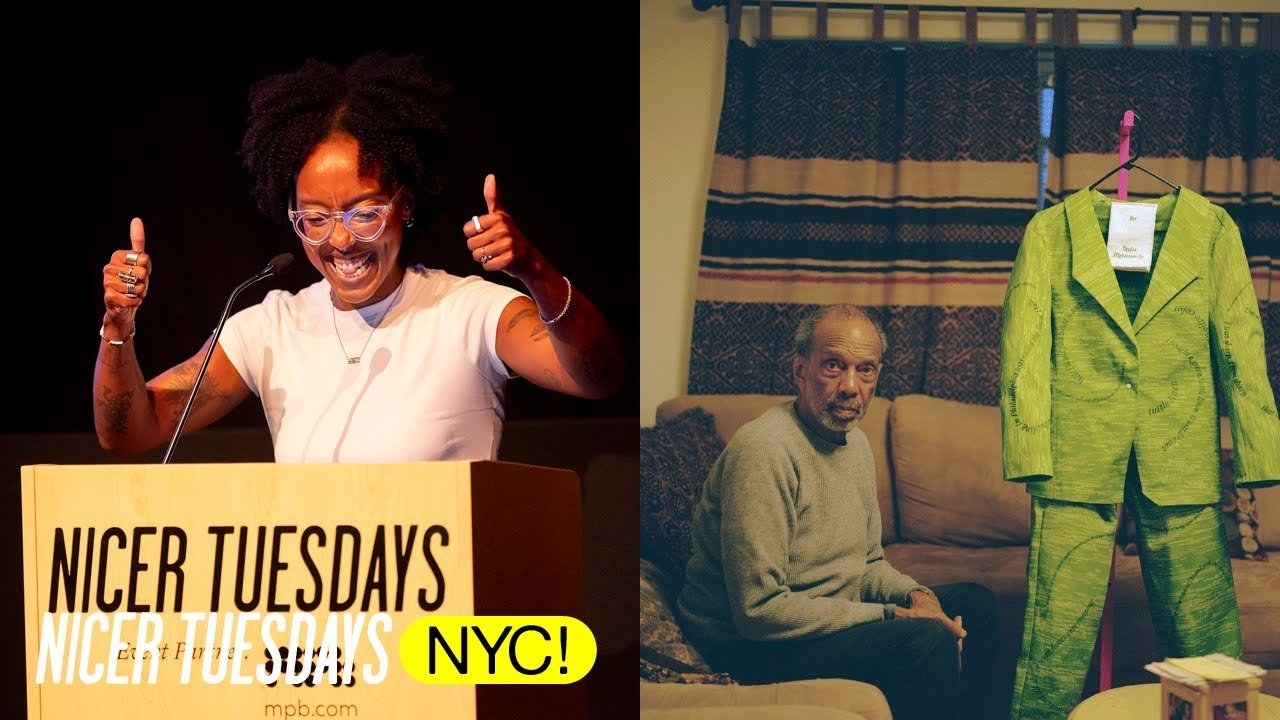
“Sometimes the most extraordinary stories are hidden in the ordinary details of our lives.”
Transcriptmay contain minor errors or formatting inconsistencies
hi what's good I'm nervous okay um all right oh hi my name is Zoe pulley and I'm a designer/ busyy byy busy body that likes to make stuff stuff being the artifacts memories ephemera and seemingly little nonsensical things that gradually Gather in junk drawers attic chests closets and crawl spaces archival to some artifacts to others but these terms adhere to some sort of Western value system terms used to validate histories within an Institutional hierarchy instead I like to use stuff a term intended to Spotlight the ordinary one that defines the extraordinary found within the seemingly ordinary things of everyday
life I have always returned to the stuff as a starting off point Point of Departure and place for inquiry it is the place where not only are histories stories and things that are often overlooked surfaced but these various artifacts memories and ephemera also seem to be a bridge in which new artifacts memories and ephemera can be made over the last few years I have utilized this methodology of making as a means to learn more about the people I come from whether it be starting a dialogue between two of kin over a memory of clothing item that was once in their closet or from a photograph of a relative I've only met through the words of her daughter or possibly an item that has been passed down from one generation to
the next my primary motivation within my practice is to locate the spaces in which my family's histories were made and continue to exist over the last 10 months I have continued these familial Explorations while in residency at the historic Studio Museum in Harlem the museum was founded as a space in which black life happened a place in which the quinan barred out and composed parts of oneself could simply just be since 1968 the studio museum has earned recognition for its cataly catalytic role and and ADV words and advancing the work of visual artists of African and AFR latinx descent through its artist and residence program during my time in this residency
I have questioned what is the significance of the everyday spaces black folks inhabit it and more poignantly Within These enclosures what can the seemingly non-historical parts of one's life tell us about the world around us which brought me to the kitchen more specifically the kitchen as a site of encounter a space in which tales of the day are shared conversations are had over meals and life is lived candidly kitchenette building by gwendaline Brooks we are things of dry hours and the involuntary plan grayed in and gray dream makes a giddy sound not strong like rent feeding a wife satisfying a man but could a dream send up through onion fumes its white and violet fight
with fried potatoes and yesterday's garbage ripening in the hall flutter or sing an area down these rooms even if we are willing to let it in had time to warm it keep it very clean anticipate a message let it begin we wonder but not well not for a minute since number five is out of the bathroom now we think of lukewarm water hope to get in it while reading Brooks I think of the significance of the spaces we call home the ways in which the materials Within These enclosures can serve as a breach towards the stories and I think of these surfaces as vessels which encounter hold and resist them I have been thinking about material surfaces encountered within the homes of my family things like black and white
lenium floors my grandmother says she loves black and white checkered floors lenium covering the ground of both her childhood home and current residence in Philadelphia my mother is indifferent the material to her being one that speaks to a time in which it was distasteful to be associated with such I think of the ways in which the spaces of black and white checkered floors are the spaces in which these nonhis are composed at a kitchen table Seated on a living room couch or on our blocks of residence the recognition of black being as maker of History within set enclosures is an Earnest mode towards redress a practice in which I aim to surface the internal seemingly
non-historical parts of oneself while contemplating the myth of the American dream and the everyday negotiations practices and requirements recollected within the larger enclosure of the American landscape I think of the ways in which this floor has been an omnipresent of Observer to my mother and grandmother's lives the ways in which this black and white flooring has appeared and reappeared again and again I think of the dreams had and Dreams Deferred while situated upon it Reflections had and days recounted all these wors words absorbed into the surface I think of how this flooring can be an entry point to these dreams and wants Reflections and days a means to memorialize the spectacularly ordinary
stories that have the ability to tell us more about the people places and things around us I was talking about time it's so hard for me to believe in it some things go pass on some things just stay I used to think it was my rememory you know some things you forget other things you never do but it's it's not places places are still there if a house burns down it's gone but the place the picture of it stays and not just in my rememory but out there in the world in Tony Morrison's Beloved the protagonist SE describes what she calls rememory an affect that functions differently than memory and it is a condition in which things one may had forgotten is suddenly accessed rememory to me is a refusal a
refusal to the perpetuation of deeply ingrained institutionalized and bodily embedded ideas that not all parts of black life lived are worth memorializing and through this lens I earnestly attempt to use surfaces as a means towards rememory redress and preservation by way of steadfast collection many test and collaborations with those I love these past 10 months within the residency I have chatted with my dad and his sisters about clothing items from their childhood learned of stories around my family's move from Washington DC to PG County Maryland in 1971 and asked my mother and grandmother one more time for their SE their feelings on black and white checkered floors I have experimented with new
materials played with tools that I love and continually return to the words of Brooks and my family as a Guiding Light towards the making of this stuff in a few weeks on September 26th this new body of work will go out into the world as part of the studio Museum's artist and residence show titled pass carry hold opening at MoMA PS1 to quote the show text the exhibition engages in methodologies of endurance and wonder to explore themes related to ancestral and intuitive knowledge through this work Sonia Louise Davis Malcolm peacock and Zoe pulley activate what it means to pass through carry forward and hold on to as the three of us prepare for the
final stretch within this season I have been sitting with this sentiment and what it means to me now within my practice over the last few years I've had the immense privilege to have the space time and support to explore past knowledges pass down traditions and the passing exercise and Trust I continue to find deeper value and honor and being a carrier of these past things and I seek to learn from the carriers who came before me and more than anything I will always be grateful for these experience being made alongside these carriers and makers of of History none of this would be possible without the support of those I hold close and this is a gift that I will always hold on
to thank you [Applause]
Latest Talks
-
Murugiah
Why you should reject the formula and make art about things you love
Watch -
Amber Weaver
How does contemporary type design translate into the wider world?
Watch -
Delali Ayivi
How does photography give us the right to imagine our futures?
Watch -
Will Anderson and Ainslie Henderson
Bringing stop motion sorcery to BBC’s Small Prophets
Watch -
Ollie Babajide Tikare
The importance of not flattening the complexity of observation
Watch -
Marina Willer
Design thrives when you find poetry in the simple things
Watch