
Quil Lemons is a photographer known for connecting deeply with his subjects and creating a loving space for Black queer boys, while also fostering new voices in photography.
Quil Lemons
How to connect with your subjects and put megastars at ease
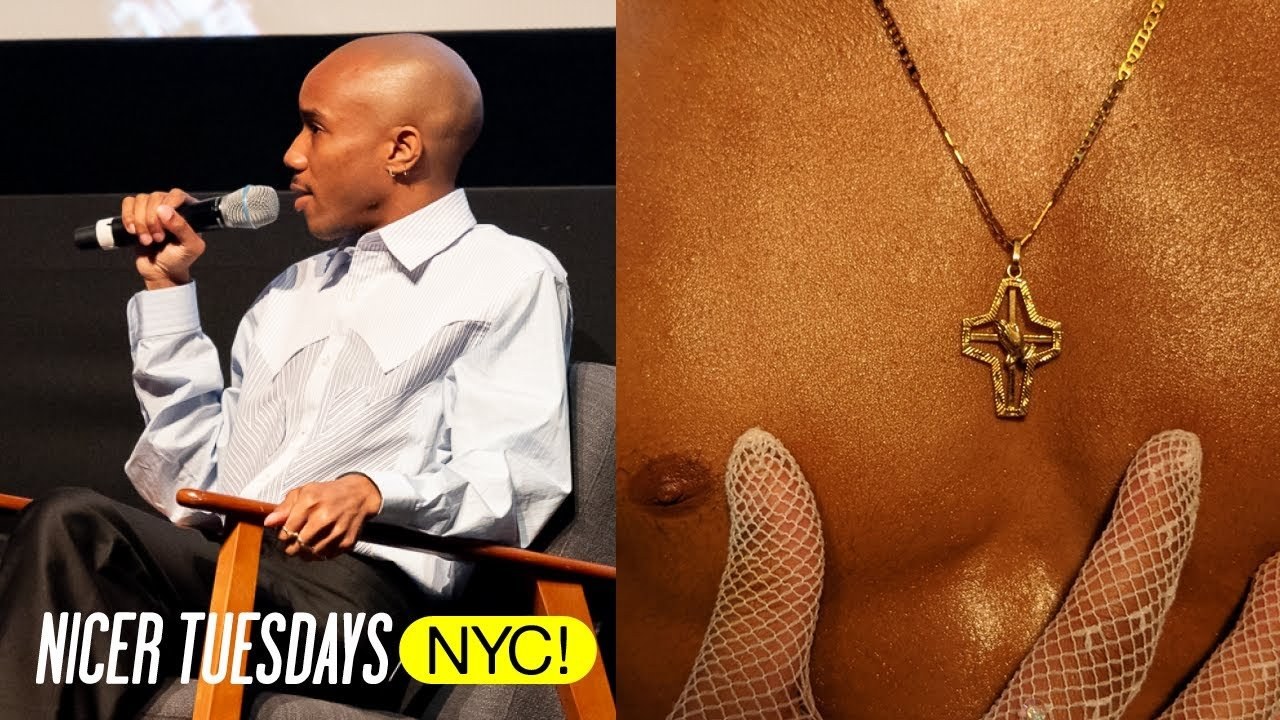
“Everyone I shoot ends up becoming part of my family.”
Transcriptmay contain minor errors or formatting inconsistencies
[Applause]
we were told not to sit too aggressively in these chairs so we'll see what happens hello so excited to have you here really glad to hear more about your work I'm a longtime fan so I think this will be really fun thank you and thank you guys for all coming here yeah.
So earlier when we were chatting in the green room I said I wanted to ask you you got started with photography and you said you've always been interested in photography but that kind of made me wonder why do you think photography has sort of sustained you as a creative practice for so long photography has just been my way of like proving I exist and I kind of wanted it to be a diary when I was younger for people to like look at my life and be like oh who is this guy like he lived here like kind of like anv and Meer way we like we find these photos and it's like he dated this person this person or like I don't know like I just kind of wanted people to look back at my life and was like he lives it yeah and Liv a full one especially because you do a lot of self-portraiture that makes sense the sort of diaristic angle I think in a way self-portrait have been a journey and I was a little shy at first with a self-portrait but now I feel like I can kind of own it yes yeah and I know a lot of your work also features people sort of in your own Community you know your friends your family I imagine that is that part of sort of that earlier experience with photography as well yeah I with shooting my family I was they were the first people that like I met like Mom Dad grandom like family friends and I was like they were the most interesting people in my life.
So I was like why not shoot them. And I mean things got a little aspirational when it was like I want to shoot some people like Naomi and crazy that that happened yeah twice and did she remember you yes she's a Gemini and we kind of connected on that basis and it was she's like so Larger than Life. But also like when you get to know her is so sweet and I kind of feel like everyone that I shoot ends up becoming a part of my family that's very lovely I was going to ask you you know like you've obviously photographed so many mega stars including I I was laughing at looking at your Instagram before this I was like oo Madam web recently photo Johnson is equally as funny like in the memes that you see of her in real life. That's she has in real life yeah.
I was shooting her. And I was like you know. I was like telling her I was like yo my favorite thing to do is like shooting actors cuz like they really perform and like really emote in the face and like sometimes with models they don't really have like the ability dancers yeah well like dancers are really in control of their body but like with actors in particular they like really know how to like embody a character in a really special way and she was like oh it's just like I'm acting like and I was just like oh you really are exactly the same person very like dry humor but my favorite type of white woman do you have any other people who you feel like you're really connected with when you photographing them I feel like everyone is very special and and they're all so different but like I feel like I'm really good at playing Seven strangers at a table and I feel like I do with my friends a lot when we have dinner yeah feel like Billy and I spice are very similar and I just think about I was hanging out with Billy recently she had a Halloween party and I was like oh wait like I was like kind of nervous like cuz it was the first time I saw her in maybe like 2 and a half years. And I was like oh I'm like well you remember me I'm invited to your Halloween party okay cool we like really made an impression on you he was like I don't meet that many people I was like oh yeah yeah you wouldn't meet that many people being one of the most famous people on the planet that's like when I I love when I find out a celebrity has like a normie like a husband yeah yeah yeah where did you meet on like e-harmony they're somewhere for everyone well. That's CBT probably hinge now yeah it's true no Rya Rya well yes well yes yeah yeah they're on Rya yeah trying to be normal trying trying yeah how do you do I guess something.
That's really interesting to me about the scope of your work is is the range of these very like massive things for you know Gucci Etc these big editorial Publications how do you sort of balance the commercial success you're having with also maintaining the the depth and integrity of your artistic Vision you know when you're doing something I imagine especially with celebrities like your stuff for w Maxx best performances like you have so little time with these people I imagine it's hard to kind of sometimes capture what you're looking for and you know maybe the time you have I kind of treat everyone the same like I'm just talking to you where it's just like hey like what's what's going on with you like what's happening in your life.
And I kind of just try to treat everybody as a person cuz I think that like most celebrities don't get treated that way they get treated like a animal in a cage and everyone's trying to get their little like one two in with them.
That's really it I just and I kind of like run away from my own like idea of Fame too where I'm like I don't really know what y'all are talking about well I feel like that's a very East Coast approach to fame I've always felt that's the difference between sort of East Coast and West Coast it's like yeah in New York you run into a celebrity on the subway and you like pretend you don't know who they are you leave 10 I just kind of like that's how I do it I thought I gave Woody harelson directions on the subway recently and he was like where's the six and I was like oh yeah oh it's that way I'm just like nice shirt like what's up like like your hair like what's going on tell me about your boyfriend like I don't know like just normal questions that you would ask any person.
And I think that like kind of like humanizes the entire situation.
And then we kind of forget that the camera is there yeah absolutely shifting modes a little bit I you know this was mentioned in your but I think you've talked a lot about young talent and fostering young Talent and how sort of new voices are often overlooked or pigeon hold in the industry I'd love to hear more about that from you you know how do you why do you how do you think young photographers are reshaping the industry or what can you know established photographers learn from sort of this new wave of talent you know I thought about this question all day cuz I was just like Lord this is a AIG question big question my friend Amber Pinkerton is a photographer and she's coming from like more of like London space but I actually don't know where Amber lives but like we kind of became friends online and that's like how I made most of my friends but she tweeted something really recently where she was like my industry puberty is ending and that really resonated with me because and like for anyone that's like not in photo or the fashion industry like you have to like wait a long time or until like someone dies to like do the bigger shoots the Billboards to photographers the supers and I was like huh I've done these things before 25 so like where do I fit into that equation of like industry puberty and then. I was like hm this all feels like a little bit of a farce and like something that like the industry wants you to like have to prove yourself and I've always had issues with like Authority and so I kind of like with my entire career just kind of like skated through through all of this and when I think about like the idea of emerging I think it's just like way to like one pigeon hole but also I think it's like if you're smart you kind of look to what things are emerging cuz I think that's where like the newest ripest ideas are coming from and then when I think about emerging I think about like Innovation. And I had like the tool of Instagram and I think that like anybody that is coming from an emerging space is probably like doing this in a way.
That's going to be radical it's going to be different but also like you should definitely be paying attention. And I think that like yeah when you hear those words maybe you should just tap in instead of like being like hm this is new or like people are afraid of new things. And I think also speaking as a recently 30-year-old I am I think people are afraid of their own irrelevance a little bit. And that's often what is behind a lot of the anxiety around younger I know.
But I get really excited about aging and being older cuz I think that one comes like wisd and maturity and I think in that wisdom and maturity that people that are are older in this industry should like really like you know lean into that cuz that's the thing that makes you special versus like trying to be like the IT thing it's like no you are the Legacy and I think that like a lot of people that are in the space of having a legacy should be ushering new people in and I think that's something I've always wanted to do I think that aism also Cuts both ways in terms of cutting out younger people and cutting out older photographers as well. And I like seeing that I think I see it in your work as well and just the way even if it's just bringing older individuals into photography also and people sort of from those different backgrounds even who don't get represented in photographs as often I think is also a part of that yeah I I don't know I don't really alienate anyone from being in front of my lens and I think that like with the projects I've been doing in the past year it was really important for me to like democratize like the sitter and also democratize like what it meant to like cuz I was like I don't want to like people were telling me that I was only shooting for things like Vanity Fair I was only shooting for Calvin Klein and I was really starting to annoy me because like photography was something that was always really special and it was like my thing it wasn't something that was attached to like capitalism and commerce and I was like yeah no I need to like go back to like the roots of when it was just like me my friends taking pictures and just having fun cuz that was like the part that started to get so away from me.
And I wanted to really really tap back into that. And it's been fun yeah and that's a great seg way to talk more about Quil Adelphia what I mean so open this fall in Lor side how how have you found the response to the show and you know what was the experience like amazing to do my first show is something that like I waited my entire life for and to like have it be well received the Mountain Press was like way more than I thought it would be and then to like receive so much positivity when I was doing things that were sensitive like when you talk about Blackness you talk about queerness when you talk about sex those are things people Go whoo and I was like I was going straight for it and being really live and direct the penetration shot was the shot that like people were definitely talking about.
But it was like I knew that the community I surrounded my work was going to come with like a higher brow thought and also like with a queer thought too. And I knew that it was going to like I was I knew that I was I've created a space for myself in photography in art that was going to be surrounded by nothing but love so I was like if there was any hate it was going to be coming from people that were like bigots and I don't really care about a bigot who does I I think we were talking about that earlier as well in relation to things like Instagram and how around sort of like prudishness and and what's probably nice I would I would imagine about a gallery space is that it sort of affords a different pathway away from the algorithm and away from these sort of like restrictive censorship around things like sexuality and clearness yeah I mean with my first series glitter boy I experienced a lot of hate I like did a video for like rack.com maybe TBT to that.
And it was like 2016 Instagram and I'm never going to forget it was like one of the most viral things that ever happened to me in my life it got half a million views but also I got probably like a thousand comments calling me a and I was just like I didn't really know how to process that at the time CU I was 19 but I've accepted that like my work is going to be polarizing and people are going to try to hate and just like also like throw shame at me. But in that I was like also receiving a lot of love and a lot of people tell me that they were being seen by the things that I was doing and I was like well.
That's the people that I want to make this for and I was like with Philadelphia I want to go even further cuz there's so much shame that surrounds Blackness and there's so much shame that surrounds queerness that I just kind of wanted to make a space again that was just Like Loving cuz you don't really get to see black boys especially black queer boys be surrounded by love yeah and I saw that you described the show as like a Manifesto of radical queerness and black queerness and I thought that was such a nice word in that context you know in the yes yeah I I've just I've been on a personal journey of just like self-acceptance this started as something that was just for me then at 19 it became something that was for everyone else and then this me really just being Now 26 I had to reach a point where it had to be again for me.
But then. I was also aware of all of you.
And in that I was like okay how do I do something. That's completely personal and vulnerable when I have all these people looking at me and also like a lot of people are looking up to me to again be vulnerable and I was like oh that's so scary but in that I was like there's a lot of power and I was also seeing a scarcity of vulnerability in photography there was a lot of images that were being made just for the simple fact of like beauty or like just because you knew this image would sell and I was like with my first show I was like I got to show that I have big balls and I remember speaking to my PR team and I was like well I'm not a and I was going to like have conversations that people would be so afraid to have within a photograph and it was like things that I saw photographers like nonan and I saw photographers like Maple Thorp that like they were addressing like headon in their imagery like sexuality was like something that like Maple was fisting yeah naan was like like unafraid to show that she endured trauma and like lived pain and I was like I wanted to make images that made you feel something real because I was like I don't know a moment in my life that I wasn't thinking about pain shame.
And then also like I feel like with being black and qu there's a moment of resilience that like I'm going to be this black radical in front of all of you and not give a and I think that like in that it allowed me to like one grow up and to be just like unabashed in like who I am yeah.
I really love that what you said about sort of like how do you do something that it's both personal and Universal and I I think it's a quote from Diane Arbus the photographer who I also really like who she said in the universal life I mean I mean in the specific lies the universal I think there's something really wonderful and I definitely see that I think with both your you know Quil Adelphia and extended work yeah yeah I don't know I with the show I was it's like I like I don't know I'm always of whereare but at the same time I'm like I try to like turn a blind eye when I'm making because I was like I like I have like I know that like I like to Pok a bear of it cuz I knew that. There was going to be a wi audience that was going to come into my show and be like oh well.
This is just like sex but then I like was like H I know there's a black queer audience that are going to see the nuance and see the layers of everything that surrounds like Mi one doing this as like a black queer artist and then two the nuances of everything that I was like showing with those photographs I was also curious you know in addition to Philadelphia you were part of the New Black Vanguard at Sachi yes in 2022 which you know was celebrating sort of a new age of black photography and black photographers working in fashion especially shout out to shout out to that though yeah yeah three years I would love to you know just that is such a three years two years I don't know it's like a long time in some ways like do you feel like that you know sort of the current landscape of representation in the art and Fashion World for black photography has shifted in that time.
And if so how I think my generation of Image Makers changed everything with photography where you got to see one one Blackness takes Center Stage but you got to see body positivity you got to see like cuz I feel like for a long time it was really saturated but like white male photography and it was just like I was like getting a little bored but shout out to like everyone that's in the New Black Vanguard cuz I feel like we definitely shook this industry up and that show definitely allowed all of us to come through and all of my peers I always feel like The Little Engine That Could next to those guys cuz they're like one somewhat three to four years older than me. And I just watched them achieve so much and at the same time while I was like making my career and I think that like the part.
That's really interesting for like me in particular is that I have to like edit in real time like as I'm making this thing in front of you guys but with when it comes to like what we did
Latest Talks
-
Murugiah
Why you should reject the formula and make art about things you love
Watch -
Amber Weaver
How does contemporary type design translate into the wider world?
Watch -
Delali Ayivi
How does photography give us the right to imagine our futures?
Watch -
Will Anderson and Ainslie Henderson
Bringing stop motion sorcery to BBC’s Small Prophets
Watch -
Ollie Babajide Tikare
The importance of not flattening the complexity of observation
Watch -
Marina Willer
Design thrives when you find poetry in the simple things
Watch