
Oliver Kugler
Drawing refugees, mafiosos and truck drivers across borders most reporters can’t reach
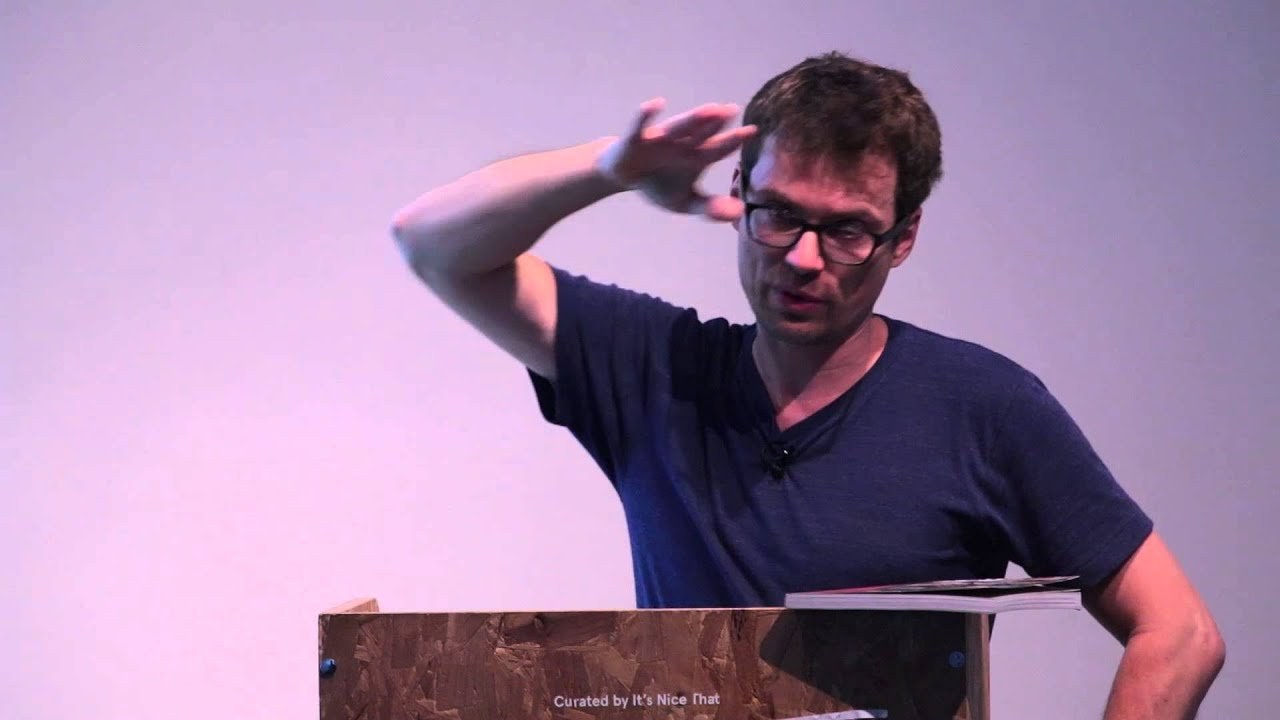
“I don't draw any spectacular things. I love little details — so the first morning when we arrived at the bottling plant, Massi was making tea, and I just liked the idea of depicting the several steps he takes to make his morning cup of tea.”
Yeah I guess I always wanted to become an illustrator one of the key moments in my life was when I was maybe seven or eight years old and my mom bought me my first Tintin comic book. And it was Christmas present and I read it in the same night and since then I've been hooked on I wanted to become an illustrator I wanted to draw stories and so I've been my father as an art teacher and he was my first teacher. Basically and he taught me how to draw and he always encouraged me to draw on location.
But I didn't want to do at the beginning because I just wanted to draw superheroes and action comic books but it didn't work out.
So I followed my father's good advice and I studied graphic design and for time it's a small city in the south west of Germany in the Black Forest and I didn't of drawing there too lots of drawings on drawing on location I did a diploma there in 1990 something. And I went to hamburg on and the drawings in the repo back on the river band and the red light district I did lots of drawings and then bars tattoo parlors industry than the Salvation Army and I think I did a really good book. And then.
I got great marks from from my teachers and so went to the book fair in front foot and try to get my first commissions I saw lots of art directors there and editors and they all told me yet it's great work we love it you'll hear from us. And I never heard of them again so I was really frustrated and I didn't draw for probably two years. And I just took on the first graphic design job that I could get and I was doing this work f over 20 23 years.
And then a friend of mine he got a scholarship to study duel masters at the School of Visual Arts in New York and he encouraged me to apply for a scholarship because in the illustration program they also did a lot of drawing a location and they're really kind of encouraging students to go out and roam on the spot so luckily I got a scholarship to go there. I went Stefan 2002 2003 and the lots of drawings in York in the city in the five boroughs I moved then to do my studies there.
I got my first commissions from from the guardian and in 2003 I moved to london and got larger commissions from the lanthian and this is a serious I did for the redesign of the garden they asked me to do double spread pages a series of double spread pages for the g to supplement and they just asked me to do drawings of of people who are not famous people or personal famous personalities they're just people whose lives are kind of connected to current affairs and they gave me a lot of freedom so one of the people at the boss suppose p to her but he's a used to be the guy on between wrote who sold me the threw the match the ball and he told me story. And I did a couple of these drawings and this is gaurav con he's a halal butcher and Bradford I got this commission after the terror attacks in London on the strength of July several years ago and he asked me to go to Bradford to do to meet an older person from from Bangladesh or Pakistan who kind of wasn't born in in in the UK but spend a lot of his life there.
So I met this guy and yeah through a minus living room and she's a doctor she's a specialist in in flu epidemics and this was during the the bird flu epidemic and this was was a great series to work on.
But I always thought that I want to have more space than just a dub whispered page and then during this time I got I went to france I meant to Paris on a weekend holiday and I discovered the magazine there it's called when Tia and it's a great magazine they use a lot of illustration and at the end of each publication they've got a 30 page reportage graphic novel and when I saw this I immediately contacted the editor of the magazine and I had my portfolio with me and they told me I should combine and see them they like my work and they gave me first the first small commissions and after a while I wanted to go to hear on on on a trip on a two weeks on a three-week trip to work to meet a person I find interesting and do a story about.
And I suggested this to the editor of entire magazine and he told me I should definitely do one of these 30 page report our stories so I decided to do to meet the truck driver there and travel with him to the country his name is messy and he might have me to join him on this journey to from Tehran to a small island in the Persian Gulf and he had to go to da moment the moment this is a mountain in the in the mountains and north of Tehran and there's a big source where they fill up water and they put fill their water into the potters and they ship it around the whole of Iran so what I love to do is I'd like I don't draw any spectacular things.
But I love little detail so the first morning when we arrived in the in the bottling plant masse it was a little bit we were a bit early and he was making tea and I just like the idea of depicting him that the several steps he takes two to make his morning cup of tea and he bought a sack of walnuts because he lived in the desert in the south of Iran and they don't have walnuts down there so you stopped in a shop when you pulled a whole bag we were driving through it with Tehran we left around and on the motorway they've got a special motorway Iran has the highest I think is the worst country but it comes to fatalities and road accidents so they've got the special motorway just just for the drugs yeah we were in the south nowra in jerome this town in the middle of the desert and this is the place where Messi and his family live so that the whole trip was was four days and we spent born one afternoon there so meet his family his wife his kids and had lunch with them. And this is best with the end of the journey where he delivers yeah we I didn't tell that we had to a severe to drive through the whole country to a small island called quiche and it's a in Iran it's a famous holiday resort and basically had to drive down the bottled water to this island so so tourists can can drink the bottled water and just the last page where we basically where he goes back from from the island on the ferry and he's chatting with the Kurdish truck drivers meth on the ferry so does this was the first story I did for Monte a magazine and they were interested in me doing another story so two years later.
I went to tool hours where met dr. Bhushan he's a young veteran Aryan and he's looking after elephants that are working in the logging industry allows and I spend a week with him enjoyed him in a small team we went into the mountains and in the jungle to remote logging camps he's working for a small French NGO it's called it's not the elephant family it's elephant hacia la fantasía and they're basically they're they're dedicating the time.
And then their expertise to look after these elephants that are still working in the logging industry and I loved meeting these these old the mahout my boots are the guys were working with the elephants and luckily Burt wrong he speaks Lao or he speaks the language of the people there so whenever I had questions I could ask him to interpret fur for me yeah at the end of this mission we got invited by the the mahout for a bassy ceremonies it's an old traditional thing where they basically they thanked the elephant doctor and his team for the efforts and looking after the elephants and there's one of these times where whether they all get totally drunk them a hootin and the guests and this was a yeah great experience and allows they also used the elephants in in the tourism industry so so we went to one resort that uses the elephants that offers elephant safari is for mainly French tourists we went to a sawmill because one of the elephants working daggett get bitten by a snake and now better Petra was going back to on the ferry on the boat to luang prabang wherever he is based okay and what they need to say is the drawings you've seen so far they were not stand okay I used photo reference that it took on these trips and there was it was a time at my career where drawing on location wasn't enough for me anymore because I wanted to get in more more details into the drawings and I was it wasn't happy with many of the likenesses I did so I started to use photography and I also didn't want to when I go on a trip I didn't want to draw all the time because I want to go out and see as much as possible but I got an assignment from a Swiss magazine is called reportage and they asked me to go with a german italian journalist to a small town close to naples to do the journalist was researching a story about the mafioso or an ex mafioso who was in a witness protection program and he met him before the journalists met him before twice and basically editor of the magazine asked me to do drawings observing kind of the interactions between the journal distant and and the mafioso and Luigi the mafioso he lives with his family in small apartment flat in a high-rise building at the view over the sea and this was I enjoyed doing these drawings because I we were a whole week in India in the flat in the apartment and I could draw on location again I did some of the drawings from focus.
But they did most of the drawings in the flat drawing from from what I saw this is a drawing of powerless to Luigi's wife she she said just kind of typical Italian woman housewife did you imagine and she was always making great great dishes and so we usually went into the apartment in the morning it's eight nine o'clock we had breakfast in hotel but we had lunch and dinner always in his house and we'll kind of great experiences because he is the guy he's got 22 kids living with him to his wife and if if I wouldn't have known what he did in this during his career as a mafia boss in his from the Calabrian mafia from dan Truong guetta I wouldn't he's a very kind of a kind of a outgoing very nice kind of a humble character too and he got interviewed in Italian by the journey so as I didn't understand everything but what he told but but it was was kind of a intense situation for me drawing in this this flat because he's also since he's been in this witness protection program he lots of his former associates kept increasing that for many years or so they want to kill him to rent to get the revenge and so it wasn't we were told it could be a dangerous situation someone might come into the house and one wants to do something to him.
But yeah obviously nothing happened and this is for example this is the the house plans they had they've been entered this program for for several years already and this plant what was a present from powerless parents they gave it to them already when they're still in there the old house when many was to them I fear was old but they always whenever they had to move house to always took the plant with themselves sometimes they delete got to leave overnight so police car comes on and they take all that kind of the most important things but always this disband always needs to travel with them and the head obviously it's a Catholic family so sort of cut in the kitchen they had a calendar of the Pope and the man here is the uncle of Luigi and he was the to be his kind of role model he grew up in this environment where from as a kid he already got trained to become a mafia a mafioso and yeah when when he got into prison he basically had to take over his role and and after while he noticed that it doesn't want because if he would have gotten to prison know if you would have kept killed his young son would have had to take over his rock his post and am office also decided to leave the Mafia I'm going to this witness protection program the problem is now that is not free is he still is a wanted man by the Mafia it's the living room I this bathroom and is a is from a town called proton a and this is a towel of the local football club and it's why she supports un to terrain so they're always had this little rivalries football and the a person in February when we were there and he usually never leaves the house because he's worried that someone might kill him.
But the happened a couple of weeks before we went that they had a lot of snow in in the town so the whole family went out and they made a snowman and Luigi showed me that the photon the mobile phone officers of his kids and the snowman and he's got two V's two TVs in his baton and they were always running and his son he loves to play computer games like probably every other kids his age and he is fascinated by this one program a computer game. And this one computer game is called hitman and I don't its I found it quite interesting because there's a contract out of it on his dad and and and he told me.
Actually which she told me that it's not of time it's not a question if I'm going to get killed at the question is when I'm going to get killed so his son he loves to play these these hitman game. So it's kind of interesting thing.
And then it was also went when we were there that the Pope kind of resigned from his post I meet me solid on the TV and yes to see enough after the lunch we had Danny's daughter she loves the Smurfs they called the two fetes I the poofy in Italian so she has mastered classes of this mr. Smurfs on it it's a son playing again on his playstation to you from his house he spends a lot of time on the balcony smoking and okay we could go from Naples now to do miss refugee camp in Iraqi Kurdistan I got invited by matts ass off on here the doctors without borders to do drawings about people I met in the camp so so they asked me in December last year to go there for two weeks and spend time with the refugees from from Syria and the other they basically asked me to do drawings that will get published in magazines and newspapers to raise awareness of the situation and the circumstances of the refugees and this is mohammed I met him one morning in he's got a tea stall in front and in front of the gate of the camp and I had to wait there in the morning for my translator and he was late and address was a really really cold morning and he just saw me standing there and kind of stepping around being held and he just came to me and he offered me a cup of sweet instant coffee and you smiled I mean I obviously I don't speak his language it didn't it does it has to be any English and he gave me the coffee and I really did me good and when I wanted to pay him he didn't want any money for it and finally when my translator arrived I asked if I can can interview him and he told me that he and his family they used to live in Damascus because of the war there was in the area where they were living the Free Syrian Army moved in and they were fighting against the government and so one one day they could hear a helicopter approaching and then they they all had just had time to leave the house and then they could see the how the helicopter to drop the bomb on the house and house totally destroys I lost everything.
And so did they just took the next person and left went to the Kurdish part of Syria whether they're from in the northeast northeast there and they could stay a while with the family of his wife but because they've got the large family and the situation. There is very bad in this part of the country there's no work around anymore so so they had to leave and and they left for Iraqi Kurdistan they had to cross the board and the night and now he's he's an older guy he's got health problems and it finds it very hard to make it a decent living and a problem for him because he's the provider of the family and he's got many daughters and his traditional role is especially to look after the whole family but he hardly makes any money because he's got health programs and he does make a lot of money with the tea store and this is a Barbra but fascinated me in the camp was that they had lots of little shops and so also lots of barbershops and this guy told me he had to leave the Damascus because his brother was serving in the Syrian Army and the Free Syrian Army they told him that if he his brother doesn't leave the army they will come and kill him so he decided to leave the country and go to the refugee camp and I told you that I work from photos that are take on on location. And so when I come back I look at all the material of gut and make these little mini sketches that are sent to the art director of the magazine or the newspaper I'm working for to get approval and then I always also write the stories of the people I met outs to them.
And then I usually gets the go-ahead and wrote them this guy is a TV mechanic you pass the television sets in in the camp is also form from the mask use and if I can quickly tell he he wanted to become an artist he wanted to become an illustrator but he wasn't allowed because he's from the Kurdish part of Syria and the Kurds were discriminated and he actually won a scholarship to go to Italy to Bologna to work to study there for a while and but he couldn't go because his Kurdish and I think I've got to stop now yep
Latest Talks
-
Murugiah
Why you should reject the formula and make art about things you love
Watch -
Amber Weaver
How does contemporary type design translate into the wider world?
Watch -
Delali Ayivi
How does photography give us the right to imagine our futures?
Watch -
Will Anderson and Ainslie Henderson
Bringing stop motion sorcery to BBC’s Small Prophets
Watch -
Ollie Babajide Tikare
The importance of not flattening the complexity of observation
Watch -
Marina Willer
Design thrives when you find poetry in the simple things
Watch