
Nigel Poor is an artist and educator known for her work that uncovers daily life inside San Quentin State Prison through photography. She has been collaborating with incarcerated individuals since 2011, using photography as a means of rehabilitation and storytelling.
Nigel Poor
Inside San Quentin: How Photography Becomes a Bridge to Forgotten Lives
“Photography isn't just about taking pictures; it's about telling stories that often go untold.”
Transcriptmay contain minor errors or formatting inconsistencies
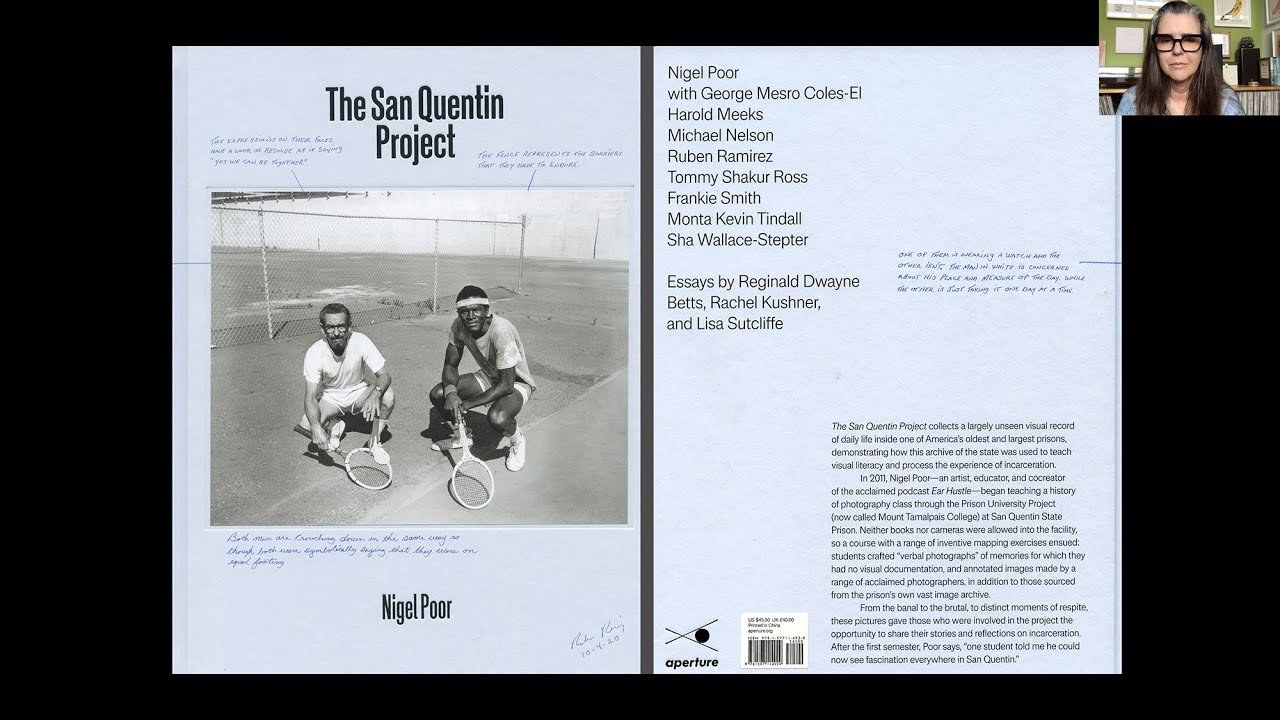
All right thanks very much for bearing with me I'm very excited to say it's now time for us to meet our first speaker tonight nigel paul is an authored artist from the bay area who's joining us today to talk about her new book the san quentin project which uncovers a largely unseen archive of daily life inside one of america's oldest and largest prisons nigel has collaborated with the incarcerated people at san quentin state prison since 2011 teaching a series of photography classes which help provide a creative outlet for the inmates there it's a really really powerful book. And we're delighted to have nigel with us today to talk about it hello nigel how are you hey hello there I'm good okay I'm great I'm trying to keep my eye on the clock there.
And I need to get some of those contact lenses I have to say my glasses fog up all the time awesome well listen I'm going to disappear now. And I'm going to let you take it take over the screen but I'll see you in 10 minutes okay sounds great thank you okay well nice to be here this evening for you morning for me in california and as matt said I'm going to talk about the work I do in prisons which is all about storytelling and collaborating with incarcerated people to bring the stories about life inside out into the world. And I actually currently do a podcast about life in prison called ear hustle but the work I'm going to talk about today is the back story of how I got involved in prison and the photographic work for me is also the launching point into the podcast that I work on now.
So I started going into prisons in 2011 through an organization called the prison university project which is a university set up inside san quentin state prison in california and I originally went in teaching a history of photography class and one of the things I love about photography is that photography is really a bridge for conversation photographs communicate but they also help trigger and populate our memory the image that's encompassed within the frame always reveals its own narrative and that narrative can be as complex as any conversation and like a story it also carries point of view and characters plot and subtext and another important power of photography is its capacity to mean something a little bit different to each person who views it so recollection reverie and meandering through one's own history and bringing back stories to share with others is an essential human impulse it's our way of saying that I am I matter and that I was or that I am here.
But also memories and stories are jumbled and chaotic and they can be really difficult to assemble in a way that allows access for others so for me the photograph can be used as a prompt for memory but it can also help anchor recollection and allows viewers to drift back into their own experience and find the story that they want to share with others so when I started teaching the the history class I really wanted the men inside to get an idea of what it was like to make photographs but in prison people are not allowed to have cameras and so I had to figure out a work around a way to get around not having cameras but also give the students the experience of creating something that seemed photographic so I came up with this idea of something called the verbal photograph and the idea behind this assignment was to ask the men to recount an important memory that they didn't have a photograph of they were supposed to take that that memory which is I think we all know memory is filmic right it's something we move through so I asked them to take that memory and distill it down to a single photographic image that they could hold in their minds eye and imagine that they were looking at right in front of them.
And then through language I wanted them to describe that memory photographically using concepts like perspective and point of view focus scale and with doing that again create this idea of the verbal photograph to be shared with others and this is an example of one of the excuse me one of the verbal photographs that a student did and what I love about reading it is that the language is so invitational it asks us as a participant to really delve into this man marvin his experience his language escorts us through through what he's remembering so if you look at this he says things like if you look behind the light bulb you will see if you turn your attention to the woman you'll see that she's wearing a long sleeve white slip if you look closely you'll notice the bangles on her arm so again all of the way he's using language is a way of asking us to participate in in in this memory and he ends the essay with something that was really kind of revelatory to me he says this memory means so much to me because it's what I perceive to be the earliest memory of my mother.
And it's really important to note that he says it's what I perceive to be my earliest memory it isn't necessarily a memory and that speaks to not only how flexible memory can be and how unreliable it can be but it also speaks to the power of photography that it can hold memory and at the same time help create memory the next assignment that I did with the students was called mapping photographs and what I did was to print out images by well-known artists double-sided on a piece of paper and leave a lot of white space around it.
So the men could do what I was called what I called mapping which was to spend time looking at the image and really delve into it and and pick out things that meant something to them and you can see that.
That's the top image where there's little bits of writing and arrows and things.
And then they were to take that mapping and create a narrative about their experience of the photograph this is an image by by william eggleston and the man who got this is the assignment was so sure that this photograph was taken at a corner gas station where he lived and it didn't matter how many times I told him it.
Actually wasn't taken there he was just insistent about it and the narrative that he ended up writing based on his mapping is all about his family and growing up and there's this very beautiful and complicated family tree at the bottom of the photograph so while I was I was working teaching this class I was given access to an incredible collection of archival negatives taken at san quentin state prison between like the 1930s and the 1980s it's a pretty mysterious collection of negatives it wasn't well cared for it was all jumbled together and the idea was for me to take the negatives back to my studio and archive them and preserve them and as I started going through them I was just amazed by what I found there were the kinds of images you would expect to see in a prison archive so images of violence and murder suicides fights but there were also amazing images of people visiting with their family and and working and dealing with all the things that everyone deals with in their daily life while adding the the things that happened to you while you were in prison. And so I was I originally thought I would take the negatives as I said preserve them.
And then kind of put them into various categories but the more I looked at them the more I realized that I wasn't equipped as someone who had never been incarcerated to really understand what was happening inside of the photographs and so I I formed a kind of impromptu archive class inside the prison and got about about 10 to 15 guys who wanted to be involved in it and every week I would bring in images from the archive and we would talk about them. And then.
I decided as a way to mark those conversations to use that idea of mapping the photographs so the men were allowed to take images back to their housing unit live with them and spend a lot of time thinking about what was happening in the photograph and then bring it back to the group and talk about what they found in the photograph and through their mapping the images became much more than just a archive of of prison life they became a contemporary experience of of what it means to be in prison and they weren't just photographs they then were attached with the voice of one of the incarcerated men who worked with images so I wanted to show you I want you to look at this as an archive image that hasn't been mapped and then alongside an image that has been mapped so as you can see it says this is a stabbing in the gym it's it's a violent image and I think most people who haven't been incarcerated would look at it and only see the violence but ruben ramirez who did the mapping for this absolutely changed the way I looked at this photograph and I want to read some of the text that he he inserted into this image on the back of this man so he says the arms symbolize buttresses attempting to prevent the structural failure of a once proud cathedral one arm represents encouragement and enlightenment the other indifference and authoritative tyranny and I I just loved how he he uses architectural terms and very poetic language to talk about what's happening here and helps us step back from just seeing this as an incident of violence with an unnamed person to creating a character that allows us to think about internal struggle and by doing that by using these words and and kind of creating a persona for us it allows us I think to enter the the work and thoughts about imprisonment with more compassion so all of the work that I do in prison whether it's photographic or working on the archive is about trying to get people to think about prison. And incarceration in new ways and I don't think you can get people to characterical issues through statistics I think you can only do that by showing connections and examining details and photographs are a way of getting us to examine details and also connect through conversation.
And then the final image is just an image of the book of this project that was just published by aputure it's called the san quentin project. And in the book you'll see images of the class assignments as well as images from the archive and mapped images that the men worked on.
And this I hit 10 minutes and 20 seconds so I'm going to end there. And if there's any questions I'd be happy happy to answer them amazing nigel thank you so much that was so so interesting and absolutely yeah if anyone in the in the audience has any questions please do pop them in the chat and I'll do my best to ask them.
But yeah thank you that was an incredibly interesting kind of talk and I guess one thing to say is that you spoke to my colleague ruby boddington maybe a couple of months ago now and there is a feature which goes into a lot more detail on our site as well if you kind of want to hear a bit more about the project but one question I had nigel was you when you spoke to ruby you kind of spoke about how you want people to care about the prison system and those who are in it a bit more do you think we kind of as a society to often pretend they're not there it's kind of an out of sight out of mind kind of way of looking at things yeah I mean unless you've been incarcerated or you have a family member or a friend who's been incarcerated it's very easy to never think about it I mean prisons are isolated places they have high walls we don't really know what happens in them and at least in the united states most people are schooled in prison through bad television movies and bad journalism that just creates a sense of fear and that they're full of monsters that are supposed to be locked away. And if you don't you know if you don't question that it's easy to go through life thinking that's that's who's in prison.
And I believe we really need to we need to address that absolutely I mean photography is such an important part of your life obviously but why do you think photography as a medium does such a good job of kind of being a bridge in a way between people opening up these conversations what is about photography that helps us kind of build that empathy that you're trying to build well I think one reason is because photography is so ubiquitous I mean everybody participates in making images whether you're an artist or you know someone who just likes to to snap pictures and so we're very familiar with the language of photography we've seen so many photographs of ourselves so when we see a photograph even if we're not in it we can insert ourselves into it we can understand the experience so it creates a sense of commonality and I think that's why I mean I can I can put a photograph down in front of anyone I don't know. And we will find something to talk about. And that's the that's the generosity of the photographic medium it is I mean photograph means writing with light like the its very name suggests writing and communication.
So yeah I love that yeah I didn't I've never thought about the etymology of that word but of course yeah we we're here talking about storytelling today and you spoke really beautifully about how yeah the kind of the storytelling part of photography how a single photo can kind of contain whole narratives within it I'm keen to understand though do you think that says as much about our own brains as it does about photography the fact that we do want to fill in those blanks we do want to kind of answer questions that an image might pose yeah absolutely I mean I think you know human beings are storytellers by design and I think our need our need as humans is to communicate and to be understood and to be seen and to see other people and one way to be seen is to share stories and you know I want to bring it back a little bit to prison prisons are places where people are made invisible and so to give people in any situation that feel that they're marginalized and invisible to give them a platform to have their voice heard whether it's through a podcast or whether it's through taking a picture writing about a picture is incredibly powerful it it it heightens you know your sense of self it gives you a sense of power that you have creativity inside of you to share and even if just one person listens it can be enough to really change your your point of view and how you feel about yourself in the world.
So I'm a big champion of asking questions and then. Actually listening to the answer that's the second part you also have to listen yeah yeah that's very true one of the one of the big themes behind your work.
And I guess particularly in the san quentin project is the the importance of arts education. And its ability to kind of yeah create change within society a big question to finish on but how do you think we can get those in power to recognize the importance of the arts I mean you know in in prison settings but also in schools elsewhere we in this country definitely don't recognize it nearly enough I know it's a really hard question I I I don't have a great answer for it except that you just have to keep trying just have to keep going back like I've done a lot of work in prison work that people told me I would never be able to do there's no way you're going to be able to do a photograph project in there there's no way you're going to be able to create a podcast I think that you you just you have to have grit and determination and the willingness to put yourself out there and not think about the final outcome just think about the desire you have to make something happen and if that can happen in a prison I believe it can happen in other places so I think one of the keys is you've got to get the people who are in charge to participate in it and for them to see to feel the delight of what it means to create and when someone has that personal experience I think it changes it can change something in them.
But it's hard and I also believe I will end on this that you can really only change what you can touch and so you have to find a smaller community to work within and then hope that it reverberates out from there I mean people could disagree but from my own experience I have to be able to touch something to to to work in community to change it.
So that's my that's my humble advice that's fantastic advice and yeah it's very inspiring to hear and clearly it's it's been kind of a hugely successful thing at the san quentin project as well so thank you nigel I'm afraid we're gonna have to leave it there but thank you so much for joining us thanks thank you you
Latest Talks
-
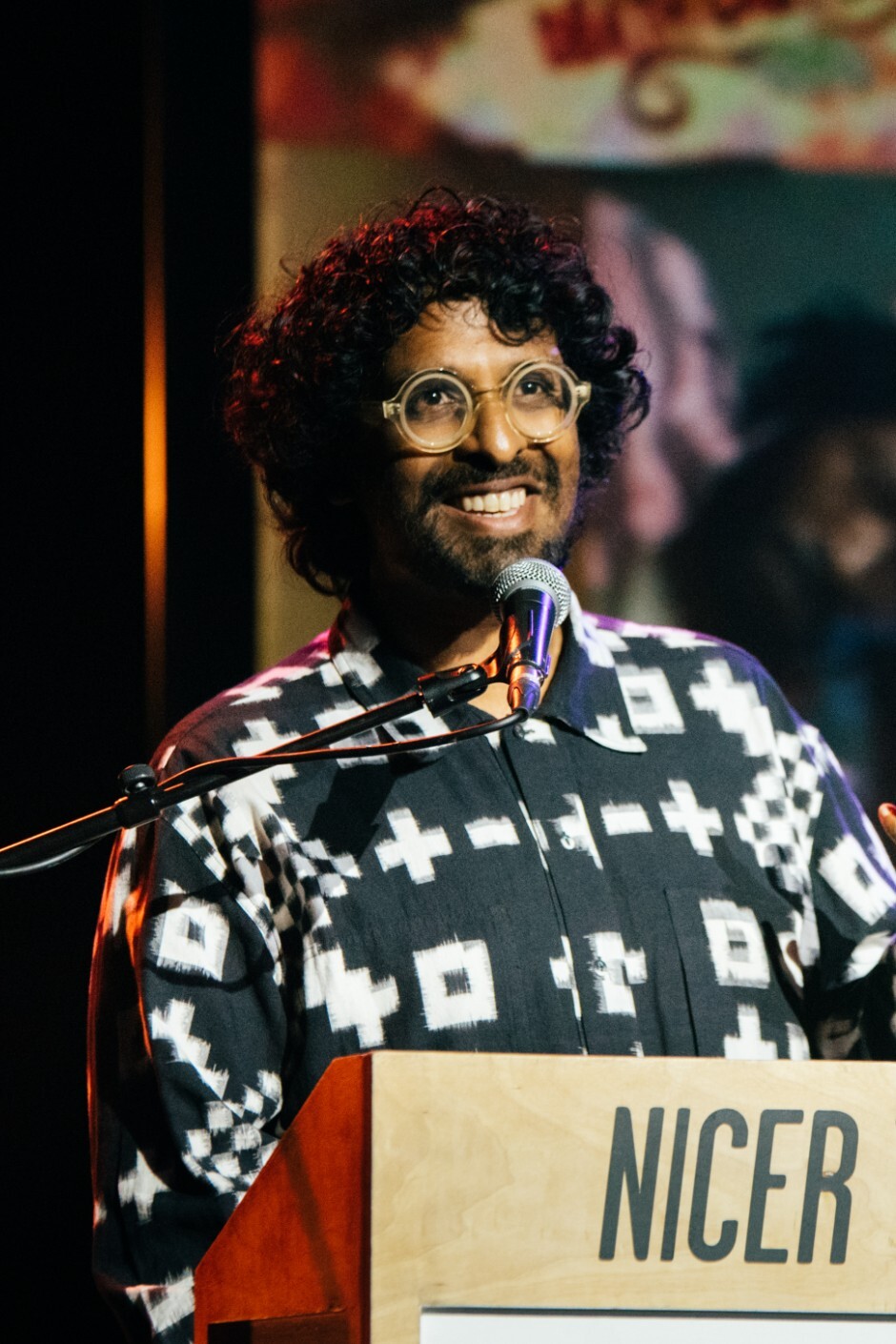
Murugiah
Why you should reject the formula and make art about things you love
Watch -
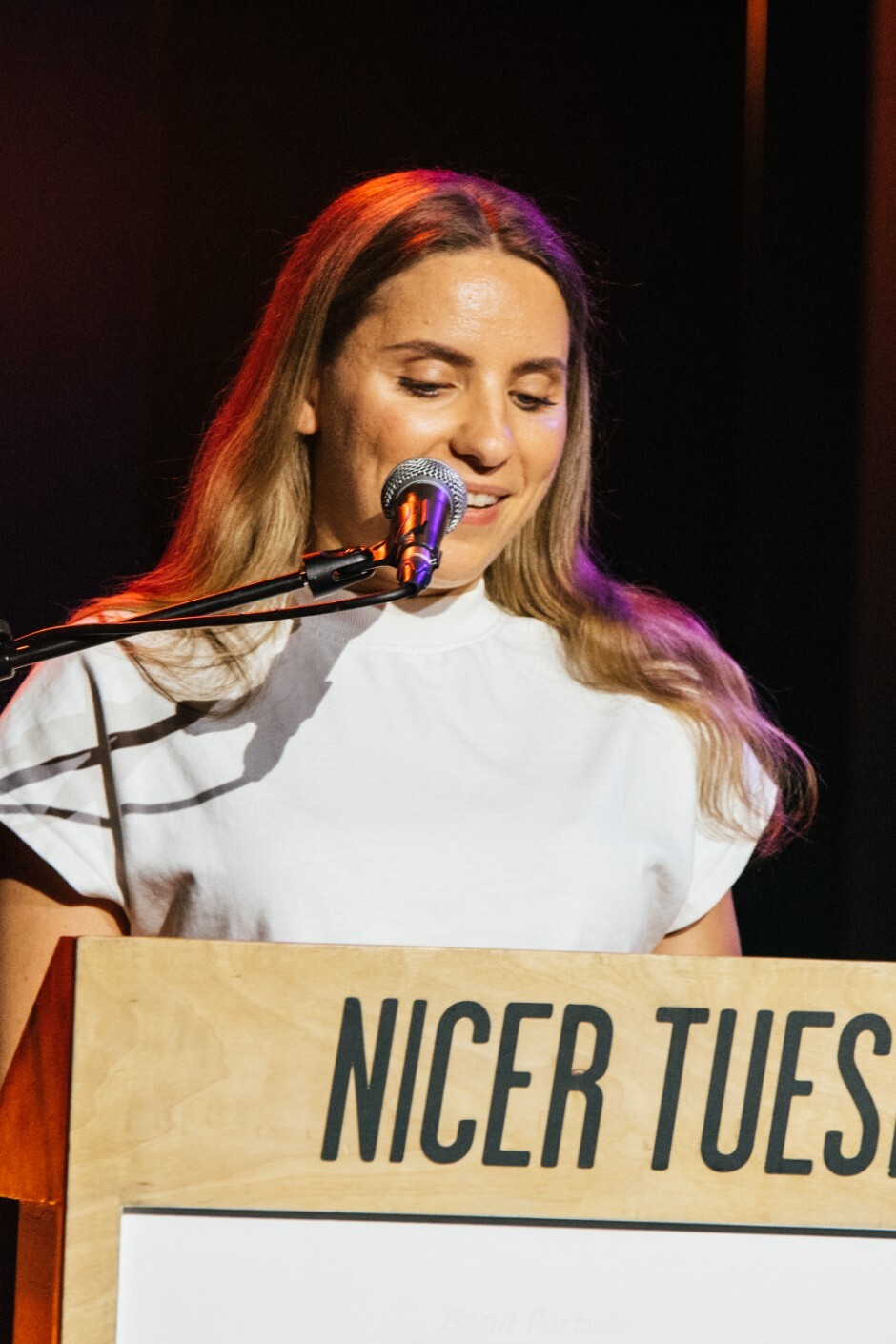
Amber Weaver
How does contemporary type design translate into the wider world?
Watch -
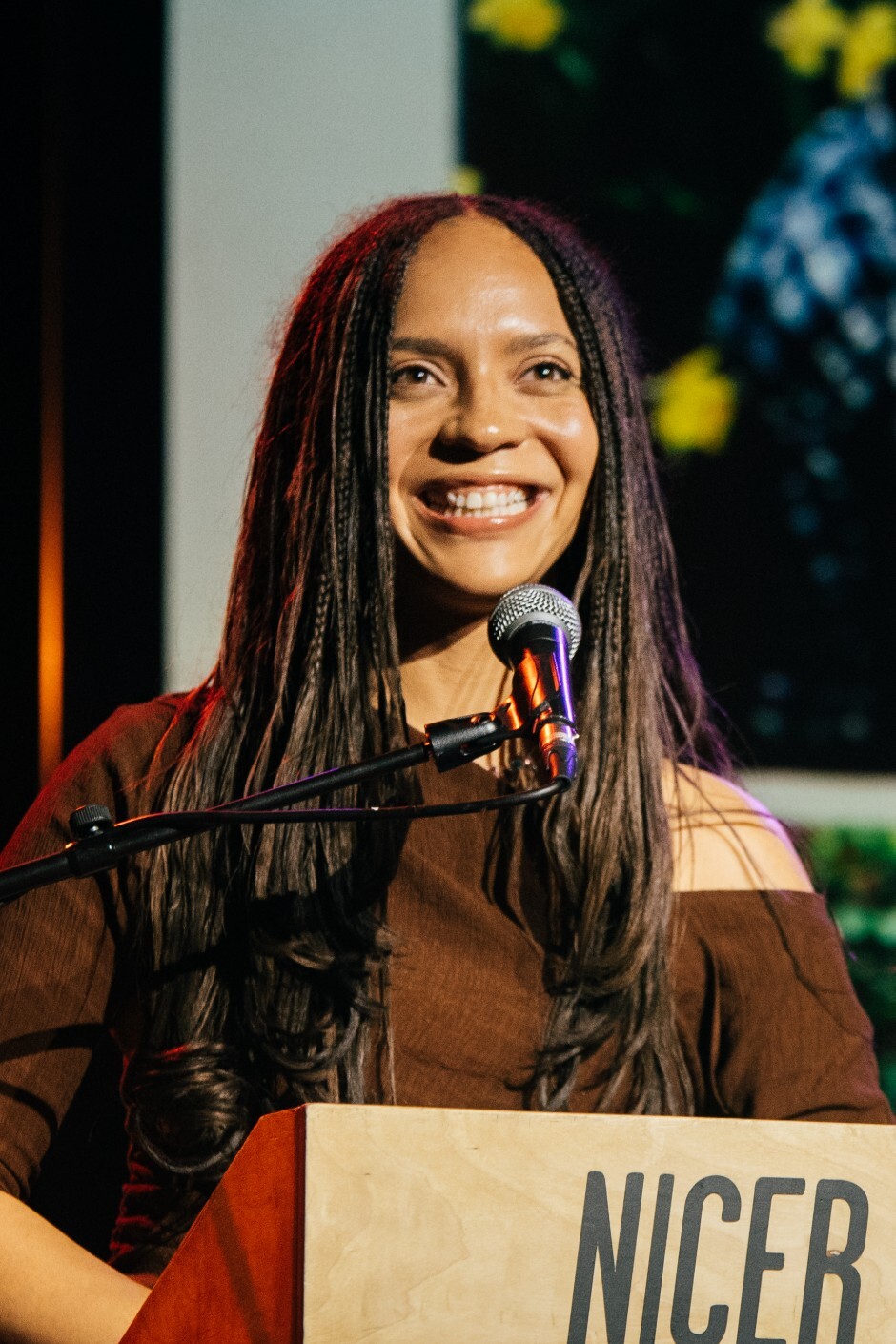
Delali Ayivi
How does photography give us the right to imagine our futures?
Watch -
Will Anderson and Ainslie Henderson
Bringing stop motion sorcery to BBC’s Small Prophets
Watch -
Ollie Babajide Tikare
The importance of not flattening the complexity of observation
Watch -
Marina Willer
Design thrives when you find poetry in the simple things
Watch