
Naomi Anderson-Subryan is a maker and illustrator known for her vibrant work that combines ceramic art and hand-crafted collages. Her passion for kitsch and character design is influenced by her background in acting, which informs the emotive elements of her creations.
Naomi Anderson Subryan
Where ceramic art and hand crafted illustration collide spectacularly
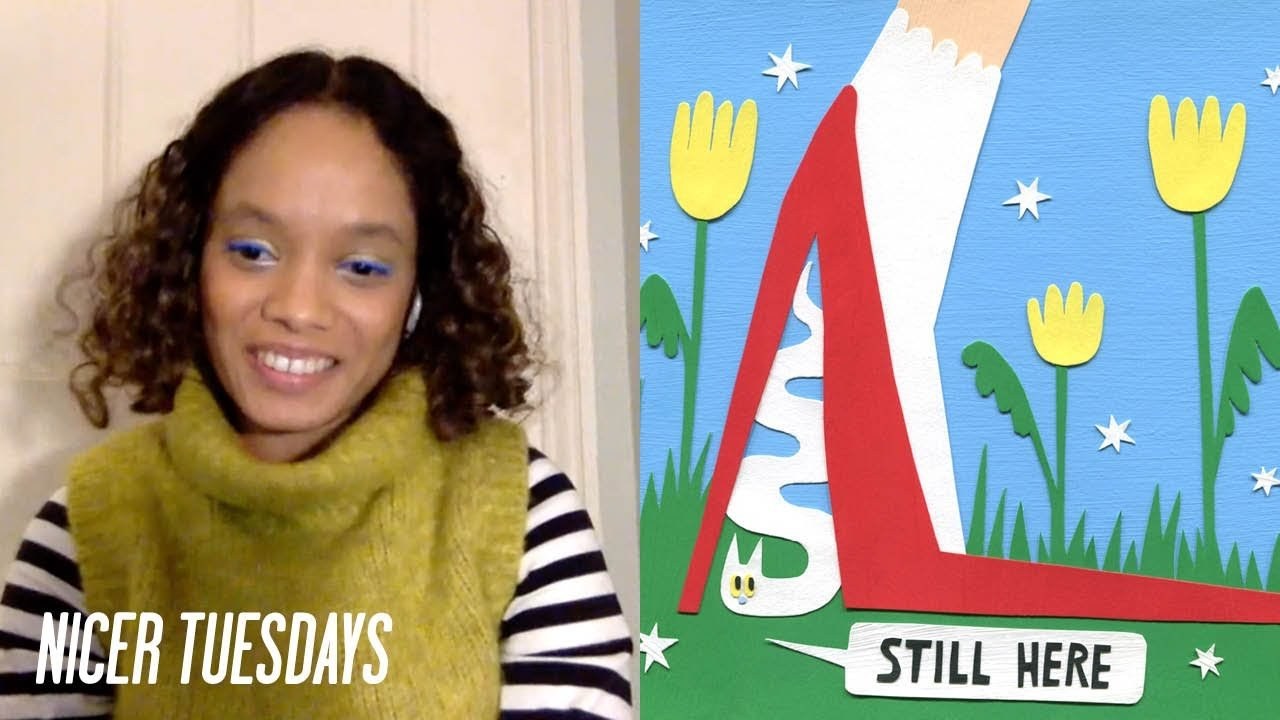
“Inspiration is about tapping into who you are, what makes you you, and visualising that.”
Transcriptmay contain minor errors or formatting inconsistencies
Now time to meet our first speaker now we first met naomi anderson subraine when she was a fresh graduate from camberwell college of arts and we got to know her wonderful work when we featured her as one of our graduates in 2019 since then it's been amazing though hardly surprising at all to see her go from strength to strength as brands and publishers have been drawn to her humorous colorful and beautifully crafted illustrations and ceramic creations I'm very pleased to say that naomi is now joining us as our first speaker of 2022.
Hi naomi hello hi how are you thank you for that I'm good thank you how are you yeah very well thanks yeah I see we're both dialing in from home which is the new state of things.
But it is great to see you and thanks so much for joining us at nice tuesdays I'm now going to hand over to you. So that you can go through your talk because yeah that's what we're doing and I'll be back around 10 minutes time to ask you some questions everyone in the audience if you do have any questions for naomi please pop them in the chat alongside your stream and I'll do my best to ask after after the talk but now over to you naomi thank you very much hi so I'm naomi anderson sabrina and I am an illustrator and I'm also a maker and I am based in southeast london. And I was also born here. And I predominantly work with paper paper collage and ceramics so here's a self-portrait one I did a couple of years ago in collage and then here is a recent one I did last year in ceramic now before I became an illustrator I actually studied to be an actor and I went to drama school aged 18 but unfortunately I failed my first year at drama school. And so I spent a few years kind of lost not really knowing what I wanted to do in my life I worked a retail job for nearly four years.
And it was there that I met a lot of creative people who kind of convinced me to kind of get back into it and to put my creative energy into something else and a friend of mine had done their foundation at camberwell and she said that I'd really really enjoy it. And so I applied and miraculously I got in and that was when my love for illustration really began I remember being on the foundation and sitting before we got to choose which pathway we were going to choose listening to the talk from the head of illustration and just realizing for the first time that this was what I was kind of missing in my life because what I really wanted to do all the things that I'd wanted to do with acting really had been a form of illustration. And it was there that really I I understood how broad illustration could be and I realized that it was the path for me. And I'm so pleased to finally not be working a very boring retail job. And I went back when I was 23 so I remember being completely in enthusiastic every single day to just get the most out of everything I'm gonna talk a little bit now about my inspirations and how I come up with kind of my characters my work is very colorful and it's full of expressive characters and I'm gonna just talk about where that kind of comes from and so firstly kitsch kitsch is a massive inspiration for me it's something that I don't think I really realize until my final year of uni was such a huge inspiration to my work.
But it's also it's been something that I've grown up with and my mum was a massive collector of objects growing up. And so kitch was this thing that I did my dissertation on.
And I kind of followed the etymology of the word kitchen how it kind of evolved through time from when it was first kind of use its first documented use and it was really interesting to see how the word has changed and how it means something different to everybody and for me it kind of sums up this feeling of nostalgia and familiarity and a character that kind of features quite heavily in my work is this marie antoinette type character and for me that kind of that era and that sense of that regency and restoration is really where I see kitsch kind of living for me and the bows and the frills and the and the flowers and the very excessive over-the-top feeling that's where kind of kitsch lies for me. And I think it links to this idea of nostalgia which is something that I try and create with my work as well.
So this image I picked because for some reason it kind of gives me that feeling of nostalgia and familiarity and it feels like you almost know this character but she's almost kind of you don't know her it's kind of somewhere in between the two the two things. And that's something that I really kind of like my work to kind of lie between this the the feeling of being familiar but at the same time feeling completely different so I picked this image for this idea of vaguely familiar because for me it kind of reminds me of salvador dali's melting clocks but I remember when I posted this loads of people said it reminded them of that tv show the kids tv show blues clues and so I really enjoy the fact that that sense of nostalgia and familiarity with the work is kind of it's interesting to see how people find their own stories and ideas within the work as well and collecting so I think this ties in with kitsch as well. And this idea of collecting that was really present growing up but now in my third year at uni when I was at camberwell I started this collection because I was kind of interested in how collections have all these different stories and how they have all these things going on amongst them. And I continue to collect now.
So that collection I started is something that I now keep up and here are some of my favorites and here just on the left there is one of my most recent findings I found in a charity shop and it's a victorian fairing which is something I looked at a lot in my final year. And it was big inspiration for this third year project I did which was based on this imagined collection that I created I made all of the pieces and it tells the story of the collection when it encounters this feather duster and it was based on these very satirical little kind of almost staging and pieces of victorian satirical and commentary and it was kind of based on that idea. And I was inspired by this quote by kontario podoliakov it says it feels like there are a million conversations happening between them and that was kind of what I was looking at with that project. And this idea of creating and understanding conversations between objects and that relationship between them and how putting two things together next to each other can instantly create kind of a conversation yeah.
So theatricality again like those victorian fairings it's like this idea of staging so this was some illustrations I created for pride and prejudice and I made all these ceramics which were based on the wally dog and I kind of made them my own and I created four scenes and they're still one of my favorite products I did because there's something about it that does feel like a stage and I think that ties back to kind of my background in in acting and performance yeah theatricality and drama and kind of capturing a moment and these well adults are something that I continue to make different characters and pairs pairs another ongoing project that you do personal project which is just kind of this idea again a familiarity that's crocodile tears and yeah.
I really like that sense of taking something that you know.
And then kind of switching up a bit so something that feels familiar but how far you can push it into your own style animals I think you can tell I'm massively inspired by animals and kind of bringing their stories to life and giving them a voice kind of usually quite comical voice and yeah film and tv so again it's the same idea of kind of taking something. That's beloved and and as specific characters that you may know from film and tv and bringing them into my own world again so this one is ghost world.
And then queen's gambit and seeing you know how far you can push push an idea in a form away from the original but still keep the kind of the integrity but also bring yourself in into that world and creating that visual language and character again another movie there.
That's rocky horror picture show. And I think for me facial expression is one of my favorite parts when creating characters because I feel like there's so many facial expressions and how much you can tell with facial expression and without any words it was something that I think ties back to acting again and I loved that part of acting is how you could tell a whole story just with with saying nothing at all and how the kind of degree of the eyebrow can make such a difference to what the characters could be thinking or or saying or feeling is really dependent you can change an expression really easily that way.
But then again I do also like to use text in my work.
And this was something that I think I shied away from quite quite a while until like in january of last year I did it's nice that comics and that was when I really started using the speech bubble to kind of tell again this story these stories between characters and between two things and kind of creating these these dynamics between the characters to add to the facial expression that I like to explore in the kind of ideas of humor and again this is like the princess and the and the frog prince and taking that idea and again twisting it making it kind of a little silly humorous I'll talk a little bit about my process so all my collages are made by hand and I paint all the papers because color is super important to me.
So I like to be able to really control the colors that I make and create the color palettes materiality again because I do ceramics and I've also worked with felt wood found collage paper mache I think just that real connection to process and making with my hands is really important to me. And it's influences what I've done yeah colour so I've talked a bit about how colours really flinch I'm always seeing colour palettes and the clothes that I wear as well which is that picture on the left and then it's really important to get the right colors so I do paint all of them myself and then.
I think it's important because color can really kind of change the mood of something and taking color out can also create completely different feeling so this one is actually done in grayscale I didn't change on the computer or anything but you can pick up certain moments and change the mood of a piece dynamic again something that I really think about in my process is how an image moves and how that you can create a real sense of dynamic movement and so when I'm creating a piece here's a quick process of what I'm doing but when I'm creating a piece you'll see on the next slide that I draw little thumbnails and they're very small normally four centimeters by four centimeters and I don't know why I like to draw really small because the big page always really intimidates me.
And I like to see how I can cram all that information into that into that one image that's me just creating that collage there.
So I use a piece of tracing paper and I stick all the pieces down.
But yeah here's some thumbnails from the it's nice that comic that I did last year you can kind of see the process there.
And then usually I got an ipad I think last year as well. And so I would draw up my sketch and play around with color before I make the final piece and then again you can see the difference between before it's scanned and then when I scan and I don't do much editing I just maybe take away a few bits of glue or like hairs that sometimes appear on it.
And sometimes just some strange kind of creasing that you get from where the paper warps from painting it and yeah with my ceramics is similar I either draw them up first and get a sense of kind of size and color or sometimes they start out as a collage first and then I change them in they become a ceramic because I like to see the relationship between my characters and how they can live in the physical space as well as on a piece of paper and then I'll just quickly talk about a few projects mainly just to show my work in different contexts so this was the it's nice that comic that I did and this was really influential like I said just that use of speech bubble and text this was a piece I did for who gives a crap which was really cool they sent me a whole bunch of lu roll and said I could create a piece with one of my characters and I was really inspired by it kind of reminded me of like the 80s and so I created this prom queen character and I created a real as well yeah another thing on insta an instagram based piece was this costa for christmas just gone this was for trek magazine it's an alumni magazine of the university of british columbia and this was a medical piece it was about medical innovations and that felt very alien to me and but it was really cool to get to learn and have a research-based kind of project where I could really learn about something I had no idea about and create these pieces that were kind of humorous. But also very serious in in topic yeah new york times that was a kind of a dream project for me getting to do that very fast turnaround editorial so I don't always feel like I get to do them as much as I'd like just because my process takes a long time yeah rebel girls that was also came out and last year got to do two portraits and then clothing yeah this came out last year as well new works these two prints from some of my collages and I was even lucky to do a ceramic commission which never got used in the end but that was really cool because often I don't get asked to to do ceramics in a commercial field so that was really fun and that's it thank you so much for listening to me I think we'll go back. And I'll see if we have any questions thanks david that was absolutely amazing that's so interesting to listen to we've had tons of questions from the audience which is fantastic I'd had one very quick one first though you spoke about theatricality and staging and your your acting background and I guess when I look at your work often there's this really amazing narrative storytelling element even though yeah we're looking at kind of static objects and images do you sometimes think about what might have just happened to your character or what your characters might be talking about do you think about a bit of a story alongside it yeah I do that's always something going on I feel like they're normally like a captured moment but I think the good thing the great thing when I did the the comic because I had to kind of stretch that moment out because normally I'm so I usually cram everything into one image and have all these little things kind of going on.
So I do often think about it. And some of my characters kind of reappear or they they're almost they're not the same character but they do feel like they're connected and then yeah but definitely there's always lots going on in my head when I'm creating them.
And I create you know back stories for them yeah fantastic catherine has asked do you recall any childhood tv shows or cartoons books or films that inform your work to this day yeah I mean I watched a lot of t I grew up watching a lot of television a lot of sitcoms when I was younger that were probably like totally not what I should have been watching I watched one of my favorites I remember this is a funny story because you know when you could take the hamster home from school at primary school. And I remember I lost the hamster because I left the cage open because my mom said oh give me give me give me some I don't know if you've ever seen gimme gimme gimme.
But I liked sitcoms like that and men behaving badly and things like that. And so I watched a lot of those kind of comedy shows and shooting stars things that probably I shouldn't have watched but I enjoyed watching and yeah in terms of books I liked a lot of tony ross illustrations and anthony brown two which are kind of they've got a very dark feeling to them.
But I love those books a lot I don't know there's something the hansel and gretel I really loved and the piggy book.
But that was one of my favorites it was really subtle and it had there's one page I really remember which had it was where the mum leaves and it's her the dad is left with the two sons and they slowly turn into pigs and there's this one page where the wallpaper which was once flowers becomes these little pigs and I just remember loving that like detail about how it like subtly changed that was yeah that's amazing you've also got a very incredibly visual and a very very good memory yeah yeah I still have that I have that book one of my favorites awesome olivia has asked outside of a university setting have you got any tips for how to identify personal inspirations I guess you know when you're not forced to hit a deadline at uni where can you look for inspiration I think that it is really difficult thing is when you're actively searching for inspiration I think as soon as you start saying I I feel on this planet I need to find something is when you start to like to climb up.
So I think I I like to think of it as what drives you what are the things that you you enjoy because you can weave that into your work what is it that you like doing in your spare time what is it that makes you you because really you're kind of presenting who you are but in a visual form to everybody else and how you see the world.
So it's really about tapping into that kind of notion of who you who you are which sounds that sounds a bit scary but I know that that really helped me it was just kind of sitting back and going okay well what makes me unique what do I like and how do I see things and trying to kind of present that to other people how can I explain how I'm seeing and understanding things in my brain and putting that putting that down and that you'll find the connections you'll it might just click one day that you realize oh I like kitsch because I've spent ice you know I spent my childhood being dragged around boot cells with my mum and you know you can find that connection quite easily sometimes thank you maybe one final question from margarita what's the best advice you ever received as a creative it's a huge question.
But yeah there's only one piece of advice that kind of sticks out that you've been given I don't know whether it's by a tutor or by a friend another collaborator a friend of mine I when I left campbell well I was having to answer loads of questions about like my practice and and you know doing kind of interview things.
And I found it really intimidating and scary because I was like but what am I going to write what if I changed my mind and he and they said to me it doesn't matter what you write in that moment was what you felt that day and it doesn't matter if in a year's time you go oh I don't feel like that anymore because we're always changing and that was really good piece of advice really helped me to the main thing yeah actually.
This is how I'm inspired today.
But in a year's time I might be fine moved on and found something different and that really helped me kind of feel more ease and not feel like you're completely tied to this one thing you said in an article 10 years ago yeah that's brilliant advice I think for any any time of your career absolutely okay maybe one I'll be sneaky and I was one final question because noah asked a really good question could you tell us how you approach client briefs I guess you touched on a couple there that you've done one ceramics yes ceramics piece but mainly I think it was in the illustration world.
So yeah maybe how do you approach client work in that in that field it's difficult I guess I would usually have an idea of what what they want and what I want and I'm sometimes I want to go a bit why not wild but go completely in a slightly off-kilter way. And so sometimes you get I'll go more to the extreme.
And then be brought back because it's easier that way I think and then they kind of tell you how to tweak it but usually if someone's coming to me they understand that my process takes quite a long time so usually I'd start with very rough sketches by hand like I showed you.
And then I will draw them up on a computer and kind of give them idea of that sense of movement and and idea of character and then they'll approve it and once it's approved then I can go on to start making but I would never start making a collage until I knew it was right because it's much harder to change anything after that but again yeah I try and take all the same inspirations I have for my personal work.
And I bring that into my into my commercial projects as well because I feel like I don't differentiate too much between the two the main difference is you're working with a client and they have a very specific idea and you want to make sure that they're happy and that they you know they receive what they want but also you're happy and that you create something that feels right for you. So that is always a difficult balance but I don't I try not to separate them too much because they're all my pieces of work yeah absolutely I think the best the best collaborations where you kind of you're able to make something that you're really proud of and that obviously works for the brand as well.
But yeah thanks for that thanks naomi that was that was brilliant and really appreciate those you answering those questions I'm afraid we're gonna have to leave it there.
But yeah thank you for joining us this evening thank you so much
Latest Talks
-
Murugiah
Why you should reject the formula and make art about things you love
Watch -
Amber Weaver
How does contemporary type design translate into the wider world?
Watch -
Delali Ayivi
How does photography give us the right to imagine our futures?
Watch -
Will Anderson and Ainslie Henderson
Bringing stop motion sorcery to BBC’s Small Prophets
Watch -
Ollie Babajide Tikare
The importance of not flattening the complexity of observation
Watch -
Marina Willer
Design thrives when you find poetry in the simple things
Watch