
Ken Wong is a creative director at ustwo, known for his work on the popular game Monument Valley, where he emphasizes the importance of narrative in interactive storytelling.
Ken Wong Ustwo
No high scores just geometry forgiveness and impossible architecture
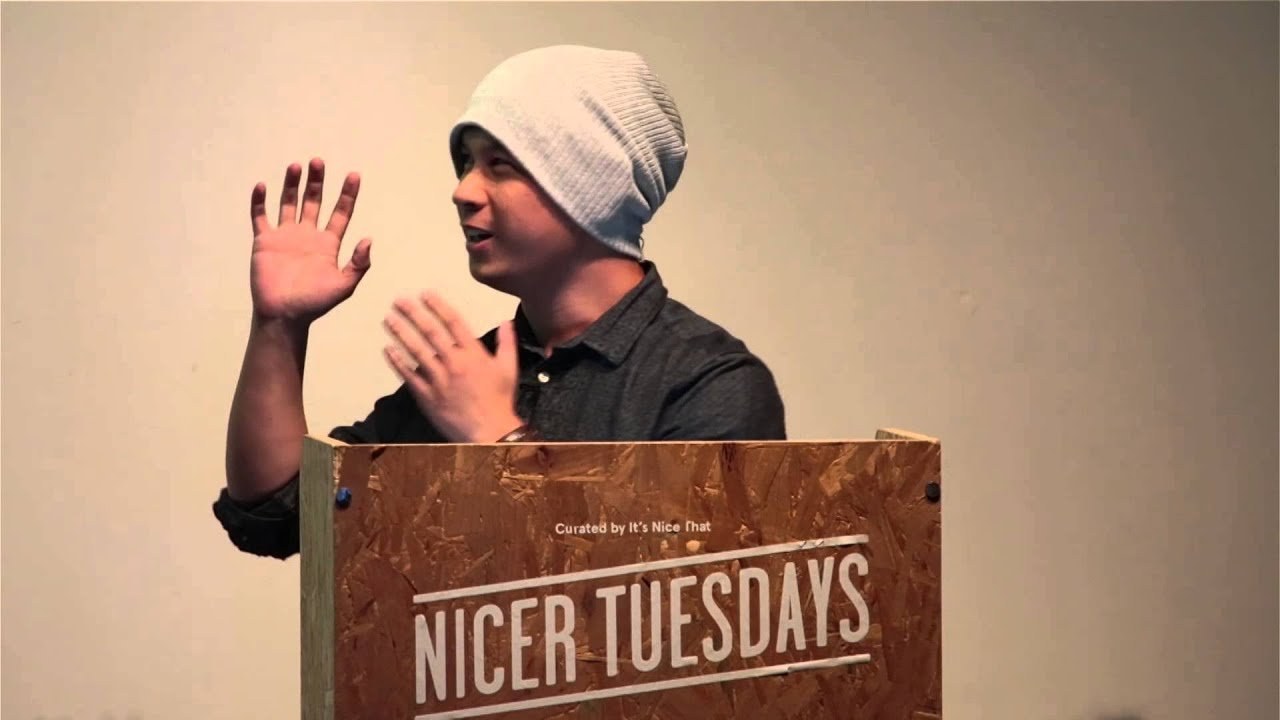
“There is no blowing things up or high scores, just geometry and impossible architecture and forgiveness.”
Transcriptmay contain minor errors or formatting inconsistencies
Hi can you hear me okay cool so thanks for the introduction my name is ken wong again I was a I was the lead designer of this game called monument valley which was released for ios and android earlier this year. And we think it's a very interesting game it's it doesn't feature any shooting or killing there's no high scores there's no glowing gems to match up there's nothing to collect or build or destroy what it does have is geometry and impossible architecture and forgiveness and you you you guide this princess ida the silent princess to the tops of these buildings called monuments that's what you do in the game and despite being quite orthodox and and being quite unlike a lot of other mobile games it's done pretty well we celebrated our millionth download a while ago. And we were one of five games to win an apple design award this year but today I'm here to talk to you about how we left a very strong impression on our audience through the storytelling so here are three different examples of different mediums which all use different forms of storytelling a book is very good at getting really deep into into themes a movie on the other hand has the advantage of being able to use cinematics cinematography music and editing the key strength of a video game however is interaction interaction is the core ingredient of it's what distinguishes video games from other art forms you play one of the roles you you decide the outcomes now video games how come in many different forms they're and they're incredibly varied in scope and design and this is reflected in the storytelling so as an example this is a game where the gameplay has almost nothing to do with the story you know you in the gameplay you fight hundreds of enemies and you kill them.
And in between all of this slaughter you find out the story which is that you're you know saving the world. And that's fine this is a very highly cinematic highly authored experience and the players just kind of along for the ride there's a lot of stuff to see it's just a very rich world on the other hand animal crossing is an example of a game where the story comes more from the player and less from the creators of the game. So in animal crossing you create your own character in a randomly generated village and every day you can decide what you want to do do you want to go fishing collect fossils plant trees design new clothes and you can share those experiences with your friends so the player creates their own story as they play the game for monument valley we started off here this was the first piece of art created from monument valley in photoshop and the basic idea for the gameplay is all here you guide a character from the bottom of the structure to the top by interacting with the architecture what isn't clear yet in these beginning stages is who this character is and and what the story of the game is going to be and it would kind of work without a story.
But it would just be a collection of abstract puzzles and in order to really engage the audience and and keep them entranced and get a stronger emotional impact we had to figure out what the story of this game was going to be so our approach to historian monument valley can be summed up in three points first of all you know games video games are such an interesting medium because it's actually multimedia we can integrate video and sound and and voice acting and art.
And so but a lot of people they focus a bit too much on cine on on cinema on film and they try to tell stories in the way that a a film is really good at and we thought that we were going to try telling a story in monument valley more like music the way that music or perhaps a music video can tell a story secondly I think our approach was to first figure out what the interaction was going to be and from that developed characters and themes and only after that we were going to figure out the story and lastly I think it was important that for our for our game for this particular situation instead of separating the game out from the story we're going to try and integrate them together to try and make it one cohesive experience so in terms of music and music videos this is all this full of love by bjerk directed by chris cunningham it's one of the greatest music videos ever ever made and not a lot happens in the video the lights flicker on. And we see that these robots are putting together another another robot with bjork's face and she sits up and meets another robot who is also a robot with bjork's face and then they make out.
And then the lights flicker out. And that's it.
And that's a really simple story. And it's also not very clear what any of this means the storytelling isn't precise or exact it's told through lyrics through tone through the aesthetic qualities of the music in the video and if that seems half finished that's because it kind of is it's up to the viewer to decide who these characters are and what kind of world they're inhabiting it's up to the viewer to relate to these characters as lovers and and living beings and that's actually great for an interactive medium like video games because what's more interactive than getting the player involved in the storytelling sorry I did that slide too fast oh finally one last point I wanted to make is that the storytelling is optional that some players of video games don't want to interact with the story they're there for the action or or just the gameplay features and so we didn't want to force gameplay down their throats so just like a music video you don't have to engage in the story you can just listen to the music it's very interesting to make the story sort of an optional feature so moving on first we decided that it was important to figure out what the interactions of the game were going to be so this is an early piece of concept art that we did where we're just experimenting and figuring out how we're going to interact with the architecture in order to get the character from a to b and this is what we ended up with you can tap on the path to move the protagonist the princess ida to new locations and you and through that you can step on switches which activate things you can enter doors and you can hold and move on these on these circular little grips to move pieces of architecture or you can rotate these handles and this forms the basic interactions of the game from which we created a whole bunch of different levels which I'll come back to a bit later next after we'd figure out those interactions we had to kind of figure out what this world was going to be what the characters and themes were in terms of themes so we thought that it'd be interesting to kind of turn a video can video game convention on his head in a lot of video games you go around collecting coins or stars or or other things you're always like trying to get stuff and we thought it'd be really interesting if instead of doing that you were returning things to these monuments we felt that the game was more about the journey it was more about walking the path and experiencing this thing rather than battling through it and fighting and trying to overcome difficult scenarios there was an illusory aspect to the game you know we had these optical illusions in the architecture and nothing ever seemed quite what it was from from first appearances the game was designed to be very beautiful and and and sell itself through its visuals but it's also a very lonely place you know ida is one of the only characters in these buildings that feel abandoned and so there's this aspect of loneliness to it and lastly you know whoever had built these amazing structures there they weren't there anymore and and conjoined with like the this idea of restoring these sacred geometry artifacts back to the monuments there was this idea of hubris and and stolen knowledge and I think when you when you consider all these themes together.
That's why we thought of the game as being about forgiveness in terms of the characters we knew that this this character in the world had to kind of navigate around and we wanted her to be a very empathetic character and so ida doesn't have a face and doesn't have her own voice because we didn't want to tell the player what to feel by by either acting out scenes and acting sad and happy or or them using the music telling the player what to feel we felt like it was more important for her to be sort of this empty vessel that the player could kind of impress themselves on it's important to realize that the player is not either herself you can tell ida where to go but you can also interact with architecture which which has nothing to do with her along with ida we developed a couple of other characters based on the ways that you can interact with the world so first of all. There are these crow people that move around the monuments like ida but they they do so sort of automatically and get in her way the totem is a bit like a a living bit of architecture and ida can use the totem to reach higher places or hold down switches and lastly there is this ghost character who's just sort of a very direct way of delivering some story to ida as the gameplay developed we started to talk more in this team about about how who these characters were and and what their backstory was so you know in games kind of the immediate assumption is that you play the hero and that everyone else are the bad guys and even though these crows get in your way and and kind of feel very oppressive we we thought that would be interesting if the crows weren't evil they were just mindless and they they kind of walked back and forth on these paths and got in her way just because their their minds weren't quite there. And ida isn't necessarily the hero maybe the reason that she has to return these artifacts is because she's done something bad in the past and now she's making up for that and she's seeking forgiveness and the totem character was kind of this very loyal companion and was always helping out ida but we thought that this it would be interesting if this faithfulness this loyalty was would betray him and be his downfall last of all the ghost character the one who delivers these bits of story he's an echo of the glory days of monument valley and he gives some hints about the history of what this place is so only once we had created all these different levels and we had developed these characters did we actually try and assemble all of these together into a coherent narrative so here are the ten levels that we ended up with and we kind of rearranged and shuffled these a bit like editing a film in order to kind of construct a narrative around around who we thought these things were and we had emotional beats and we had character introductions in mind but once we laid out this order we were able to to kind of fine-tune that story and and discuss that and figure out what it was going to be the last point I wanted to talk about was was integrating the story with the game. So instead of giving you a block of gameplay and then stopping to to deliver story we wanted to try and integrate that as closely as possible an example of that is when you whenever you enter a new level which we call a chapter you get this sort of introductory text a bit like a chapter heading for a book.
And we thought that this was a good place to be able to deliver just a little bit of story tell you a little bit about this world. And we debated about this a long time we revised this many many times just trying to cram this much story into these few words another way that we we delivered story was through the storyteller ghost so every so often ida will meet this character that gives you a little bit of a hint in these sort of lyrical poems about what this world is and what she's doing there other bits of story were not so obvious you know we we as I said we don't actually highlight that ida's returning things it's it's just sort of you have to pay attention when she's animating it that she's giving these artifacts back to the monuments that's true of every level except one in the in every level you you move to the tops of these monuments to restore artifacts but in one level called the descent she picks a flower from the top of the monument and descends down the monument and and puts it at the foot of this mass grave the totem character we if you pay attention there's a lot of dead totems in the landscape and that kind of gives a hint as to as to who the totem is and then lastly it's a bit hard to see on the projector but there are these murals on on the walls of monument valley which kind of give a hint about the people who built it. And some of the storytelling is actually done within the levels themselves the the way that we get the character to empathize the way we get the player to empathize with the totem is is to set up these situations where ida and the totem have to help each other out get through the level so they have to hold down switches for each other and wait for each other and help each other out to get to the top of the level on the right is a level that we call the throne where if you're paying attention ida has to walk up this red carpet to to be at the top of these this formation of crows on either side and if you look really carefully there's a there's a crown embedded there. So that gives a hint about who ida really is originally the ending of monument valley was much more complex and grand and had a bigger twist to it. And I think you know this never just didn't feel right.
I think it's because we were still too attached to the idea of cinematic storytelling and and trying to tell too big of a story too big for the game that we were actually building and things only started to really make sense once we remembered that we were looking at music videos and and the kind of simple stories that they told now monument valley is a very short game instead of stretching all the ideas that we had over as many levels as possible and trying to make a really long you know get mobile game with as many levels as we could we thought that we should put all of our effort into making every level unique with only the very best puzzles and this had the bonus effect of keeping all the emotional beats really densely packed so that by the time the people got to the end of the 10th level and they got to see this ending they were still really emotionally engaged and I won't spoil it for those of you who haven't played it yet but let's just say that I think the ending sums up the story of it ties together the crows and ida and the totem and the valley itself that's all I have time for today thank you for listening and if you have any other questions please talk to me afterwards
Latest Talks
-
Murugiah
Why you should reject the formula and make art about things you love
Watch -
Amber Weaver
How does contemporary type design translate into the wider world?
Watch -
Delali Ayivi
How does photography give us the right to imagine our futures?
Watch -
Will Anderson and Ainslie Henderson
Bringing stop motion sorcery to BBC’s Small Prophets
Watch -
Ollie Babajide Tikare
The importance of not flattening the complexity of observation
Watch -

Marina Willer
Design thrives when you find poetry in the simple things
Watch