
Julene Aguirre Bielschowsky
Designing a food culture to make eating insects feel normal in the West
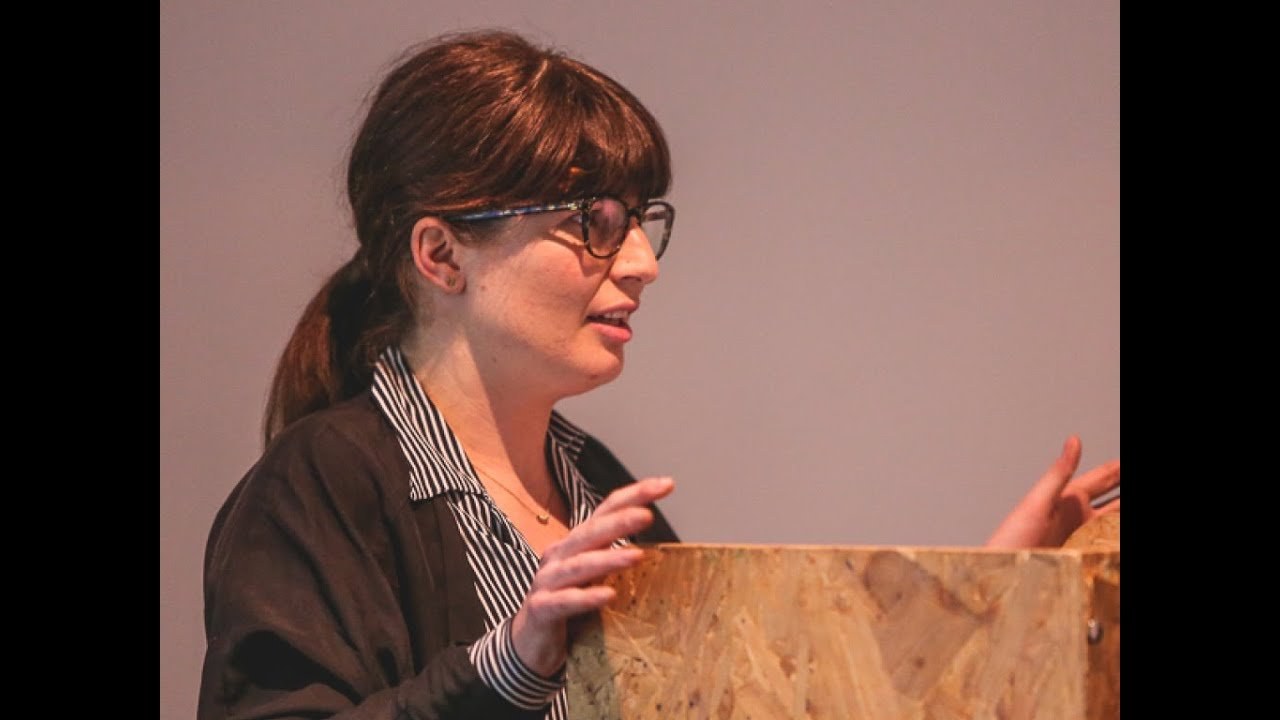
“If you feed a cow a kilogram of grains it will give you one kilogram of beef. If you give the same amount of feed to a cold-blooded insect it'll give you between six and nine kilograms of meat.”
Hi thanks for having me so yes mentioned I'm part of a start-up looking to introduce insects as a source of protein in the West a sustainable one there's four was in the team marry one of them is sitting in the audience who cut him later and we started this project as a graduation project in a course called innovation design engineering which is half at Imperial College where the engineering and science but go on and the design part at the royal college of art we were looking at a project that allowed us to look at sustainability in a more kind of commercial and and systemic way.
And we were really interested in food security mostly because of the numbers you can see here so a 2012 when we started the project 7 billion people we needed 20 Giga calories to maintain the world the the problem is by 2015 I mean we're struggling is is but we're going to have nine billion people at least and because of a rise in living standards which is a good thing we're going to need a lot more calories proportionally because we're going to need more protein so we need alternatives and basically.
That's why we got really interested in insects so insect are incredibly efficient maybe you've come across some sort of numbers it has become a bigger topic in the last few years but basically if you feed account and kilograms of grains it will give you one kilogram of beef if you give the same amount of feed to a cold-blooded insect it'll give you between six and nine kilograms of meat and from that meat you're going to get more protein and less fat and a really kind of good balance of essential fatty acids and other ingredients so not only is it more efficient is actually very nutritious as well and there's a lot of research on this people have been looking at this for decades every time there's like a freak out about where protein is going to come from and they're looking at regulation at farming kind of how to scale it up with their chemical composition.
And so on.
And then you're like okay this all sounds really interesting I want to try this and you come across this and you go back to like okay why should I be doing this and and basically here is where we saw a huge opportunity for for design and mostly because when people see this.
This is what they think and a lot of these things you know they're yes or no like do they taste good yes or no but a lot of these are very abstract kind of intangible topics that can be addressed in more subtle ways so we started the project we first looked at all the things that were yes or no answers you know we went to taste them the flavors are actually great they're crunchy they're not going at all they taste while we talk to a lot of entomologists make sure they're actually absolutely safe so genetically speaking they're very different from us.
So if you wash them and cook them there's actually a lot less risks of anything happened then we do with our current beef chicken or whatever it is we're eating especially pork and also the fact that these have been eaten for millennia in different countries and even in modern cuisine a lot of cookbooks have been written so it's less weird than people expect it's going to be but basically still the problem is how do we generate acceptance in the West and how do we transform people's perceptions and so we started doing a bunch of experiments to see like how far we could push people and where exactly the pain points were when they had to eat insects or when we wanted them to want to eat insects and this is actually one of the more telling experience experiments we did and early on.
So we basically did this table with on one end we had this really abstract issues made of insects such as crackers or pates and then you know kind of moving on to burger is then two risottos and things that you could identify more all the way to the other end where you had you know very visible insects and we took people through this table and ask them what they would try and why and why not and kind of when they got here you know they'd say things that we kind of expected like well it's staring at me I don't know if it's alive or dead I don't think I could do it.
And then on this side you know okay I could probably try that because the form of the insect is destroyed but where we found the real insight were in some of the things in between so I kind of quite like this coat is like those look quite tasty they look like chicken goujons and and basically what this told is is that it's not necessarily about the insect is it's about food and it's about that thing that makes you want to eat something that it that it just looks like food like good work tasting things and and that comes from food culture so we started thinking like how do we create a food culture and and what does a food culture even mean basically what what tells me that.
This is a sandwich and I can eat it with two hands and that's acceptable and it can be lunch or dinner if I don't have enough time.
So we started kind of breaking this apart and thinking what what are the elements that we need to create in order to kind of create an artificial culture for insects that could be brought into the West and make this acceptable for us and how we see food and then once that would be created how do you introduce that so how do food cultures travel and become embedded and what we know is food so we started looking at different examples and sure enough like sandwiches and pizza are fairly easy but we found a really good one in sushi because 30 years ago like we actually found this Travel Guide which was advising I think it was British tourists going to Japan that they should watch out because the Japanese had this very like weird habit of eating raw fish and it was actually like hi Jeannie to do what have you really wanted to but you didn't have to it's you're like okay this is probably what's going on with insects how did they manage to adapted to what we do and why was that a success and so looking at that time line and how that was introduced we started thinking about this idea that food culture changes and basically you need something right.
Now that people can accept right now.
But then every year you need to push it a little bit more until you're at a point where people will just accept it you know in a supermarket or in a more casual way and that drove the store strategy so we became quite interested in this idea of the Trent adoption curves and how you know there's a certain pattern into how things get adopted and in this case for food we said okay will you start with the adventure which is what we see is the early adopter and that's someone that's after you know the new exciting thing and they're going to probably try insects in a festival when they're drunk and it'll be fun and that'll be it.
So that's you know a way to start.
And then you can move on to the foodie which is going to be looking for the experience and they're going to be looking for something really special and the flavors and and the whole experience altogether. And that's probably going to be something that you know you'll do once every few weeks it's more of a restaurant thing.
But then that will allow you to get people familiar with the idea that insects are good food and you'll be able to move into people that are doing this for ethical nutrition reasons and these are the people that are going to start having this as a lunch or as a more regular thing.
And then later on down the line that'll eventually reach the people that will do it for the convenience so essentially that we don't two veg guy so if we go back to food culture like how do you create a food culture and how can we do it.
And that's when we started thinking of brand and and essentially how a brand is a culture and and what kind of culture we can create around insects so we can tell people you know insects are filet mignon because clearly they aren't but there are things that insects are that might not be the first thing that comes to mind when you see them as something you have to eat but it definitely exists in the kind of collective unconscious such as the fact that they're natural their playful they're futuristic and we can we can take on these things to create something that reminds us more of spring and freshness and butterflies and Lady birds and all the good things.
And then we don't have to think about all the other things that aren't necessarily the right associations so with this we created our brand we we decided on the name until enter mosses insect in Greek so that's where worth like entomologist or entomology come from we focused on on fresh colors we kind of wanted to take an asian japanese and subtext to the brand to infuse this idea of control and cleanliness and new foods and we develop patterns where people could kind of clearly see that the food was made of insects but wouldn't necessarily see the insect in its most visual form you know it's a little bit of that cute insect idea.
And then we started looking at food typology and we decided to work on creating foods that were geometric so that I would kind of give people this trust and the fact that someone knows what they're doing and this has been thought through and it's controlled but at the same time that it's a new food so you can't a hundred percent recognize it as something else and that makes you curious. And we also created tools and kind of thought about rituals it would allow people to feel like this already exists that it's a real thing and they can trust it.
And then we had to think about flavors so we ate a lot of insects we still do eat a lot of insects and the thing is they have new flavor is there they're subtle like people think that you know it's this big taboo and you know that the flavors are going to be in recognizable but they're actually quite familiar they're just a little bit different from what we know.
So in order to combine them and create good fall color flavor combinations we started using this website called molecular food pairings which is related to this thing Heston Blumenthal does with understanding the structure of food and what goes together based on their molecular structure insects haven't been analyzed for that yet I think someone's working on it now but at the time it was more like we taste caterpillars and would be like they taste a bit like this doctor so what do pistachios go with and then we'd use that all right.
So we use that to create a database of flavors and then we work together with chefs to bring these into recipes and and that's how we created this.
So this is like the image that we used essentially for final exam at the time.
And it was his idea of how do we start with shared experiences that are fun for people that are willing to you know kind of taste this in a festival that it went off with friends then moving on to you know creating tools and experiences and that's where we brought in this idea of a cube something that feels like meat and then moving on to what we could potentially serve if this became more like fast food and a healthy lunch and the ethical nutrition side and then moving on to initial supermarket products by which we did things like croquettes or pates or things that people already understood as food so that they would kind of dare to buy them in a shop and use them in a familiar way.
And then and then from that kind of just pushing the envelope and that was a bit of a statement piece but but how do we then get people to actually you know just just buy the frozen insects at a supermarket and put them in there Bolognese at home and right.
So this was 2012 and we kept working at it we graduated we got a lot of attention I think it was a really nice thing to be able to put design onto this idea because basically so many scientists had been working on this. And it it kind of hadn't been given like like a visual identity or something that people could look and say oh I want to try that. And so when that happened people started kind of getting in touch an opportunity started happening and we just kept going with it.
So this is an example of an event we did actually with protein and grey goose vodka where we did a pop-up restaurant for three days and we collaborated with a catering company to dip a five-course menu and we made a point of wanting to charge for it whispers that was the moment of like should we turn this into a business this is what we want to do and the tickets sold out in two weeks and we got such a great response and it's this thing like you work on something as a designer and you kind of put crazy ideas out there but but then there's moments where were you really see it happening and you see the people interact with it.
And it works so after this response we said okay we're going to turn this into a business and and that's what we're doing now.
So we're collaborating with chefs doing events kind of traveling and getting people to try the food and finding suppliers and farms and figuring out how to produce caterpillar pates and mass amounts and we are also working on a Kickstarter campaign to start on februari so if anyone wants to try them go to our web page and sign up for the newsletter yeah that's it thank you
Latest Talks
-
Murugiah
Why you should reject the formula and make art about things you love
Watch -
Amber Weaver
How does contemporary type design translate into the wider world?
Watch -
Delali Ayivi
How does photography give us the right to imagine our futures?
Watch -
Will Anderson and Ainslie Henderson
Bringing stop motion sorcery to BBC’s Small Prophets
Watch -
Ollie Babajide Tikare
The importance of not flattening the complexity of observation
Watch -
Marina Willer
Design thrives when you find poetry in the simple things
Watch