
Jamie Hawkesworth is a photographer known for capturing the essence of The British Isles through spontaneous adventures and his distinctive creative ideology. He emphasizes the unique relationship between the photographer and the subject in his work.
Jamie Hawkesworth
Photography as the perfect excuse to go absolutely anywhere
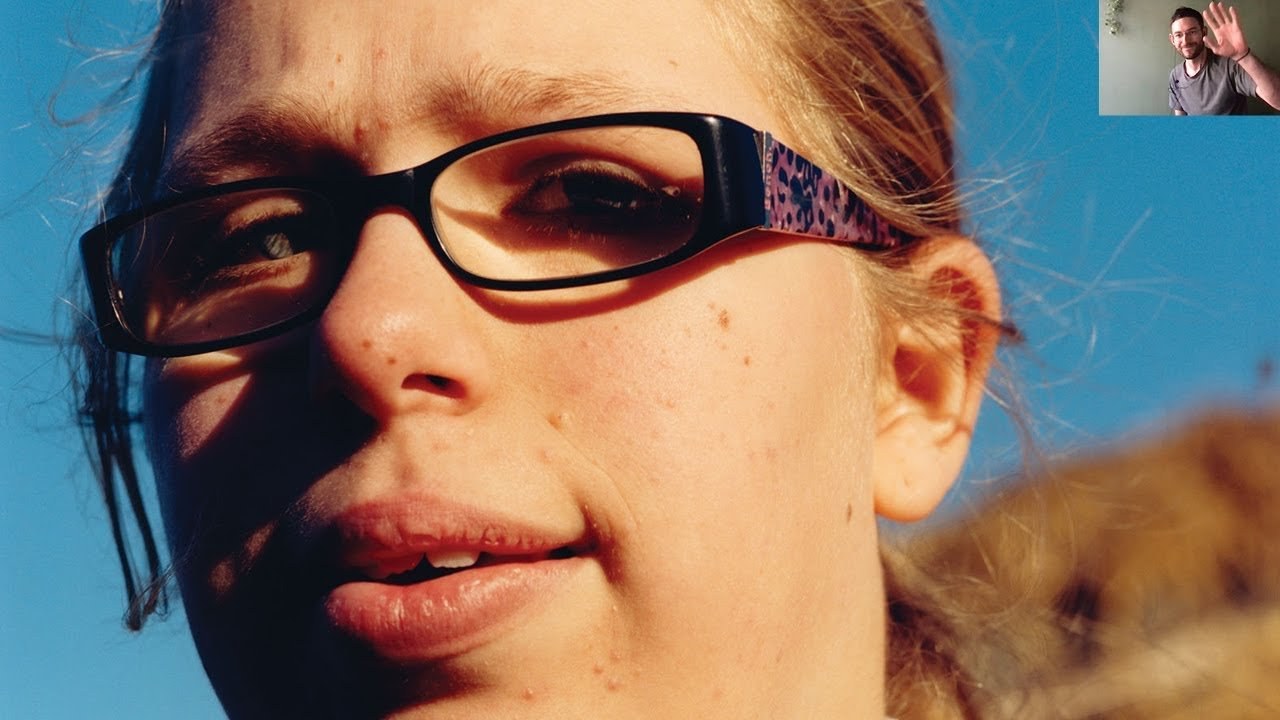
“Photography gives you the excuse to go places, to do things that you wouldn’t normally be able to do.”
Transcriptmay contain minor errors or formatting inconsistencies
Time now for us to meet our our second speaker and we're heading over to another side of london to meet jamie hawksworth now so jamie's a suffolk born photographer who found the medium via a forensic science degree believe it or not and he since built a reputation as one of his generation's greatest image makers creating work for the new york times vogue and alexander mcqueen to name just a few he rose to recognition first by photographing local communities initially documenting daily life at preston bus station in a beloved series of portraits taken over the course of four years in much the same spirit earlier this year jamie released the british isles a 300 page book showcasing 13 years worth of solo trips around the photographer's home country the result is a thoughtful photographic survey of britain today created with curiosity and care we're very very happy to have jamie joining us today so hello hello jamie hey matt hi how are you yeah very good thanks thanks for the kind introduction there not at all no thanks so much for joining us and yeah I'm very well as well thank you yes I guess as per our new look nicer tuesdays you're not going to be giving a talk this evening jamie instead I get to ask you lots of questions but also so does our audience so just another reminder to everyone like you did with hannah if a question pops pops in your mind do put it in the chat and I'll do my best to ask it before our time with jamie is up.
So I guess my first question jamie is really you've traveled extensively throughout your career as a photographer and you've created a book about antarctica you've created a film in higashicho in in japan where did the desire to create a body of work about the british isles stem from yeah. So it originally kind of started very early on where when I first like like you mentioned there when I was studying forensic science then I switched to photography because I came to photography quite late I quickly realized that that I I really I I really fell in love with kind of fiddling around with the camera and kind of trying to work it out and spending time in the dark room and I realized that if I just hit the streets and talk to people and and interact with strangers I can very quickly learn about photography and the way to use my camera and the way to talk to someone so very early on I basically just kind of walked around an awful lot.
And that's kind of where that kind of spirit of just kind of going out and taking photographs kind of just came from because I I just it it just made so much sense to just spend time. Actually taking photos so that's kind of how it started right back in 2007 basically yeah it's maybe worth having I know you've spoken about this before jamie but it's maybe worth having a bit of a diversion before we come back to talking about the british arts just to talk about how you I guess made that transition from forensic science to photography it's a pretty extraordinary swap I guess in terms of like life direction and everything else yeah it was it kind of came out of nowhere because the the the in preston they had this incredible street where they made mock crime scenes where you would go in on a friday morning and collect evidence and you would take the evidence back to the lab and then you would document it very objectively with cameras and that was generally the first time I probably properly used a camera and I couldn't I couldn't quite believe that you could use a camera like that to to to document evidence essentially and I kind of just I and and to be honest in that moment it was quite a I I I I wasn't overwhelmed with photography I thought well.
This is kind of interesting and then. Actually I am I failed my law degree of my law part of the degree and I wasn't quite sure what I was going to do and on a bit of a whim I then switched to photography and within literally a week I couldn't I I just completely fell in love I could just I just couldn't believe it I I couldn't stop talking about I couldn't stop thinking about it I couldn't stop being in the dark room and I just got kind of I don't know what it was but I think I think I think what it was to begin with that for the first time I could actually use my hands to play around with something and to make something as if to go into the dark room create a handprint and to load the film and be really tactile and the cameras are really heavy and also it kind of again for the first time it kind of gave me an excuse to be curious about things that I never ever would have ever thought that I would have been curious about for example going outside and approaching a stranger and asking to take their portrait you know a couple of months before that before I did that I would never would have thought to have done that.
And it and it's it's I think that's what's so special about photography is it gives you this excuse to to do things and go to places and appreciate things that you might not normally do so I think that's kind of where that fascination started I think it's an amazing amazing story and what a journey from that you know from that course to to photography and where you are now it's really amazing and I guess in our feature that my colleague lucy borton wrote about the book you explained how much of the work was kind of created spontaneously almost and you're not actually a huge fan of kind of researching endlessly your subject subject matter and it might be quite surprising maybe for some some people in the audience to hear that can you just explain a little bit more why you feel that way that. Actually spontaneity is good that you know knowing too much can be a bad thing or researching too much can be a bad thing yeah yeah.
I think in my experience particularly with photography I think I can kind of stop myself if I try and overthink something or if I if I sit at home and be like oh you know I want to say this about hartley paul I probably wouldn't go because I'd be so overwhelmed with what that means and I think that there's such a likeness to to not having an idea and to just picking a place that I hadn't been and just to go and and also from my experience I just love that sense of of a journey you know not not knowing where.
I was gonna what I was gonna come across and and the unknowing and the sort of chance nature of who you might meet or what you might see it felt so light that that it felt really approachable and kind of more accessible to to approach things like that and also I do think again in my experience if you have that kind of lightness then things can open up quite quickly in a very normal situation so someone's hair might become extraordinary or a puddle or a bench can become incredibly fascinating simply because there's no real agenda so so there's endless possibilities so I think that's kind of that at the heart of the british isles and at the heart of just exploring what's on your doorstep or your home essentially is is that that there's just endless possibilities and I think that also something very normal can become quite surreal you know even this picture here with the guy's glasses and the little union jack badge on his jacket you know those things I never would have ever thought that I would have come across but it's it's those types of things that that become that I just really enjoy looking at and and trying to kind of find I suppose and it's worth saying as well some of the places I think you touched on this briefly just now but some of the places that you visited were also chosen spontaneously right you kind of went to houston or some pancreas station and just kind of looked at the board in some cases isn't that right yeah no complete and I mean the majority of the book it is exactly that like here here for example that's in untz which is the the furthest point north in the shetland islands and I I was just in london I was like right I'm going to google what the furthest point north is and it was so I was like right I'm going to go and it's kind of yeah and even I mentioned before but even just seeing the word hartley paul for the first time on the border I think it was at king's cross it it's like what what is that gonna look like you've never even heard of that place before. And I must say that I particularly very early on I was I was so now looking back even I was so surprised how little I knew about the british isles in that you know I never even heard of hartley paul which is kind of crazy to think about.
But I just hadn't had that interest before.
So it kind of it really put a fire in my belly to kind of just explore really. And I mean this is going to be a difficult question because this is 13 years worth of solo trips around the british isles as we mentioned but were there any I guess what were some of the the destinations that really took you by surprise maybe most took you by surprise and and why I appreciate that's a hard question to answer yeah it's a tricky one I think I think the outer hebrides was kind of amazing only and I know I say that because I basically had to I had to get a a ferry from a place called ullapool which is on the west coast of scotland and I'd never obviously I've never even been to a liverpool and the fact that I kind of I was like right I'm going to try and get out of hebrews I have to go to this place called ullapool which kind of sounds bonkers and brilliant and and and go in there.
And then catch the ferry to the outer hebrides and having no idea. And I turned up.
And I as soon as I got off the ferry I kind of saw this kid with this incredible haircut and I took his portrait. And it it's just little moments like that that you can go all of that way and you come off the boat and then you find someone and you have that interaction with them and they I'm lucky that they say that that kid said yes and it's I guess it's just moments like that in a place that I had no idea like the outer hebrides that it it beca you know to be honest it's really difficult to pick a place because the shetland aligners is also like that.
But then also really normal places kind of like liverpool leeds newcastle manchester and then if you go through the midlands and sussex and down to land's end or wales I remember I went to bridge end in wales and then when I arrived there was a sandstorm and it was bonkers it was like this little there's in the book there's like a kind of picture of a small guy walking through the sandstorm and I took that picture and then. I found all of these incredible looking girls on a pier and I took their portraits so it's kind of yeah there's so many places that were kind of there was a picture just there previously of a big open landscape and that was actually in a place called cape cornwall down in cornwall. And that's also you know turning up there and seeing that guy just come out of nowhere and completely transform that landscape you know was also really great so it's kind of yeah it's difficult to to pick a particular spot but and you know these pictures here were taken in south shields in newcastle and there's a there's a picture of a pram with some candy floss on it and and again to to see that in reality and take and it just come out of nowhere was kind of amazing as well.
So that yeah there's a lot of those sort of moments that's brilliant yeah to see that that that range even in that answer is incredible but even though I've seen that I'm sorry no I was just going to say even the guy there with the black suit on with this with the glasses that was actually in turk pike lane in london and again just to kind of be walking around and then see a guy in an outfit like that and for him to say yes to having his portrait taken you know all those kind of things align and it's just really just such a so I'm so lucky that people say yes to having their portrait taken really yeah absolutely there's lots of questions coming in from the audience which is fantastic I'm going to save them just for a few more minutes but I will I promise I will get around to them yeah as I mentioned I guess this book you know it's been 13 years in the making and it's been sort of like it's been building as a body of work alongside the rest of your photography has it been challenging keeping sight of that bigger picture of what you're trying to do over that kind of time frame or is this one of those projects that's really only come together you know in the edit as they say yeah exactly I never to be honest it was never ever a project about the british isles really it was more it was always about just just going to a place and just to and and and just because I hadn't been there and just to explore like I I really you know it was really yeah I never kind of want to go to a place to try and sum up that place it was more just it gave me a really great excuse to just keep taking pictures because I hadn't been there before. And I just kept doing it and doing it and doing it and and I really held quite tightly onto that idea of of being spontaneous so even with some some even with work that was sometime commissioned I always kept that kind of spirit you know even if I left the country for example I would kind of continue that way of of taking portraits or landscapes so it was always really important to me to just keep it very spontaneous. So it it was just never a project until maybe two years ago when I started to really look at what I had and I had this big wall opposite my dart room and I started printing these portraits of say for example the east coast and I realized after a week of printing I was like hold on a minute I've got hundreds of portraits here.
I did you know I can really I could put these all together and and there's the british isles over this period of time.
So it kind of it was quite a natural way of putting the book together in a in a funny way because I think if I if I really thought about it and you know 13 years ago said right I'm going to do a portrait of the british isles I I most definitely wouldn't have done it. And it's kind of because it just felt it would just feel like an impossible task I think that's really interesting so yeah it wasn't kind of going out there searching for these themes you were kind of the themes have almost come through from the body of work at a later date I guess yeah I I think I I do I do think and this is easy to say in hindsight but I do I do think that if you're just very as a from from a photography perspective if you're just very curious in the now in that you're just out there then.
I think naturally though themes and all sorts of stuff and and what people might take from the picture they can kind of naturally just sort of come out because there's quite a lot of space around a portrait of a of a teenager because because then because they're just of the nap they're just so you know they're in the moment it's kind of it allows for many different things I think yeah absolutely I mean what's really strikes me.
And I'm sure I'm not alone in this is is that the work yeah that kind of feels like there's no judgment in it almost it's almost like it's trying to be as objective as possible a survey of britain which feels quite unusual in a country that you know often feels and is often talked about as being very divided and very polarized was that something you were really concerned about as you shot and then as you I guess edited the work you know over over the years kind of really trying to make it objective and not too yeah I guess not not too judgmental yeah it's a good question I I I I think when it came to the actual edit I was all I was it was really difficult to edit down because I just you know everyone was as important as everybody else you know and particularly in reality you know when you get off at a train station and you ask to take someone's portrait and they say yes or no and then you go to the next person.
And then that leads to the next person then that leads to the next person when you see that on a contact sheet it's all really special because of the experience in that moment so when when I came to the contact you know when I came to the edit I think I remember saying to mac books that I really want this book to be 450 pages or something absurd like that.
And then they kind of forced me to kind of in a in a good way kind of whittle it down. And it was and it was really really difficult but I but it was but to be honest I never really thought about that as a wider idea you know that we're a divided country and and things like that because again I think as soon as in my experience anyway as soon as I start to think about that and that that there's that agenda there it can tr it can completely change the feeling and I and I and I was really conscious that I just wanted to keep as much space around this project as possible and so to be honest in terms of editing it was more just I being very sensitive to my experience in that moment and I wanted to include all those people that I'd stopped yeah I don't know if that makes sense but no absolutely it really does yeah and there's a couple of questions from the audience that are about I guess you know how you interact with with your subjects which we I promise we will come on to I've just got one last question which is about your the printing process which I I know you do kind of individually by hand why is that process so important to you.
And I guess yeah what do you think it gives to this this body of work and and now this book yeah yeah I've always yeah I've always printed myself mainly because I very quick to be actually to be honest when I first moved to london. And I was trying to you know figuring stuff out I remember I went to a lab and asked some and paid someone to to print and to be honest in that time when I first moved to london it was so expensive to get someone to do a hand print that I was like there's no way I can afford to do this I'm just going to have to learn myself because it's so much cheaper so to be honest when I first did that that was the reason was because logistically it was quicker it was cheaper I could spend all night in the dark room printing like a madman and no one would have to tell me to leave so I kind of I did that.
And then I and then I very quickly learned that obviously your experience and your sensitivity to color is such an important part of being a photographer I think so I kind of held extremely tightly onto that idea. And I kind of when I did the preston bus station series for example I I was really conscious that I wanted the pictures to be very warm just because I felt like they'd feel much more sensitive to that place because actually in reality a bus station is freezing cold so I I kind of warmed up the pictures and I've kind of always kept on doing that.
So yeah that's kind of excuse me.
That's kind of where where that come from very interesting yeah if anyone yeah hasn't seen that preston plus bus station project you absolutely must dig it out and have a look at it it's absolutely amazing as promised I'm gonna get through the yeah get through the audience questions now now jamie these are gonna go slightly all over the place but they are great questions I promise so cassian asks was there a defining moment when your photography career really took off what would be your best advice to a photographer emerging into the industry so I guess two questions there really what was that defining moment when you felt like it had taken off.
And then any advice to an emerging photographer yeah it's a good question I think to be honest when I when I made with a friend of mine I made the newspaper I made a newspaper about preston bus station before the book I got asked by my old photography two to adam murray to come to preston to do a weekend to create a newspaper and we created the newspaper and it had I think I took four portraits and a portrait of a chair and I basically handed that out across london to all kinds of different places that I really liked and I started to get a very very healthy response to it.
And that's kind and then. I got an agent and kind of things went from there.
So I actually really do think that that kind of little newspaper and it had a picture of a girl on the cover and it just said preston bus station it kind of I think people really responded to it. So it kind of it kind of got my foot in the door I think and I think to be honest I can't remember fully the second part of the question was it kind of how how to get noticed what was it was advice to an emerging photographer.
But I guess yeah you know that. That's definitely part of it isn't it yeah.
I think just to kind of and I also what I did a lot was I when I used to go away on the weekends to take to take these a lot of the pictures that are in the british isles I would kind of put a portrait next to a landscape and send that to people and say oh I've just been here this weekend this is a portrait I found and this is a landscape I took and it's very simple and I I you know nine times out of ten I wouldn't get a reply but then the occasional I would get a reply and I think just showing people work is also but then again you know.
That's not necessarily because sometimes it's very difficult to show work and you're so close to it that it's actually very hard to show people that work.
So I kind of like yeah it's a really difficult difficult one because there's so many ways but I think in my experience I kind of just showed people the work yeah that's a great great advice definitely there's one here from benjamin would you say your forensic science degree influenced your method of working yeah without extensive research preconceptions to help you think entirely objectively really interesting question there about that kind of forensic science background that you mentioned yeah I mean if I'm really honest I don't think it did because I think it was such a it's so it's it's so you know obviously going into a crime scene and collecting the evidence and then being told right you've got a photograph photography subjectively I don't actually think that when I take photographs it's subjective at all in that it's very subjective in that you know I'm I am actually choosing those people to take a picture of I'm choosing to kind of take that landscape because I think the sun the light looks really nice and there's I think actually it's kind of it's almost the opposite of a forensics picture so I don't think it's kind of yeah I I don't know if that makes sense but I I weirdly don't think it kind of it did but it definitely sparked an interest which is thank god that that happened so obviously in that sense it could be completely it can it completely informed my pictures because it sparked the interest I guess actually so maybe it did yeah it's really interesting well it's a really interesting answer because I think I probably was the one who introduced that word objective which is probably not quite right.
But yeah it's a really interesting interesting response there.
And this is a brilliant question from liz with how incredibly spontaneous your work is are there any times when you missed a shot because you didn't have your camera or because the moment went by too fast that you still think about might be painful to relive those but yeah it's a great question yes a great question I think I think more so than than missing a moment I what's really frustrating is actually when when you ask someone to take their portrait and they say no and there's so many people there's hundreds of people that you know thousands of people that have said no and it's so and that's that's the most incredible incredibly frustrating thing.
But actually also to be fair in preston bus station for example when it was such a transitional place you know people you know moving through there catching the bus. There were so many moments that I saw that I missed because I basically right from the beginning I thought well if I'm going to take a port a photograph of someone and I can see their face I have to ask their permission.
So there were so many things that I saw that I didn't take a picture of that that in hindsight I guess I kind of find that I should I kind of wish I did but it was always.
So important to me right at the beginning for some reason I should I should definitely ask this person if I see their face so there was a lot of stuff that I missed because I could you know I it felt too it almost felt too observant you know like when someone's doing something really funny or interesting and you can see their face it almost felt like I was kind of snatching something which didn't quite feel right which I don't think necessarily is the case but you know because there's so much beautiful work that people you know that people do and it's still so sensitive but that you can see everything happening yeah I don't know if I'm going on a bit of a rant there.
But yeah that's great in fact on this topic megan has asked how do you go about asking to take someone's portrait because yes often you won't have that much time and you're trying to I guess imbue a lot of trust in a lot in not so much time.
So yeah how do you go about asking for someone's portrait yeah I mean actually just that picture before the pram of the two kids jumping up on the mattresses that's a great example of I I kind of turned the corner in a street and saw those kids doing that. And then. I just asked them to do it again in that in that instance you know I asked to take you know I I ran towards him and said please can you do that again please can I take your portrait.
And I tend to get quite excited I don't know whether. That's good or bad sometimes but and I and I just run up to someone and say oh your hair looks fantastic you know like this kid for example I was like god your hair your haircut's amazing can I please take your portrait and actually with those two pictures there in the book that those two that those two kids were actually mates and the the kid with the the red jumper he actually came around the corner while I was taking his friend's picture and then he let me take his picture and they had the same haircut it was like mind-boggling but so yeah I kind of just asked you know. I just got someone and said can I take your picture basically. And sometimes they say no and sometimes they say yes yeah interesting I mean this is a similar similar topic as well I guess it's about kind of how much you direct the people and your subjects so alex asks or says rather the portraits look very natural and comfortable you know with a variety of facial expressions do you suggest a facial expression to the person or the people or do you work with whatever they offer how much you kind of directing that sort of thing yeah it's a good question I ultimately I think it's always about just embracing the awkwardness or great you know if if someone does a smile or someone doesn't it's just kind of embracing that that and letting it happen because I think as soon as you start directing someone which can be fantastic and that's that's a whole nother thing.
But I in my experience particularly with taking portraits on the street like this it was always really great to just kind of shut up and let them you know not say too much. Basically and kind of just take their take their portrait yeah because a bit because also again like if you just if you're just if you're just appreciating that in all its glory and however awkward it gets it can it I feel like it's such an it can it kind of becomes quite an honest portrait somehow that's really interesting I think it's also yeah great advice for kind of emerging photographers starting out like how much should you be directing people how much did you let their own personality come out it's it's a fine balance I think all the time isn't it yeah and I think dominic sorry I'm sorry no no god sorry no all I was going to say was actually also just in terms of like prac you know like you were saying about kind of younger photographers going out and trying that I also do think that when you when you when you do that and you just embrace brace it all and see what happens and then when you get back to the dart room or the computer and you look at the contact sheet I do think that in the moment like what you know if it's in a couple of hours later or a few days it doesn't really register how special it was to to allow those normal things to happen as in you might look at and go god that's an awkward smile that really doesn't work.
That's not a portrait or something like that and one thing I haven't experienced from doing this project is how much time changes the way a photo feels like the most awkward silly smile or the you know the most like I don't know the just just all the most normal looking person given give it given a bit of time can become extraordinary and I do think that. That's that's one thing I've kind of taken from this whole project is that you know because in reality walking around taking people's portraits isn't that extraordinary in the moment in the in that you know it doesn't feel like this really special thing it's actually you're just kind of plodding along carrying a heavy camera taking a portrait.
But it's that then give that time. And then it. And then it become.
And then it becomes it opens up even more I don't know if that makes sense but yeah absolutely no it really does yeah and I guess for over 13 years you have that opportunity for things to kind of mature in that way dominic says you must have taken thousands of images I'm sure it is thousands how long was the selection process over the years.
And then when did you feel like this is the moment to collate it I think you said it was about two years ago.
But yeah. So two questions there really when did you feel like this is the moment to start collating and then how long did that selection process actually take yeah.
So I it was about a couple of years ago where. I just I think I can't remember who said I think it was a friend of mine just said oh what happened to all your portraits that you used to do around great britain you know where are they because he'd never seen you know never see because I was always saying I've just been here I've just been there and he hadn't seen any so I was like yeah bloody hell I should really look at all that. And that's kind of where I then started like I was saying about the big wall opposite my dart room where.
I started printing and seeing all the portraits I had and then yeah. So it kind of the reason it took. So long was because it just took. So long to print everything that was kind of why it took a couple of years pretty much to to actually just have have the physical prints in front of me that I could then work with michael and morgan who designed the book and worked for work through them all. And I kind of just had a massive space where I kind of printed out all of the pictures and then just kind of played with them really for for about six months once I'd printed everything.
And then the book kind of took shape then yeah wonderful one final question from jody I think we're just about out of time.
But the last one is I was wondering what draws you to a particular image how do you make a selection on which photographs you want to exhibit or I guess in this case put into a book what is it that kind of draws you to an image is there is there some kind of yeah secret formula there yes a really good question yeah I don't know. Actually what actually what's the what's the defining thing it's a really good question I have no idea.
Actually I guess different things in different situations maybe different types of photos yeah yeah yeah I guess there's sometimes like I was saying about the portraits is that again given a bit of time there might just be a gesture that someone does like I think there's a there's a picture that you've had on the slideshow of a of an older lady kind of leaning on a post and her feet are in the air and it was just like though you know a real gesture can come out of no I think doing the preston bus station series really taught me how to to to appreciate just really normal gestures because obviously I was in this space and I was just walking around the whole time it because it became kind of a magnifying the whole place kind of magnified all of these kind of really normal gestures so I think when I look at contact sheets now. And someone's doing just that the smallest gesture that kind of really makes that a really honest picture I kind of kind of run you know I run towards it and print it because it because it kind of yeah it just feels really you know this kid here for example obviously that's an incredibly cheesy smile and I never would have printed that 10 years ago I'd have I would have come back from I think that was newcast liverpool I and I would have looked at that content contact shooting god that's a cheesy smile but now given a bit of time. And in the context of the book it kind of it could you know it just it it takes on a whole nother meaning so yeah that's kind of and then obviously with pictures like that of the pram it obviously that's such a surreal moment so those types of things can kind of jump out as well fantastic what a great what a great question to end on jamie thank you so much I'm afraid we are gonna have to leave it there I'm sure I could talk to you all day about this but thank you so much for joining us nice tuesdays pleasure thank you
Latest Talks
-
Murugiah
Why you should reject the formula and make art about things you love
Watch -
Amber Weaver
How does contemporary type design translate into the wider world?
Watch -
Delali Ayivi
How does photography give us the right to imagine our futures?
Watch -
Will Anderson and Ainslie Henderson
Bringing stop motion sorcery to BBC’s Small Prophets
Watch -
Ollie Babajide Tikare
The importance of not flattening the complexity of observation
Watch -
Marina Willer
Design thrives when you find poetry in the simple things
Watch