
Ione Gamble is a founder of Polyester Zine, an independent publication that focuses on underrepresented voices and topics in the creative industry. She has built a platform that celebrates diversity and challenges mainstream publishing norms through various mediums, including print and digital.
Ione Gamble
Behind the scenes of making your own indie publication
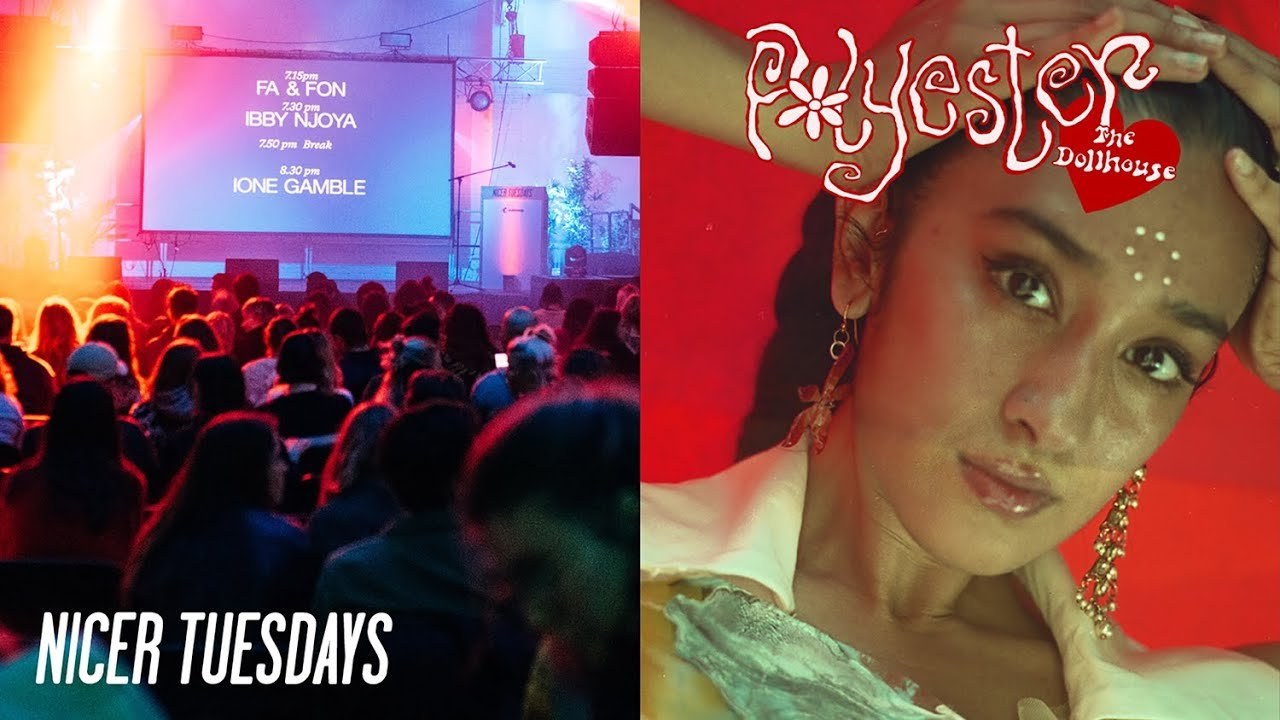
“Have faith in your own bad taste.”
Transcriptmay contain minor errors or formatting inconsistencies
[Applause]
hi everyone and thank you kieran for the lovely introduction and thank you to it's nice that for having me as the slide shows I'm Ione Gamble I am the founding editor-in-chief of polyesterzine I founded polyester nearly eight years ago when I was in my second year at university it was very similar to the first speaker's story I was at fashion university not central st martin's I went to a worse one and I was just bored about hearing about minimalism and about how you had to be into a certain type of visual aesthetic to be considered intellectual or political or basically of note and it was just completely at odds with all the things I loved I was spending a lot of time on tumblr at the time and seeing this kind of like emergence of female and queer artists really kind of paving the way with a new aesthetic which was like very pink very fourth wave feminist very like turning ahead on the stereotypes of femininity we've seen and I found it really interesting and was wondering why these people weren't being featured in the bigger magazines so I thought I'll make one myself our tagline is have faith in your own bad taste which is actually a john waters quote I didn't think of it. And I'm definitely not clever enough to but I think it really like sums up our core ethos which is like a rejection of everything we're told is good everything we're told that is like serious and worthy of time which is so often rooted in like racism classism ableism all the ix and all the isms and really finding something that like rallies against that so eight years on we are still self-published and independent which I think definitely has its prose and hasn't always been easy but it's definitely worthwhile polyester kind of like nurtures emerging voices while uplifting the narratives that have previously been ignored so it's kind of really important to me to seek out new talent and exciting talent I think another thing that I find particularly boring about a lot of mainstream publications is that you know it's the same photographers that shoot it's the same talent that you see kind of cycled through the covers month by month and it's often not all that relevant to people.
And it's peddling this kind of backwards vision of aspiration and that you'll never achieve it. And so you should look up to it and buy the things that they buy to be a bit more like them polyester is kind of the opposite of that it wants to be inclusive it wants to be welcoming of everyone and it really wants to put like the people and the bodies and everything front and center that you just wouldn't really find anywhere else so we have a few different outputs thank you we have a few different outputs and I think this is definitely one of the perks of being self-published it's print podcast and digital and of course social media and of course pre-covered maybe now we'll see events I think it's really important as someone that like you know didn't come from money doesn't have like an income stream to like you know put so much cash into the magazine to like diversify your output which I'm going to speak about a bit more our audience is obviously like very female skewed but also obviously take that with a pinch of salt as these like methods of collecting data often don't you know include non-binary people and stuff like that.
But yeah I'm going to talk through a few of our outputs and like how I found making them so print was our first medium that we used I studied fashion journalism and polyester actually came out of a project so as to make a magazine basically very simple and then at the time I was kind of like reaching out to all these people are seeing on tumblr that I considered to be like idols are extremely influential and they all said yes really quickly which made me think there was like a thirst for it.
So then I self-published the first issue with my student loan and since then it's always kind of run on that.
So the money from the last print makes the new print we are self-distributed still which we definitely wouldn't have the magazine if we took a distribution deal and that's because like once you get into a distributor if you want to be in like news agents stuff like this they take like 40 of your cover price so if you're trying to remain inclusive and you want like a five pound cover price which is what we have you're making like a I don't know I can't do maths but like a pound by the end of it.
Basically it's just like not worth it so what we do is like we just do everything through online sales I think like now more than ever someone is much more likely to find you through instagram or tick tock or whatever than they are through news agents news agents are nice for like prestige but also something that I want to break down about print is that it is a prestige thing that you have to be like monied or you have to have the right connections or you have to do whatever to make it we still print using the same printer that we use for issue one because it's still the cheapest and like those resources are out there. And we really see print as like an explorative medium because like we don't really do print advertising which I will discuss a bit more in the next slide it means that it's like much less censored than the internet actually like on the internet we obviously have to think about like censoring nudity even like censoring political messages censoring all of these things where print actually feels like the freest medium I think it's very easy to get bogged down in like you know print is elite you have to be really special to go and print I think that's where our like ethos as a zine really comes through because we really have like that diy ethos but with the production of a magazine I think that's something anyone can do if they really want to make and I don't think you should be like put off by the intimidating like aspect of it.
This is some of our like covers over the last eight years and you can see we've kind of like not only explored like a weird like off-kilter distribution method in terms of like one year we'll do three zines and the next we'll do none we also explore like doing completely different scenes within that.
So we have like quite unquote normal issues which is like the polynor cover that you see the issue one the cupcake cover but then we do like essay issues we did an issue called non-threatening boys which was looking at like masculinity and changing masculinity all shot by like female and like female identifying and non-binary photographers and stuff like that.
And then we did the beauty issue which is like this gorgeous flamed bush that you can see and I think it's just like we all kind of have like silly jobs in the creative industry and it should be fun so I think as much as you can don't get bogged down in like what you should and what you shouldn't do saying that this was our first brand affiliated issue with valentino and we put this out last summer it was called hot vamp summer and as you can see we worked with talent because like brands equal money which he'd call like big big talent which is very fun and means that we can get people like gemma collins and also z-way I don't know if people have watched her amazing talk show this was like really interesting because I think especially as someone that runs a feminist publication it can seem like brands are the devil a lot of the time that you know they'll straighten your creativity they'll do this they'll do that.
And this was like kind of a dream assignment because it started as just a small online content like series and then it grew and grew and grew into what was actually our print issue obviously working with talent is interesting and shooting the z way cover was especially like challenging because it was shot in new york when the travel restrictions were still in place I mean saying that we shoot a lot in america anyway. And I've never been on a shoot in america because poor lack of funding but it was like especially hard like seeing us have our like first new york event because they then did a launch event for it and the first like big big shoot and like I wasn't there.
But I think it just again goes back to like doing what you can with what you have and I think that's been polyester's like the reason why we've been able to like hold success and gross deadly is because we've never like worked above our station we've never thought oh here's all this money let's just like piss it away really quickly it's about kind of making small incremental changes and also adapting so kind of one of that all those adaptations is podcasting which is something we've been doing since 2019 and like as you can see from our like this deck we're very like visual publication and often it's about talking about like you know how aesthetics can be intellectual and all of these things or like questioning what we think but I was really interested in podcasting and getting into it because I was kind of just sick of hearing about women being murdered on podcasts I thought there was definitely a gap in the market for like women and people of marginalized genders to talk about things they were actually passionate about so one of our kind of we have a couple of rotating formats one of them is obsessions where we get creatives to talk about something that they love that isn't their job because like while we all love to like host on about what we do hopefully we do have other interests as well.
And it can sometimes make for a more interesting conversation and also it's a way into the work just like another way because so many things inspire different people.
And then our second format which we've revamped recently is a sleepover club I think this one is one that I've been really enjoying recently because it's like a very reactive and I think we're in such a reactive time in social media that we can just take like micro trends on tick tock and chat about them for half an hour which is something we can't do in the print scene because the print scene might be on a shelf for a year or like six months minimum so like we can do a whole print feature about goblin mode and in six months people will be like who the hell is julia fox like it won't make sense but one thing I have kind of trying to been working on for like the last couple of months is bridging these gaps so doing editorial with podcasting and this is something we did with chloe cherry who is faye from euphoria we shot her while she was here.
And then the week of the euphoria finale it came out. And it was great because we could tie it in to a current podcast topic we were talking about which was bimbo-ism online and obviously like chloe cherry is like a modern bimbo in a great way not derogatory at all I promise and then we got to shoot this lovely editorial with her. And I think it's about for us it's like if you don't have money so we've never been able to like you know do paid spend behind our content do like anything like that.
But it's like how can you make sure that people are seeing the content you want them to so with a podcast episode if you have a very visual audience yeah it can be hard to cross that bridge so like do some pictures I think we have so much opportunity social media can seem really stifling for creatives and I understand that but really all the work is there we just have to think about how to utilize it.
So we did like tick tocks of her with the podcast over the top we then did like found footage of her and not found footage but like you know archive footage of her and euphoria along with the editorial images it just makes it way more shareable I am running over time which I didn't think I was going to do but the last thing I'm going to talk about is membership which is something we did in covert like we bought up in clover because obviously everyone was themselves about how to make money so we started a membership platform this is also response to like how bad social media has got on with censorship and like where.
I found community when I was like a 19 20 year olds on the internet now you're just kind of fine sponsored content influences all of these things I think it's a lot harder to find your people.
So the polyester membership platform aims to do that.
And it's basically just an extension of all our other content we do like by monthly yeah that makes sense bi-monthly digital covers with people like miranda july or minalei who is a fashion historian on youtube or yay hello who is a fashion designer and these go out as exclusive editorial like pieces just for our members it's also like scaled I mean you can talk about accessibility something you have to pay for it's like ultimately not accessible but that's why we have the podcast as well which is free and like all of these different things the thing about our members thing as well as it's like community focus so even though it is you have to buy in if you have a successful submission not only do you get paid you get a free membership and also all of the member income is our commissioning budget anyway sorry that was a very brief run through but thank you very much [Applause]
Latest Talks
-
Murugiah
Why you should reject the formula and make art about things you love
Watch -
Amber Weaver
How does contemporary type design translate into the wider world?
Watch -
Delali Ayivi
How does photography give us the right to imagine our futures?
Watch -
Will Anderson and Ainslie Henderson
Bringing stop motion sorcery to BBC’s Small Prophets
Watch -
Ollie Babajide Tikare
The importance of not flattening the complexity of observation
Watch -
Marina Willer
Design thrives when you find poetry in the simple things
Watch