Hassan Rahim is an art director who is known for his journey from discovering design as a career to becoming one of the most respected practitioners in the cultural sphere.
Hassan Rahim
The art director who stumbled into design completely by accident
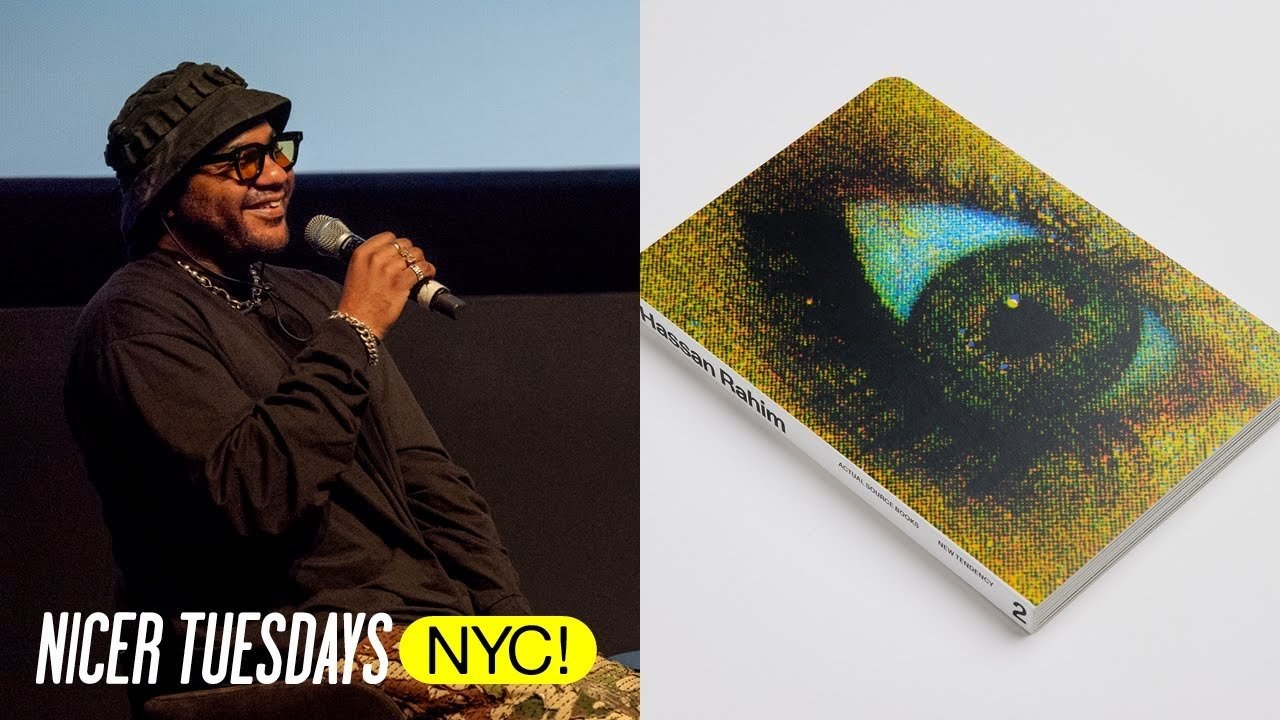
“I didn’t even know design could be a career until I stumbled into it—I thought it was just what people did for fun.”
Transcriptmay contain minor errors or formatting inconsistencies
[Applause]
hello yeah Hassan decided we were allowed to bring our beers on stage so hopefully we won't get in trouble I asked nicely I asked nicely will you cheers me cheers thank you cheers you guys thank you thank you to our drink sponsors so I'm very excited to chat with you we've been zooming a bit we had a little lowkey FaceTime recently but this is our first time meeting in person the meeting of the Twitter Minds I feel like I don't have a good grasp on whether I've not I've met someone in person because I feel so familiar with you yeah we have a followed you for a long time Tito Tito and I'm like Wait no that's definitely you yeah didn't like you know.
So I do have some prepared questions but obviously we're just going of kind of shoot the a little bit but just for people who aren't familiar I kind of wanted to start with a little bit of like light intro you know mostly your work Brands so many different aesthetic influences from Japanese photography to car culture I'm really curious sort of where and how you find your inspiration and also specifically what's inspiring you the most right now or has been most impactful on you recently okay.
I want to like distill that question I feel like it it's rooted in you're saying that my influences are versatile I am okay and I have to blame skateboarding for that.
So I think that like yeah I heard some snaps for that one no I think skateboarding was mind you I'm growing up in Santa Ana which is like a little suburb outside of La in Orange County and didn't really have a ton of like I think skateboarding wasn't cool yet it was like pre- Tony Hawk skateboarder and watching skate videos and like watching different skaters have like the different songs and different styles in their videos kind of like gave me the eclectic sensibility so you'd have like a biggie song and then a Black Sabbath track and yeah.
I think that plus like no I think it's just skateboarding yeah well the magazines too I know like Thrasher and you know there's obviously like trans world have such a sort of like visual impact as well yeah.
I think that like magazines were sort of a means to I started collaging my mom had like a really random like at home business she was starting to do like booking people cruises and like vacations from home so she had one of those little you know the like classic internet like wood desk with the slide out keyboard tray this is I always call this back when the internet used to be a place I mean a place in your home that not something in your pocket which like dates us at a very particular age yeah or I don't know how kind of old but we had that little place and that to me was this little Sanctuary because the outside world just kind of was not very stimulating sometimes and this little fax machine she had was I would take my sister's fashion magazines or we'd go to like Ralph's or CVS and we'd kind of like tear a page or two out of the Thrashers I' be like oh this is you know slide that out there I'd go home.
And I'd kind of run it through the fax machine and I started collaging with a lot of those little parts so I don't know I think that also like my sister's fashion magazines I wish I could show you guys that stuff god it's pretty embarrassing to be honest you still do you still have some of those yeah actually luckily I kept all of it in like a FedEx box so it's in the Deep storage unit I used to draw on like random like vinyl and actually. That's another one too was like just being totally broke and being like 15 16 my friend had a car so we would drive to LA and we go to a meba records and couldn't really afford like $20 records but there was always a dollar bin with like stuff we never heard of and in there we'd get like I at the time I was like what are all these records like who's Todd rungren and Bob Seager but the design was fire like there was just something really amazing about this stuff from the 607s and obviously they printed so much of it it was very popular music.
So we'd be able to get like $1 records that had later to find out all this art was by hypnosis storm thorgerson and their legendary design Duo who's probably one of my biggest influences but at the time didn't know I was like buying like 10 packs of storm thorguson yeah hypnosis records and like starting to draw on them paint on them and cut them up.
But that also comes from skateboarding as well yeah well. And I think your work still has a lot of that kind of sample culture and like this this bringing together of different moments from the past like both literally excerpting it and like sort of rehashing it or also taking Concepts and ideas and kind of reinterpreting them in a new way yes I feel like the the way that I call it flipping the sample so a lot of my I I feel like my process the creative process that I subscribed to from a really young age wasn't one of design because I did not come from a design background I didn't really have the resources to to know that design was a thing that you could do for a living in Full full honesty I just wanted to make skateboard Graphics t-shirts stickers got like ironon things from from R Aid we used to steal those too. And I think that at at a certain point I realized that like people were really into it and they're like hey you should do something for my company or do something for I was like this is you could do this for a living this do you remember your first commission yes I do it was actually it's a shirt for a skateboard company anybody hear skateboard am I talking to three people yes yeah let's go shout out. So it's a skateboard brand called Diamond Supply Co and I think they turned into like a Street Wear brand but it was definitely like a skateboard hardware brand but I did a shirt that was like a flip so again flipping the sample I got this iron maen vinyl I think what's the name of the what's the name of the record it's the one that has Eddie who's like the skeleton and he's got his hand like this as the master like a puppet anyways I photoshopped a diamond in his hand and then I changed the text I got something off def font of course I Still Rock def font like you. And I just when we first chatted about you coming here we had a whole discussion about this.
And I think the meme then got posted by Dynamo but it was like early career designers like here's defon mid-career designers do not use defon senior designers welcome back to defon yeah but like what makes it funnier is like it's the little the Ewok like guy one of them with like the black hood the monk one is like back on defon yeah that's how I picture you in my head yeah I'm in there I'm in there I'm on page like 250 255 you know people don't know about that but but yeah. So that was my first commission I got this Iron Maiden vinyl I scanned it I photoshopped a diamond on it I got a defont font just wrote run in since 98 or something which was the what he wanted me to put there. And it was interesting because like Street Wear and skateboarding was very I think it was a bit more hip-hop but there was a clash happening where. There was a brand there was a big brand called Baker and they had like a bunch of guys we used to call them Hesh but they would be like skating to rock and tight pants but then they also had dudes like Antoine Dixon who was like a black dude with face tattoos skating the Biggie songs and it felt like it was just so diverse and it felt real and inviting it felt like an actual community of people that. Actually with each other and wait where's it going well I was asking I mean I think something as someone who also is a fan of archives something I often feel is like designers are really afraid to show their references and really afraid to make them visible they feel like they have to sort of obscure the reference in a certain way to make it feel more like an original creation. And I think what I appreciate so much about your work is you very unabashedly show your references while also sort of transmuting them into something so different that it doesn't matter if you know where it came from it's become something different I don't know if you agree with that.
But I I would be sort of curious to hear more about like the process of how like that idea of flipping the sample like what does that. Actually look like in practice do you always know how you're going to flip it like what's the sort of impulse that happens yeah. I just don't think that you should hide your inspiration I feel like what's exciting for me is when I watch someone when I can see how somebody got from A to B I can see their paper trail I can see the things that they're obsessed with one of the things I talk about a lot is Obsession.
So I think some of my favorite artists or designers they have very clear obsessions almost like like ticks potentially you know it's a bit like Spectrum Vibes you know like to somebody that like has to turn off.
This is what gets you canceled I got the superism myself but like the I feel like the the obsession. And is is basically the thing that that makes the work completely like personal and to hide those things is inauthentic to me I think there's people okay. So here's another analogy and I think where.
I was going with the music stuff was my process I really see it more like Dilla or mad lib and I'm digging in the crates that's like a really important part of my process the crates can be anything it can be archive do or it can be um probably like Abe books it can be default the most underappreciated graphic design resource a books and flicker I'm going to say this like you could go on like I follow idea. And I see them post something. And I just type that in a books and it's like half price shout out idea books sorry guys but you know there's a customer for that.
But I know where to you know you just got to type that in on a books get that ISBN you know put that bad boy in there you want like the waterlog copy that ended up getting sold for like $10 yeah.
I want the one in the window that's like completely yellow oh yeah like fed that is that idea I don't do the pristine we're going to like use it Bend Pages tear Pages break the spine I got to scan it flat you know how it goes but yeah I feel like the the references are important and I think the music analogy with like Dyan and madlib or anybody that produces hip-hop records and uses the NPC or samples that's a culture itself and that culture is rooted in them being extremely knowledgeable record collectors period it's not about like hey I found this and also you can you know find a field recording I think a lot of rap like samples are actually I was listening to a Kendrick song and there was one that I was like wait I know this laugh and he sampled a laugh from a old like Tik Tok of like a black Uncle at a cookout but you can you can kind that like reminds me of the sort of cross modal sampling which I think is so important to your design too you're not a designer who just looks at design in fact I think you very rarely look at sort of contemporary graphic design for those sources yeah.
I think there was a moment in my mid 20s where. I really did though so like there's the pro and con of of being self-taught I think that. There was a moment where.
I think probably 22 through 26 was Heavy self-doubt because I think I'm watching a lot of my friends they're like yo just graduating Ry and they're like yeah just fu and applied for Yale yo I got into Yale and like you know they're getting these big jobs like yo I'm at wi and Kennedy and I'm just like you know am I going to do skateboard graphics for the rest of my life is that okay is that valid like do I want to do books posters branding and I think there was a moment where I I was trying to be like all right cool we got to look at design and be design but that's this moment of self-doubt I think a lot of people go through that in one way or another and what happened to me in that moment was I was like I think I hadit a point of frustration I ended up taking a job at some corporate company where.
I thought I thought that was the answer I'm like oh we're going to work at this company and yeah it's like the move and the Pendulum swung the other way. And I was like you know what like I I just I felt like I threw in the towel I was like I don't want going to kill your soul yeah it did well I think what it did was like it it will kill your soul if you comply and I was like y'all sorry he's my French he's my French creation.
But I was like you know what this isn't exactly what I wanted to do and what I'm going to do instead is like stay up nights and weekends and just make stuff with no purpose and I just started uploading that to Tumblr and all of a sudden I found that like I created something different and people were hating on it. Actually a lot of my friends that were you know making fonts they're like dude what the is that what what is this you know how I feel about haters yeah we're going to talk about that in a bit we actually got to talk about that.
But is that the origin of 1201 haters no no staying up late of course yeah yeah it's it's like nicely cryptic but as a fellow Night Owl it's like yeah that's when the work starts yeah. I just like in my group chat I just send the the owl Emoji at 3:00 a.m. And if anyone's up they'll just reply with it.
But yeah 121 if well we're jumping in topics but 121 the name of 121 is I think not just being a night owl but it's it's like a testament to what how much those hours are worth and how even if you have that eight hour a day five day a week job you still need to UTI like you might be tired you might like any normal person would be exhausted and want to chill and watch Netflix but you have to use that time to build whatever your own world is and that was what I I was dedicated to and I'm bringing you back on track because I interrupted you you were talking about how doing that when you were at your corporate job helped you to sort of develop this idea of flipping the sample no I think that the flipping the sample was like I think that was inherent but what that that job made me it made me say like screw screw traditional design or like what what the idea of a designer is supposed to be and that was not me saying I'm holier than now or anything it was me feeling rejected it was me feeling like I wasn't good enough to be in Yale or in all these places and I just started doing I went into my own lane I was like I'm just gonna merge onto the shoulder and drive 60 and not look at anyone and then all of a sudden I think I just kind of like looked in the rear view looked back I'm like wait I'm kind of like where am I I'm somewhere different when when I kind of I revert I diverted that inspiration from external to internal and the motivation and validation from external to internal just for that time just for that one or two summers where I felt like I I didn't fit.
And I didn't belong and that was the most rewarding thing that I've ever did when I have a quote from you where you said if you're only looking at if you're only looking at and inspired by contemporary references it's really difficult to bring something completely new to the table based on the current way of thinking which you know you were just talking about sort of that looking away. And sort of putting up those blinders as being actually kind of an asset and I I think that's in contrast a bit to what is encouraged from a lot of the conventional means of design education what is encouraged I think what's often encouraged is sort of a looking to your nearest neighbor like I think the sort of competitive doggy dog world allows people to sort of think ex person is successful and I have to mimic X person in order to be as successful as them and therefore you end up only looking at the success of contemporary designers yeah you have exactly right it's an echo chamber and it's this Oro baros of of like who's going to make the best you know brand identity for the same sort of type of client and I don't know I think I just wasn't I wasn't I I don't think I had the traditional mindset to do that I would love to do brand identities for for a lot of these things.
But I realized that there's a I feel like I landed on this Epiphany maybe even last this winter I was sitting there trying to do a project that I was I just couldn't figure out. And I was like man and I realized I was like I don't think I'm a designer and I talk about this in like my Keynotes but I'm I've always sort of I feel like I'm an artist that's operating under the guise of design and art Direction.
But there's some caveats there because you're expected to have a certain rhythm with design and I think that the best projects I've gotten have been the ones where people are like hey we want you to this is C launch we want you to treat this like an art project and that it kind of turned into the only stuff I show now even if it was like $500 sometimes I pay yeah well I mean I think to me while you might be operating under a sort of conventional contemporary graphic design studio model the core difference between artist and designer is inward out versus outward in and I definitely think you embody the the sort of inward out approach I want to say thank you.
But I'm I think about that a lot I do I I do talk about this. And I mean there are pros and cons to both for sure exactly yeah I I I talk about this in therapy because there it's a very it's one of those things where like one thing she told me.
That's really valuable is like I think when you're so used to and I'm going to get into like my trauma bag you know but when you're so used to being the one person that you can rely on I think that you become very used to being self-sufficient and only looking in word and I don't think that's exactly something to be to write home about all the time I think it's really great to to work with community and look around you and have people you know.
I think it comes down to trust it come down to belong a acceptance but at the end of the day I feel like there's there's individuality that we all have as creative people like everyone in here. And it's our responsibility to do that otherwise we're just we're doing it has to be original that's our job well one thing I did want to ask you about was one of my favorite tweets of yours of all time which is I think someone asked you about how to do some kind of texture and you said you weren't going to tell them.
And then you said it's really important to gatekeep sometimes and I kind of love that because I think in some ways it's like gatekeeping your work also allows other people to it's it's not because you are egoistically protecting your own thing it's more about giving other people the opportunity to discover their way of doing it. That's my generous reading exactly no that's exactly you say it's generous it's accurate and I think that all right.
So I feel like God I could make a whole talk about just this.
But there's Something Beautiful about how many resources and assets are available to us now like I can go on you work for them or Supply family and I can have like mockups textures graph I mean I could literally they they sell Graphics so you can you kind of have a leg up in a way. And someone okay let me just backtrack because they asked me how how did you achieve this haltone because obviously it wasn't the halone filter and I was just like you know. That's my half tone and then they were like what like and then.
I think I it started a whole like genen Z anime profile pick like viral tweet moment where they were like who the is this guy like he won't give the half tone this is so stupid like everything should be open source resources are for everybody and I come from like the unpaid internship era so I'm cut from like that cloth so I was just like look I'm going figure it out you're going to figure it out go in that room go that room boom and we're going to figure out who who comes up with it. And I think it was it was crazy because I I felt like there's a beautiful thing about just having these assets and resources but I do think that we're robbing people of figuring out things and like it's it's like training wheels I'm like you need to fall off your bike you need to scrape your knee a couple times and then you're going to learn how to you're going to learn how to actually ride it training wheels don't help and I I don't think assets or training wheels it's just one analogy but the half tone was just I was like that's just my half tone it's like that's like Dill 808 well and the half tone is like a amalgamation of years of working in Photoshop and the thing about Photoshop is there's a million ways to do any one thing. So it's your sort of combined integration of all these tools and I'm spoiling I actually I wrote something for its ni set that's coming out this week that. Actually has a quote that reminds me this which is Robert Bey the airbrush you know illustrator he said your style is as much a product of what you can't do as what you can that it's like what are your what shortcuts are easiest for you and what do you like if you hate drawing hands you go into landscape like yeah.
So actually myself and my one of my old mentors Todd torso he was the creative director of a magazine he hired me I was an intern the junior designer quit he knew I did design but I was like doing skate Graphics I was 20 he's like if you can learn in design in two weeks you have this job take it I was like so I just figured out in design but we would notoriously easy program to learn you know they they had me on some like easy stuff cool but the we would stay in there late super late at night after we finished all the magazine stuff trying to figure out how Mario Hugo achieved his textures we're like dude is he's not using pencil this is Photoshop it's drawing I think it's a combination of both but we spent days just trying to like figure it out. And we kind of individually landed on something more unique that we were like really happy with so it's that journey of trying to like just try to copy it I think Kanye was Kanye quote he was talking about how he remade explosive by Dr Dre like that was very important moment in his career where he sat there and like figured out the exact drum the exact compression the exact way to Cho the sample perfect amount of Reverb and he's like boom identical and from there you are just sharpening your sword you're not going to be like look I made this beat you did not make that be you know you you recreated it but along the way you you always find out how these tools work. And I think that's that's beautiful you can use a hammer to hit a nail or break a window I love that yeah and I think it's something about the fact that like in the trial and error process something as you said totally new emerges and I think that's also why it's so important to be like learn how to hone skills of observation and critique to be able to identify the things that you are interested in and then be able to sort of refeed those back into your work yeah the feedback loop that's the the sampler you know. I was gonna ask wanted to oh you want to you want to ask me something yes let's talk about being a hater yeah okay.
I want to just give some context so Elizabeth wrote a really incredible article maybe you guys have seen on its nice that about I'm a hater and the head the the deck was why it's important to have like valid critique yeah and I mean funny you say that because it. Actually does very much relate to what I just said where.
I think the ability to kind of hone your observation and observational and Analysis allows you to understand your own taste I also think like I the line in there was like you can't be a hater without being a lover and I think a lot of it is just about like learning to let yourself feel strongly um to not be worried about kind of aligning your taste or aligning your style with the general population and also of course being willing both willing to take critique and also give critique and I think you know that sort of like Rising tide lifts all boats idea where sort of culture of critique actually as you said kind of like sharpens the sword of the industry as well as the individual but yes I feel a kinship with you as a fellow hater I love I love more but I I know where to draw the line yeah yeah and I think it's a lot of it comes down to like I mean obviously the title is kind of provocative but that that point being I think we have kind of with social media gotten to this point where you know because we are all in this industry together everybody's afraid to say anything critical and everybody's sort of you know can't separate out the individual relationships with the relationship with the work.
And I think there's that kind of cycle of emulation you were talking about of people kind of like looking to their peers to to copy and I think to me all of that's kind of like part of the same murky stew yeah how do you feel about social media check you just try to type in my name on Instagram I will say I when you first we first announced it's it's nice that somebody tagged you in the post and I had to be like hey this is a soccer star in like this is not a s does not have an Instagram like this so like there's a really famous Pakistani pop star name Hassan rahee but it's r a h e m and he's massive and every day that might be who they tagged yeah every day I get tagged and like people singing along to his stuff tagging me I got me I get messages from people like yo we got a link we got a pro collab I'm like who's this they're like oh oh sorry wrong ass on.
But I how I feel about that is it is part of the echo chamber I will say that like back to the the bit you brought up about contemporary references that's that's part of it I think you can't just be wake up every morning you know brush your teeth put on your clothes open the laptop and then look at everyone's highlight re I don't think that's healthy best thing I ever did is I muted I think every single story on my Instagram every story every single story because then it means I only really am going and intentionally and then I'll everyone smile slowly unmute someone who's like risen to the top who I think like genuinely posts things that are inspiring or interesting to me yeah but otherwise you just get sucked in and I think it's so toxic to making good work yeah.
I think it's an echo chamber I mean it's it's obviously the algorithm is designed to reinforce your pre-existing thoughts and tastes and interests it doesn't show you anything new it it's designed to keep you on the app they know exactly how to manipulate the dopamine reward system I don't think that it's healthy to post your work in such a way that the the engagement dictates how well you did or how good of a project it is because I think that unless you work in social media or in marketing that's obviously very valid these metrics are valid but I think there's a lot of other ways to measure these things and the the likes I I think they were even talking about removing light counts and stuff but it's just cooked I think that I go on there because it became a necessary evil it's basically LinkedIn for Creative people right.
So you got to well also stop being fun it. Actually was fun and now I feel like it is just it used to be social it used to be social media it's not that anymore it's just you know it's portfolio and that's cool like I I like I think it's I know everybody because of social media I I have a career because of social media I used to post all those like little skateboard Graphics that I made on my cracked Photoshop from lime wire with the with the what's it called the key genen do you guys really like were you guys there you know you I know like freeer hand thre over 30 we to crack the key the key yeah serial number got mad viruses I had to I felt like I was turning to dust because I had to explain lime wire to a student recently yeah and I was like single teared on my yeah.
I think we're lightly nearing time.
But I just wanted to ask just maybe to close in this like if you have any advice for young designers on how to navigate like the digital hellscape of 2024 like no end of Q&A give me give me a second because that's a really. That's a really big Ender like how to navigate the thing that we were just talking about isn't isn't always super good for you because I think you as you said it is in some ways it's LinkedIn it's a necessity but how do you sort of in a world where everyone you know we're working remotely we're all online in this way how do we kind of have our foot in both camps I would say that like to my advantage at a young age I was like outside I was at the club I was making friends I was just like around and as much as I was on social media or whatever I there wasn't a point where.
I was like super promoting my work on there. I was just like friends with people and they're like hey he does design do a flyer do an album cover it was all about meeting people and for me that was like going out and partying like everyone else that was school.
But I think it's it's really good to like build that Community like really strong friend group of people that are creative and that push each other to that aren't just like you know the that same thing about critique like my best friends will be like that's not nah no sauce and I I have to go back.
And I and they're like you gotta have the friends who will tell you when you're lacking in sauce you have to that they're not yeah if they tell you everything's good they're not they're not here you know they're not looking out for you so Foster those friendships post your work too like you guys might you know I'm just I'm old I don't want to be online no more y'all but you know do it put it up there.
That's what I did and I will say one of my favorite things about these events is exactly like getting to see people mingling and talking and thinking about like the people you meet here are the people that are going to be part of your career and part of your not just career but part of your life maybe for you know the next 20 years you never know or you can just meet them on Twitter like we did yeah we 20 more years we'll be Ching in our Italy Countryside you know please designing wine bottles I think that is all the time we have but this was amazing we could talk for another hour I'm sure can we can we do that thank you guys thank you so much okay I'm k you off the stage
Latest Talks
-
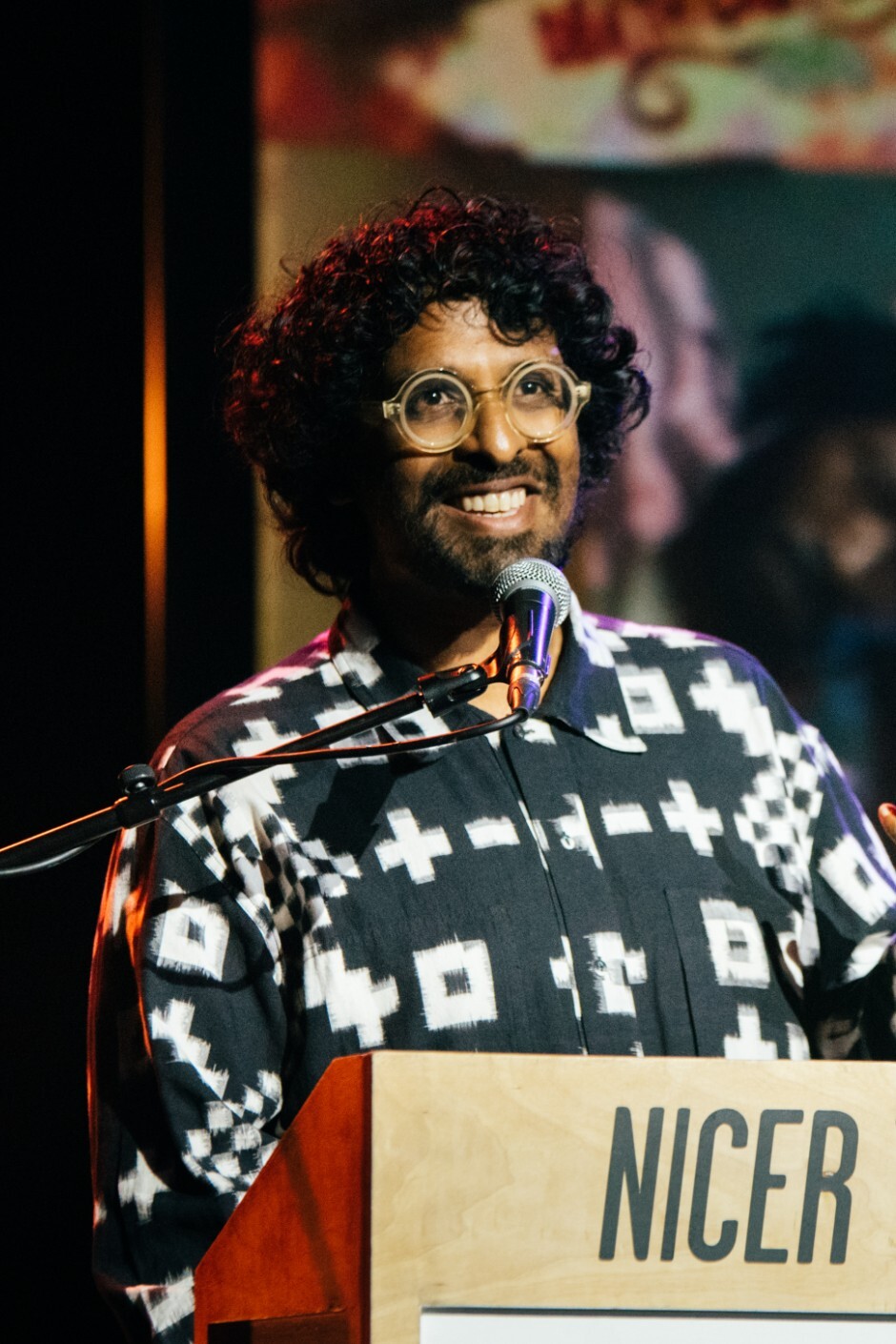
Murugiah
Why you should reject the formula and make art about things you love
Watch -
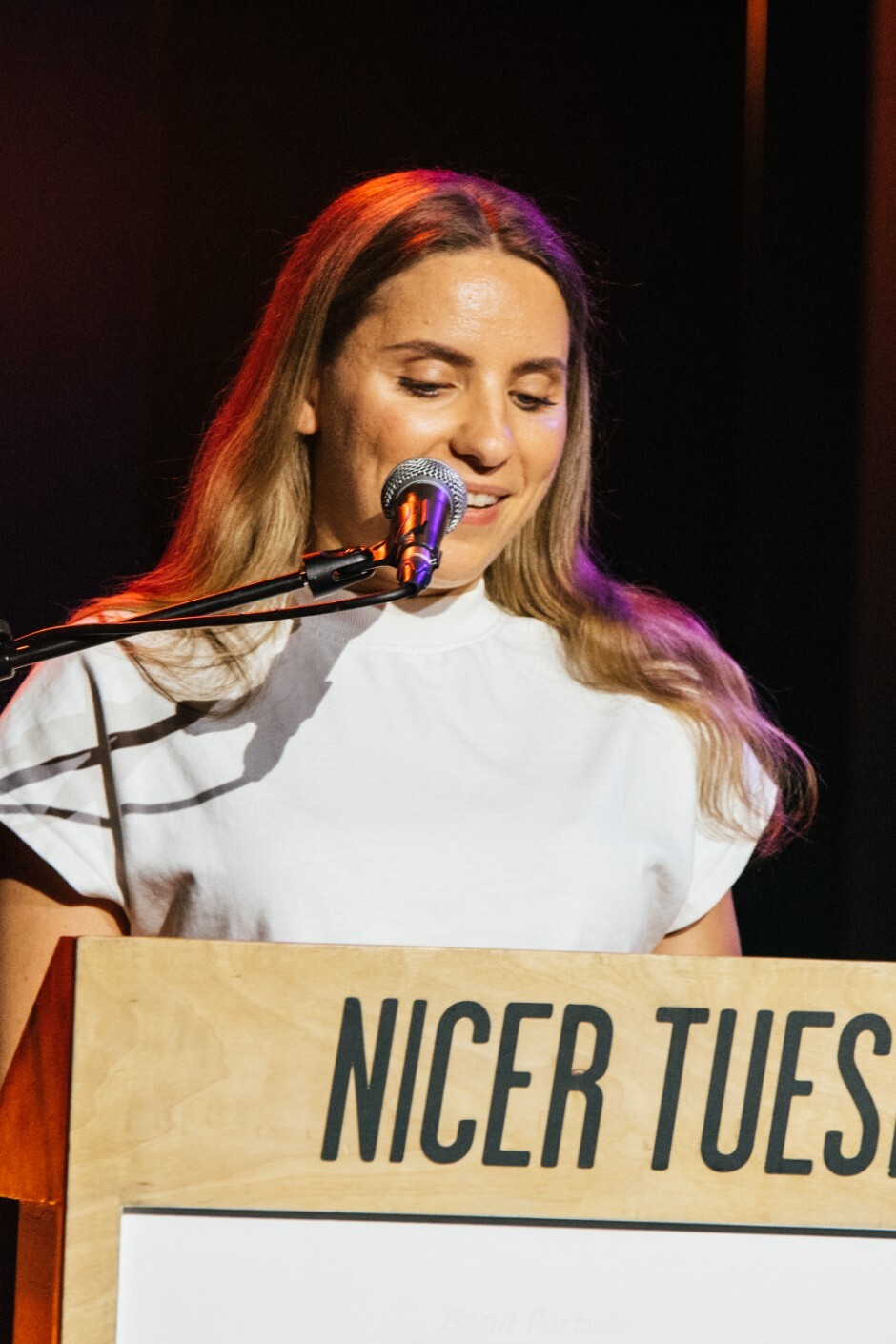
Amber Weaver
How does contemporary type design translate into the wider world?
Watch -
Delali Ayivi
How does photography give us the right to imagine our futures?
Watch -
Will Anderson and Ainslie Henderson
Bringing stop motion sorcery to BBC’s Small Prophets
Watch -
Ollie Babajide Tikare
The importance of not flattening the complexity of observation
Watch -
Marina Willer
Design thrives when you find poetry in the simple things
Watch