Edel Rodriguez is a prominent illustrator known for his impactful magazine cover illustrations, often featuring witty and satirical depictions of world leaders. With a notable 14-year tenure as an art director at Time magazine, he emphasizes accessibility in art, aiming to create covers that resonate with a wide audience.
Edel Rodriguez
The illustrator whose magazine covers are never truly finished
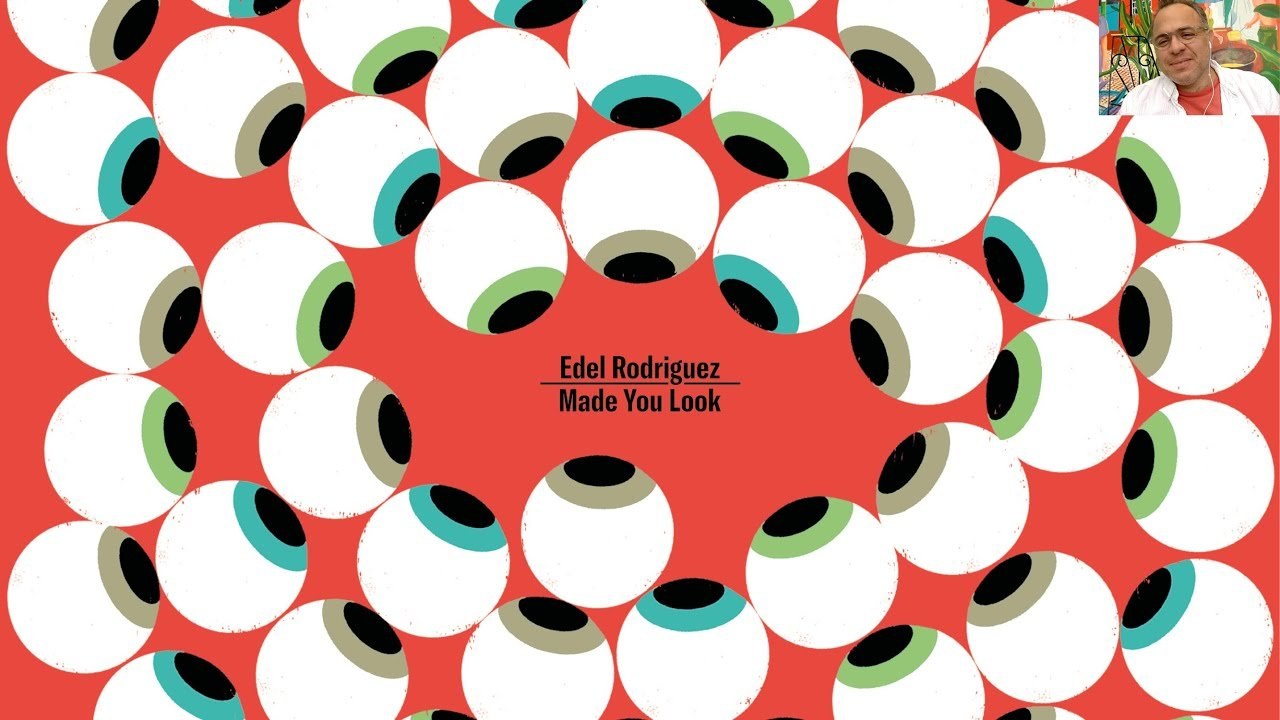
“The cover is never finished until published.”
Transcriptmay contain minor errors or formatting inconsistencies
Right it's time now for our second speaker and yeah we're in the the states we're still we're in the states but we're going to be on the the east coast to meet edel rodriguez now adele cut his teeth in the creative world during a 14-year stint at time magazine as an art director since then he's become one of the most famous illustrators in the world using his sharp eye and succinct style to create witty and satirical depictions of world leaders from donald trump to chairman mao you'll instantly recognize his work from the covers of international magazines and newspapers including newsweek the new statesman here in the uk desh beagle and of course time itself he even designed a cover for our magazine printed pages not too long ago but adele is not simply an illustrator he actually studied painting in new york before he entered the editorial world and has exhibited work all over the world from latin america to europe to the us and on top of all that he's managed to write a couple of children's books as well yeah quite an amazing career I'm delighted to say that adele is joining us from from new jersey I believe is that right adele yes yes yes it is great thanks for having me it's good to be here yeah yeah an amazing background as well you've got there yeah it's a painting and I figured it's it's better than my dirty you know messy studio you're putting me to shame with my boring white wall.
But anyway we've got just just like with with our friends from sharp type there you're not going to be giving us a talk this evening instead I get to ask you lots of questions and again our audience does as well so just another reminder to everyone at home if a question comes to mind please do pop it in the chat and I'll try to ask you before our time is up but adele I guess to start with I mentioned in the introduction that you studied painting and then you went on to be an art director at time magazine I guess just what do you think working for such a kind of prestigious international publication taught you about imagery and the power of illustration in particular well what what what it what it taught me is that it really how much impact it can have you know when I started working at time magazine my first job was basically entry level designer and then.
I started you know hanging out with the cover art director and and basically you know trying to figure out what what makes a strong sharp cover and sometimes it's it literally comes down to cropping correctly you know something as basic as cropping an image the right way I learned that we would do 15 or 20 covers it wasn't just one a one-off thing so you're you're constantly rethinking trying another and you're just going like that until the final deadline and it's this idea of that a cover is never quite finished until it's published you know when it's published that's when that's when it counts so this idea of trying out a lot of versions and and and also that that how a magazine cover of that stature can affect the conversation you know it goes out to millions of people it's perhaps seen by billions you know because it lands on television and stuff like that.
So I I do see magazine covers as a sort of a communication tool and and and setting a certain agenda of what to talk about and what what a country or you know in design world what designers talk about you know that whatever's on the cover it's it's sort of like it's the big deal you know.
So I I I'm always aiming for the covers because I and you know book covers too because I really do think they have a lot of power by just being in front of people you know absolutely I guess it's worth saying as well that at time you're obviously handling photography some of those covers are very graphic so it wasn't just illustration I guess that's another kind of way that you were learning about the impact of imagery yeah.
I think that what what I mean and it humbles you as an artist because you you you're like I have a great you know artistic idea I get a great graphic a great painting and then in comes the photo editor with an amazing photograph right and you just go all right I'm done I I I I lose this round and you have to kind of be a a sort of a neutral judge and go what is going to have the greater impact what tells the story in in the best way and and also by working at time magazine I learned about the inner workings of of a magazine and and how illustrators sort of market their work how they reach out to art directors things like that so even though I I went to I would study at pratt institute I study painting and and I worked at the school loop there.
And I really you know that was my no a new school for me I basically every day I was learning something new about being an illustrator and and being a communicator very very interesting I guess just to kind of yeah go through your career do you have a sense of of a big turning point in your illustration career was there one kind of commission that really changed things for you I guess I'm also I'm kind of talking about you know how you were perceived by others but also how you kind of perceived yourself as an illustrator as well you know.
I think it's it's hard to think of one specific one because what I try to tell other illustrators and even students that it is becoming an artist becoming an illustrator is just very slow you know like little wins little you achieve this then you achieve the next little thing.
So that's how it works you know you kind of do your your entry level thing.
And then you you progress to the next but I'd say one of the biggest things for me was when I my work first started getting published in the new yorker magazine and that was pretty much about you know I don't know like six months out of out of my university I I took my portfolio there. And I didn't get any response you know I checked the portfolio to see there was anything in there nothing I I went again I dropped it off. Actually I sent something in the mail and I I got it back two weeks later you know saying thanks for sending these but we don't need them thank you. And then.
I went back again with my portfolio and then. And then. I got a call from owen phillips who was an art director there and gave me my first assignment for the new yorker which was to go to an art installation and draw it. Basically and they were featuring the art installation and used it used my drawing with it and that you know I did the job it worked out.
And then the next week he's like hey can you go to a broadway show and do a broadway show I'm like yeah.
So I you know I go and watch a free broadway show for a couple of hours that worked out then followed by a movie review you know. So in the end I think I've done about you know 400 or 500 illustrations for the new yorker in you know 30 years.
But it really just started from that first break from an art director that you know liked my work this past year I did a cover for the new yorker so what what the new yorker did is that it it just it gives you kind of a like a stamp of you know you're good and then everybody sees you everybody sees you differently everybody sees your work differently so it it leads to a broadway you know from a little broadway illustration in the new yorker leads to a broadway poster commissioned by a producer and so it just started a lot of a lot of work for me by being in there.
So I I would I would probably say being the new yorker definitely helped yeah it's amazing to hear how much of a kind of holy grail it's been for for so long for illustration yeah to get into that magazine it's incredible but yeah I definitely understand what you're saying about it kind of snowballing your career it makes a lot of sense and I think that's still how it how it works a lot of the time now yeah.
I think that's I think that students see you as you're doing these big projects and they're like why can't I do that you know I'm like you don't understand I have drawers of tiny little things that you know little spots and things like that you know in the new york times or other smaller magazines and that's part of being an illustrator is is racking up experience basically.
This is a slightly tangential topic but maybe it does kind of fit in because this was obviously a time before social media and the time before instagram do you think it's it's easier now to be to be noticed than back then when you were going in with your portfolio and having it sent back to you time and time again or do you think there's a kind of difference to the way it works now you know.
I think it's it depends you know like it is easier you can you know. I mean I I know people that my students get on on social media and they start tagging their work boom boom you know it starts creating work for them but at the same time the difficulty is that. There are thousands upon thousands of people doing the same thing so you don't have that that edge of walking into a place and going hi I'm here.
I made it to new york city I'm in your office will you give me a job.
And I think that when when you're in certain places new york london you know I'm sure paris other places like that the people that are looking face that are meeting you face to face they look at your portfolio they they appreciate that you took the effort to come see them and they're like okay let me see what I can do I'll call you next week that personal connection I think is is is great meeting someone at an opening or meeting someone at a at an industry event I think that always helped me in in one way or another whereas now you know your your your what it does do though is that it has done is it opens up the world to you you know.
So I was mostly kind of a new york illustrator or united states illustrator and now I've gotten work from you know I do a lot of work for germany a lot of work for asia in you know paris I never know I mean like like my work. Now is maybe like half international in half in the us and people worldwide didn't really know how to find me even you know 20 years ago.
So I think that's definitely changed and I like it I'm so I like to travel places it opens up opportunities for conferences overseas and things like that.
So I I I do like how how international the whole industry has become.
And it just I mean I guess we're looking at a beagle cover here working in different in different countries different languages is interesting as well because it presumably presents a new challenge as an illustrator that you can't necessarily be pairing it up with a headline that you know what it's going to say it has to kind of speak without any text or at least any text that you're going to necessarily be able to read or understand yeah people's you know I'm often asked to like what you know about the simplicity of my work I mean I do like simple work. That's direct and communicates clearly I've always liked working that way.
But the the international aspect sort of like heightens it up even more you know I'm not just communicating to americans when I'm doing a magazine cover I'm communicating to people that don't speak english so I have to to communicate with the with the image there's no you know there's no cartoon with the little thing.
This is this is what this means this is what that means I have to I have to condense it and and and have people in brazil understand what I'm saying people in in you know germany japan whatever.
So there's a lot more writing on the image and responsibility but I I actually do enjoy that I enjoy communicating you know to you know I grew up with a family of farmers people that you know they went to like fifth or sixth grade and then. That's it they didn't go they went to work you know.
That's where. That's my family and I like to be able to communicate to people like that with an image and then someone that is you know a design guru that has studied has a phd in in whatever you know and that when you get those two sides look at an image and go wow I love that you know.
That's really exciting to me I I don't like making images for people that like me that are like very sophisticated in the art world and know every painter or whatever I really do get a kick out of the idea that a magazine cover is kind of for people for like you know there's people going to work and things like that you don't have to go into a gallery to look at a magazine cover or a poster that's really interesting and attractive to me.
So they're like the two sides of of being an artist is communicating to yourself and people in your world. But also communicating to the public and I I I I've always had a a love for you know what makes something extremely popular I know that a lot of artists are like well.
That's too popular I don't I don't like pop music I don't but I'm always like wow that it's actually really hard to to make something that makes a mark in society in that way and when something does I have a lot of respect for it for a pop song or for you know a work of art that everyone understands like you know van gogh's starry night or andy warhol things like that I don't know the punch I think is is interesting to me definitely one thing I guess our audience will probably know you may be best for is those political illustrations we've already seen quite a few of them and particularly those during the trump presidency that depicted yeah the former president I spoke to you about this when trump left office earlier this year. And I think you counted you'd done 25 magazine covers and about 150 other illustrations for magazines but covers online publications of the the former president I guess first of all I'm keen to hear how you look back on those four years because it must have been a very creatively rich time. But also I'm guessing a personally challenging time as well at times it was actually you know a very difficult time I think because I took everything extremely seriously I I was not having a good time even though you know the images might look like I was really giving it to him or whatever I was just really a bit anxious about what was happening because I I actually did take it seriously I I thought that our democracy was at stake I thought the immigrant rights were you know going to be a problem all of this that was borne out on january 6 when people attacked the congress of the united states it would be like you know people attacking parliament in in in london or something.
So I was not you know I kept tell asking myself am I too paranoid am I you know and but at the same time I would say I would tell myself no I'm not this is really bad what's happening and I kind of saw that at some point this was going to come to a head and come to a clash and that's what occurred so um I I it was it was an intense time because I really woke up every day thinking about about this issue and trying to confront it in some way and trying to see well how can I do you know take what I'm doing and do even more with it and make it a bigger media splash I really wanted the media to talk about these things.
That's what I was hoping for when I first started doing him to be treated like a regular politician with nice photographs on the cover of some magazine as usual you know because I felt that that would just legitimize him even more so it made me feel good that I basically like stole 15 covers from from this guy that that you know they would have he would have feel you know he would have felt like I'm going to cover that magazine it gives him more importance more it gives a politician like him more legitimacy when you take someone like that and you treat him as a joke then the the the the audience the people looking at these covers go wow why are we treating this guy differently than other politicians what what there must be something really bad about him. And I wanted that's what I wanted to come across so I'm you know very glad that it's all over hopefully and and hopefully won't come back yeah no definitely I mean I guess what has life been like since since trump left office I mean has there been I guess thinking about your kind of career and your creativity has there been a tangible change in the way that you've approached your creative work since since january this year I've just gotten more to into my own work my own paintings my own you know sculptures writing I'm writing a book and writing another children's book.
So it just sort of reset to what my life was like before where I'm just enjoying things more like getting back to you know what this is what I really want to do you know I I actually I mean it was kind of like there's a lot of times where. I was doing things where like I don't really want to do this.
But I feel like I must do this I have to do something about this. And it wasn't like I it wasn't like my my ideal working situation to like do something really fast and put it out there I'd like to take more time with my work.
But I felt like like there wasn't enough being said some artists were doing work about it but not very comfort in a very confrontational manner and I I wanted to I felt like there was a vacuum there. And I wanted to to fill it.
So I kind of took a break from my regular things I also traveled a lot to do lectures and to do talks and shows to kind of expand that work. And now I have a lot more free time especially due to covet I wasn't traveling that much.
So I'm just focusing more on like having fun in the studio again you know.
That's great I'm I'm pleased to hear it yeah very pleased to hear it yeah I guess you talked about this as well you know your how your registration practices often described as kind of simplistic or not simplistic but maybe very very efficient and economical and you do very much kind of strip everything unnecessary away until we as a kind of as a viewer left with something very essential I'm curious to hear what your process is like because I think I'm pretty confident that in our audience tonight there will be yeah quite a few illustrators so what's the process for getting to that point of kind of clarity and efficiency well I mean there's there's two ways to go about it no the first one is the magic idea that pops into your head cleaning clear and you're like ah that happens once in a while but the second way is is is sketching is intense sketching like you do something it it's too much you do another sketch where you you clean it up a bit more you you you get to the essence then you're like no I can I can do more and and I mean some of my poster I just did a film poster that in the end looks very very simple for the the joel cohen movie or tragedy of macbeth is just a little icon.
But I think I must have done like 40 sketches for that you know much more complex more and and it is is that that that endless search for that magic magic image so I I you know. I think it is that.
And then sometimes even when you do finish it you're like well what if I just take this bit away or this bit away to kind of condense it and and have it be even more even more direct and there are times when I you know I've shown something to say my mom or something she's like that's it I'm like yeah that's it and or my kids but I know that it's gonna communicate you know to to other people or to you know a wider public and I and I know that someone that looks at something so simple doesn't know the entire background that went into it.
But I I do think that that is it's a way that I like to communicate in a very simple manner and and kind of like get rid of excess at times I guess there's also a balance though right because you can remove stuff too much.
And then you're left with something that doesn't have the legibility that you need it to have as an image is that right yeah yeah but if you ask yourself why is this there or does this have to be there and your answer is yes it has to be there then it stays if it doesn't you know there's no purpose for it.
And this is something that I try to teach to my my students you know at sva where I teach a class I I just ask why is this here and they're like I don't know I'm like then take it out you know there I I want there should be a purpose to to what what's what's in a picture I mean we can we can have things that are decorative but then the whole thing has to have a decorative kind of vibe but if if you're trying to communicate an idea you know whatever the image you're looking right now. And I and I put a lot of decoration in the background you're going to lose that connection between the between two things and by adding too much decoration you're just distracting the viewer into some other world on the concept so interesting sorry we just lost you for a second there.
But I think I think you're back now adele so okay I'm sure you're very sick of talking about trump so only one more question on this.
And then we will move on I promise but I'd just be really interested to hear you describe what it's like drawing the former president because I can imagine there's quite a challenge there because it's so recognizable it could potentially makes it fun and difficult at the same time.
And I guess yes what's the comparison between drawing him versus other world leaders well I mean he he is kind of a walking character himself you know the the everything he does is kind of a a sort of an icon or a a a mold of evil so you kind of just go okay I'm just gonna I actually just show what I see I don't really ex you know I I I take just oh he did that okay enjoy it and and do a little riff on it.
But it's not that far fetch but in in terms of the the likeness of the drawing of him is like I just I wanted to to just not really you know I didn't put any eyes on the guy because I didn't want them to I don't want you to have any connection to usually when you put eyes on people you have a connection or something I just wanted to be a stand-in for um bad ideas and and just a a you know horrible sort of personality and and I felt like if I just strip it down to to some of the basics like you know this hood and tie it just has a lot more power than if I were to do oh he's so big and you know like I never made him huge and fat or anything I don't get it there's no joy in that I don't I don't nobody should be drawn fat unnecessarily so I just went straight for the idea I hadn't I didn't want any have any beef with hair or or how someone looks it was more about what the person stood for and if you look at most of my drawings they were always about what he was doing or what he stood for and how dangerous it was and that was my my main focus of it interesting yeah it wasn't focused on kind of yeah physical attributes in the same way no no I actually saw drawings I saw drawings like that during these times and I'm like wait why are you gonna go there I mean it just puts you sort of on the same level as as him in terms of being over disgusting or whatever and and I I think there are you know most of my work is just very maybe that's why it hits or connects it's very serious. And it's very about what's what's at stake it's not about just trashing someone definitely we've had a really interesting question come through from from the audience do you have a cover that was a mistake but came to be a blessing so I guess a cover that you yeah maybe weren't happy with I guess is the subtext there a cover that was a mistake but then came to be a blessing I mean I don't know it was a mistake but the blessing you know like the the the the the cover of trump be heading the statue of liberty started off somewhere else it was an image that I had done you know about two years earlier.
I had I had done an isis fighter coming up cutting it off his own head because it was I was I was doing a similar campaign against isis and I guess what was going on in syria so I kind of just slapped something together I took the old image and put the trump head on it and just that of anger and and then that took off. And it became you know this worldwide known image so not necessarily a mistake but it.
But it's sort of a a a a way that you you can easily you can just take something that you've done and kind of do a little bit to it or change it. And something.
That's your own and it becomes something else I find that really interesting some of my students or other illustrators I know they feel they always have to come up with something completely new and I'm always just incrementally kind of advancing on things or doing something it's something that I I read from jasper john's the american painter was that his work is not always reinventing anything it's always taking something doing something to it doing something to it again and that every time at every stage it changes meaning so there's his first american flag painting in wax then he did you know three flags on top of each other then he elaborated on the flag so I think that. That's one way I like to work is is kind of like having a conversation with my own work and my own paintings and and drawings and seeing where that conversation goes interesting we have another question from from the audience from olivia when you talk about sketches which you mentioned earlier do you work primarily with a sketchbook and pencil or do you kind of immediately work digitally straight away no I work on paper I like paper a lot I do things digitally you know in photoshop but they're all based on drawings or textures that I do for my paintings these that are now on the screen right.
Now these are all painted with acrylic on paper so I paint a lot my work is about you know half half finished in in paint and the other half may be finished digitally so all of my sketches are are pencil on paper I I always just like real things around me they're just easy to flip through you know I can carry them with me I don't trust the computer you know I always think the computer is going to just suck everything. And I don't I don't completely trust it.
So I I love having things on paper and the other thing about working in the real world or with real materials is that I'm always discovering something new that is not on the computer so I you know for for a while I I had some cigar boxes in my studio I started painting in the cigar boxes something which is not in photoshop another time I was drinking coffee and I'm like what if I start painting with this coffee instead of paint and I did a whole series of drawings with coffee you don't have coffee in photoshop so I also sand a lot of my work we're using sandpaper which is to get a bit of grittiness can't do that in photoshop so I I can get a little frustrated with with digital things and also that that even if if I have in photoshop I have two thousand brushes I'm limited by those two thousand brushes backyard I cut off a twig and I start inking something with a twig because I feel that that handmade quality and that roughness is something that I'm always looking to add to my work great adele your connection's slightly dodgy so we're gonna just go probably one more question if we can manage it what are you working on right.
Now I guess you mentioned the yeah you've done the artwork for that apple originals film of macbeth which looks amazing is there anything else coming up that you'd like to mention or let us know about yeah what I've been working on for the last couple of years is a memoir an illustrated graphic memoir of my life growing up in cuba comedy america and then the last three to four years all the different things that have occurred so that's it's about 300 pages written and illustrated by me.
And it'll come out next fall fall of 2022. Amazing cannot wait for that that will be incredible adele we're gonna have to leave it there but thank you so much for your time this afternoon it's been incredible really nice speaking to you thank you thanks
Latest Talks
-
Murugiah
Why you should reject the formula and make art about things you love
Watch -
Amber Weaver
How does contemporary type design translate into the wider world?
Watch -
Delali Ayivi
How does photography give us the right to imagine our futures?
Watch -
Will Anderson and Ainslie Henderson
Bringing stop motion sorcery to BBC’s Small Prophets
Watch -
Ollie Babajide Tikare
The importance of not flattening the complexity of observation
Watch -
Marina Willer
Design thrives when you find poetry in the simple things
Watch