
Dan Tobin Smith is a photographer known for his innovative installations that explore themes of color and clutter, as exemplified by his piece for the London Design Festival, The First Law Of Kipple.
Dan Tobin Smith
Filling a shipping container with junk to build a colour-graded portrait of clutter
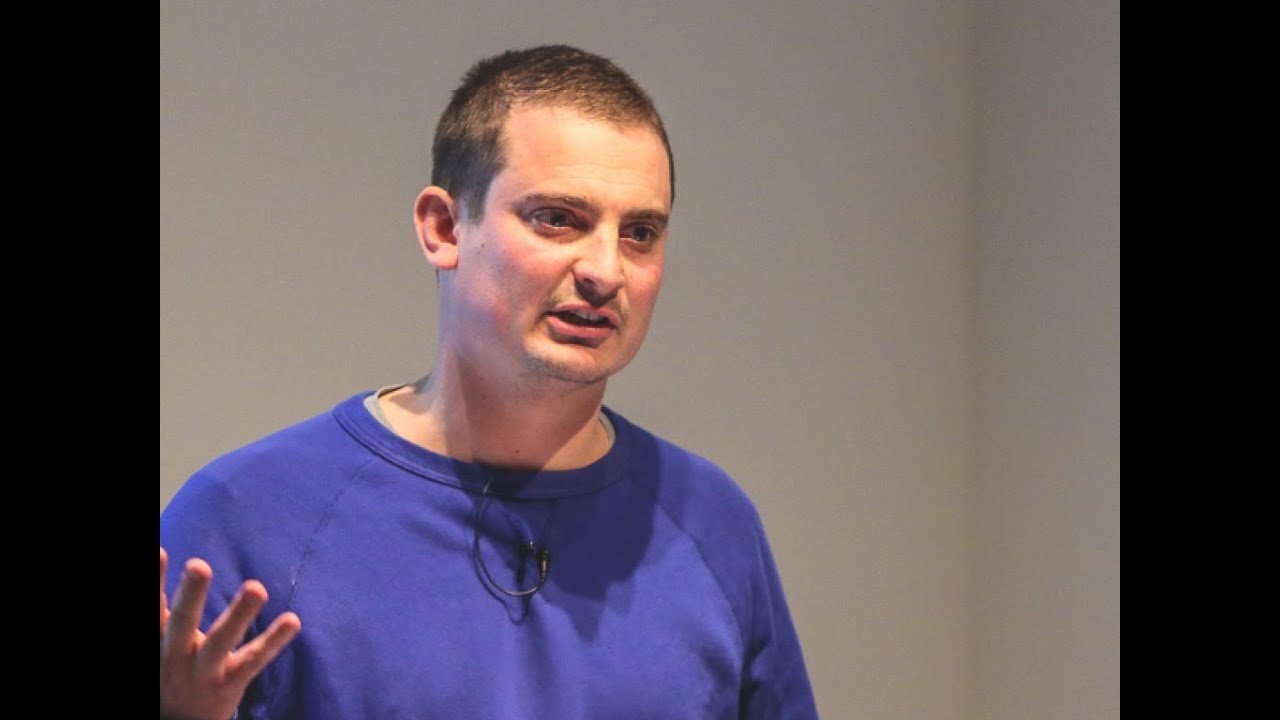
“LDF is always about new things – a slightly different kind of chair – so it was interesting to extend it to things that are kind of useless.”
Transcriptmay contain minor errors or formatting inconsistencies
Sh right okay not not great at talking at public things.
So I'm going to try and keep it quite quite quick okay.
So I'm Dan I'm a photographer based in London not far from here do Still Life photography advertising and editor all sorts of things. And I did an installation for design week just gone in September it was a project I've been thinking about for a little while and it was basically called the first L kiple here is some of the pictures it was a series of six large SC images and then we also did an installation like a big installation.
And it's basically it's a lot of objects a lot of things. That's that's the installation in the studio the idea originally I mean it's it's kind of based on this term kipo which is a term coined by Philip K dick in the book Dand stream of Electric Sheep but the idea of the technique of just putting this stuff together although it's not particularly original was kind of came from a book cover that I did earlier on in the year for a guy called Mark I can't actually say his name still even though I've been working I did this in February I'm going to try and say it Mark m m on I can't anybody got any idea Mark mck I can't say I'm going to say quickly Mark mck very nice guy and he did he's a material scientist and he did this book about materials and we had to kind of he wanted they wanted to show all the materials that were covered in the book.
So we you know. I had this idea of just grouping things to to color so that was this gentle kind of color movement across across this kind of this image okay there's Philip K dick and there's the book.
That's the original book from 1968 I think it was so this term kiple this comes from this book. And it.
Basically kind of describes the detritus and the kind of stuff that surrounds Us in everyday life that just kind of accumulates like receipts and rubbish and just junk really I'm going to read it out here there there you go that's a better way of doing it. That's his what he describes it as K is useless objects like chunk mail or match folders after you lose the last match or gum rappers or yesterday's newspaper when nobody's around K will reproduce itself the entire universe is moving towards a final state of total absolute kiz and I think you know we can all kind of relate to the idea of just this stuff like this there's a lot of stuff out there. And in our lives this stuff gets everywhere and there's this other quote in the book no one can win against kiple he said except temporarily and maybe in one spot and that's kind of that's kind of of the quote that brought me on to doing the project.
And then thinking about just Gathering all this stuff and then trying to trying to kind of control it and organize it and classify it there's some more of it these these kind of Reds and Browns and nothing was sprayed or funny business like that these are just the straight images it's about 8 MERS across in the back there.
So it's kind of lots of stuff lots of stuff the idea was also to you know this stuff to kind of coales into these big movements of color across the image and they're kind of at the you know first of all not to see really the objects but obviously just to see color and texture and then as you kind of look closely you can pick things out like an old photograph or a funny little doll or whatever it might be okay this is the red to yellow things one interesting thing was as well is as we were collecting stuff the different colors tended to kind of point you towards different kind of objects so Red's you know primary Red's yellow oranges was all plastic things you know it seems kind of obvious.
But it's kind of interesting when you're doing it all this stuff just kind of happening the stuff like kind of you know the brown ear colors and darker stuff like black stuff tended to be Electronics you know the darker Browns tended to be wood things or brass or older things.
So they started to fall into kind of categories of when these things were from oops so we had this just a system of organizing I'll talk about the process a little bit the system for organizing it cuz we had to I think we basically filled a shipping container with stuff we sourced it via people going out and finding things car boot sales people sending us stuff charity sending us stuff that they didn't need and we had to have a kind of system for organizing it.
And we kind of like created this kind of color grid and then we kind of worked out what we needed by stuff coming in getting packaged up.
And then getting sent to storage and it was this weird thing cuz the two months that we were kind of collating everything it kind of It kind of felt a bit it was a bit horrible to be honest in the studio cuz all this stuff was coming in and it got everywhere it was like it was just total chaos cuz there was nowhere to move cuz you can see from the early picture of the studio you know it's like that space needed to be filled up so everything was just everywhere to move a lot of stuff around just kind of gives you an idea of all of the stuff and the boxes being filled up.
And so there was literally nowhere to move I just did that.
So I thought everybody go oh that's my son walking through the K the precarious kpp and then going back to that line I'm also a bit into science you know I've kind of been reading science a long time a lot of my influence and ideas come from science and I like this idea that also and I'd read about this that this idea of kiple kind of reminded me of the second law of Thermodynamics which is a kind of theory explaining about how heat works in the universe and how things go from you know how about processes work and about how they're fueled um and that kind of also reminded me this line I was listening to a radio program called the in our time radio program on on Radio 4 and with Melvin brag and there was a scientist there called Peter Atkins and in context of discussing second law of th diic he said all life on Earth is basically a local abatement of chaos of entropy so the universe as a bigger picture is moving towards disorder and the Earth as this system the biosphere is kind of a pocket of order you know within this.
Basically this larger movement of disorder and there's nothing you can really about it it's like it's happening and that's the way it is so I've also as I thought I'd just quickly go through thermodynamics I find it really interesting everybody else probably finds it a little bit boring I didn't even get science GCSE so I'm not I'm probably not best equipped to talk about it I also managed to get probably one of the only people who've retaken the gcsc and got a worse grade which is I think it's kind of an academic kind of kiple I think all that effort for nothing.
So this is the first s of ther thermodynamics is this the energy in the closest of I universe his conert cannot be created or destroyed just changed from one type to another.
And then the second law is that the heat will flow from a hotter to a colder body or go from an ordered to disordered State high disorder High entropy Einstein said about this it's the only physical theory of universal content which I'm convinced will never be overthrown within the framework and applicability of its basic concept so it was been you know absorbed and it's one of the big theories it's a beautiful Theory and I think it's it's always going to be that way then. I was thinking also reading online about these things doing a bit of research as you do I remember years ago reading about kiple being described as domestic entropy and I really like that like this kind of they seem to be really involved with each other as terms and I read this line I don't know who wrote this but he says in the 21st century we seem to be working as hard as we can to take available resources and transform them into objects that cannot be used for anything which is kle I'd like to also say I probably didn't say this enough but they kind of when I was formulating this project I kind of took the kle definition a little bit further also in terms of objects and things because I wanted to coincide this this this show for London design week London design week's always about just new things chairs are slightly different lamp shades are slightly different I thought it'd be interesting to just extend it to things that are basically useless by their design or by their state so maybe by the way they're designed they're just they just happen to be useless they're not use useful for anything at all.
That's this is the kind of brown beige to kind of brown to black images okay when we were doing this when we were doing this project we had to obviously find a lot of kle but we had to make sure that we were actually getting kle didn't want to just get any old stuff in there that was just a certain color so we had this kind of big list of things that is it kle basically. And we did a call out for it is its purpose purely or ornamental could its function be replaced by Vas small amount of human effort intelligence I you that it's not grow it's not grow it's not it's not it's not gross is it.
But it's kind of ridiculous at the same time. And it's it's kind of shiny and sleek and modern I didn't want to put something too horrible in there I wanted something that was kind of kind of nice but £550 plus shipping it's pretty horrible like do you really need that no you probably don't really need that. Anyway. So it seemed suitable to kind of do this thing during design week and originally actually I didn't want to I had no idea about doing the installation.
But I realized that if I wanted to cover such a big square and fill it with so much stuff that I needed I needed so much stuff that I thought well I might as well do an installation design week at the same time it's nice thing to people to see and why not anyway this idea of design and people buying things that they don't need kind of goes back quite a long way.
This is Victor paper neck said this in the '70s is I know it's quite funny I'm saying this I mean I work in advertising photography I'm not trying to lecture anybody and think I'm part of the problem not the solution I kind of very much realize that.
But I'm still I'm just interested in why we do these you know why we buy all these things why we need them and what it what kind of effect it has on us I suppose but there is this you know people are kind of doing stuff and you know there's a little bit of a work against the tide tide I think there's been a recent Trend in design maybe to start making things you know out of existing stuff or start questioning like how much do we need to actually make all this new stuff there Martino gamper chairs that he made from old chairs which is quite quite interesting re in terms of reusing thing.
This is mental design they made this thing on the left which is you can just it's basically you can make a chair out of out of any any stuff you got lying about which I thought was quite nice and this is this is Victor papan he made this radio that was made from old juice cans and and some kind of funny little bit of fuel even dry cow dong and you can get a radio from this right brilliant brilliant thing.
So this this these ideas in design are not new they've been around for a while you know using it in a good way.
And then I've I also came across this which in the report confirms no need to make new chairs for the time being which I thought was quite funny cuz when you it's one of the things once you.
Actually hear it said you don't really think about it and you're like yeah we don't need any more chairs do we don't need any chairs I like that I like the way it says a study of American homes offices dining establishments public spaces and patios I like the patios bit has determined that for now the nation has plenty of chairs and can get by just fine with the chairs it already possesses so there you go anyway so one of these ideas when I was researching into you know why the why we need these things I was looking a little bit into without going too heavily into it I'm not sure how long I've got left a little bit.
So there's this theory of reification which is basically in guested out psychology it's about kind of inventing something from limited kind of stimulus or stimuli so there you perceive you perceive a triangle but there's not actually any triangle there it's just that you perceive it. And I think that kind of also relates to things that we kind of a lot of times we kind of attach significance to objects that maybe they don't deserve car on let's this do again we go here.
I was kind of as part of the project I it was a nice idea that the idea of reification. And I kind of wanted to include it somehow in there.
But it was kind of it was tricky to get it in there.
But we did actually just in the path I don't know if you can see that the path we needed a path through the space so it's actually made up of these kind of semi made shapes so it's actually kind of full of these semi- Mage shapes some people you know it's a funny thing to do you know it's quite a difficult idea getting that into the into the space into the into the project.
But it was kind of used in that way all right.
And I've been asking a lot of questions you know while doing this project like why we need all these things and desire all these objects and I think you know having reading about it a lot I think that a lot of it is probably down to you know probably habits that were happened when we were hunting and Gathering a long time ago 50,000 years ago when we were genetically basically identical you know the same way that obesity is basically due to the body's addiction to energy-rich food because we needed that when we were running around and same with objects I guess if you're in the middle of the forest or in wherever you probably need to know what everything does kind of makes sense to need to know all these things.
So I think in the end it's kind of maybe it's just one of those things that. That's just the way it is and that's the way it always be we'll always need these things we'll always attach your significance to these objects and that's there you go that's it. And that's the line that kind of ended it you know.
That's where it came from the line the first law of kiple kiple drives out non kiple which is I think slightly depressing but probably very true and that's that thank you
Latest Talks
-
Murugiah
Why you should reject the formula and make art about things you love
Watch -
Amber Weaver
How does contemporary type design translate into the wider world?
Watch -
Delali Ayivi
How does photography give us the right to imagine our futures?
Watch -
Will Anderson and Ainslie Henderson
Bringing stop motion sorcery to BBC’s Small Prophets
Watch -
Ollie Babajide Tikare
The importance of not flattening the complexity of observation
Watch -
Marina Willer
Design thrives when you find poetry in the simple things
Watch