
Coco Capitán is known for her unique approach to photography that encapsulates a sense of honesty and spontaneity. Her work often challenges conventional aesthetics, resulting in images that feel unposed and genuine.
Coco Captain
How to find a balance between aesthetically pleasing images and honesty
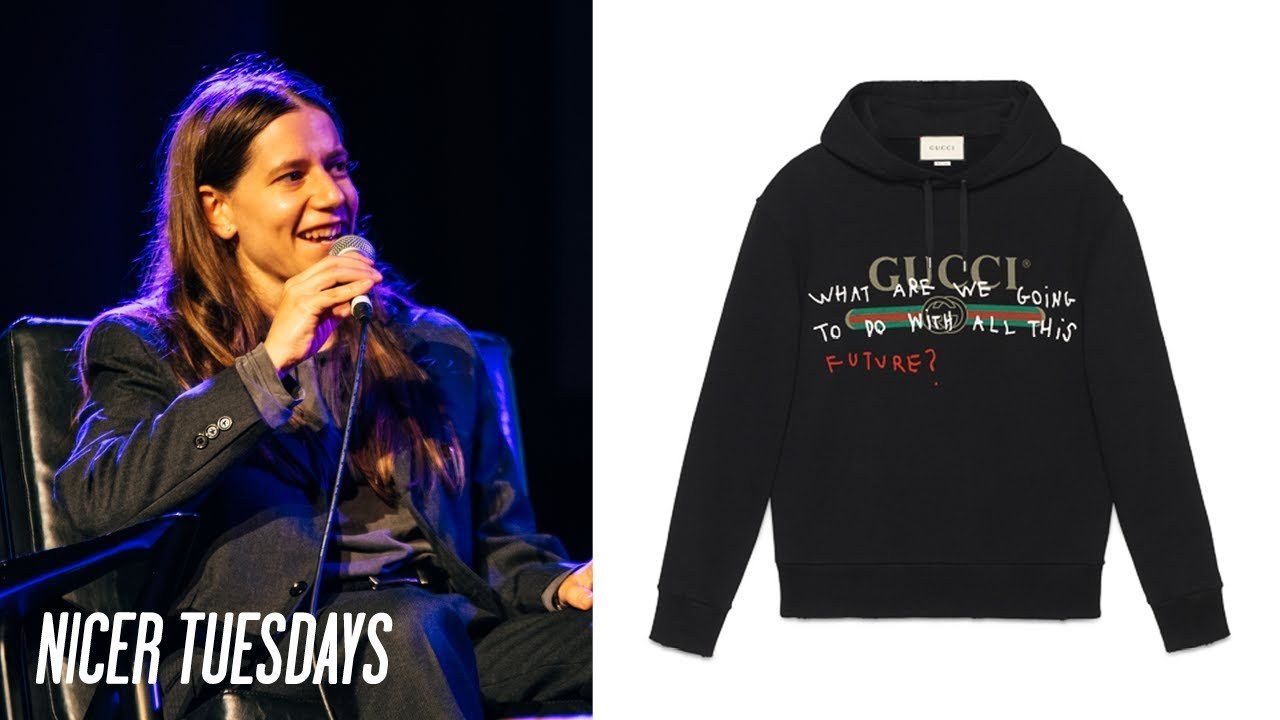
“I believe that the truest expression of creativity is in capturing moments that feel genuine, not staged.”
Transcriptmay contain minor errors or formatting inconsistencies
[Applause]
hello welcome to my Tuesday how you for having me not at all yeah good near home here in East London yeah exactly you live quite close you've you've had the 8 Minute hop yeah yeah and you're well how are you doing at the moment I'm very good I mean a little bit of pressure I mean I cannot see you guys but it's good excellent excellent well thank you so much for joining us tonight having me and yeah it's great to have you here on the nice Tuesday stage we've got quite a lot to get into and and you know not that much time so let's let's let's get going I guess first question was kind of do you remember what first Drew you to photography as a medium like do you remember what it was that kind of first excited you about picking up a camera yeah I feel like my first I mean I was really young when I first picked up a camera I think I might had been six or seven years old wow that's that's young yeah yeah but for me it was just a toy and I think that's what is really kept the the magic alive and really it was all about magic I couldn't really understand how I was born in 1992 so my first camera was obviously still a film camera and it was just my Dad's camera and it was just very exciting to press a button.
And then go to the lab and pick up the pictures I was fascinated by that whole process yeah I guess it's a different process to shooting digitally now you know you're like really you understand the kind of craft and the process of it when you're when you're shooting on film right yeah yeah.
I think back in the days obviously we just took it to sort of like the Spanish version of snap snaps but it was still quite special like that idea I still very much remember I think my first interaction with photography was actually in a photo booth I remember I had to take my school picture and in order to you know send it to the school office I finally went into the photo booth in the supermarket every time I went to the supermarket I wanted to go to the photo booth and finally I got my my one chance yeah.
I think like for me what it felt so magic was sort of like you know how could like reality be forever capture into something physical I love the idea that you go to a supermarket and the and the thing you really want to do as a kid is not like look at the sweets but it's the the photo there was a little bit of that as well.
But I feel you were born born to be a photographer you then moved to London to study photography and it's interesting you talk about magic because I think some people find that like the magic is kind of lost when you study something in a way that that kind of when you study something closely how did you find studying photography here like was it a sense of I guess like honing your craft but did you lose a bit of the magic or was it something you just loved from start to finish well well I definitely lost a little bit of magic I guess when you really learn something well the mystery is gone but yeah.
I think like my biggest school was really London being here.
I did went to I did go to the fancy schools and and that was quite an experience on it on its own but I think I really learned you know I moved to London I come from a middle class family from the south of Spain so really living in London wasn't easy for me when I first moved here as an student and I think the need to make a living to support myself was my my real teachings so I really you know.
I wasn't scared to knock on doors and say you know I like taking pictures is there anything I can do for you so London was definitely the right City to do that because there were so many opportunities when I first came I mean how important is that as a photographer you know you're a young photographer coming to London for the first time it's quite a brave thing to do to go and knock on doors and say like yeah H you don't know me but can I take your photo like that's yeah I mean lot of people didn't take me seriously you know and the majority of people I I wrote to didn't really give me a chance at the beginning but I think if you really believe on something you just have to keep trying and also I think being and very young really helps I guess you are less conscious of how prepared you are and that somehow makes it a little bit easier because you are not so critical of yourself you don't know how much more you're going to learn in the future and how humbled you're going to feel about your Beginnings so I think when you are 18 years old yeah somehow you are not I was don't get me wrong I was really shy and and it was hard for me but somehow I don't think I could restart my career now I think I needed to be that young and sort of don't have that fear that I kind of like have developed farther as I got in more experience somehow yeah yeah I know the the fearlessness of Youth I think that's definitely a very important part of it I guess now like you know obviously you're you're much more experienced now than than you were like can you describe what it is that you're looking for now in in an image and we're obviously going to come on to talk about lots of your work and and you know beyond photography as well but for now let's stick with photography what is it that you're kind of looking for what mix of things you looking for from an image when you see something you're like yeah I' I've nailed that well I never really have quite that feeling of I nailing something I guess like I'm never fully satisfied and that's what keeps me going but I feel reality or like honesty is something very important to me I not a documentary photographer.
But I never want my pictures to feel a stage or like they are dishonest somehow which is something really hard to translate into images because how how is an image dishonest or honest right.
But yeah I guess I'm really trying to capture this authenticity that's really important to me.
And then Aesthetics are really important as well I feel like a lot of Photography is more about what the image contains but having had like this attention to craft and going into the dark room colors are super important so I want a picture to feel appealing perhaps it's the wrong word because our doesn't necessarily needs to be beautiful but I do want my audience to be attracted to the image and I think you can use Aesthetics and color to to create that attraction really interesting you mentioned that word authentic there which is which is really interesting because I mean you were talking earlier about how you've obviously now done shoots with you know for huge campaigns with huge teams on set massive Productions and you're kind of trying now as and when you can to limit the size of and the scale of those Productions maybe Li limit the number of people on set like can you talk me through why that is and how you find that I guess helps with the final image that you might end up with I just feel that when I'm taking a photograph the most important part for me is my subject the person I'm photographing I feel when Productions become really big they are all distractions right it feels like it's all about how good the food is or how much equipment we have in the studio but really a photograph is about the photographer well at least in the case of a portrait is about connecting to another person being able to tell their stories so big prod uctions can often be a distraction for creating that connection.
That's why I really try to keep it small and you know also I don't want to my sitter to be struggling or or to feel that is something bigger than it it needs to be I don't know if that answers I guess there's a big pressure if you're if you're sitting for a yeah for a portrait and there's a thousand people running around and it can feel yeah a high yeah and I feel like if have a lot of equipment doesn't necessarily mean that you're are a better photographer maybe you're like a photographer with a large budget but I don't think that necessarily makes for a better picture so I like the Simplicity of just a camera person what it is that we are trying to achieve and focus on that I mean staying with the photography work for for a little bit longer I'd love to talk about okin which was this series of photographs you took in in Kyoto and I guess it was you know you said you're not a documentary photographer.
But this is this felt a little bit more in that documentary world you were documenting the city's teenagers first off could you just tell us I guess a bit about how that that series came about because I think you like relocated to Kyoto for a few months for that right. That's right.
So I spent three months in Kyoto I obviously been fascinated by by Japanese photography for a really long time I feel well art in general in Japan is quite different to that of many other cultures mostly because for how many years Japan is being isolated for the from the rest of the world I feel like that's given them an opportunity to develop their own language without very little external influence and I think that translate directly into photography many of my favorite photographers are Japanese so I sort of wanted to practice in the same Arena and this this project I guess you were yeah you were photographing lots of teenagers in doing their kind of their normal Pursuits after school at school I'm kind of fascinated like what was the process of that like I mean getting access to you know those those individuals like how how was how difficult was it or how easy was it to kind of work in Kyoto in that way it was really hard because well Japan in general it's a really different culture from mine but especially in Kyoto when Japanese people themselves would refer to Kyoto Kyoto jeene or people from the city of Kyoto as being two faced because well. There is a really strong sense of tradition and they really need to keep up to that standard they really worry about what other people are going to think about them and you in many circles you are not really welcome as a foreigner but lucky enough I was working with craphy and craphy is a photography f Festival that happens in the city of Kyoto every September and they really helped me they had that like there are relationships that really take years to form and they really welcome me introduce me to many of the people I wanted to photograph and we sort of like started to create that Network also aside of that because as you said I really I like small Productions and doing things a little bit different I will just like go many evenings to work by by the river when the this inas I was photographing will be coming out of a school.
And I just got someone to write like in Japanese I a photographer I want to take your picture I know dangerous may I take your picture and that. Actually worked really well because I feel like I position myself I think photography I mean many things in life are about vulnerability you know when you position yourself at the same level as your subject I feel it's much easier to gain access and kind of gain their trust I guess as well yeah yes be like oh this is ying I'm just like a girl who wants to take your photo can we do that amazing I mean because that that project was very much about like teenagerhood or I guess like young adulthood and it seems like a theme that you've kind of turned to in a different a different gues throughout your work like you've got this series on Cambridge students as well which I think you've described as being forever work in progress which is a nice way of thinking about it what is it about like young adulthood that you think is kind of so fascinating and that you kind of constantly come back to I guess I feel teenagers are in this very strange like phase of existing I feel they are somehow learning to be adults so for many things they want to be respected and understood as adults but there is still a part of them that the child within them is still very much present I I am very interested in change on all kind of changes I think when you're are a teenager is probably when you experience the most change and especially in Japan being a child in Japan is sort of you sort of are born with a golden ticket that starts becoming like smaller and smaller at years pass by because you you're meant to take on a lot of responsibility for your family you are meant to follow your family's Traditions especially in the case of hini we photograph well I photograph many teers that were meant to take on their D job if you know their d one of the the people I photograph their dad is being a ceramicist and so it was his grandfather. And so it was you know.
I think it's been 16 generations of having the same job and these teenagers are meant to take on this traditional craft job that maybe is not what they're necessarily interested in and I was really curious to sort of explore how that felt you know because Japan on one side is you will say it's one of the most modern countries but also is still very much a stack in in Tradition.
And in the past so I kind of want to see the contrast in inter years yeah it's an amazing amazing series I'd love to come on to another series the minute you have a minute which yeah it's a lovely lovely piece can you talk us through that series and I guess like again what it was like to shoot that one because it was on a mainly on a train yeah well that one fell I have many ways of photographing okin for example I think you asked me before why was somehow like so formal and like the the frames were very much study I feel like the minute you have a minute is exactly the opposite also for the audience that may not know it the minute you have a minute is just a serious on the orian press and it's a book that just came out.
So I was shooting that one in a train and it was mostly shot in my point and shoot cameras well 35 mm most of the time I'm focusing medium large and very very large format so it was quite different from okin in the sense that it was all about spontaneity not thinking too much just really photographing everything. That's appealing to me in the in the moment so it's a completely different approach from okin it's really interesting because I think it's something I wanted to come on to which I think we can we can touch on. Now is like how your practice is so varied I mean you know you have as you said the kind of large format photo photography Series in Kyoto but then you're doing this kind of very much point and shoot style in in that series the minute you have a minute like you do enjoy you'll seem to enjoy kind of moving around from different styles and then obviously different genres which we'll we'll touch on next yeah I always say that that is both my my biggest strength and also my weakness because I have a very cous nature which really I get wor easily so I really like to try things.
And I'm always very aware I I almost have this anxiety for life in the sense you know like I may die tomorrow and I might have not tried that I think I have to try it. And I think versus other artists that just choose like one path and one medium of course they are going to become really really good at that one medium exclusively because they dedicate all their time to that. And that's not my case so perhaps I'm not so good at only one thing.
But I do have the how would I say like the advantage point of really having Tred many things and try to make it work even though I'm not an expert of on many of these things I try that sounds incredibly incredibly modest but I mean I guess that leads me on to talking about your writing which I'd love to come on to because I'm sure a lots of people are very aware of your your Writing Practice as well like have you always been someone who's who's written like is that has that always been a big part of your kind of creative practice yes as all as my photography I will say even more I my favorite thing to do as a kid was to be look in my bedroom for hours and hours and yes read and write on my notebooks okay interesting and I guess like I'm kind of curious because you've got a new book coming out.
That's published by chose commune which I think you've already got one book with them.
But it's a new book of kind of writing on writing but I'm kind of interesting like what do you get from writing that you can't express necessarily with photography or is it is it just completely different sides of your yeah decid sides of your practice I think they are both very much connected I think photo writing for me is kind of like the purest of all my art forms to say it on a way I feel like you know writing is really thinking on paper and for me in order to photograph in order to paint in order to do other things I have to sit down and analyze it first like analyze my realities through writing so for me writing is almost is as natural to me as for other people is thinking I almost need it I feel when I was growing up when I was growing up I was quite shy and like I don't know I kind of lived in my own bubble and my way to really get in to gain my own voice and really to understand the word that was around me was was through my writing so it's really like the tool that saved me.
And sort of like made me understand better everything that was happening in my life yeah interesting because I think the way you framed it before was saying that you know because you move from one thing to the other or try lots of different things you're maybe not as expert in in one of these things.
But I guess the flip side is how much do those things influence each other like do you feel like the writing somehow deepens your understanding of Photography and vice versa or again yeah do they feel like they're completely separate parts of your being I think writing deepens my understanding of everything I have an interest on I feel like writing on my notebooks are really the place in which I can really understand what it is that I'm thinking I think for photography it was actually like writing has been quite crucial and I've been doing this exercise of okay if I didn't have a camera how can I paint this picture in someone's mind and when I write for other people not for myself that is sort of the objective are Wars is is strong enough to draw that image and I guess because I spend my childhood mostly reading I did see so many things through Reading you know I didn't really need to leave my room to go to other places and understand other things.
So I guess I always I always been trying to do the same with my writing that's an amazing way of thinking about it yeah and I love that kind of thread from childhood all all the way through we've got some time now for some some audience questions and yeah as I said we had some really interesting ones come through so I'm going to ask this first one from Africa I've I've seen you explored projects documenting cultures like in Japan we've obviously touched on have you had any thoughts on documenting Spanish culture and if so what would your approach to that look like very much I think this is a really good question well I'm I'm Spanish that's why they ask particularly if I'm interested in exploring Spanish culture but yeah.
I think I'm from the south of Spain we do have a very like I think culture in Spain is very divided depending from which Community you come from I come I was born in Seville so there is a lot of this flamco culture I'm very much moved by that I love my culture I feel like I moved here when I was 18 and that's the one thing that I had been missing on my subjects I really think that I need to go back home and explore home from my well your perspective yeah I cannot wait I mean yeah let us know when that series is happening n says do you have any advice for a self-taught designer trying to get their name out there.
So yeah someone who's I guess yeah self-taught trying to yeah raise their profile that question is from na yeah.
I think you know a little bit like what I told you when I first moved to London I think don't think too much if what you're doing is the best is never going to be the best at the beginning but you have to keep trying someone is going to give you an opportunity out there at some point do stay there for the good opportunities don't let them pass and there is no opportunity that is too small I feel like something I get ask a lot in interviews is what what was the project that changed your career and the reality is that no project change my career is being like a sucession of small steps that's lovely and I think you know something that Greg and jeie also touched on I think is this idea that like yeah one it just takes one email or just takes one kind of one project to get noticed by the right person and and that that can do it this this question comes from Jamal how do you maintain an authentic creative practice alongside the Troubles of the world right.
Now well I guess art sometimes is meant to well. There are all kind of Arts of course. There is a lot of political art that makes us question our reality but the kind of art I really enjoy is art that somehow takes you away from reality and I think I often find a refuge in art with that I'm not saying I'm not present in in the political problems and natural disasters but I think art is the escape so yeah I guess that's my way.
This is a question from Liz which I think might be kind of like asking you which is your your favorite baby but what's the project you're most proud of is there is there an answer to that there's not really an answer to that as I say before I feel like I don't want to fall in love with anything I have done in the past I think my work is about constantly questioning what I have done and sort of like move with something fresh new what interests me right now and again like it's the same thing with no opportunity is too small for me no project of mine is been the definitive project I just have learned different things through doing different projects so I not to attach to any and there's a question here about your handwriting like how did you develop that handwriting Style and what does it say about you well um I'm not very sure what he says about me I don't know if my personality really I don't know if is present in the typography itself is more about the content of what I'm saying but I get I guess a part of it is about staying naive and staying unlearned I feel that for the longest time I was trying to write neatly my writing was terrible in a school.
And I was always told how I need to write like clearer numbers because they couldn't understand my math equations or things like that. And I think as I became a an adult I had learned to write better but I decided to sort of like take a steps back and go back to my most authentic self which is perhap imperfect but we are all a little bit imperfect so why why to be dishonest and pretend that love it it will be something else yeah definitely and finally this this question from Pat which I guess like there's a lot of disciplines we haven't even touched on that you work in you know you work in painting as well.
But this question is what's your favorite discipline to work in do you have one that's kind of a preferred one or is it just whatever takes your fancy for a particular idea writing is my go-to I write every day and I write a lot.
And it's very necessary but as I said before I don't have a favorite I really like trying new things and one day I will be doing a painting with oils and another day I want to design a model boat and you know I feel like I cannot choose one that's why I keep jumping from one to the other yeah I mean that is the definition of a multi-disciplinary artist amazing that that kind of breadth finally just one last question for me really which is obviously we're about halfway through 2024 what does the rest of the year have in store for for you anything that you're particularly excited about anything you can talk about I'm sure there are things you can't but yeah I'm very excited about two exhibitions and this next book you mention with Cho commum which is well a new series of writings but the context is very present on them.
And then I do have a show in Japan in October and also one in the south of France and right.
Now I'm just working very hard in the studio to get this two out that will be my focus for the rest of the year amazing well honestly it's been such a pleasure talking to you my pleasure mad thank you for having me no thank you for coming it's been great and yeah a huge round of applause please for K thank you so much
Latest Talks
-
Murugiah
Why you should reject the formula and make art about things you love
Watch -
Amber Weaver
How does contemporary type design translate into the wider world?
Watch -
Delali Ayivi
How does photography give us the right to imagine our futures?
Watch -
Will Anderson and Ainslie Henderson
Bringing stop motion sorcery to BBC’s Small Prophets
Watch -
Ollie Babajide Tikare
The importance of not flattening the complexity of observation
Watch -
Marina Willer
Design thrives when you find poetry in the simple things
Watch