
Caroline Till is a multi-disciplinary designer known for her work at FranklinTill, where she curates innovative sensory experiences that challenge traditional interactions with food.
Caroline Till
Redesigning how we interact with food through sensory experiences
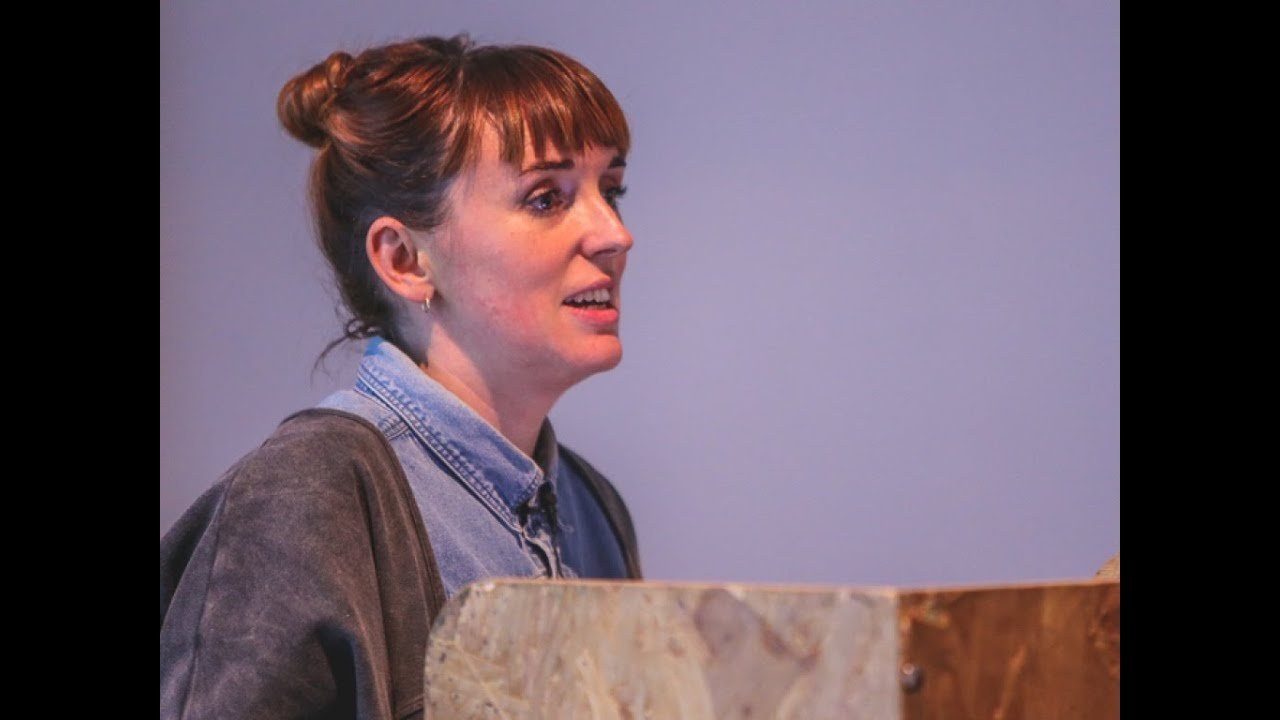
“There’s a rise for intangible experiences – we wanted to redesign how you interact with food.”
Transcriptmay contain minor errors or formatting inconsistencies
Hi thank you very much thanks julian is feedback okay okay I'm going to keep shouting over feedback.
So yeah my name is caroline till I'm co-founder and co-director of franklin teal studio and effectively we're a design research studio working with a broad range of clients across the lifestyle industries so basically we continually work into a mass research particularly what's going on in the creative industries mapping sociocultural trends looking at emerging behavioral trends and how that's perhaps giving rise to new desires for products and services so our works spans six main areas we produce forecasting insight reports publications so we edit viewpoint magazine exhibitions and events art direction and styling workshops and presentations and concept development today I'm going to talk specifically about one project which was really close to our heart it was actually I suppose a self-initiated project and obviously based around the theme of food so this is secret sensory suppers so the project came about when we basically were having a conversation with with one of our clients at the andaz hotel and they said we basically we want to make some noise during london design festival and particularly about this amazing space that they have within the hotel I don't know if anybody's ever visited it. And so this is their masonic temple which was actually built in 1912 and it was designed by an architect called charles barry who was the son of the same name charles barry who who designed the houses of parliament at the it when it was built in 1912 it cost 50 000 pounds to build which is the equivalent of around 4 million today.
And it's got a really lovely story in it it was basically boarded up for many many years and they just they discovered it by accident in 1990 when it was formerly the great eastern hotel and and they were basically doing some renovations and they kind of took down a wall and stumbled across across the masonic temple so this is now used as an event space and and basically yeah the andaz team came to us and said look we really want to to sort of make some noise around this masonic temple so we sort of were looking at what the research that we were amassing at the studio at the time and because this was for london design festival I mean we we have the privilege of visiting many sort of cities across the world looking at design for for many sort of global design events and we were seeing that. There were more design festivals popping up in more cities across the world than there ever have been and but the overwhelming sort of conversations and feedback and and discussions that we were having with journalists and prs and designers people were saying no more chairs I can't take any more chairs I don't want to go to a design festival and look at any more chairs I don't want to just look at stuff there's I feel as if you know there's this saturation of design objects being produced and we we're starting to really question you know why why are we making these objects and why are we going to these cities to look at them.
So we sort of set our own brief though we didn't want it to we were very interested in this as this sort of rise for intangible experiences this this desire to actually and at the same time we're finding lots of interest this is about two years ago.
Now I should add there was lots of really interesting statistics looking at how increasingly particularly in europe people wanted to to spend their money on an experience rather than a tangible product so we were really interested in this this idea of creating an intangible event and then some of our key inspirations I suppose some of the kind of key sort of mavericks if you like sort of driving this this experiential craze I suppose such as the dutch designer marriage volts gang I'm sorry I'm sure I'm pronouncing her name wrong but with her restaurant prof she's doing some she was doing some really amazing events has been for quite a few years now really sort of redesigning the table landscape and redesigning how we interact with food and looking at the really the experiential nature of food and and the dining experience and how that you know.
That's it that ritual is sort of embedded in in humanity and how we can sort of really bring out the sense of theatre in our dining experiences of course one of our key inspirations at that time was bombers and par doing some amazing work and really sort of driving this notion of the sensorial junkie if you like sort of looking at how you can really play with a food experience and and create an amazing sort of immersive event we're also seeing lots of designers sort of experiment with the way that we experience food how it's delivered to us so simple sort of interventions such as this collection we loved so tableware as sensorial stimuli and then artists such as ernesto neto so we were looking at sort of inspirational imagery such as this looking at I suppose the tactility of food and again how you can sort of really br bring that to the fore in the in the experience of dining the other area we were really interested in was the notion of synesthesia which again at this time designers were really beginning to play with so that's basically looking at the sort of crossing of senses so the idea of of of hearing a smell or touching a taste so this is an example this is noisy jelly so each this is a sort of interactive product so these jellies actually stimulate different noises so the designer was really thinking about what's the sound of a particular color and how do you sort of embed that meaning within a particular color and then another core studio that was really inspire inspiring us at the point at that time was condiment junkie so they're actually a sonic branding agency so they they sort of create sound experiences really interesting things like they work quite a lot with the automotive industry so they sort of work with the car company to synthesize the exact sound of of the car door shutting so I wasn't even aware that that was actually often synthesized it's not just the mechanics of the door shutting it's very carefully sort of choreographed to be correct to the sound of the brand and give you the ultimate feeling of safety so they do really sort of exciting work like that. And this is this was one of their projects recently called the sensorium which was working with an alcohol brand the singleton and they were basically looking at how you could intervene with your other sensorial perceptions to change your sense of taste so they work a lot with the cross-modal research department at cambridge university which is run by an amazing guy called professor charles spence and he's basically quantifying how much sweeter for example a glass of alcohol tastes if you experience it in a particular color or if you're listening to a particular sound how much more bitter a glass of of this malt whiskey tastes so really exciting work about this sort of cross cross modal sensory perception.
So these were all the sort of inspirations that we were amassing as we move towards the concept of secret sensory suppers so a lot of what we do I suppose in a way is it's effectively curation so whether it's curating content for one of the publications we produce or curating content for an exhibition or for an event such as this.
So we're really passionate about working collaboratively and really sort of working in joint forces with the with the amazing visionaries that are driving this this this type of exciting innovation.
So we wanted we decided to run basically these three nights across three evenings during london design festival and each working collaboration with a different creative partner so we invited bumbus and parr to join us obviously because of their amazing work stirring with knives who's which is a food blog run by a sort of experimental chef called caroline hopkinson.
And then silent studios who are an amazing sort of sound and video creation studio so I was just going to take you through some images of of the three nights so the first night that we ran was a visionary feast with bombers and par and we each different night with each different creative partner we decided to focus on on one main sense and sort of unpack that and how we could really create a sort of theatrical sensorial dining experience really aiming to readdress our interaction with food and and sort of redesign the dining landscape so the visionary feast with bombers and par was was looking at the site effectively and basically a sort of pairing a dining experience with a visual experience so bumberson park came with some amazing sort of hair brain concepts as they do and wanted to screen the film the holy mountain the sort of 1970s psychedelic film don't if anyone's seen it if you haven't it's amazing kind of very trippy but some really inspiring visuals and and the the aim that bombers and par really wanted to to bring to life this film so you were sort of eating what you were watching and watching what you were eating oh I've got an amber light so I'm going to speed up.
So we were working with the anders chefs and basically designing every every course of the meal in conjunction with the film.
So we were effectively sort of bringing to life what you were watching and you were eating what you were watching and then.
There were sort of theatrical elements so at one point in the film there's this four-foot phallic sculpture that's paraded through as as as you would expect and this was sort of brought to life so bombers and park commissioned this amazing four-foot ice penis which they paraded round the table and guests were invited to hack off with their mini pickaxes ice and to get for their gin and tonics there was an amazing kind of audible oh from the from the men in the audience as the first kind of axe broke broke the sculpture and then the second night was a essential night of taste and touch with staring with knives and this was to bring to life the sense of touch basically.
So we blindfolded guests and they came into the room and were seated and were left for quite an eerily long period of time just listening to this kind of very atmospheric choral music then for the starter each guest had a a personal servant that fed them. Basically.
So they were being fed which was quite a strange experience and then for them for the main course we basically served sort of two large suckling pigs so it wasn't great for the vegetarians but they had no tools effectively so we really wanted to encourage quite a sort of feral experience we were a bit concerned that people were going to be a slightly standoffish but it was incredible as soon as you put people in this environment and put put the food on the table they were literally diving in and sort of ripping apart the the the food which was quite interesting and then we were looking at with the different courses kind of creating this this sensorial tactile experience so things like there was a an egg that you had to break that had a chocolate mousse within and then yeah they got very excited with their mini hammers and started hacking and eating the cake and then just quickly because I'm on the red light now sorry wow 10 minutes is quick and the final event was the sonata supper masonic supper with silent studios and this was bringing to life the sense of sound and how that could intervene with with the dining experience so the the starter was choreographed with the the anders chef so and and the piece of music was actually was designed by silent studios and each action that the chef did to create the starter live in the room corresponded with with a movement for the string quartet so basically as he was making the starter there was this amazing symphony happening and then guests had to literally play for their main course.
So they were all giving a hand bell which apparently one of the guys at silent studios does this at christmas with his family which I think must be quite amusing so they all have a hand bell and there was a caller and basically they had to ring their bells and a in the nut when the number was called and they ended up quite sort of quite well.
Actually playing a mozart symphony and then finally guests were given a set of headphones and again silent studios created a specific piece of music that had been designed in conjunction with the with the dessert so that you would put kind of I suppose reconsider that the food that you were eating and the the course was sort of looking at nostalgic sort of childhood memories of desserts and so the music was sort of corresponding to that.
And then finally of course you can end the evening without an opera singer and lots of gold confetti so yeah really this was about really going to town with this sort of notion of the rise of the sensory junkie and how the dining landscape could become the ultimate inexperience thank you very much you
Latest Talks
-
Murugiah
Why you should reject the formula and make art about things you love
Watch -
Amber Weaver
How does contemporary type design translate into the wider world?
Watch -
Delali Ayivi
How does photography give us the right to imagine our futures?
Watch -
Will Anderson and Ainslie Henderson
Bringing stop motion sorcery to BBC’s Small Prophets
Watch -
Ollie Babajide Tikare
The importance of not flattening the complexity of observation
Watch -
Marina Willer
Design thrives when you find poetry in the simple things
Watch