
Bruno Bayley is an editor at Vice who is known for his insights into the history and operation of the publication, which remains a key part of a growing media empire.
Bruno Bailey
Why print magazines still beat the internet at photography and long reads
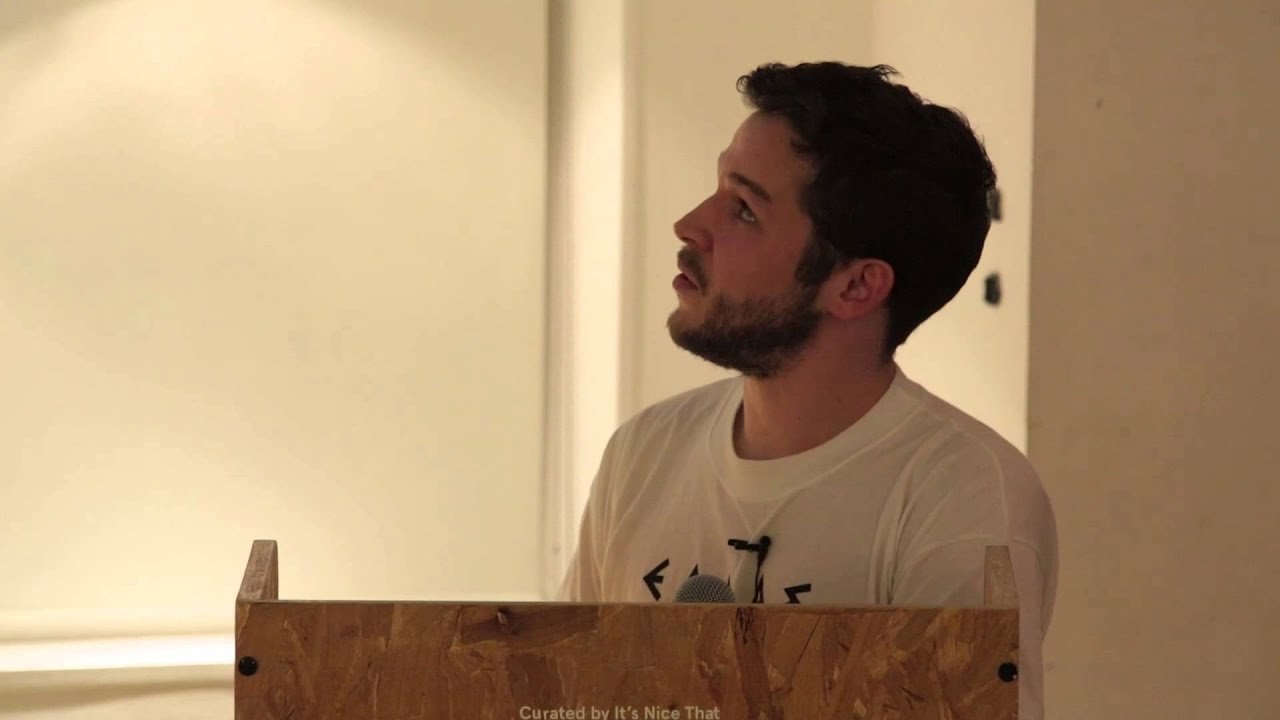
“Creative work is like a newspaper: it's a constant evolution of ideas and perspectives, not a final destination.”
Transcriptmay contain minor errors or formatting inconsistencies
Uh hello good evening thanks very much for having me here hopefully not gonna be a regrettable decision.
This is the first time I've spoken to more than eight people last time was there you go yeah that sounds more like it a very unfortunate best man speech so hopefully this goes slightly better there you go so I am oh wait there you go that's what I was waiting for the notes I printed out came out on font8 before I looked at them.
So this should make everything a little bit more interesting oh it now sorry I'm so I'm the european managing editor advice I put the uk magazine together. And I also oversee the european auditions what I'm going to talk to about talk to you guys about tonight is basically how I got briefly how I got where. I am because it's not particularly interesting and then.
I think also mainly about why I think vice has managed to retain a place in the uk magazine market and also more generally about what I think magazines need to do to retain people's interests or at least make the most of a format that lots of people say is no longer relevant or interesting possibly so firstly I was I started working at magazine I was at management's day magazine which is obviously a pretty pretty big jump I learned a lot of stuff there.
I did a lot of advertorials about industrial regeneration in central italy stuff like that. But it was great I learned a lot there.
And then I met the editor of advice who is now the global editor in chief andy kappa when he was drunk and he offered me a job. And I turned up at the office the next day like he told me to and he didn't turn up for three days and I was there every day and eventually oh hello so I just so I just saw someone recognize and anyway eventually I've been there for about seven years now.
So I've gone from a kind of essentially an intern up through associate editor up to managing it to and now oversee the uk magazine and european additions more by kind of doggedness than any innate talent or a set of skills I think it's interesting to maybe talk about how much advice has changed from when I first started there. Basically I would also talk about how the magazines put together so generally speaking there are offices all around the world.
This is going to be really quick it's essentially quite boring admin stuff that no one cares about but which I spend all my time looking into so there's lots of offices around the world everyone feeds stories into the new york office and by the way I'm strictly speaking about print here I'm like the sad print person in the office in the corner on my own everyone else is obviously making amazing films and there's a website now the count the company's diversified a lot but one of the main ways we make the most of our content is by sharing between all those different mediums so film feeds into the magazine magazine stories feed into film things that don't work for the magazine get put on the website website stories that get a lot of attention we then pick up and do a more in-depth version for the magazines so it's kind of all about sharing between all these essentially separate mediums and making the most of the content that we have on top of that we've got offices all around the world I think last time I counted there were 31 or those two but I could be wrong and might get in trouble for being wrong on record but that means that at any one time you should have people who are able to give you stories and give you content from anywhere you need or at least they're closer to it than you are so far that's been kind of a personal problem for me because it meant that the only trips I've been on for work were rochdale and belfast which weren't to be honest the most cheerful places I've been but that's what happens if you have an office in mexico so you know they get to do that stuff so when vice started a while ago I don't know I'm just going to give you.
This is a cartoon I commissioned slightly nervously for our 10-year anniversary uk edition the magazine started off as a essentially a work programme for three people in canada it was a zine which then did quite well and became a popular magazine moved to new york and then from there spread to where we are today it's been running in the uk for 11 years. And in the us for 21 years and the company has changed a lot as you know this kind of obviously I was nervous by it.
But it worked out okay I don't think anyone saw it. So it was fine but we are now you know we do make a lot of different contents what we used to we do a lot of video a lot of news but I think the magazine still holds a important and specific place within that. There are certain things you can do in magazines and that people enjoy magazines that I personally feel still can't quite get online and obviously I'm hugely biased in that.
But that's just kind of how I feel about it.
So there's two ways we get the most out of the magazine I think there's the stories we cover and the variety of stories cover and there's also making the most of the actual print medium itself so I'm just gonna choose this isn't I was going to say it was like kind of randomly chosen issue from last year.
But it's not it's an issue I've specially chosen because it's got you know lots of nice stuff in it this was issue five from last year.
So this is just to give people who aren't familiar with the magazine a kind of rundown of the sort of stuff that we have in each issue so this is all from the v12 and five issue last year.
So we had I'm not gonna look at it as well because I can't look and read my tiny notes so this is a story about an american communist who defected into eastern germany a white power student group in the american university crew cuts plan in memphis because you can't have too many you know racist in a magazine obviously so we doubled up on that a story about the photographer's disabled friend george and how he likes to have a nice time one of which turned out to be being buried in the sand a fiction piece by ed park one of the founders of the believer which was really good that's obviously an illustration of fiction that was a piece that ran with it doesn't it's not a great it's hard to do straight fiction in a slideshow ben anderson a well-known news reporter and journalist did a piece for us about the kind of uselessness of his experiences in afghanistan and the kind of never-ending misery that goes on there it's quite a depressing issue actually no I think about it out loud that was followed up on a slightly lighter note by the at the time I think unpublished photos by ewan spencer of the uk garage kind of halcyon days which was nice for me because almost all the photos taken in coliseum club in vauxhall which is a place I used to walk past on the way to school which always had police tape around it.
And I was wondering what happened in there.
But that's what happened then we did a really cheerful oh yeah cheerful piece about cesar which is a kind of drug it's kind of a bit like crocodile but for greek people which has kind of come out of the recession a new really really unpleasant drug that's taking hold in athens then a mexican illegal immigrants living in sewers in the united states just over the border peace about another cheerful piece about that was kind of a think piece about chechnya following the boston marathon bombings with some unpublished photos by robert king I think I could be wrong on that oh well finally the kora tribe the last indigenous tribe in mexico I know that wasn't finally and then finally emo subway dance gangs in mexico city so I think kind of obviously I chose that issue specifically because it has a large variety of stuff in it.
But I think that's one thing we offer in the magazine is you can select what you put out and what people see all in one go and it's quite fun for us because we I do think we cover a you know a variety of stories in each issue that you probably wouldn't find elsewhere and on top of that you've obviously got fashion shoots and reviews and all that stuff which I frankly just forgot to put in there the other thing so next on to in more general terms I think why magazines are still fun obviously magazines can't hope to compete with websites when it comes to breaking news immediate news I mean it takes me weeks of kind of crying and thrashing around to get the magazine to print so anything you know breaking news related so I haven't looked at anyone over there um anyone so anything kind of breaking news or super time sensitive is obviously very hard to do in print but there are certain things which I think you can capitalize on obviously there are magazines like harper's new yorker which run long form articles there are obviously also websites aggregator websites like long form and long read which would probably point to me my next point being completely invalid which is that I kind of still feel that people like to read long articles on paper obviously people do read them online as well but a lot of websites tend to keep their word counts quite low so it's nice to have printed material if you're going to be sitting there for a while reading and that's might be me being kind of old-fashioned because it's kind of my job.
And if if no one likes reading things which are long or looking at paper then I'm gonna have to find something else to do but I think that's one thing I think the main thing though is photography and the visual side of things any photographer I ever talked to is always weirdly more interested still now in having their photos run in print than they are on the website even though on the website they'd be seen by you know 100 000 times more people photographers still like their stuff being printed at least all the photographers I've spoken to and I think also in print you have a control over your photos which you don't get on websites you can order spreads facing photos the run of you know the order of images I don't know what the next one is oh yeah these are just photos this is not specific to anything.
So these are some photos from recent issues and you know you can control how people see them how they're delivered and people who like photos I think still do like seeing them in print I'm going to stop doing this because this goes on for a while you get the idea. That's fine photos and then on top of that you have fashion magazines that specialize in glossy high cost shoots and so on.
So there are certain things that print delivers which websites I feel still don't and I think one of the things about vice is on top of the variety of content we contain we try to make the most of those things which still websites haven't quite nailed how to deliver you have amazing photo websites with great slideshows and great features where you know you click on it.
And it it's like reading through a magazine you have the clicky and the turning page thing on the website but I still feel that for photography and for getting the most out of illustration as well I think I did some illustrator yeah.
So we did we did quite a lot of full page illustrations dps illustrations and illustrated pieces things like that which I I mean I just think work better in print this is not I've given up on these by the way.
So I'm just going to see where abouts roughly I would too okay.
I think I'm probably ready to wrap up it might have been five minutes might have been 11.
I'm not quite sure but basically I think vice has managed to hack a kind of a hole in a fairly rough environment by delivering a variety of stories and the kind of stories that other people wouldn't cover and unifying across all the different mediums you work in films magazines and website is all about telling either stories that other people don't tell or telling them or trying to tell them in a way that other people don't either a more direct way or a more honest way or a kind of just a different angle or perspective on things and when it comes to print specifically it's just about making the most of what prince still has over the websites and over the internet and I think that is making things look as good as you can getting the most out of photos laying things out as nice as you can and also voice magazine's free which obviously helps a lot because you don't have to worry about people paying for it.
But yeah that's I don't know I'm not gonna probably watch that back but hopefully that was of some interest and yeah thank you very much for listening
Latest Talks
-
Murugiah
Why you should reject the formula and make art about things you love
Watch -
Amber Weaver
How does contemporary type design translate into the wider world?
Watch -
Delali Ayivi
How does photography give us the right to imagine our futures?
Watch -
Will Anderson and Ainslie Henderson
Bringing stop motion sorcery to BBC’s Small Prophets
Watch -
Ollie Babajide Tikare
The importance of not flattening the complexity of observation
Watch -
Marina Willer
Design thrives when you find poetry in the simple things
Watch