
Archief Cairo is a design collective based in Cairo that focuses on the research and preservation of Egyptian design culture, particularly through ancient typography. Their work includes visual identities, workshops, and the revival of a unique letterpress featuring hieroglyphics.
Archief Cairo
Reviving the world's only letterpress that can print ancient Egyptian hieroglyphs
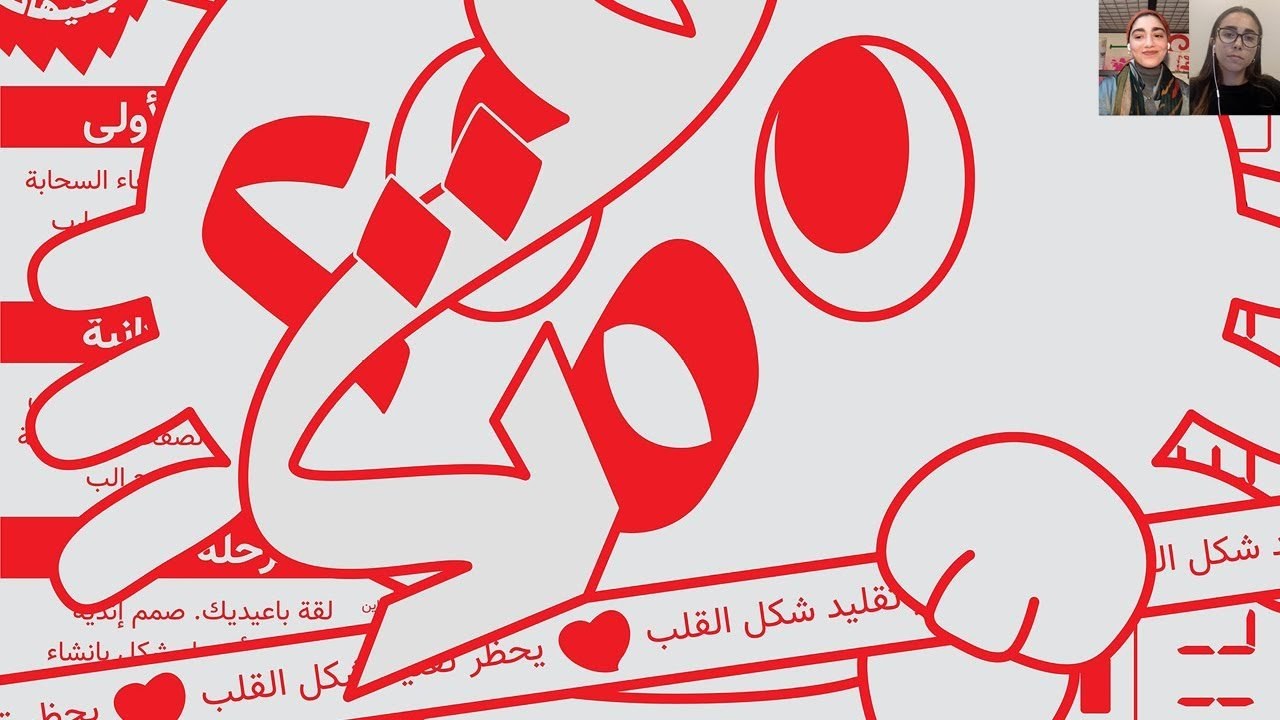
“Reviving ancient techniques teaches us that creativity is a form of resurrection.”
Transcriptmay contain minor errors or formatting inconsistencies
Excited to say it's now time to meet our first speakers established in 2018 Archief Cairo is a multilingual lab for research preservation and communication founded by four creatives including hannah newman and maram al rafael the design collective started by documenting the vernacular of the street capturing the visual essence of the egyptian capital well today hannah and madame are going to be talking to us specifically about an extraordinary project that began around two years ago when our chief cairo started work reviving the only letterpress in the world that can print hieroglyphics it's a really mind-blowing project and yeah we're very delighted to have hannah and maram joining us today to talk about it hello to you both hello hi hi hey matt everything's good how are you yeah very well thanks are you both in in cairo at the moment yes yes well wonderful welcome to nicest tuesdays and thank you so much for joining us which is it's incredible to have you here I'm gonna disappear now.
And it's gonna be over to you for your talk so I'll see you in around 10 minutes but remember everyone at home please think about questions that you want to ask and pop them in the chat for us to see all right over to you too thank you matt hey everyone it's such a pleasure to be here and share our work with you I'm ramirez and this is my friend anna norman and we're part of the art healthcare routine first off who are we we are a multilingual experimental lab that is based in kerry egypt our studio came to life back in 2018 and was co-founded by hannah myself ryan and shirin who are also watching right.
Now what we do we focus on research preservation communication because archive cairo emerged in egypt we're always keen to use arabic language and design and in most of things we do our rhine here is german so we want to communicate in german whenever possible of course the english language is our second main communication channel accompanied with accompanied by rv english we reach audiences through education.
And this happens by learning understanding teaching and communicating the topics we tackle include awareness culture and identity we consider ourselves very lucky to live in cairo one of the most diverse dynamic cities out there it's it's it triggers all of our senses it's unpredictable and always leaves us on top of the hill so wondered and overwhelmed we give you here a microscopic view of the now and what we document daily we find all sorts of things like stickers sinus signages sounds and many others to create a unique identity and discover cairo's non-academic design scene with all its different layers ♪
our work ranges from personal self-initiated to commercial commission projects by clients we also run or on our own poster design workshops branding and editorial work as much as we acknowledge the importance of the now we highly involved in the in what has been our star project and of our talk today is the art of letterpress one of our exceptional projects that unfortunately went through a long pause since the pandemic started we want to give you a quick tour inside the ifau leif which is short for the french institute for oriental archaeology is as a whole a super beautiful place with so much greenery and bright natural lights we specifically focused on the printing house conservatory which has all the gold historical letterpress engines it's a small room built in 1907 and has all sorts of machines tools and spare parts everything inside is part of an actual fully functional printing house back in the days works for work for nearly a century and considered as the best orientalist printing house around the world of course none of this would have been achieved if it weren't for our very dear beautiful regina ramlet who are also with us she's the head of printing at the german university in cairo our lead and supervisor of this project her great knowledge in printing has helped us to understand the process and fall in love with this place even more so understanding why this print house exists in the institute from the very beginning so the idea was initiated by one of the institute's directors called emil shasena who found it would be a very good idea to have his own publishing house in order to publish the different findings and research that the institute conducted in cairo and while he was reflecting on that various excavations they did was actually around the ancient egyptian civilization and he found the need to develop his own hieroglyphic font to reproduce and document the different inscriptions they discovered on the temple walls and being an egyptologist himself he decided to hand design more than 7 500 characters of hieroglyphs that they can be found right. Now in the institute's museum and this is actually the real fame of the institute until now because actually this specific font is very valued by multiple egyptologists because they find it very similar to the signs they found on the engraved temples and columns however one must mention that it's not only challenging to create the font itself but even assembling it is very hard actually the typesetter had to hand compose the pages sign by sign line by line and it could take up to three days to make one page but also seven years to make one book and they also had to do this process while standing up in front of this large wooden cabinet and it contained all the lead types they were arranged in a way where they had the capital letters on top on on the top cases and then the small letters on the bottom cases and this is where the terms uppercase and lowercase we comes and that we're using right now one of the most precious treasures actually of this museum is this cabinet that you see in front of you right now.
Actually when we first arrived it was locked and no one really knew what was actually inside this cabinet and when professor regina asked to open it the first reaction we we heard was oh my god this is gold you guys are rich and as you can see it's multiple drawers that are filled with different mattresses from the hair glyph hieroglyphic font but also from other languages and type faces and and this is how it looks from the inside so each drawer has the original mattresses and we spent so many hours and so many days exploring each and every drawer taking pictures and documenting what's inside and what's even missing so after becoming to this institute with the intention to document the place we found ourselves extremely eager to communicate what we saw inside this place to other people and and make use of the different machines that they were there. And this is where we wanted to really start to make this those machines work again and maybe conduct a workshop there. And we started by cleaning the machines oiling them getting maintenance getting new spare parts and one of the machines that we had it work was a printing machine that dated back to the 19th 19th century and along with professor regina and her assistant mr muhammad they were able to make it work again as you can see here.
So the main idea of this specific machine is there is like a lead page that is that is fixed vertically and then there's a cylinder of ink that goes over this lead page and then it gets pressed on a paper the next machine that we made it work is the monotype the monotype was actually used by the institute in its in the in as a publishing method until 1992 and we were lucky enough to meet one of the very old workers that used to work on this machine and he was called mr hassan and he helped us to make it work again after 30 years.
So we made like a bit of the whole process right is so this is the final result of the machine which are the different lines of lead letters that are then pressed into a paper so very quickly the the different the processes of the machine is basically starts with the keyboard and it the keyboard is changed according to the to the language and while the person is typing on the keyboard the paper gets a certain combination of holes so this certain combination of holes is then taken put again into the monotype machine and then following this combination you get different letters according to the matrix that you see on the top left so the the final outcome we wanted to do is to actually use those machines in order to have a workshop unfortunately like said with the pandemic as you can see everything has to be in the physical space has to be stopped however we are very very happy we were part of it we were very proud of this project.
And we hope that soon we will be able to continue thank you guys thank you so so much and hannah that was absolutely amazing amazing to see those videos of the the whole kind of craft coming together yeah really extraordinary I guess just to let you know.
So we've got a couple of questions for you everyone at home if you have a question do pop it in the chat and I'll do my best to ask it for you.
But I think maram it'd be great to come to you first you did touch on this a little bit in your talk but I was wondering what was the original reason for setting up akif cairo what did you feel was missing from I guess the documentation of your city that you wanted to add to that well I think the idea itself started in the last year before we graduate from university we felt that I needed actually a place to explore and do what we actually learned from our university outside because it's really rare to to practice what we learned in in cairo itself so it felt best to create a space that can that we can actually continue what we started in university uh because what we started was a really nice project that we thought could grow bigger and have more more to it and also involve the outsiders who can also who likes to to over explores the the similar yeah similar interests that's amazing that a kind of yeah uni project has grown like that into into something.
That's still going many years later it's great hannah I mean you were talking us through the kind of craft of the letterpress there and the fact that it might take you know seven years to create a book which is kind of amazing did it give you a different idea a different kind of perspective on the craft of design I mean did it get you thinking about the work or your work in a different way I mean I can imagine seeing that level of craft must must change your perspective a little bit I think if you see it in a more holistic point of view in terms of how every method has a different purpose or complements a different concept then you can really appreciate each method and you can't just like say for example letterpress is better than offset printing or better than digital printing no it really depends on what you want to communicate and what is the purpose of the whole project.
And then you can use the different methods to really enhance whatever you want to say and for us letterpress can can be one of those methods since it's very it has a very different feel of printing a different texture however again if you want to do like a whole book I don't know 700 pages a million copies then you can do it on a letterpress so it really it really depends on the the final outcome that you want yeah it's a very good point probably not the best the most suitable we've had a really interesting question come through from jamie how long did it take you to get used to the processes in order to create the project how long did it take to kind of master these new these new processes really.
There wasn't a very specific plan or a specific timeline that we did beforehand and stick to everything came with like with with what we like at the moment so everything we like decisions came when we went and see everything alive and then accordingly we took steps that that could actually suit what's going on right now so by that I mean when if we want to come the next day or if we want to do the work in a week we do that in a week if it takes two days we do that in two days so it wasn't really specific or we yeah we studied it it was really coincidental no no yeah definitely yeah.
I think so absolutely hannah maybe one for you here a question from carly are there any examples of the final printing from the old presses that we could see maybe I don't know if we can point yeah point the audience in the direction of where they might be able to see some some images of that right now on the spot I don't have it but maybe we can share it on our story or somewhere because on the spot I can't find it no of course I think that it is there is it is it is present in the museum because they already have old old like books that were printed with those machines absolutely and a good good opportunity to say everyone should be following our keith cairo from from now on yeah maybe just finally you obviously mentioned that the pandemic has kind of interrupted work do you have any plans looking forward for when you might get back to it and start the project up again I obviously yeah I appreciate the pandemic isn't over but yeah what are the kind of plans for the future so you mean if there's like a future for this specific project or like in general yes for this yeah for for this well we actually we paused in a very early stage where we're still studying everything and when we get back we still have a lot to document and a lot to figure out.
So we can actually do a workshop still there are so many machines there's still so many elements that we don't know how it works or that needs a lot of study so I think this is the one of the first things that we will do we will continue to yeah we'll continue doing this process and then hopefully we can establish a workshop that can help people.
Actually use those machines oh it's amazing so exciting well listen thank you so much we're probably gonna have to leave it there just because of time but thank you so much hannah and madame for joining us we really appreciate it thank you matt thank you for everything not at all no thank you for joining us and yeah we'll follow your story very eagerly you
Latest Talks
-
Murugiah
Why you should reject the formula and make art about things you love
Watch -
Amber Weaver
How does contemporary type design translate into the wider world?
Watch -
Delali Ayivi
How does photography give us the right to imagine our futures?
Watch -
Will Anderson and Ainslie Henderson
Bringing stop motion sorcery to BBC’s Small Prophets
Watch -
Ollie Babajide Tikare
The importance of not flattening the complexity of observation
Watch -
Marina Willer
Design thrives when you find poetry in the simple things
Watch