
Lynsey Atkin is the executive creative director at 4Creative, known for her work on the Paralympics 2020 campaign that redefined societal perceptions of disability in the UK.
4creative
Behind the scenes of a landmark campaign marking one of the biggest sporting events
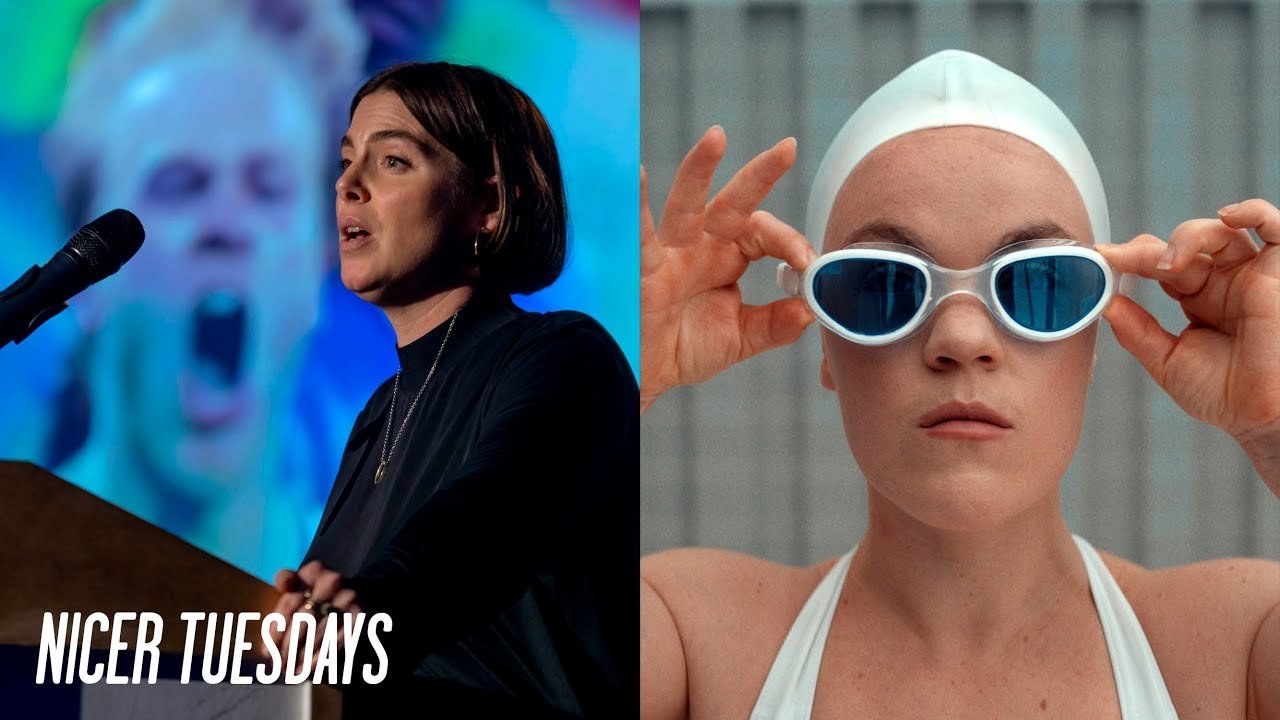
“There are those briefs that you see and you think ‘I’d love a crack at that’ and feel sick for two years.”
Transcriptmay contain minor errors or formatting inconsistencies
Hello I'm Lindsay Atkin I'm the executive creative director of 4 Creative and for those of you that don't know 4 Creative is the in-house creative agency for channel four so we make everything that you see on the channel that isn't a program so that's all the trailers for the shows all the branding all the idents the posters you see out in the world and there's a load of on our website and we have we have very little on there.
But it says yes it's as fun as it looks and it is but the truth of it is sometimes it's also really terrifying and it's one of those terrifying times that I'm here to talk to you tonight about because I'm sure a lot of you have had them but you know. There are those briefs that you see the work that comes out of and you kind of idly think you know over the years god love I'd love a crack at that.
And then you get a crack at that and you just feel sick for like two years and and you and and the team just really try and and sort of give it the best response that you can and you know that that project this time round was for the paralympics and specifically tokyo 2020. And I appreciate be saying 2020 makes it sound like we made it last year.
But I think we all know what happened there. And we did it we did it this year it's worth giving you some context and that's that the paralympics are really important for channel four as our ceo kinda says the paralympics encapsulate everything that we stand for at channel four and that goes back to when we first got the rights in 2012 and it it's kind of wild really I hope this plays sort of low so I can kind of talk over it we'll see if that happens that yeah it's kind of wild to think of it now.
But the paralympics was always just treated as an afterthoughts the olympics it was barely broadcast if it was it wasn't marketed no one watched it. And it's pretty hard to understand what channel 4 did to really change people's attitudes towards not just the games but also shifting kind of positive ♪
positive attitudes towards disability in in this country you know I do say that recognizing that collectively we also have a long way to go there.
But it wasn't just the way it was broadcast it was also the huge marketing and advertising investment the channel put behind it and as matt kind of just touched on you know. There were two ads which I'm sure some of you may recognize these frames from so 2012 london 2012 which was meet the superhumans and then rio 2016 which is we are the superhumans and both these campaigns won kang grand prix they won dnad black pencils they're both on the national curriculum but I'm allowed to talk about them like this because I didn't work on them but like that's that's what makes that third album really terrifying and you kind of go where do we go from here like what you know how do you the third part of a story. That's been told twice how do you find creative space to tell a new story.
And so I'm going to condense what is months of thinking into a couple of slides here right. And that's both of those campaigns use this phrase superhumans and superhumans was a huge force for good but it's worth remembering that you know that first campaign launched like nearly a decade ago. And in more recent years there has been perhaps more pushback on that line of being like it does perhaps other disabled athletes more in that it makes them seem like these kind of sports terminators who can do no wrong these kind of perfect people. And in recent years we understand that of course it's not disability that sets these athletes apart it is the sacrifices they make and the commitment and the obsession and the drive like any human being has like you know I'm sure loads of you doing things that you care about.
But these athletes take it to a level that most people can't even comprehend right. So it became this thing of being like it wasn't about superhuman it was about the fact that they were super ruthless super competitive super emotional super obsessive super driven these really human qualities but like taken like times 10.
So that kind of led us and allowed us to split that end line up which became for this year's super.human and that quite literally gave us the other side of the coin we were like okay we've done super a couple of times this time it's about telling the human story and about the human aspects of what it means to be a paralympian so we had this and as kind of the the creative process in advertising goes you go okay let's just write loads of scripts and see if we can come to an idea so loads of scripts are written but there weren't really any kind of home runs until owen who's the deputy ecd of four creative wrote this line from his sketchbook. And it says to be a paralympian there's got to be something wrong with you and that line to us totally encapsulated this extreme mindset that we were talking about so two things happened there you go god there's something there.
And then you're like okay now we've actually got to work backwards from that if that's how we're going to end the thing what's going to be the three minutes that gets us to that place and so we kind of started thinking about what that narrative could be and if we're thinking about a mental space and what it must feel like to be a paralympian we kind of there's this great clip of jody cundy who's a cyclist from london 2012 and he has a false start and he's disqualified from the race and a camera captures him saying four years of my life and you're like woah it really is like four years.
So we sort of went well what might those four years feel like that emotional journey you kind of go on. And we create this sort of hypothetical story arc if you like so from kind of the the post high of rio in 16 the idea that you're gonna do it again you know you're like I really am doing this again but anybody who cares about anything there's a point where you're like I can't can do this.
And then you realize of course you're born to do it and not be kind of go so we went okay there's a story there it would have been wildly arrogant I think if we went well we're just going to write it.
So that's when we kind of picked up the phone to about 20 different para athletes who very kindly shared with us things I loved about what they did things they didn't things they were really frightened of things they gave up and that allowed us to start to stitch together a story.
And I say story because the amount of rewrites on this project was just I won't talk about rewrites because it's really dull just going and then we did it again and again and again but we did and this is a screen grab of the the creative teams kind of google drive because what you're trying to do is create a story where there's one overarching narrative you're telling individual stories within that and of course you're dealing with athletes who are competing for like the biggest event in their games calendar so going okay no they actually can't be in it because they've got to go to geneva to qualify for that thing so eventually we end up with seven brilliant athletes that took part in the film. So that story then has to be refined to be about their stories their insights their truths and it's sort of no it's no real exaggeration to kind of say that we wrote the final script in in collaboration with the athletes they're all sort of color coded here which I'll come back to but so we're kind of developing these stories and going through it.
And then of course in your mind's eye there's always this well what is this film going to look like right.
So this is a really early mood board because we wanted two things really you know the scale of something being four years.
But also the intimacy of this being somebody's real life and that mix between the naturalistic sense of the everyday and the surreal you know you're you're talking about people's fears and anxieties and they aren't just things that you can pick out go we'll point a camera out that see like how do we tell that story. And that's why you know there's not just references in here to kind of things like ultrasounds as sort of like the dream sequence from the big lebowski and like it's a bit of a it's a bit of a mess I think is the is the outcome of that.
But we always knew that this was a big story and there was going to be a mix of visual styles and it needed that we then started to work with a director called bradford young through serial pictures and some search and bradford's an amazing filmmaker but he's also an oscar-nominated cinematographer he he was the director of photography on arrival so his visual language to the film was really important and really key and I think he actually just brought a lot more honesty to what it was going to look like so he had this sense and these are from bradford's treatments that starts to move it on and go actually there's a sense of the humor that comes from real life the fat the imperfections the mess all of those things that are essentially the human condition you know we always latched on to this food being thrown against the fridge and we never wanted this to feel like a very earnest sports ad so moments like that we kept coming back to and hopefully there are touches of that in the in the final film.
And then and then also the physicality of it the grit the rawness the pain the fact is really really bloody hard and so having those two styles sit together and how they were going to work became a process that excuse me we were going through we're then kind of storyboard stage I'm not going to take you through all the storyboards because it's a three-minute piece loads of them.
But this is you can again you can kind of see the color coding that came into things that allowed us to go okay that's kadena cox or that's david smith or that's that's jody and look at how their stories balanced over that three minute piece and were the key moments of their narrative in there it's also really tempting with non-actors to sort of go we'll turn up and see what we get you can't do that when you are trying to stitch together a narrative that's telling lots of different stories so it was much more prescriptive and when you're looking for performance from non-actors you are hoping I think is the right word but they did as they'd as incredibly proud there's also things within the storyboards that were key like there's bits of stock footage in the final film there's bits of animation.
And I think sometimes mixed media can be accused of being for sort of visual affectation only but for us it was about how do you tell an emotion really quickly like a really quick read so actually.
That's when kind of animatic cliches or cinematic tropes become really useful because the audience goes oh I know what you're telling me I know what I'm supposed to understand so they were really key kind of storytelling devices which is why they went in the in the boards and then these sort of grids bottom left that bradford introduced and this was about kind of he loved this concept of the sublime the beautiful with the brutal and how that sits together and how that's a very human thing and kind of you know again this is from bradford's treatment but they also became these really useful transitional devices for the end of the film so again that structure was really key and so they went into the storyboards for various reasons covid not excluding we are way behind where we should be and pre-production is kind of double tracking with loads of staff we start getting into pre-visualization.
So this was working with time-based arts and the production designer nathan on some of the things there's a one of the first shots of the film it's kind of kadena cox's fever dream she's looking through this kind of endless black void at the arc of triumph that is her next hopeful success so it's about going hey what's that going to look like and if she's passing through it how is the light going to land within that because we're going to need to shoot it. And is it all going to work together when we kind of stitch those things together.
So there's a bit of kind of previs there for those for those shots it was also kind of when any big costume builds were done so we have these medals that chase kadena in the same shot and these were a bit of a joy to make and these started off like this. And we thought they're a bit friendly so I'll give them these sort of creepy laurel smiles and some like tinsel and then you're at the point of pre-production where everything's just a bit like gone bit mad and your inbox is full of emails like hey do you like these eyes and you're like yeah they look great go for those eyes and then.
And then these guys start to turn up. And then you cast incredible dancers in them.
And then realize they have very limited movement and then here they are at kind of this was the first night of the shoot we did a night shoot at crystal palace so I think this is quite honestly about four in the morning and look at that guy run worth every penny that dancer no they were they were amazing they were amazing and then they come yeah yes but there were loads of other things on the shoot as well we had to be really smart with you know again limited time limited budget limited time with athletes so you're at lee valley tennis centre getting the shot with jordan wiley on the court and you're also going right in the corner can we make what looks like a maternity ward so we can then have her you know recreating giving birth which is sort of no one's normal wednesday but so there were tricks like that that production and and the crew and all of those heads of department really cleverly sort of brought together we shot another really interesting locations this was again recreating a butcher court in this amazing hall in poplar and again jellyfish lights that helped us get some of the shots ellie simmons we shot london aquatic center they've got this pool which is amazing the floor rises so we could get the camera onto what is essentially the water level so you're shooting both of those shots on the side of the pool and then you're dropping the floor down the whole thing fills with water and then you know you're getting the underwater shots which is always kind of really exciting so there was interesting there is always a shot of everybody on a shoot staring at their phones like it's the least interesting thing they've been to when actually it's the most interesting thing they've been to and of course you know lots of important decisions like what bucket do we want for the sick bucket and all of those sort of important things there's also there's moments in the final film where there's kind of macro shots of bruising and blisters and teeth being half punched out and skin suits being ripped and we hunted high and low for stock we were like surely we can just cover off with that and you know you get to a point where perfection or want or whatever it is kicks in and you're like this is just not what we want so we shot all of that in a very dark very hot room I think during that kind of first some of those first hot days I'm not going to show you the assembly because I assume some of you will have dinner plans afterwards and it's really quite unpleasant but you will see some of the shots in the final film the joy of this film was how much visual effects there are in it time-based arts around the corner in shoreditch are just superb and you know you're on a shoot and you're looking at markers that essentially look like runes and then you cut to it looking like you know raging bull and the flash and the pressure of flashlights again that floors up and suddenly the water is there and again kind of looking down at the ellie's kind of past pressures everything from changing a baby grow very important to kind of the sparks and smoke that come off a crash and again the idea of the mental pressure or what it feels like for an athlete to crash is it's no small thing. So instead of just him coming off he goes to space and it's that feeling of the immensity of that moment so lots of kind of touches like that making blisters more disgusting and here's our here's our guy again you can start to see how that arc of triumph comes to life and creating this kind of endless black really lonely void for kadena to run within yeah were you into the middle zone I thought we might be and and then this wide of that again this sort of just world that has no start no end ellie simmons was shot in bright light and again we wanted it to feel dark and oppressive and so again these edges fall away they go to darkness you can't see what's in the corners and the weight of that expectation we wanted that medal to feel heavy never-ending pills that was also fun and david smith you know the repetition of butcher and him essentially drowning in that obsession with the sport was something that we wanted to get across and again that's one of my favorite shots in the film this one really nice to end on yeah that's nice isn't it.
And so that. Actually wasn't planned that was a transition that our editor amanda kind of found and our wonderful friends at time by starts kind of added to their never-ending to-do list we also wanted boris johnson to say well you might as well quit he doesn't say that in real life.
So we thought well how are we going to make him say it. And we can't have the time to have the money to do a deep fake so what you do is you do a fake deep fake that's a thing so you get this man here to donnie's wig and to you kind of fine we found a clip of boris saying a couple of the words and then your man here did did kind of the line to to camera and those things kind of stitch together so you end up with something. That's a bit like you might as well quit ♪
so it sounds a bit like it right be nice if we could get politicians to say what we wanted all the time.
But I'll take that and kind of finally another key part of the story was the music and the music was found really early on scott and nandy the creative team kind of latched on to it. And it's so you want to be a boxer from bugs alone and we loved it the lyrics really worked with all of the kind of things and thoughts and feelings we were talking about.
But it also felt kind of surprising for a sports ad some of those really kind of grittier images the problem with the track is it doesn't really go anywhere.
So there's no lift there's no rise at the end of a paralympics you want it kind of going sort of gangbusters so we got it rearranged and re-recorded and added in a strings element to it and brass we always sort of plan to have a an almost sound alike vocal because we love the original but then we heard a british artist called jay prince and he did a test audio for us and when we heard it you just believed him you believed in what he was saying and I think like a lot of things in this in this ad it came down to going does it feel human does it have soul and do you believe it.
And I think that became kind of a guiding star with a lot of the decisions that we made I'll stop talking very shortly and play the ad because I'm sure some of you haven't seen it and you're like what is she talking about but probably unorthodox in this in this environment but I think you know it should sort of go without saying that commercials of this scale are not certainly not the work of one person they're not even the work of just the team at four creative so it is worth saying time-based arts factory sound leyland music amanda at final cut and serial pictures and kind of our friends at some such really you know it's you don't do these things without hundreds of people who give everything to to put something like this on air so I hope you like it. And I will and I'll play it through for you.
Now what's next for kadena cox she's already went under huge pressure so you wanna be a boxer in a golden ring can you punch like a southbound freight train tell me just one thing can you move in a world like a hummingbird's wing if you need to oh that's fast or you might as well quit if you haven't got it ♪
one two three is so you might as well quit if you haven't got it ♪
put him in the ring okay ♪
so you wanna be a boxer wanna be the champ there's a golden boy inside you not a punched out tram if you listen then you learn ♪
but you might as well quite let's go ♪
okay [Applause]
Latest Talks
-
Murugiah
Why you should reject the formula and make art about things you love
Watch -
Amber Weaver
How does contemporary type design translate into the wider world?
Watch -
Delali Ayivi
How does photography give us the right to imagine our futures?
Watch -
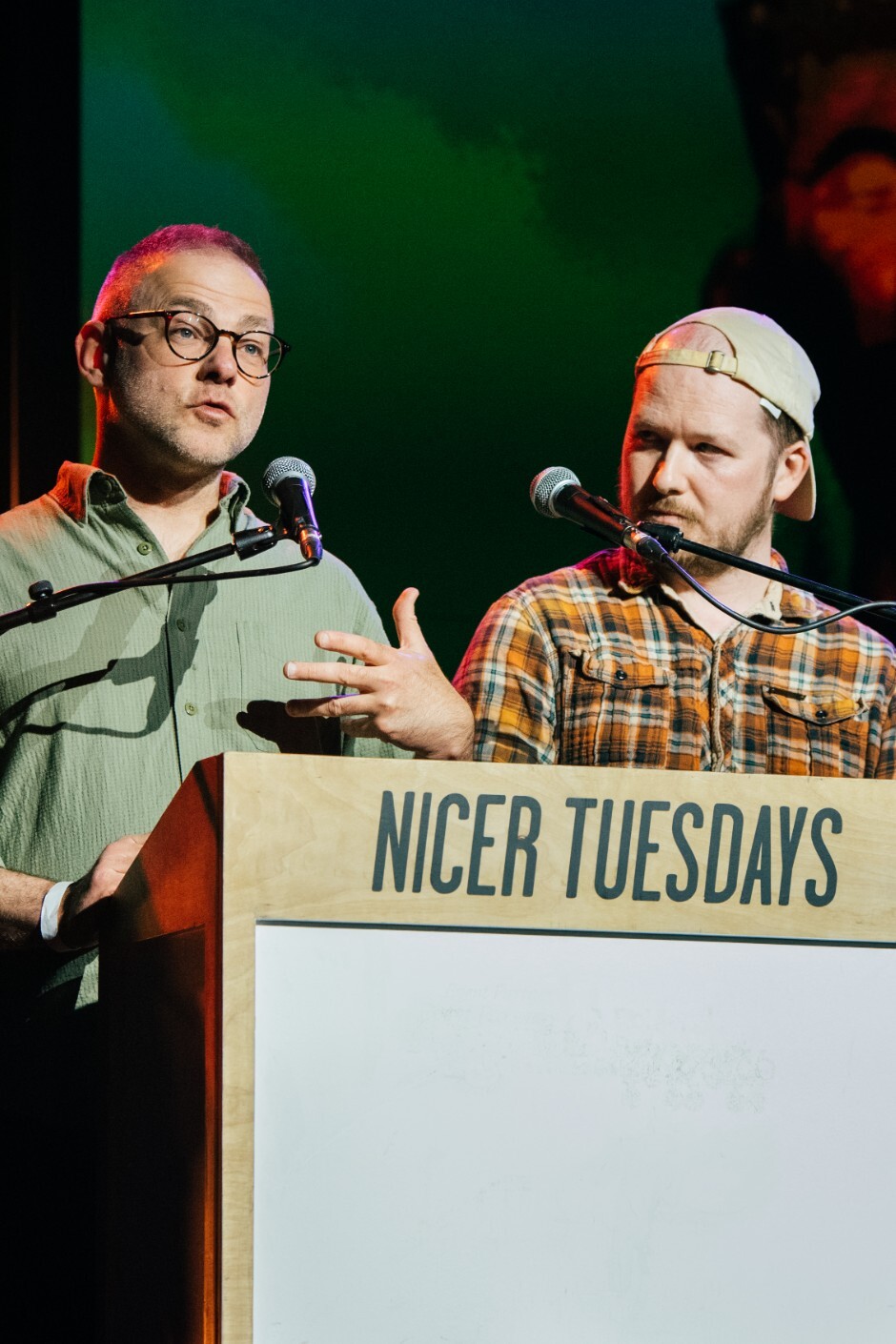
Will Anderson and Ainslie Henderson
Bringing stop motion sorcery to BBC’s Small Prophets
Watch -
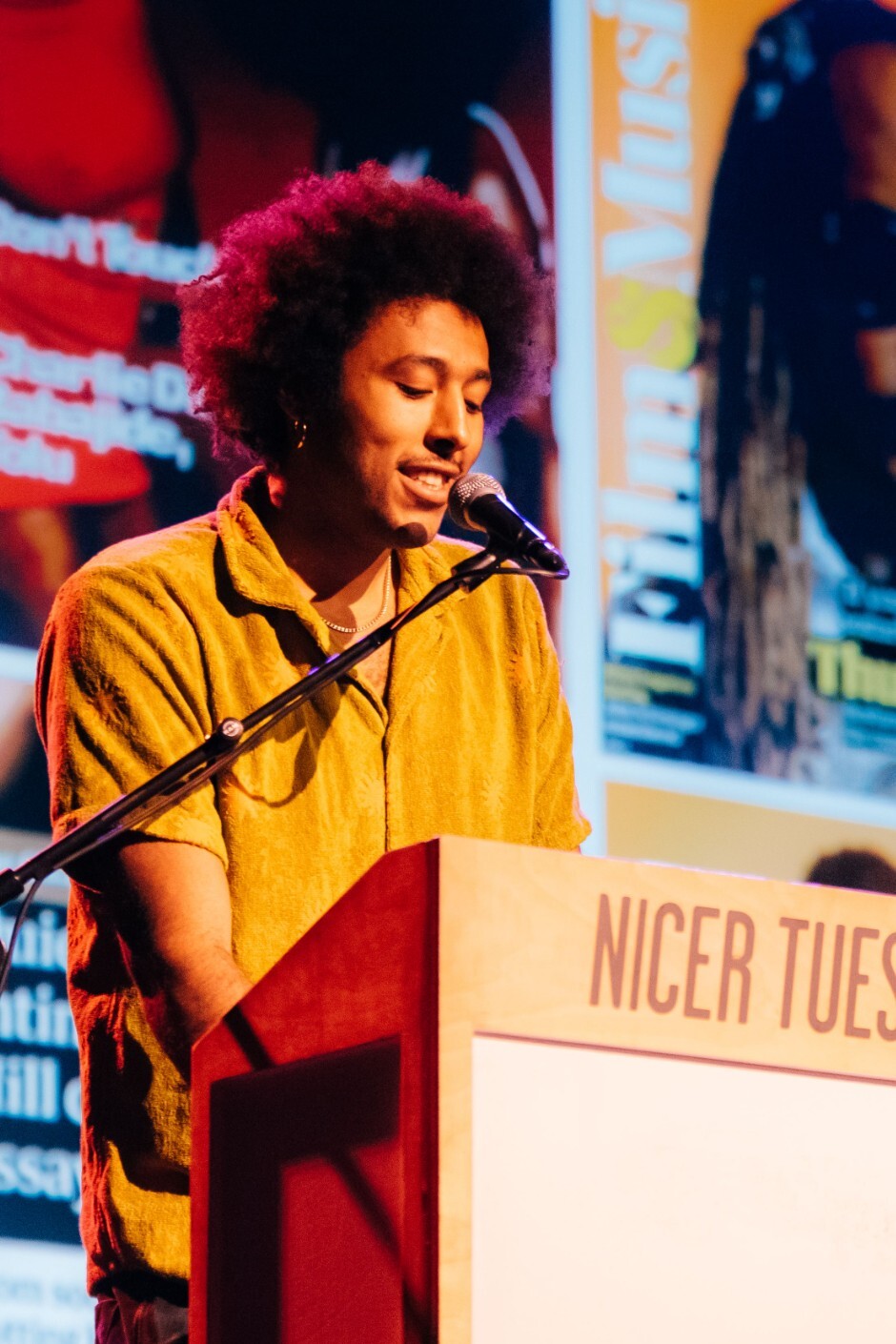
Ollie Babajide Tikare
The importance of not flattening the complexity of observation
Watch -
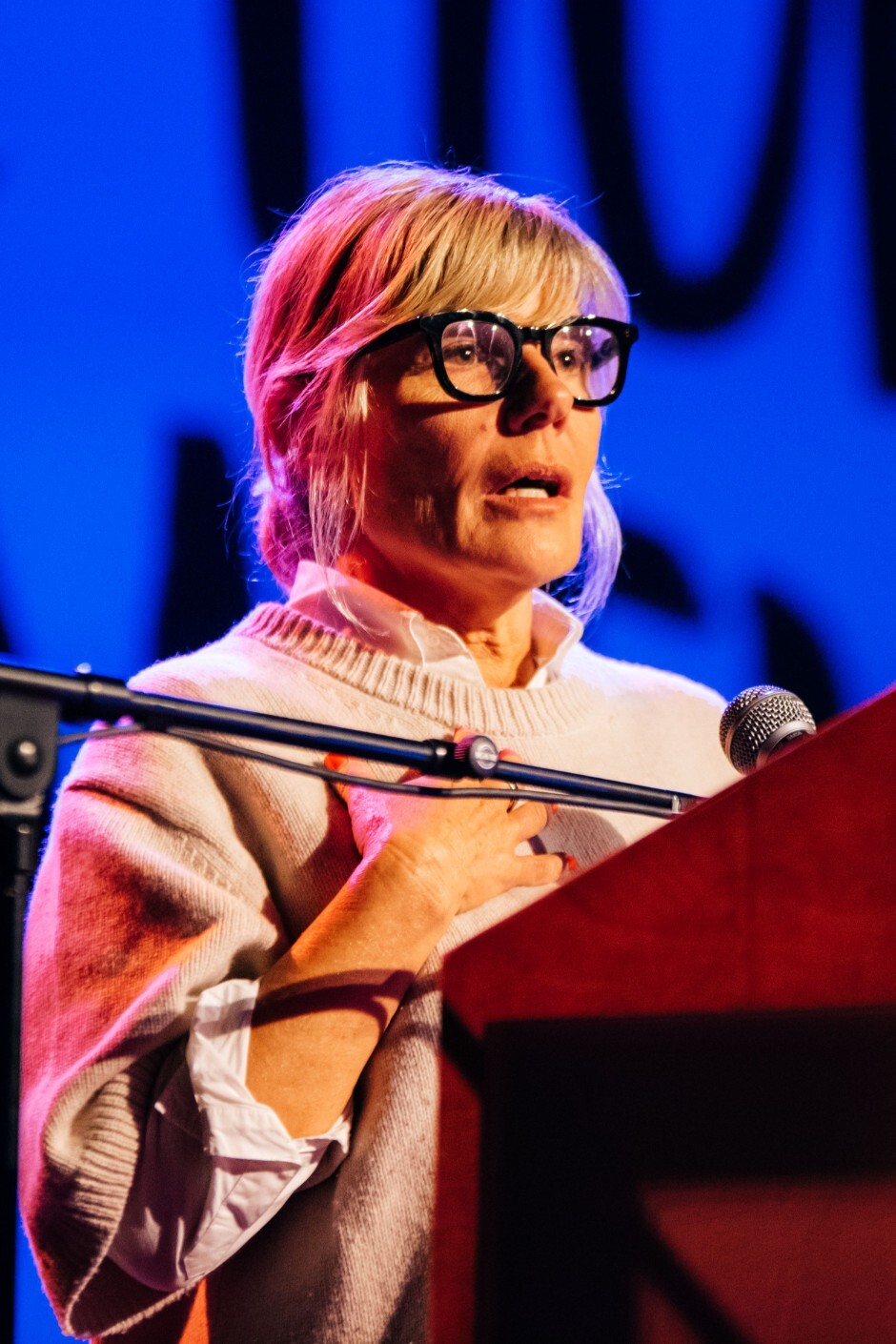
Marina Willer
Design thrives when you find poetry in the simple things
Watch