
Unmade
When every garment stays unmade until you decide
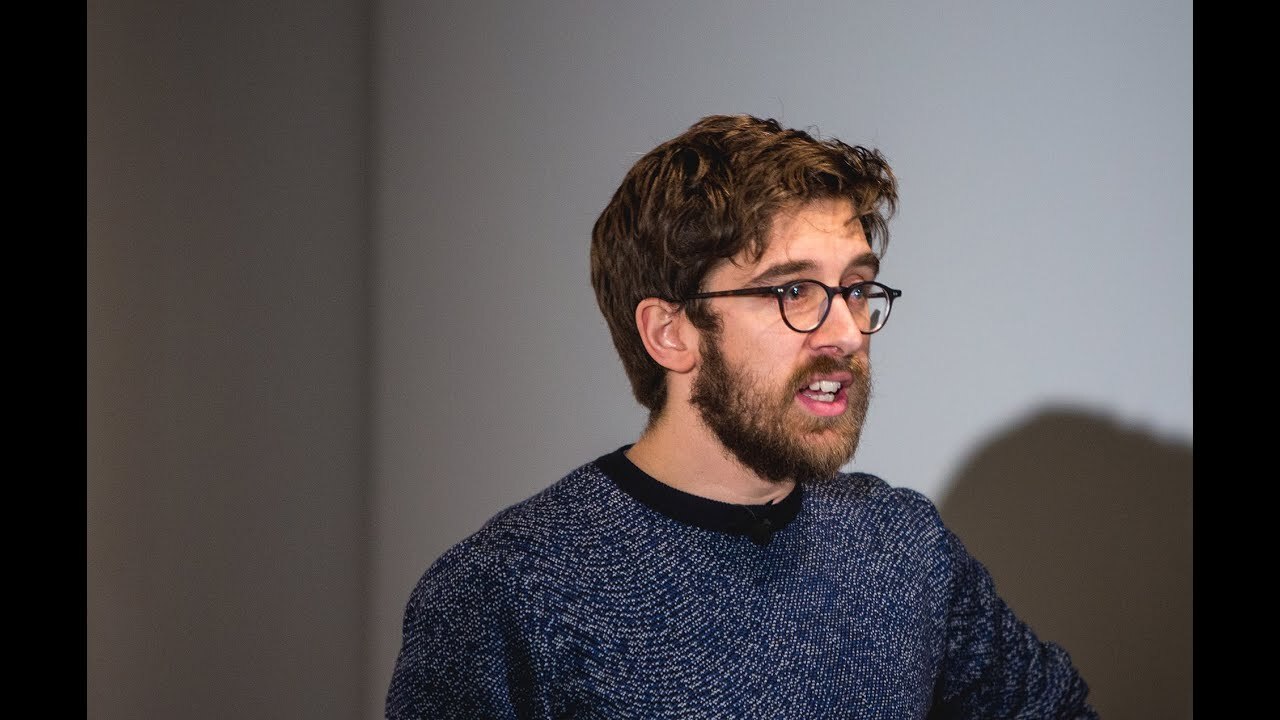
“Everything is unmade until the union of all those three are joined — we provide the platform, the designer provides the expression, and the customer provides the choice and control.”
hello there and my name is Ben Allen Joines I'm one of the founders and creative director abun mate and as this is the highlights of the year I'm gonna dig into what's been quite a crazy year for us but first of all I'll tell you what we're up to so these are this is an industrial knitting machine makes about hard to say but about 20% of all the world's clothes but the problem with these machines is that they're really hard to write software for and so what we did as a first step was write a new piece of software and this is quite a complicated language but write probably the first one of the first parametric systems for
clothing and in simple terms what that means is that we can go from making we can make thousands of different unique items for the same price as making thousands that are the same and at the beginning of the year some of you may have heard of us as Nitin and so that was really about trying to build this kind of underlying technology really and so our new name is unmade and so I'll go over are you of how we unmade Nitin so the beginning of the year started with a plan like most people's years I suppose but rather than one it was like a million and trying to work out exactly what we should be doing we just closed
our first pop-up shop and there's Nitin and so we one of the things that we've done by changing the way these machines are run as we can start to bring these machines closer to people and we put this in Somerset house and you could see everything being made right in front of you and we did relatively well out of that and got their press and all this kind of thing but there was a problem people were falling asleep at their desks the studio was a complete mess and the toilet was somewhere in that direction so we put together a strategy which as you can see was like really simple and straightforward and just go
upwards that we would like knock everything out of the park or something like that and we had a problem in that we were based in this amazing studio space in some of the house but they didn't tell us that they had any spaces left so we got the plans off them because he didn't believe them and went around at night around all the building sites and we managed to find a locked part of the building and convinced them that this perfectly usable conference center was definitely they should give it over to us and this cool 80s vibe going on so they said yes we've stripped all the roof out redid everything you
know painted the walls a bit and as a result of what we've done it Nitin with technology also raised some investment which meant that we could start to grow it's a much bigger team and fill the space and start to look scarily like a real company which still terrifies me every day the great thing about this new space is that we had loads a room but the problem was that it was one floor up from the ground and if anyone knows anything about industrial knitting machines they're very big and they've barely fit on the back of the trailer so to get them up a floor we had to get an industrial crane into the carpark of
Somerset House which was kind of fun and put them on a winch through the window which you can see on the top right there's people there expecting some lovely new knitting machines and it was great when they arrived and this is where we make all our clothes other than the scarves that we make in our shop in Floral Street the next step was how we can start to take this idea in and show people exactly what we were planning so we managed to get a really short term lease on a shop in Covent Garden which you should all come to it's open until Christmas Eve on floral Street and we built it all ourselves
and started to put together as a wireframe of a real shop so it's but we're not we have enough stuff to build the proper shop so we've got a small and put one of the industrial machines at the back and then because we were starting to change names we had to think how we could draw people in so what if we built a sign that had some sort of crazy LEDs in because that will definitely draw people in and then the final step of the process was realizing that probably Nitin wasn't the best name if we are going to dominate global fashion or something like that and so Nitin was quite linked to knitting so
how could we come up with a new name and this should start there were like a million different names of every kind and I think my girlfriend wanted to kill me when I was walking around the park and she was like oh look at that creation and I would be creation I'm trying to come up with something that made sense that had the power of what we're trying to convey but was different and so that then led us eventually to the launch of unmade and what is unmade so what we realized with Nitin was it wasn't necessarily about with knitwear technology but it was about the new sort of relationship that we were starting to
produce between designers and customers so we then sit as a platform between the designer who is amazing and can do all sorts of things and the customer and in fashion they've always been very separate so what if we can start to bring the to much closer together through technology and start to create much more of a one-to-one connection through the internet and why we call them meds so all three components come together and everything is unmade until the union of all those three are joined so we provide the platform the designer provides the expression and the customer provides the choice and control and when
they press that button then we manufacture everything for them so let me give you an example so if you land on our website you can see that you can change every single one of the patterns and you can play with them and everything that you see is exactly what will be man factures so we've done this not just with ourselves but how can we start to create a platform for designers so we worked with Christopher Rabin the British menswear designer amongst many others and this is a map of Borneo based on his Borneo collection in June and you can see all the different views you can change the graphic and all sorts of
things that when you press that button it's then manufactured so this is the step through the process so everything is made in Somerset house and this is our shop and Wall Street with our lovely sign and when you press the Buy button it's sent over to one of our industrial knitting machines and it's made we make everything in 100% merino or hundred percent cashmere and it's all made in London which is pretty unique and the output of our machine thanks to our software we can make one minute blue and light blue black and whites and scarves jumpers all sorts of things different every time which is the power of the
machines which we didn't do but unlocking the process so that we can then start to work with all sorts of different designers and create a product that expresses the best of the designer but also leaves room for the customer as well so we make digital printed label as well that then has the name of all the of the customer a unique number and then a certificate as well we leave to you and then when that's completed it's all folded up packaged in our lovely tissue paper which we did with bibliothèque and it's boxed with the certificate and sent to you luckily I've gone a bit faster than I thought so now I can talk a bit more in
detail than I was planning about the it's nice that collaboration so this is our shopping floor Street and there was some examples of the scarves and you can go in and see everything and it's rather than it being a finished piece they're more like style guides and you can make your own version so that's available now in forestry in calm garden and on the 7th of January we're going to move to Selfridges so come and visit us then and we did a really great collaboration with it's nice that and there's some example scarves and which if you want to come and talk to me you can see that we did with Peter Judson ed Monahan and nuvvu
and one of the things that we're really interested in is how we can tell the story behind the design so we go and film all the designers and see how they make stuff and I just want to show you this video with Ed Monahan because he's my name's Edward Monahan and I normally have quite a lot of trouble actually trying to explain exactly what to do I think I send graphic artists I was very shy when I was younger so I probably needed a different way of communication which would be different from normal socialization normal working day seven or eight cups of tea that's that's pretty much all I've got for you really
the way I do lines like I'll arrange them in a really curvaceous sort of satisfying way I think as a sense of balance I'm from Slough so I think the neat food color comes from South because it's very grassy it's really really great have you seen the office that environment made it sort of necessary to see something see something else and so with Ed we then made the scarf which is a large illustration that he did of a room and you can move around the room and this is then produced in a hundred percent merino in a range of different colors so thank you
Latest Talks
-
Will Anderson and Ainslie Henderson
Bringing stop motion sorcery to BBC’s Small Prophets
Watch -
Amber Weaver
How does contemporary type design translate into the wider world?
Watch -
Murugiah
Why you should reject the formula and make art about things you love
Watch -
Marina Willer
Design thrives when you find poetry in the simple things
Watch -
Lizzy Stewart
The hundreds of drawings and writing-on-a-whim that goes into comic novels
Watch -
intra
The rewarding process of recognising the art in obscure everyday life
Watch