
London Terrariums
Growing tiny worlds in pickle jars and the Victorian science behind terrariums
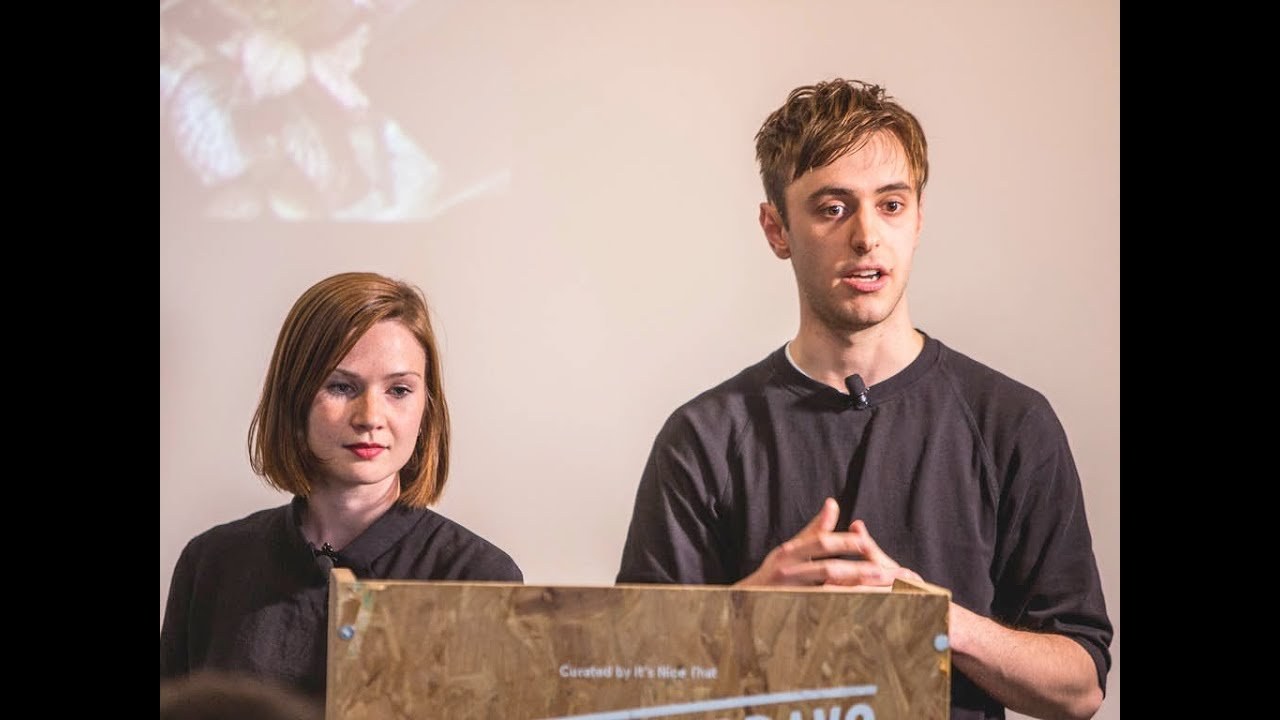
“It got to the point where we had so many around our rooms and around our houses and friends and family were asking to buy them or just have them as gifts and it got to the point where we were making them for friends of friends and then eventually people that we didn't even know.”
Hi so we're London terrariums I'm Emma and this is Tom we started London terrariums about 18 months ago.
Basically just out of a love of gardening as elves we both grew up loving Garden gardening I've got really fond memories of making miniature Gardens at my grandparents over the summer and Tom's house at home with his mom was full of plants it was basically like a jungle so the first terrarium that we made we basically used a pickle jar and we had read a bit about them before and just wanted to experiment so we used all the stones from Tom's front garden now 18 months old and he doesn't have any stones in his front garden and then filled it with compost and loads of plants that. Basically just took cuttings from our friend's house plants and from memorable places that meant something to us we found that terrariums became really really addictive to make so once you've made one you want to experiment keep adding different plants different pot toppings and it kind of got to the point where we had so many around our rooms and around our houses and friends and family were asking to buy them or just have them as gifts and it got to the point where we were making the for friends of friends and then eventually people that we didn't even know.
And then our friend Laren a very close friend of ours opened up a cafe and asked us if we would mind installing some in there for her.
So we did and that was kind of the initial like idea of some this could be something.
So we installed them in there and that provided a lot of a lot of exciting things for us so after that first install we began to get a lot of interest for private commissions for restaurants and install retail displays as well we also got a huge demand for workshops which is something we were particularly interested in so after that once this demand for us sort of came about we suddenly demanded to learn a lot more but not only about Horticulture but about the terrarians themselves and we realized that the terrarium was a Victorian invention made by a guy called Nathaniel Bagshaw Ward and Robert Fortune who was one of the curators actually at the Chelsea physic gun they not only revolutionized the transportation of plants around the world but but they also facilitated the the Victorian Obsession for ferns at the time which was known as terania but we were so inspired by Ward and Forin that we began to experiment with different soil and compost mixes a whole number of vessels it s opened the doors for us really we you know we tried different mosses and things like that as well.
But we also found we hid a big learning curve so when we had an install for a for Merchants Tavern which is a restaurant in shortage we realized that cactin succulents didn't do that well you know in the really close humid environments and so we had some failures but we also had some real successes off the back of that with that applied knowledge as well I also realized a lot of more tropical plants did you know well in them because of the you know the Akin humidity to that to that environment what I talking about next so we we we did you know we started growing a lot of domestic herbs as well like like this wheat grass here we mint and Basel and things you know when you get mint and Basel from your local supermarket you know it doesn't do that well you get a few leaves off it. And it's great and you might pot it up and might it might sort of just die but you know we we realized when we put these in kilers and things.
And we made them properly as a proper terrarium we realized our kit were abundant with them really and his this is weat grass is sort of grown quite overly well so you know not only with these aesthetic things we realized that. Basically we had open the door to something quite scientific as well we were recreating the transporation process on a very small scale and when we realized that we you know we had just hit the tip of the iceberg of the journey that we're about to embark on neither Tom nor myself have a background in h culture and that's something that we get asked quite a lot.
But I think this is quite apparent in our branding we both studied design and illustration. And I think that's really important to us when it comes to The Branding of London terrariums so the tip face itself Tom meticulously wrote by hand and we're lucky enough to we screen print it all ourselves as well.
And I think that's think that we really kind of want to kind of it's the embodiment of the brand we're kind of quite inviting but with a sophisticated back foot the idea of a terrarium for us is that we want to kind of place it in between like the kitch kind of terrariums so we see a lot of them with like miniature people inside which is it's that's not really as important to us it's more about the science and the experimentation of how it. Actually works as opposed to it also being a really expensive ornament something that won't actually grow I think it's the process and the patience of watching a terrarium grow that is really important to us.
So we do a lot of the printing ourselves we want to keep everything in house but we're also really lucky that we've got a like a lovely surrounding of friends and the F the the photographs and the photography that we use is done by a very close friend of ours and I think that something. That's quite encapsulated in our whole brand we want to keep it quite small and quite close to home I think LT Grew From a passion of making opposed to seeing it as a commercial product to sell we love doing workshops and the teaching people is that's what we most enjoy I think as well.
This is it permeates through the tools that we use which is a major a major feature for us we wanted it to be that you can you can make a terrarium using anything you can find around the house so the first ones that we used were a cotton real taped to the end of a stick a brush and we don't have any spoons left in our house because we've tied them all to Sticks and then.
But we also found some tools that did exist that we didn't need to change so here we've got a radiator brush which I didn't even know existed if you want to brush behind your radiators and this is a corn on the cob skewer that's stuck to the stick which occasionally is needed when someone drops corks and other items into the giant cboys that we have here's a photo of Tom here using the radiator brush which is perfect for kind of mirroring the profile of the carboys to clean inside which before was really difficult but with these new tools so each project that we do provides a new challenge for us so what's next well we've just moved into a studio in in buray which we're really excited about it's not only allowed us to work on a on essentially a more mass scale but it's allow us to experiment with much larger vessels you can see some of these really large ones in the corner here and keep stock of plants and really really take note and conduct a sort of experiment on like I said on a much larger scale we can we can even start growing our own Moss as well which is something we really excited about this comes on to our final point that you know we you know we we fall into this this has exploded in our faces and I think something.
That's quite capsulating for us is that we would never would have thought halter culture would have been something we would have wanted to do and that's quite a nice theme that you know you might have a quite set path in what you're doing and then you might stumble into something else and actually fall in love with it we're also quite keen on London terrarium to being more than just the terrarium and I think gardening on the glass is a is a real is a is a really nice subject that permeates across the urban environment in cities across the world and you know we want we want people to be able to enjoy gardening even if they don't own one or a rented property and doesn't quite you know you don't want to quite invest so much time in it because you're going to move out in a few years. And we want to focus that in our workshops and bring that to children and you know and adults as well.
So we're just going to finish up oh sorry we'll go back to that I just want to finish up with saying thank you to it's nice that for having us. And we're going to end on a film that we've just had to recently make and I think this kind of encapsulates everything that we've just said about we neither Tom on myself have made a film before or edited it. But yeah this is the end result so ♪
enjoy ♪
[Applause]
[Applause]
[Applause]
cool thanks thank [Applause]
Latest Talks
-
Will Anderson and Ainslie Henderson
Bringing stop motion sorcery to BBC’s Small Prophets
Watch -
Amber Weaver
How does contemporary type design translate into the wider world?
Watch -

Murugiah
Why you should reject the formula and make art about things you love
Watch -

Marina Willer
Design thrives when you find poetry in the simple things
Watch -
Lizzy Stewart
The hundreds of drawings and writing-on-a-whim that goes into comic novels
Watch -

intra
The rewarding process of recognising the art in obscure everyday life
Watch