
Stephen Tayo is a Lagos-based photographer known for integrating philosophical insights into his photography practice, which emphasizes ethics and collaboration. He explores themes such as cultural identity and artistic representation through his projects.
Stephen Tayo
How studying philosophy shaped a photographer’s search for dignity in Lagos
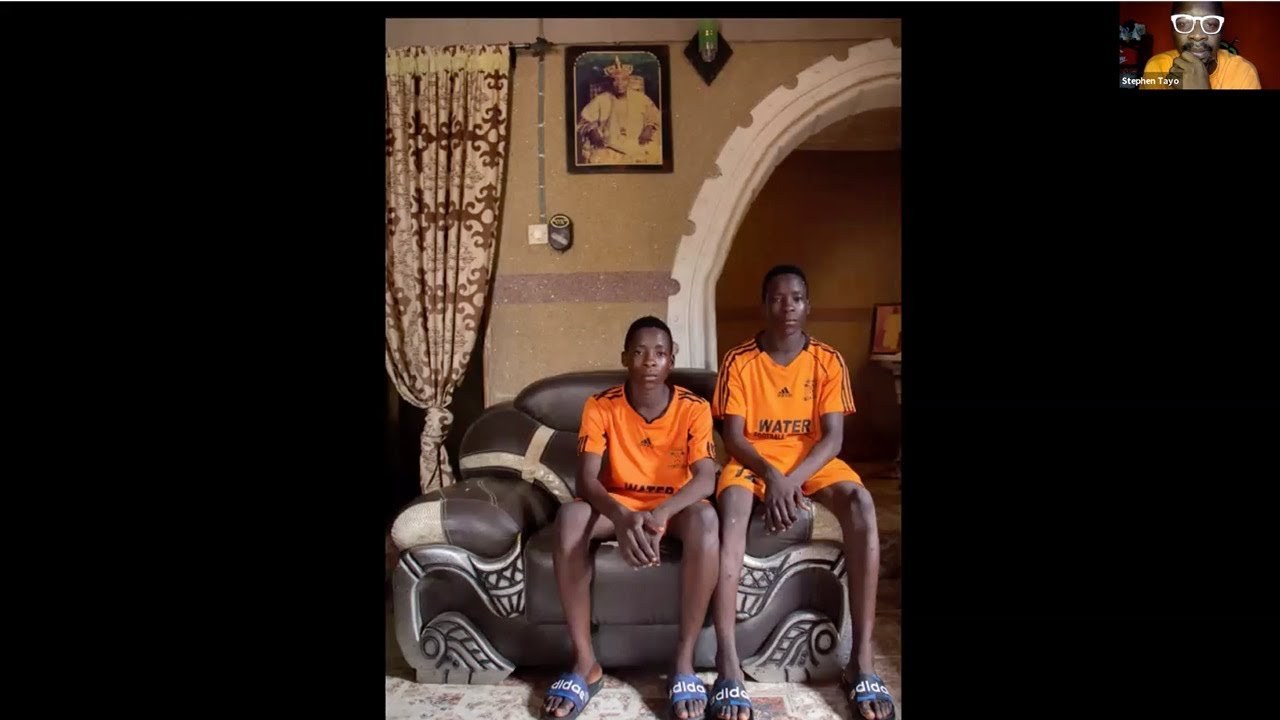
“How do I protect the dignity of the subject of the photo? It’s always a collaboration, two people working together, not forcing my own way on the people I'm shooting.”
Transcript: May contain minor errors or formatting inconsistencies.
Um stephen teo is a fashion and documentary photographer based in lagos a true flanner his work depicts the characters outfits and scenes he encounters on his journeys wandering throughout his home city steven's interest in the everyday goes far deeper than just surface level aesthetics though and goes back to his degree in philosophy well tonight he's joining us from lagos to talk through this link between photography and philosophy in his work and stephen I'd love if you could turn on your audio and video so we can actually see you there you are you're still muted there you go hey how's it going not bad just I've been home all day today just chilling to be honest yeah that sounds alright yeah.
I think we're all we're all pretty used to that now aren't we but you said that yeah nigeria is going into a bit of a kind of a second lockdown potentially when we were talking before how has that been affecting your yeah I guess your creativity over the past kind of couple of months I mean I mean I I've had to now you know understand um what really are important in life to be very honest you know it's been more of me reflecting reading and reaching out to the loved ones and like making sure I I kind of keep in touch with people you know the pandemic as no one actually ever assumed you know we are going to be here has you know changed everything like you know the way we think you know what we prioritize on and everything. And in lagos is I mean we're getting these scary parts where you know we have more cases than before now more debts than before now.
And we might be forced into another phase of lockdown um also because we don't we don't see any traces of any vaccine anytime soon. So it's quite like you know a very intense time you know.
But we hope for I'm the best totally well yeah we wish you all the best and obviously everyone everyone your family and everyone you know in in nigeria and I'm going to leave you now to do your your presentation. So if you wouldn't mind starting to share screen and then I'll kind of leave you to talk through your work and yeah as I said to everyone else if you do have any questions click that q a button. And I'll try and get them in afterwards all right stephen I'll leave you to it hi everyone I'm just going to be sharing my my journey as a philosophy student at the university of lagos in nigeria when I was applying for uni I wanted to do anthropology um so bad because I I love the idea of you know keeping the culture just you know making sure there's a preservation there's a dig meeting that where you're from and I'm always about that that life. And I felt like you know anthropology was going to kind of help me to see where to kind of you know join this together unfortunately the university I put in for don't have anthropology so then I then research again to see what was close to that. And I chose philosophy I gained admission.
And I kind of now felt like you know. I mean philosophy was more like you know what I actually needed you know to to study to do all of those things. And we had to deal with so much on ethics you know metaphysics epistemology like literally every like you know um everything that kind of connects knowledge how knowledge is achievable our knowledge is you know. I mean can be approached or can be seen and and and this has actually been um a journey for me as a as a photographer because as we all know like you know there's always this conversation around you know what could be called an iconic image what could be called this is the most you know like the best photo of the year the that of the year and and what philosophy does to me was to first of all look validate my work by myself and doing this was you know was tough you know. That's like you know looking what like you know kind of be stable on what is really available to me. And I I feel like you know.
This is the best way to go and I just want to like touch on like what philosophy is for a bit philosophy generally is like a love for wisdom and and has made me to kind of you know connect you know how how to you know like touch on and the factors you know in philosophy into photography so when I'm when I'm making documentary work I think about um how do I protect the dignity of the subject of the photo how do I protect you know the value of the of the person I'm photographing not necessarily you know trying to you know do what I want so it's always about like collaboration it's always about like two people working community kind of effect on on collaboration rather than me. Actually forcing my own way on on on the way I shoot people.
And I'm going to share for example some of the series I've worked on in the past ibegi means literally twins and the the the research approach to this work was I wanted to kind of look at how you know two people can look alike and two people dress alike to people kind of you know always want to you know just have the same identity and the research was what if they actually don't want to look alike so there's always this assumption. And this is also a research based on what I see around me in lagos in nigeria how you know when people. Actually give birth to identical twins the first thing that comes to their head is how to make sure like they have the same aircraft the same you know outfit the same you know accessories and all of that.
So I feel like you know this also could be damaging to this to this psychological you know um activity of of different um like different like you know set of twins and I I worked on this for for seven months and it's still ongoing and I still haven't been able to come up with like an answer and also applies to this set of twins as well one is a a a a medicine student and the other one studying law and for the most part you know they just really always find themselves looking alike all the time. And it's also very like you know funny to to see that they don't really have control over the way they would love to actually look independently and this was what you know my baby series was really like investigating and you could see even this set of twins even though they don't wear the same thing like literally every time they they go out they they they feel this you know they feel this um you know this continuous synergy that kind of you know say if she doesn't want to eat rice the other one wouldn't eat rice if that makes sense so like there's this like constant you know check and balance way of you know them saying oh I'm going out today do you want to come along and the other one will be like oh I'm going out today do you want to come along so the bj series was really really looking at this situation.
And I haven't I haven't completed the project yet so like the vision for me was to be able to shoot close to 500 set of twins you know. That's like the vision I set for myself and and these questions I'm asking really was informed about like when I did when I did epistemology at the university because um when I'm really stuck on approach by which I want to go into in philosophy in photography I really just you know buy random text books that I see at bookshops to see what I can you know just find interesting and then I I was reading I was reading a book on epistemology and I felt like you know it was like it was a nice thing to investigate you know to see you know how really like the the imbalance of like psychology has affected twins that's really like the identical ones also like these are two girls who um are funny uh also like you know they wear the same thing they actually on the same job they they I think they are just like for them when I when I spoke to them they think it is really impossible for them not to look alike you know they wish for example to get married to like another set of twins so and I kept asking if really like you know if this is what they want for themselves and they were like this is what we've been you know.
This is what we've been informed this is what actually we've I mean we've been like this all like since the beginning of our life so like and I feel like you know like kind of looking into like the psychological effects that that that can generate is very interesting to see because um also like we need to also understand that like twins especially from this part of the world was a big case you know people don't think they should be seen as human beings so like and I also don't want to stress on on the on the mythology around it I feel like you know because the work is really really from like the from like from like now what we see now. And I I really feel like you know having to you know look alike I'm dressed alike necessity doesn't mean they want to do the same thing. And that's really like the the strength of the story for me and also these guys are they work on aca and lagos so like they they literally are like co-workers they they do the same job they are not married yet so they also wish that they can marry also another set of twins so like I feel like you know it's it's a choice at the end of the day but also I think this could be an interesting conversation to have like how do they get to this you know level where they want the same thing you know.
And some people have argued that like identical twins is like giving back to one child twice you know and that was really like what I was investigating um also like these two kids also wish and hope they become like you know professional footballers in the future and and also it's very interesting to see another effect of you know having to look alike having to dress alike and also kind of choosing the same part as as identical twins also these guys actually interestingly they're from my university they used to I mean one used to play basketball. And this one used to play volleyball. And I wanted to bring this case in because I feel like you know they have been able to kind of like separate their choice of once and and also it's also like a conversation how do they come to this level and this also is like a very new series as as no one has seen this before it's never seen before it's like a very interesting story that I feel like needs documentation in lagos because we are known to be a love of alphabet afro and it's also very interesting to see that. There are kids out there who necessarily don't want to be informed by the afro music.
But they want to like you know also lost the interest in ballet and it's very interesting to see that like like like so many so many young kids are really like you know challenging amazing interest in dancing um interestingly in this form and and this is blessing who started like ballet dance I think a year and a half ago and she said ever since she started like she she said this is like the best thing.
That's happened to her. And I I I feel like you know it's it's really unusual for me as a legation as someone who has been in nigeria or all his life to see like someone really like passionate about you know something that it seemed to be a foreign thing.
So I felt like you know I needed to create like a conversation of how people has actually like embarked on this conversation of ballet before him like is it really foreign like I also needed to kind of investigate why people think it's foreign you know.
So I think you know um really like the the series is really to expose the fact that you know there's there's been a conversation around like you know the dance being a foreign dance and maybe like because there's there's a lack of documentation from the past you know this. Actually could be something. That's been within us for for years that we don't know.
So I feel like we need to you know you know started like making this interesting series about kids who really love to you know dance and like just you know not just dance but in a very very peculiar form of ballet and you know and you know I spent like a few few days with the girls and I I really feel like you know you know.
This is very outstanding you know I feel really motivated because like when I was growing up I really wanted to be the next kobe brand I really wanted I wish I could become the next you know you know um big basketball star but I'm growing up I realized like there was like a lot of like lack of opportunities and I I just needed to like pick a new interest so I felt like you know these kids are very very I see myself in them in a way.
And I I'm I'm making this story really to create as many awareness and you know to kind of call out on so many people who could support who create so many opportunities and to just you know kind of keep the hope alive um I think that's really like the motivation of this story yeah.
I think that's pretty much where I would stop in my presentation I hope you guys enjoy it and hope you hope you guys have fun with the rest of the speaker as well thank you very much steven thank you so much that was that was absolutely amazing yeah particularly I mean I love that ballet series so much we've just got a couple of questions that have come through from from our audience as well and one thing I've seen you've spoken about this in the past you you've said you want to kind of showcase the beauty of lagos I guess one of those like preconceptions about nigeria and lagos in particular that you're keen to really challenge in your work I know you kind of touched on this in your in your talk but maybe just to go into a little bit more I I personally feel like you know there's like if I get your question well about like you know imagine using like kids for for for for my documentary is the fact that when I was growing up I didn't have any image of myself when I was five years old when I was two years old and I felt like you know if I'm going to be doing it for free for kids you know I actually do not mind because I feel like you know I actually don't know what I look like when I was 10 when I was 15 you know I didn't have any images to show people that oh this is this was me when I was you know 12 when I was nine when I was two you know. And I I and also working with kids could be very difficult you know what I would say to people is that they need to be careful you know like you need to sign as many concepts of conceptual form as possible to make sure like you know the parents are giving you the full um freedom to either document their kids or their siblings and and whatnot so I think also like there's this very like common saying in nigeria that is like you know the children are the future so anytime I kind of point camera to any young person the first thing I see is myself you know I feel like you know um you know this could be me you know. And that's really what motivated like the story of the ballet because basketball was like was was a thing for me like I was really in love with basketball I became really like you know obsessed and everything that growing up I feel like you know there's really like tiny opportunity in this sport in nigeria you know.
And I picked a new interest you know. And I'm not regretting you know. I mean I still play basketball once in a while but everything I really want to you know portray is you know as being like you know imagine imagining myself in other people how do I want to be seen you know like if you are making stories where you know people are like marginalized like you have to also like you know always think about these people as yourself you know yeah totally you know.
That's really interesting and the final question for you came from someone in our audience and they said like when did you realize you can kind of apply what you learn in philosophy into into photography I think there's that obviously you made that connection right at the start of your talk but yeah was there a specific moment you can kind of pinpoint because because also like it took me like some some some I think a year or two to be able to afford a camera so I had like an iphone 5 you know.
And I was using an iphone 5 to shoot you know and everybody said you're not a photographer like if you use a mobile phone to shoot and I kept telling them that oh that's what you think you know. And I kept using it.
So I feel like you know there's this part of philosophy that kind of informed me to kind of use what you have you know there's really no there's but there's no guideline there's no you have to just you know keep doing what you think is best for you if you get what I mean so I think philosophy has always been there.
And I've always kind of you know applied one way or the other so like I I photographed using my mobile phone for a year before you know getting a camera you know. And I always tell people to reach out to me or I'd like to you know be a photographer I'd like to be this I'd like to be that I'm like you know like it's a digital age you know you can literally shoot from your iphone now and points like like a massive walk you know in a museum you know you don't really necessarily need to think about the tools first you think about like what you want to create like you need to think about like how you want to create you need to think about like stories to be created rather than you know like you know this obsession with you know tools I need to change my camera today I need to do that today you know.
So I I think that was really like philosophy has always been there to kind of you know guide me and like you know serve instinct you know and god as well you know I believe in god so much you know yeah that's realistic yeah thanks stephen I think that's amazing advice for anyone in a kind of creative career of any kind but yeah thank you so much for for joining us this evening and thank you if you wouldn't mind turning your audio and video off.
But yeah thank you again for joining us that was amazing it is time you
Latest Talks
-
Will Anderson and Ainslie Henderson
Bringing stop motion sorcery to BBC’s Small Prophets
Watch -
Amber Weaver
How does contemporary type design translate into the wider world?
Watch -
Murugiah
Why you should reject the formula and make art about things you love
Watch -
Marina Willer
Design thrives when you find poetry in the simple things
Watch -
Lizzy Stewart
The hundreds of drawings and writing-on-a-whim that goes into comic novels
Watch -
intra
The rewarding process of recognising the art in obscure everyday life
Watch