
Sabat Magazine
How a magazine for teenage witches became a published trilogy
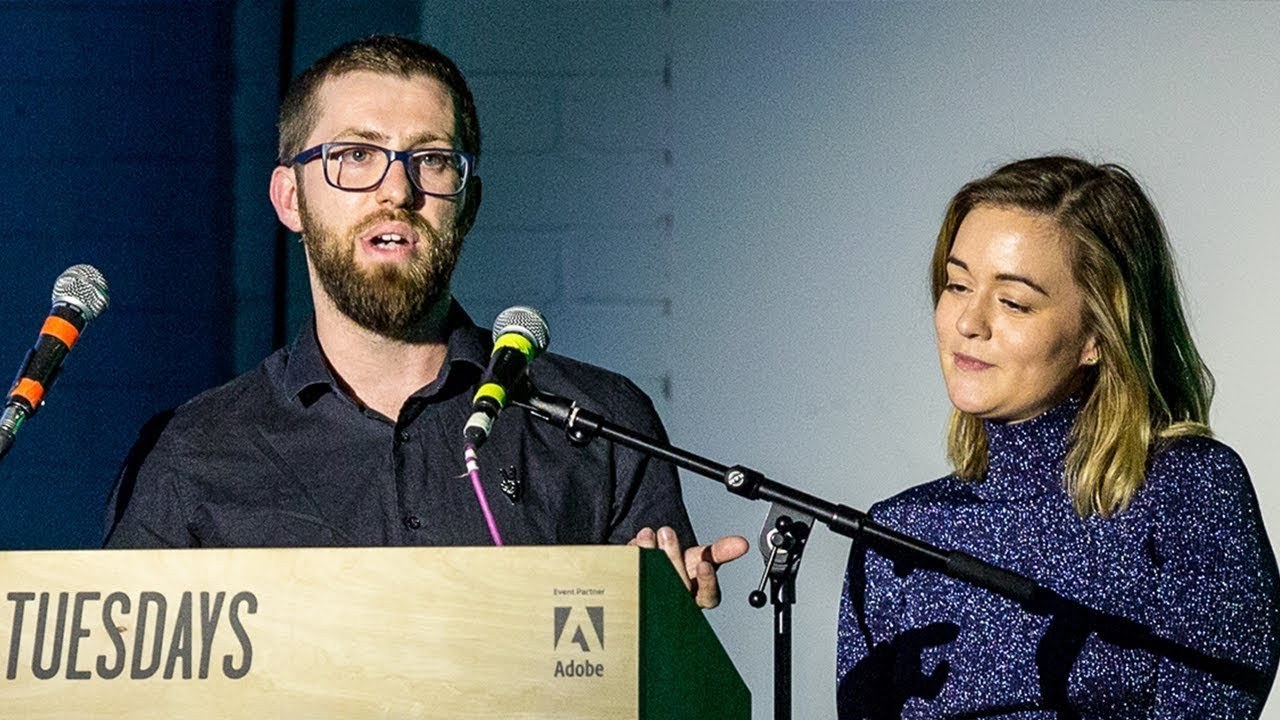
“When your pitch is a fashion magazine for the modern witch it requires a great deal of faking it till you make it.”
Thank you yes so high where Elizabeth and clever. And we're here to talk about Subba a trilogy of magazines exploring modern witchcraft it all started during my MA in fashion journalism at LCF what if I make a magazine for and about teenage witches I'm not sure how I knew that they existed I had a hope a feeling I thought it would be really cool if they did it felt like there had to be other nineties kids out there who wanted to harness the powers of the Halliwell sisters in Charmed or fashion themselves after the craft it was not until I found the witches of Instagram that I came to realize the full reach of this community I felt that so much of the magazines and the witchy products out there what didn't really reflect the minimalist cool aesthetic that I found in social media Celtic fonts as we heard mentioned before I'm drop shadows still ruled and the imagery was far from the Moody and monochrome work I consumed on Instagram maybe there was a real market for chic which magazine ambience I found clever and he got the concept from my vague email and it turned out he was really into witchcraft himself Elizabet introduced Sabba as of witchcraft magazine you would not be ashamed to read on tube it would have interviews with real witches it would have long essays it would have shorter and lighter pieces visually we went for a blend of Criss portrait photography and Atmospheric fashion shoots and illustrations it was a brief that led to a set of limitations that helped us create a minimal framework to portray the contemporary witch in a new kind of Gothic aesthetics we saddle and keep everything black and white and for every shoe a pastel tone as a scent color for the first one who chose baby pink of course.
And this decision helped us to in two ways basically keeping everything black and white would make everything through coherence the many contributions that we had and also save some money in print and we all know of course that which is only were black rights as an outsider making something for this community it was really important that Subodh would feel authentic and representative but it was made up of the voices of real witches most interviews were capped in the Q&A format and asked everyone the first same question what does the word witch mean to you and no reply was the same for pom the witch is a maker of magic a mistress of mysteries and a protector of holy truth for filmmaker Camille DeSaulnier she focuses on the political legacy of the which while herbalist April Graham sees the witch is a necessary outsider who challenges patriarchy when your pitch is a fashion magazine for the modern witch it requires a great deal of faking it til you make it it was extremely difficult finding contributors to our first issue we did most of the shoes ourselves Elizabet work as the stylist producer a director and he's trying to find cheap and creative ways to generate the visuals for example we gathered the internet for which trial poster illustrations or books that resent the witch we didn't playful and sometimes quite unaware of the consequences we wanted the made an issue of sava to capture a young witch just coming into her powers suburb became a space that celebrated all aspects of womanhood even the intuitive or irrational a dark kind of femininity a new brand of feminism where the witch was the central character we commissioned young and talented photographers we also gained access to work from established creatives and Elizabeth considered with which personalities and work most and wrote most of the test yourself we also commissioned a group of car writers that would become the car stone of Sabha like pen that was mentioned before that she unveiled the the trail the tragedy that is the the magazines based that's the maid the Chrome the mother in the Crone and for us was kind of important to have this authority in content but we also got a lot of a lot of spontaneous contributions after releasing the first issue all of a sudden witches from all over the world particularly the u.s. Got in touch and wanted to be part of our magazine there was an abundance of contents we had to make use of randomly submitted work any constant we contextualize it into the narrative of the magazine and this kind of community source content came to be a cornerstone of Saba showcasing it became a way to get around the challenges of her limited budget but it also added a sense of authenticity a realness to the magazine as we were making the mother issue which is an artist like musical burg shared her work in her march to save the beasts and mother earth interviewing the hood which great which character of America we understood that the witch took on different political cloaks for different groups as she has the fights of witches against white supremacy in her Instagram review of the maiden issue Morgan Saran said that she did not feel that her witchcraft was represented in Sopot for the mother issue we invited her to write a piece on sex work and magic for many witches their identity is associated with overcoming trauma with surviving no matter what their witchcraft is personal and we wanted Saba to echo that we wanted saboteur feel as a magical object itself a talisman that the reader will respond to that throughout the magazine we hid symbols a message squirrel jokes are heartfelt encouragement instead of having a mass head for example we our logo is printed just with a subtour vanish it's like an invitation for the reader to discover the magazine if you also connect the ladders between Saba you'll find a pentagram that's a hiding but cliche symbol of cliche but card symbol of witchcraft in our modern issue we use transparency to create layered and interactive spreads and in the Crone we use cutouts to tell the story of an eclipse symbol of death the commercial magazines general format is a bit predictable from the covergirl and the blurbs today story structure and the team is explore it.
But we build on that since we think that's a bit entry interesting to create something subversive to the superficial to the fashion magazine format many issues of the fashion industry became issues for us as well thanks to our growing Network a very colorful community of witches we managed to get around some of them Saab agreed to be more diverse representing witches of all genders colors and spiritual inclinations but one problem remains especially in creating the final cronin issue one that had to do with a generation gap and the history of persecution of pagans the younger witches of the community in particular when it's the older which is represented on our pages yet finding older witches who wanted to be visible was near impossible when we did find experience crowns they would lend us their voice but they would keep their anonymity unlike the Instagram generation of witches this woman they felt that exposing themselves would be putting ourselves in danger persecution for the spirituality was a very recent experience even here in the UK if you don't understand something people starts to looking anger to that so writing this this wave of visibility food by social media we hope that Sabha also helped to contribute to challenge social stigma against which it was clear almost from the start that Subodh would consist of three themed issues the maiden the mother and the Crone echoing the neo-pagan deity the triple goddess and the phases of the Moon it was one way to approach this changing of perspectives and new challenges that face us at various stages of female existence it would be an analogy for all the life death rebirth micro-cycles of our lives like this Halloween a death day but this structure also meant that Subodh had a clear defined end point to it so for now Sabah as a magazine is over but we have other upcoming related projects we just release elements that works as a dessert and is a publication where all pages become posters and where we have tourism for the modern which I think a lot of young women growing up today are faced with similar questions which is or not revoke 'el visible and inherently political we appear to have an ocean of options but at the same time are we changing anything can we really be and do whatever we like do we have powers the modern rich craves a last patriarchal and cynical world and she uses new tools to hack the system but she also offers is another left-hand path when that is mystical and nature orientated where we come into her own feminine power as women and witches a surprisingly progressive passageway to spiritual enlightenment in her many incarnations the which retains a sense of potent femininity individualism and independence of being the necessary outsider or ambivalent archetype the challenges the status quo in her politics practices fashion or simply in her way of life this world can feel quite disenchanting and I think that fashion in witchcraft thought both together and separately can give us a much needed dose of magic and then building in this community our next project is dreadful press stay tuned and thank you very much [Applause]
Latest Talks
-
Will Anderson and Ainslie Henderson
Bringing stop motion sorcery to BBC’s Small Prophets
Watch -
Amber Weaver
How does contemporary type design translate into the wider world?
Watch -
Murugiah
Why you should reject the formula and make art about things you love
Watch -
Marina Willer
Design thrives when you find poetry in the simple things
Watch -
Lizzy Stewart
The hundreds of drawings and writing-on-a-whim that goes into comic novels
Watch -
intra
The rewarding process of recognising the art in obscure everyday life
Watch