
Robert Hunter
Reimagining The Jungle Book through crayon, ink and digital colour for children
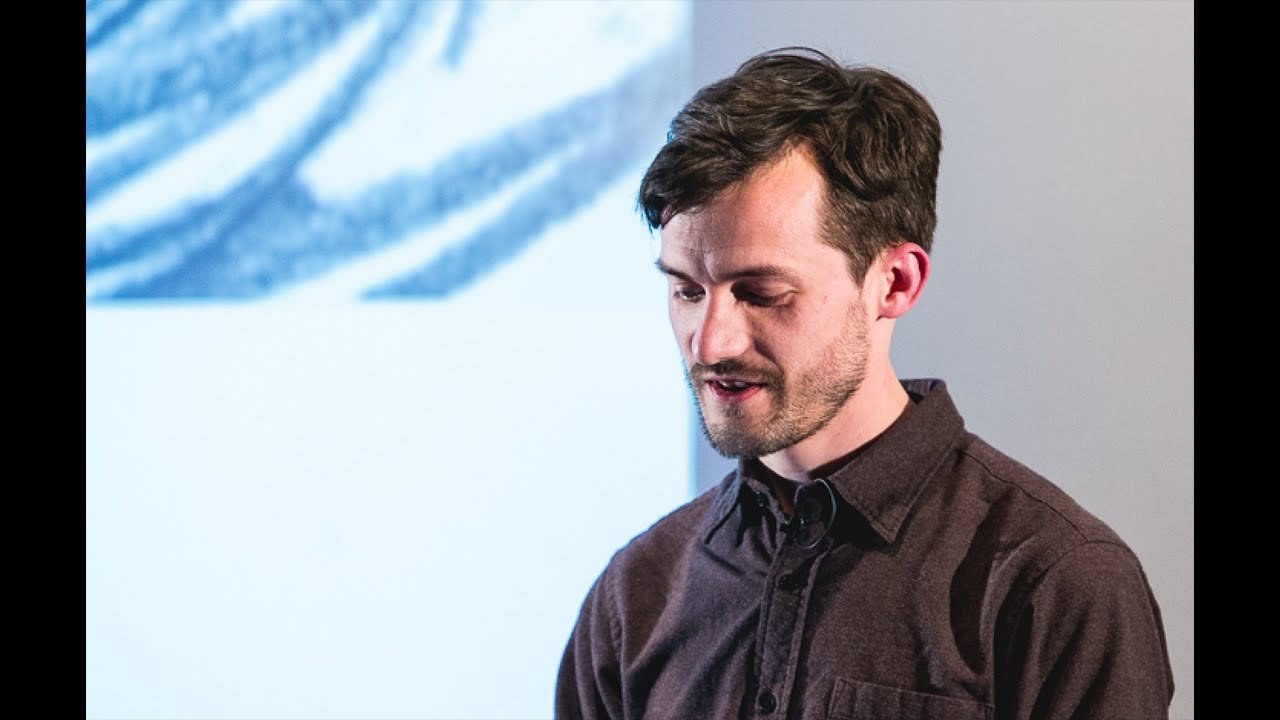
“I just slipped my kind of crappy ideas back into my bag and said yes without even thinking about it, just because it was such a relief — but then the panic set in.”
Hi so thanks - it's nice that for inviting me to talk about this yeah like I like the introduction said I've been asked to talk about my new book The Jungle Book which was released earlier this month and when I was first asked to go to speak about this at the publishers Frances Lincoln they just wanted to see my portfolio and talk about book ideas and stuff like that and the editor Jenny just said I think of some ideas and come back maybe in a week's time. And we'll just talk about some possible books and I thought that she was just being polite really.
So I just kind of thought okay thank you. And we're off and carried on doing what I do and to my horror the next week I had an email saying can you come in and actually present some ideas from a book and she wanted to see me at the next day so in a panic I was writing like three ideas for different children's book stories because I'd agreed for religiously to go to this meeting with nothing and luckily when I got there the first thing she said was do you want to do the Jungle Book.
So I just slipped my kind of crappy ideas back into my bag and and said yes without even thinking about it just because it was such a relief but then you know the panic set in and I had to you know sort of reinvent this classic into a children's book format so that's really what I'm going to talk about it's just the process of me making making the book. So this is kind of the way I start.
This is kind of an insight into my insane looking notebooks I read the original text and was quite surprised at how different it was adaptations I'd seen before listening to before on audiobook and kind of took some of the ideas I had never really seen put into the into films and stuff like that before and started noting down how I would put it into a children's book and at this point I was I was sort of birding with ideas and I was just having loads of fun sort of writing out the structure of what would happen in the story.
But then. I had the problem of trying to squeeze all those ideas into the amount of pages you're allocated for the book which isn't very many for a children's book.
So I printed out all of these or rectangles and started writing down what would happen on each page and I quickly noticed that I was writing lots of notes and arrows and it became evident that I was going to have to lose a lot of ideas but that's kind of usually you know a good fun challenge after cutting parts out and shuffling things around I usually do another pass putting out roughly what happens but at this point deciding you know if the page is gonna be a double page spread or a single page spread or sequence just to try and gauge how the books gonna flow because I didn't want it to be too hectic and because it's a children's book.
I had an opportunity to do really big artwork.
So I wanted to make it as many you know have as many double-page spreads as possible and yeah this can mean just shuffling things around a lot more and just trying to get it all sitting nicely in writing at this point I presented this to the editor and the designer because I wanted to just kind of talk through what I was thinking before I started actually doing any artwork and yeah and at this point we had a really big story meeting and it was kind of like one of the highlights of the project really because they told me what they were thinking about each page and what they were imagining and I note that down.
And I'd sort of sketched things out for them and these are printouts from the meeting and it was good to sort of like go through the whole story and see what the structure was going to be in the flow of it.
So I could go away and start designing the artwork with with all of the information and their enthusiasm from the meeting so starting the artwork usually I test a number of compositions like this and thumb there allow each page as many times as I can before I choose which which kind of route I'm going to take and for me.
This is kind of my notebook to kind of the most useful tool in the process and like structuring the story in the writing before.
This is the the period where I can experiment and and have fun before I commit to anything and time permitting I'll spend as long as possible and doing this. And it's definitely tempting to like rush into doing the final artwork because you've got this kind of amazing source material and you want to sort of start drawing all the characters in the environment that stuff like that.
But I find the longer I spend doing this the better because it's easier to change a little thumbnail sketch than it needs to change like find a piece of artwork that you're really proud of later so once I've kind of got all of those thumbnails in place just chopped them out on the computer roughly and put them onto a document so I've got like a rough overview of the whole book and you can see on this I'm still moving things around at this point just because I feel like it might not flow so it's this is like a really good opportunity to kind of just see the entire book in this really rough format one thing I was really nervous about doing this book is drawing the animals and I was trying to practice as much as I could in my spare time.
This is quite embarrassing showing you these sketches but it was just like to get over the in anxiety if I could drawing these really famous characters and I I wanted to obviously do them in a different way. And so I was practicing sketching the animals as much as possible to try and like get the weight and the feel right in my designs it's quite clear that I needed the practice now because those thumbnail sketches are obviously quite blurry and hard to read my next process is to then put them in the computer and do these digital sketches if the correct sort of form that size so that the publisher can see what's going on and kind of understand the flow of the book and not freak out it's seen these little blurry sketches so yeah.
I just scan in the thumbnail that I'm most happy with and use that as a base and then start to work out a composition from there and through this process I find that I start developing the characters kind of organically through it. And I work all the pages up like that and share them to the client for feedback. And if they're happy which eventually they are I move on to doing the final artwork which looks like this I draw everything like in black crayon and black ink and there's actually a process that I can't show you which is if you see on this one this blue crayon underneath I'll do the entire book layouts like that first and then I'll draw over them in black just so that I've got a nice kind of neat layout to work on I like to do the artwork in one drawing so that I've got that consistency of all the line work because I find that in the past I used to do little drawings here and there and compiled them on the computer and it wouldn't feel like it all sat together.
So this is kind of the process I go through these days and I can use washes and ink and crayon and because it's all going on the same paper at the same size when the books kind of compiled it all has a consistency so once all of that is done I then color all the pages digitally and this is mainly just kind of blocking color behind the line work and changing the colors of the line I do tend to do like a little bit of editing in Photoshop or adding a bit of lighting and stuff but I tend not to do too much of that because in the past that I've definitely made things worse on the computer so in the end the process is kind of both traditional and digital techniques almost in equal measures and I'm always surprised that how the color comes out even when I've planned the book.
So rigorously it's always it's always something surprise to me.
So this is kind of a rough overview of the whole thing the messy thumbnail sketch the digital layout the blue line and then the black ink drawing and then the color at the end one other thing I was asked to do just at the end of finishing that project was my agency blink I said why don't you do a animated trailer at the same time which is you know exciting to do but at the same time as there's a lot of work.
But they convinced me to to do it.
So I worked with with a great animator called Sean Weston who did all the character design animation and made all of the designs move and we were in communication just with like key reference sketches for different poses of the characters so that he knew exactly what it looks like when it stopped and we just kind of worked through it together like that. And we'd kind of communicate with little notes like this.
So that we could discuss the movement and the timing of the project the teaser was going to be of the the cover of the book. So whilst he was animating things I was roughly chopping out chopping up the artwork. So that he knew how far to extend the animation because there'd be no point in him like animating things that weren't gonna be seen so these are some line tests that Sean did we knew the feet weren't going to be seen so that's why they kind of pop on and off he would do a first pass of the animation.
And then we discussed tweaks and movement and design from there. And we had to simplify a few things like the hair of Mowgli just so that it wasn't so laborious for him to animate every frame. And I started compiling the background together with my friend and director Elliot deer and I chopped at the background and so much more pieces than this. So that once we did a camera move it had a nice parallax to it. And then.
I did the sound and put it all together and looked like this thank you
Latest Talks
-
Will Anderson and Ainslie Henderson
Bringing stop motion sorcery to BBC’s Small Prophets
Watch -
Amber Weaver
How does contemporary type design translate into the wider world?
Watch -
Murugiah
Why you should reject the formula and make art about things you love
Watch -
Marina Willer
Design thrives when you find poetry in the simple things
Watch -
Lizzy Stewart
The hundreds of drawings and writing-on-a-whim that goes into comic novels
Watch -
intra
The rewarding process of recognising the art in obscure everyday life
Watch