
Rinchen Ato is a photographer known for her powerful documentation of Tibet and her family’s history in the region. Through her striking images, she aims to decolonise the portrayal of Tibet, showcasing its true essence from a native perspective.
Rinchen Ato
Documenting Tibet and family history one powerful frame at a time
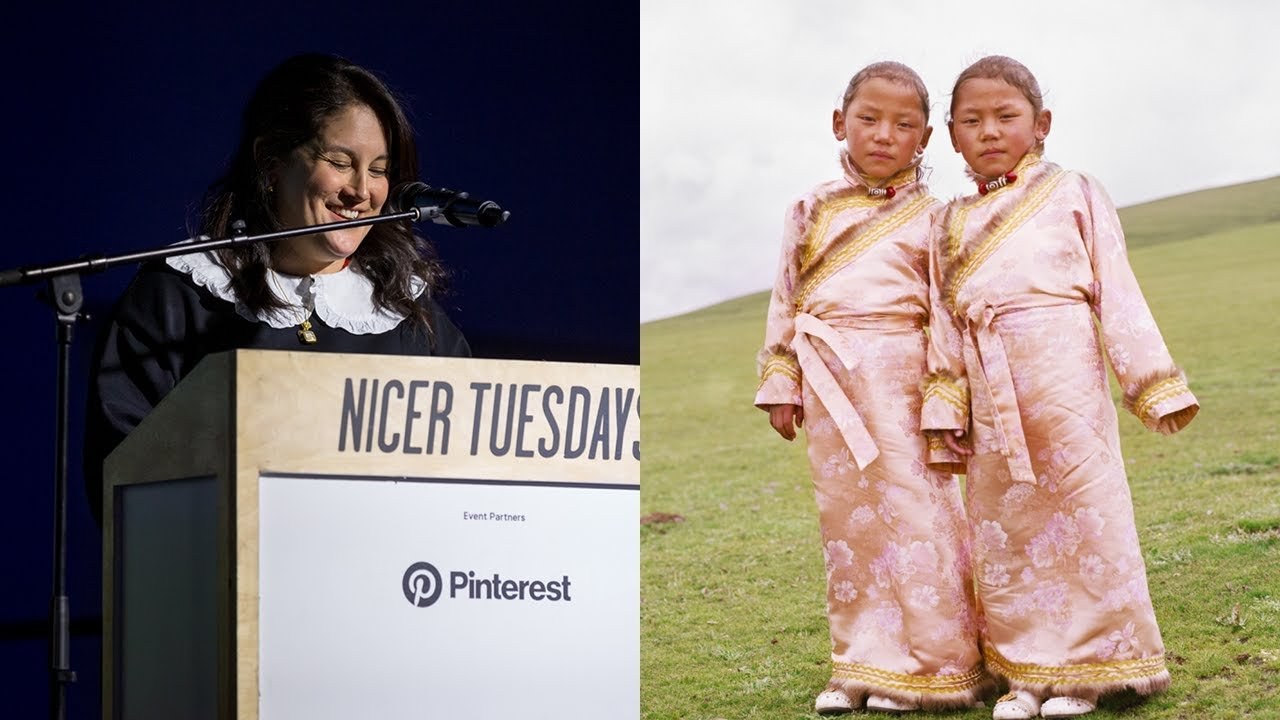
“It’s not just about taking pictures; it’s about telling our story, one frame at a time.”
Transcript: May contain minor errors or formatting inconsistencies.
[Applause]
hello from porn to Tibetan monasteries quite a jump but anyway.
So I mention. And I was asked here by Matt when we discussed my project the photo book come and before I talk about the project itself I wanted to give you a little bit of background about my family and my connection to the work so my father was born in 1933 income which is in the east of Tibet and it's now of the Ching hai province of China and this is him aged 18 before he was born a monk came to my grandparents house and basically said to my grandmother that she was carrying the eighth incarnation of the Tenzing tuku which is a Tibetan every incarnation of a Tibetan spiritual leader and she asks how he knew it was a boy but basically he was and age seven he went to the monastery for his formal religious teaching this photographs quite exciting because it's we found it a couple of years ago.
And we think it's a photograph of my grandfather he's in the front row on the furthest to me closest to me on the right and my dad was one of eleven and my grandfather was the head of a an area with income. And if you fast-forward 20 years with the arrival of the People's Liberation of Army of China my father he was studying in Lhasa escaped India and but because of my grandfather's position and the Communists abolition of the Tibetan feudal system my family was focused on more than others and of 11 brothers and sisters only my dad and two sisters survived so here's a picture of dad with two of his brothers there's only three photographs of my dad and none of my grandmother and the other aunts and uncles so these photographs are really precious it's partly because photography was really rare you. Basically would just have your photograph taken in a photo studio with these incredible painted backdrops but also a lot was destroyed during the difficult times and the only reason we have these photographs is because a loyal family friend buried them with other religious content and he buried them under his dogs kennel and I think the army just gave the dogs a swerve because tibetan guard dogs are notoriously ferocious.
So they managed to survive and when my dad came back in the 80s they he presented them to him. So it was really really precious to us and just so you have an idea of how remote it is when I first went back when I was 7 when the borders reopened there was we flew into Beijing and there was a seven so we flew into Beijing and then three days by train four days by Jeep a day by lorry and then ten hours by horseback to get home.
So it was obviously very remote and that's me looking cool on the train and having done this journey with my kids it's I'm massively respectful to my parents because it's quite an epic trip so I started shooting in earnest when I was around 17 and as I graduate I had dreams of being a photojournalist a really gritty serious photojournalist like Dorothea Lange or Don McCullen and I'm predominantly an analog photographer it's not that I'm against digital it definitely has its place but I find it just can't handle the high altitude light and there's something about the blacks of the shadows and the super bright highlights that it just doesn't do it justice and I've also shot on a Hasselblad for so long now I kind of see in squares which is handy for Instagram obviously one of the beautiful things about shoots gonna hassle blad is that when you're shooting a portrait once you focused the shots you can look up and engage with your subject and photography is a really intrusive act like no one really wants to count well I definitely don't want a camera put in my face and I feel like meeting their eyes you create like a contract with your subject and you you create a feeling of trust and somehow that subject is allowing you to take the picture and with this act the subject is often much more responsive and you kind of give them control of that moment and I think it leads to a more genuine shot or a more acceptable shot in a way so when I was asked when I was growing up where. I was from if I said I was half Tibetan I would get one of two responses one would be that people just didn't know where to bet was and the other one would be Oh Beth they're amazing and beautiful and all the people are so wonderful and smiley which is obviously quite a weird concept because a whole nation of people aren't wonderful and smiley and lovely so one thing I'm really aware of is that the Tibetan communities have been shot a lot by Western and Chinese photographers and they're often cast in this very romantic light sort of foreign or other and for me it's really important that in my work is it's seen differently from that like a Tibetan shooting in Tibet and it's my very small attempt to sort of decolonizing the photography in Tibet because I want to show it for how it is genuinely I still want it to be beautiful and yes it is sometimes very romantic but I just want to try and present it for how it is so this is an image from the project Rising Sun which during the Cultural Revolution people weren't allowed religious iconography like I said before.
So they would hide statues and a lot was destroyed and hide the photography like my dad's photo and so they replaced these shrines and the religious imagery with pictures of Chairman Mao and it was a bit like a show of support and insurance policy but also it's now kind of become part of the culture it's become a tradition so now you're allowed shrines and religious iconography but they still have these pictures in their houses a bit like an iconographic hangover so one thing I've really struggled with in my work is to address the things that happened during the difficult times because they're just best not shared talking could be troublesome for my family or it could mean that I wasn't granted access to return and obviously that's my it's most important for me that I get to return to see my family so my photography ah to work with that so how do I approach this and still address them without kind of causing offence and I really want my work to hold a meaning but not I can over message and it's not I don't want my work to be beautiful like I said but for the beauty to act a bit like a smoke screen for the message and the audience has to work a bit has to like understand a little bit more about the subject and to engage with it to get the most out of it on a side note this is one of my favorite pictures from last year. And it's one of the reasons why I love analog because you might take a photograph and you think this is the shot of my career and the lights incredible it's amazing and you get the contact sheet back and you're like oh so disappointing and then other times on the flip side you'll get a shot back that you think was just nothing and actually it becomes on your favorite so it's always exciting when you shoot with film because you never really know what you're going to get and so going back to my desire of being a photojournalist this project was taken in the aftermath of them a huge earthquake in 2010 the thoth the town was totally obliterated it was like my friend described it like a teacup falling off a table it was over in seconds and then just leaving shattered pieces behind and the official death toll was 2698 but they believed it was more like 20,000 so families and businesses were moved to these relief tents that you can see in the left hand side which were adequate when I visited in summer and luckily being nomadic people people adjusted but the weather's really extreme.
And it goes down to minus 20 so you can imagine it was quite a difficult time. And it took two years to remodel and rebuild the house the the town so it was quite big so this could have been that series you know we had friend coming to see my dad in a religious sense and trying to find that solace and we I had a friend who lost her both her parents her partner and her child and it could have been that series where I shot those really strong photo journalistic images which were filled with grief and pain but I just couldn't do it I just didn't have it in me and because they were my friends and my family and it just I could I didn't I couldn't remain detached and I couldn't turn my camera on them.
So I kind of felt like I'd have been complicit in their pain even though obviously it's a really important thing to have talked about. So instead I wandered around the area and I focused on on the fabric of the land and I'm not a landscape photographer.
But I felt like that's the only thing I could really work with at that time. And so I worked often at night my cousin would drive around and we'd find all these places and I photographed the landscapes in with this long exposures and low lights so again on the surface these are aesthetically pleasing or I hope they are and but when you understand the context and the subject I hope that they take on a new meaning and the last project I wanted to show you was my friend's twin daughters clan Wartortle and clubs I'm cherdon. And this helps illustrate something that I'm really interested in bit geeky part of the process is when you're taking photographs is obviously choosing your subject and framing it. And it's that decisive moment but a huge element for all photography is the Edit. And I love a good edits so a receivers of shots I'll have pull back or come closer and I've let the like the subjects get more comfortable or you know even just the tilt of a head or a positioning of norm can totally change the feeling of a shot and it's totally personal obviously there's no right or wrong so it's just what shock moves you moral which is more emotive from these two shots those are rather contentious in my household cuz my husband preferred one and I preferred the other so just out of interest a show of hands who would have chosen the long shot the full shop closest to me on the right one - ah so interesting I was right take notes so the project started in a really naive way and they are the daughters of a friend of mine and I just shot them because you know photographer photographing twins is just a really obvious subject matter but I've continued taking their pictures over the last sort of 17 years I guess shooting twins I mean it's perfect for photographers because like the very notion of twins just suggests the mirror like rhetoric that photography has with the real world.
And it's interesting when you shoot two subjects that are so similar it also highlights how different they are and and how we're all different from each other. So it was kind of a quite naive and obvious thing to shoot but for me it's sort of become something different because I've shot them over such a long period of time it's become this uninterrupted sequence and it's a body of work in its own right now. And it marks the passage of time of how they've grown up. But also how the area has changed and how they've changed and how yet between them there's this continuity so for me it's a really special special project Matt described my work as a as my project is a mix of nostalgia and realism and I think that kind of hits the nail on the head although I'd never been able to put it into words my dad often jokes that he was born in the Bronze Age and in the 20 years I've been shooting there there's been huge changes everyone's on their phone when you go out for dinner no one had mobile phones back in the day when I first started going back social media is massive in China the villages around the monastery that we stay in are almost empty because everyone's moved into town the families are much smaller so whether used to be eight children and a family there's now one or two so the intake monks and nuns has become less so the culture is really changing and I know it's unfair to want it to remain undeveloped because actually everyone's entitled to those changes and and I don't want it to but I sort of feel like it's really important to hold on to the bits that I feel like are going and the photograph itself is obviously an act of capturing a moment but it's sort of my attempt at holding on to those things that I can see just disappearing and changing I also realized in the last couple of years when I've started to really have to engage in my work that it's a bit of an attempt at understanding Who I am and my connection with the place because here I'm mixed Asian white Asian and there I'm sort of foreign Tibetan so I'm not really either and with no remaining pictures of my grandparents or the eight uncles are and aunts I sort of look for them the people that we lost and also like a deep sense of Who I am in the surviving family that's my aunt and their children and they're good with their grandchildren so it's I've kind of come to the understanding that if okay I'm not this hard-hitting photojournalist and I found my own way of communicating in a more sort of quiet way and when I was prepping I saw this Alec South quote and I thought it really rang true for this project as it's taken me about 20 years to produce I'm sure a lot of people in this room know how hard it is to find the balance between doing something creative that you're really passionate about and also paying the bills and so for me I worked in a photography agency but I shot income. And I continued shooting I continued shooting and it meant that my photography didn't ever have to meet the needs of a client and so this projects has been a really slow burner but it has worked for me. And I guess I'm saying that if you're working on something it's just worth working on because those labor of love's those personal projects really become something special for you if not anyone else and this book is a culmination of many projects and it's like a love letter and emerged to the people that I hold most dear in a country that I just adore and originally I really wanted to do like a heart cover a beautiful you know weighty book.
But I never felt the project was ready and I realized I just had to get it out there.
So I released this. And it's sold out which is incredible and but I hope it will have lots of many more incarnations so [Applause]
Latest Talks
-
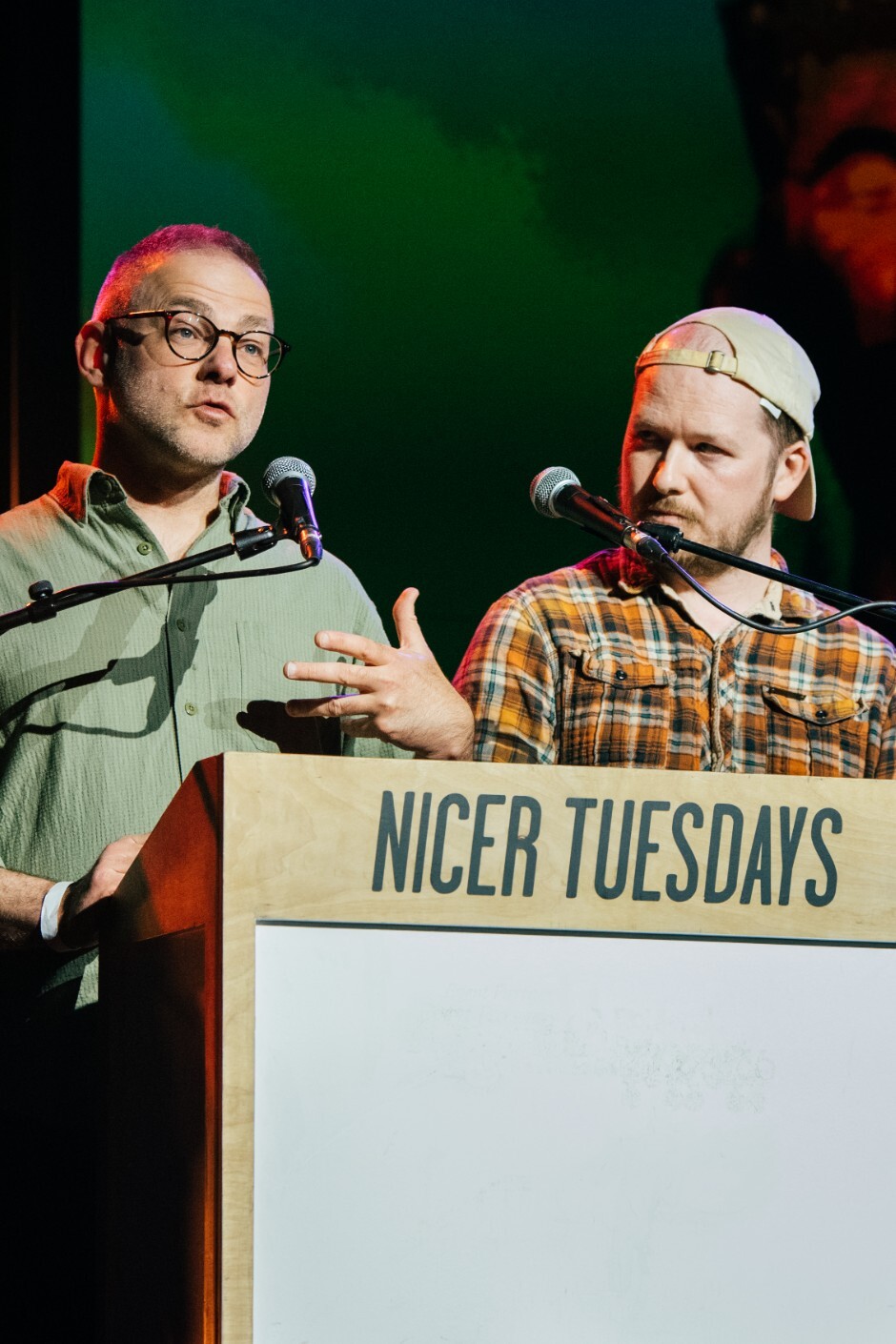
Will Anderson and Ainslie Henderson
Bringing stop motion sorcery to BBC’s Small Prophets
Watch -
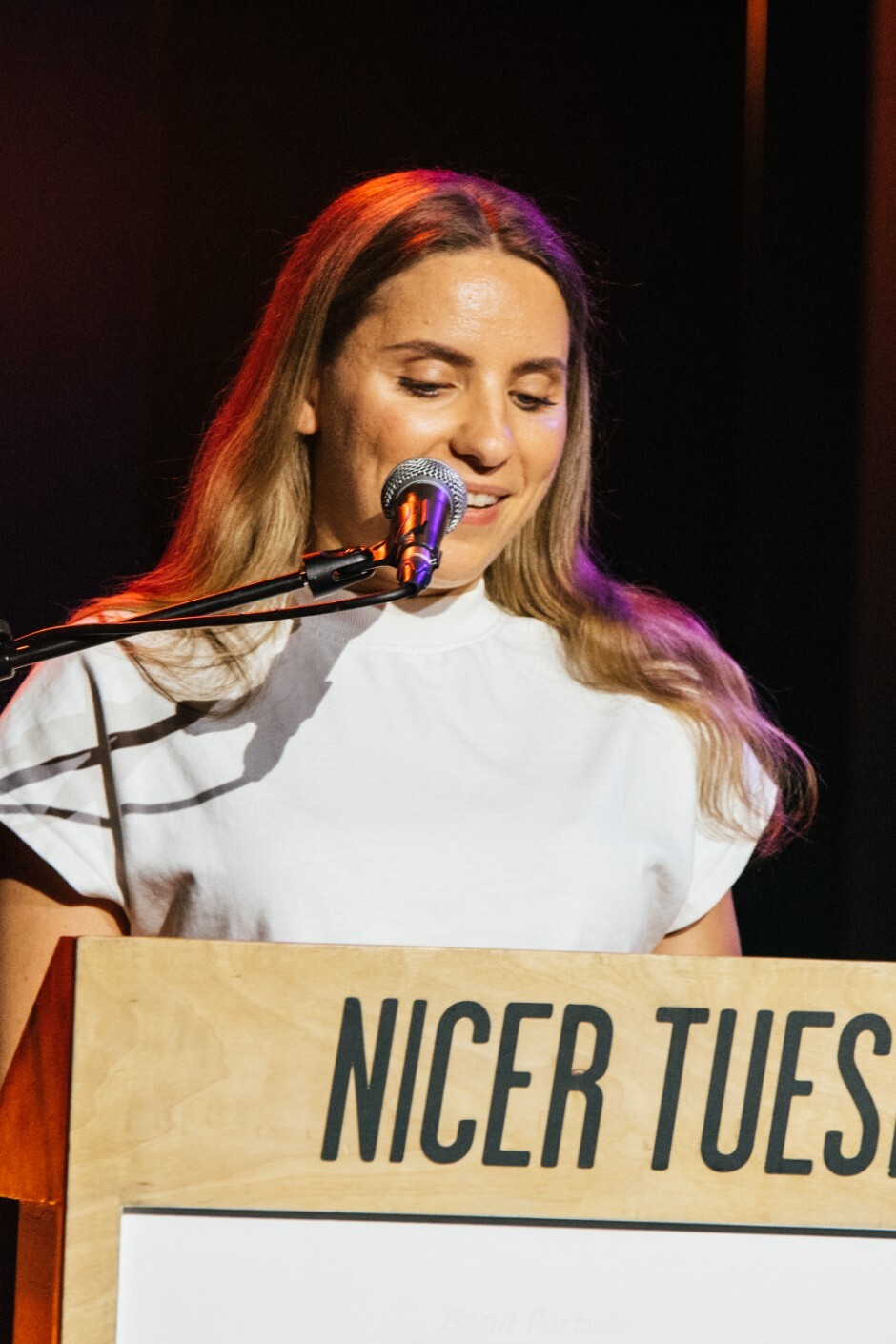
Amber Weaver
How does contemporary type design translate into the wider world?
Watch -
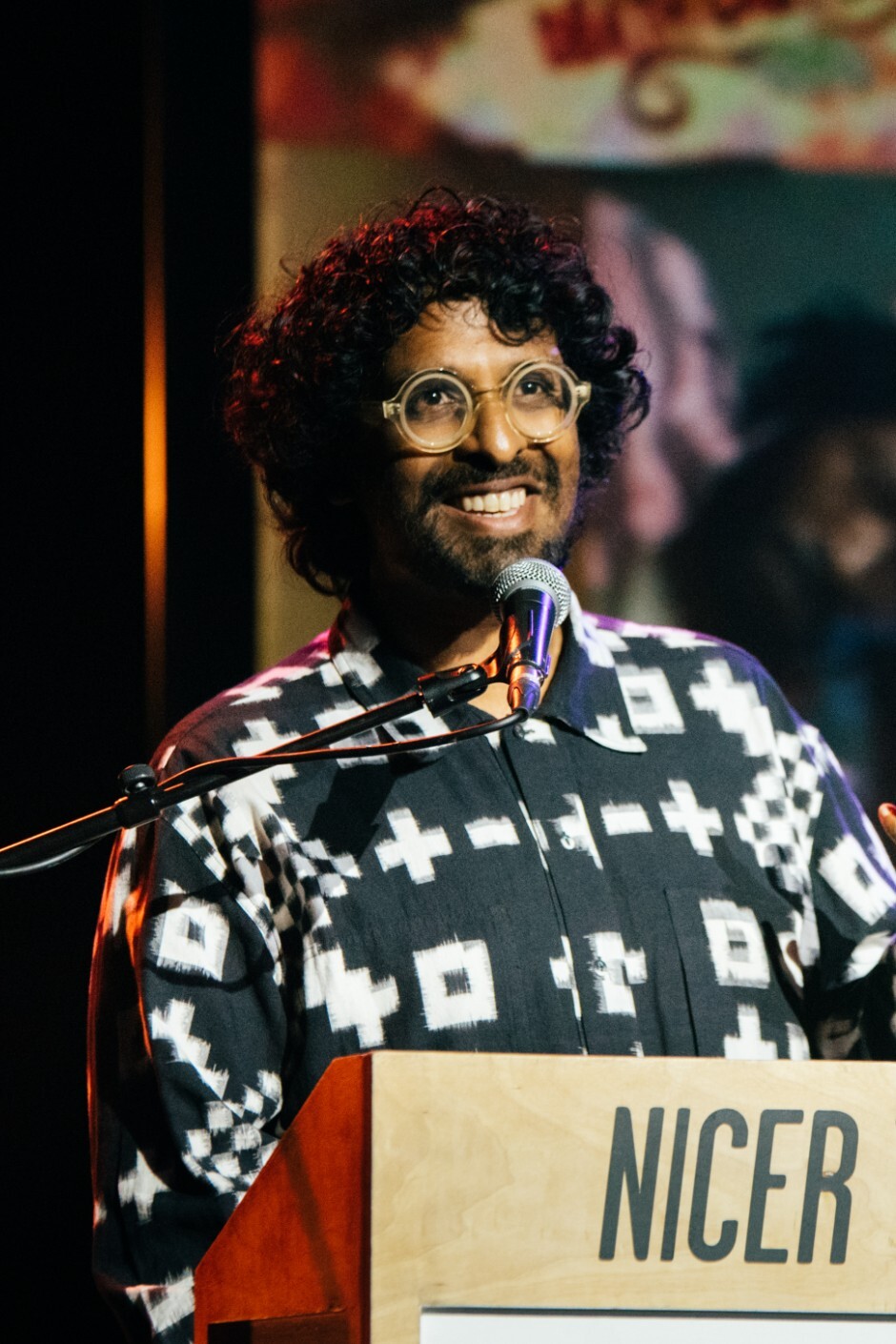
Murugiah
Why you should reject the formula and make art about things you love
Watch -
Marina Willer
Design thrives when you find poetry in the simple things
Watch -
Lizzy Stewart
The hundreds of drawings and writing-on-a-whim that goes into comic novels
Watch -
intra
The rewarding process of recognising the art in obscure everyday life
Watch