
Paula Zucotti
Cataloguing 24 hours of belongings, from a Tokyo geisha to a Seattle busker
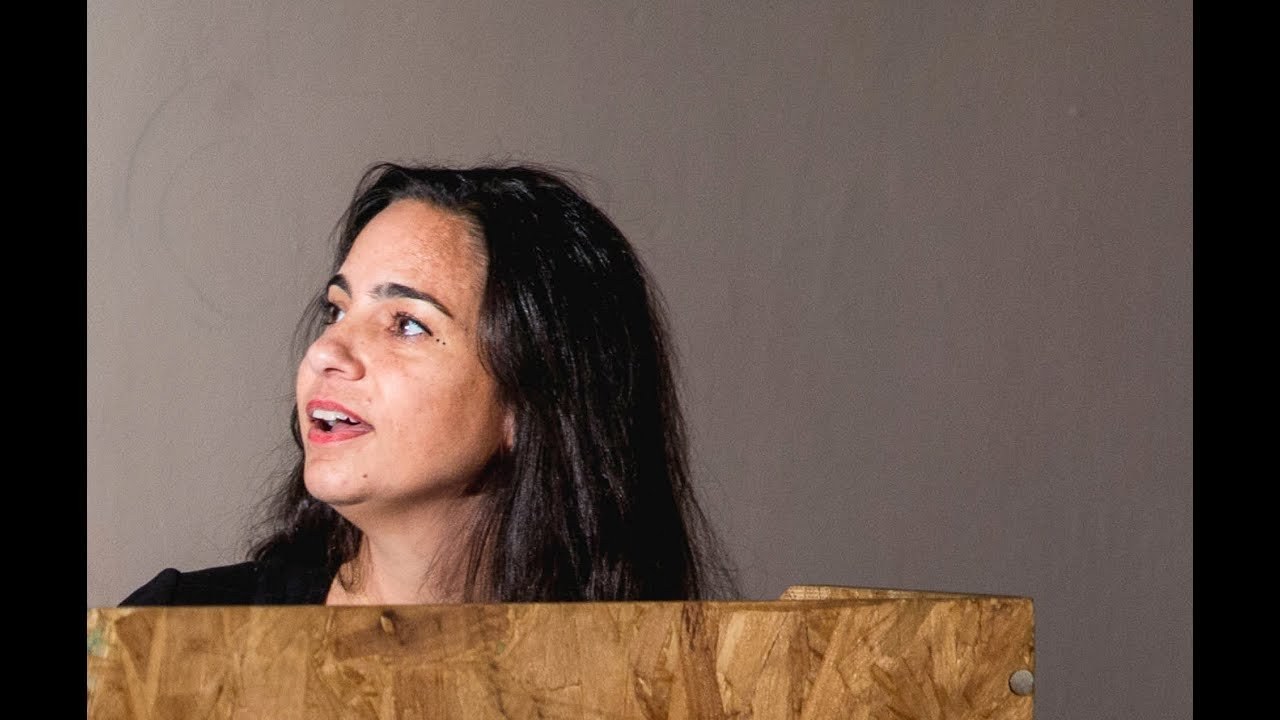
“Many of the things that we know about past civilizations are from the objects that we found and we try to make sense of how they live and what they did. So I was thinking, if somebody was to make sense of our lives by what we touch today, what are they going to think or deduct about ourselves?”
Hello thank you very much for inviting me. And this is the the book a round it came out a week ago.
But the launch was last night at the design museum I'm going to use three minutes of my tent to introduce a project quickly with this video the book is about what people touch around the world in 24 hours so I went traveling and I photograph every single object from the moment that you wake up to the moment that you go to bed and I'm making a documentary of it because I recorded everything.
So the trailer works as an intro to the project and also to the film when you just look at the artifacts of somebody's life it is very much what an archaeologist does right I mean they dig up stuff and just from a shard of pottery they could sometimes tell a lot about the civilization that live in lieu of having these things as artifacts maybe you know future generations will find this this kind of thing very interesting I think you could easily relate to other people through objects being able to understand that at an individual level I think is a brilliant exercise sometimes I think you learn how how deep is reality for the other one how complex is like everyday living as you get closer everything gets more complicated so from the circa nadie normal if it lets you reflect on your your own life.
So I guess it's quite kind of a healthy to look at yourself and some other point of view or the outsider and then you realize you have all these things but make your day better your little ritual in the morning we're talking about the part of life that is not the one that we talk about to be able to bring those things out rather than the usual stuff that people used to define themselves brings something else that make people really curious.
But it's the fact that it's all at once and gives you a perspective that you'd never normally get you've never you never see life that way if one does do at what you've done and get people to check the objects together there one day in their life in eating a document specific moment but an individual has it has an incredible value my first reaction is that visceral one my god this is beautiful which encourages you to go in and have a look and then when you go in and have a look and start to analyze what's going on here then the second word that comes to mind is it's absolutely fascinating thank you.
So that's kind of like introduces the idea and what it come from is like for me our current interaction with objects for something that I felt the urge to document as a product designer I worked in the industry for 15 years and as an ethnographer has also always been researching the product that we have to design and I found that things were getting out of sync that normally the things used to be released Alliance is to say oh can you design a vacuum cleaner can you research that.
And now the questions that we get a scar like the future of entertainment the future of search nobody is kind of like really sure to put in all the emphasis in one product anymore people want to look whiter and we still use loads of them.
So I was thinking like what is going to happen and many of the things that we know about past civilizations are from the objects that we found and we try to make sense of how they live and what they did so I was thinking like any kind of a hypothesis if somebody was to make sense of our lives by what we touch today what are they going to think or deduct about ourselves so the question was like was our will hours to the same.
So I wanted to make a book about people.
But I was interesting in what hood the physical footprint of the day in their lives say about them.
So the book is still 62 spreads that user and the rule number one I contacted everyone and I said keep a record of everything you touch in a day of your life from the moment that you wake up to the moment that you go to bed and then rule number two was honesty is at the heart of participating so it means everything in touch and it does and then you find yourself in situations where people bring you the objects and they like and I put that kind of you know kind of press play and I say that I drank too wise and then. There are funny things like this guy would with extra large condoms see I took one out of the box to put next to a thing and hit 107 and I have this kind of whole conversation with him what I didn't believe that he is seven and they we have to agree that three was a number that he was acceptable so that's what you have but that's when you know when you talk about yourself through the objects that you touch that those subjects are saying a lot about you and the rule number three it's like everybody had the same combat it was four meters by 270 so the more you have or the less you had your photo would look you know more compacted or not and all the photos I took them from the top with the I travel with a rig around and I hope my kernel to the top and I took them controlling the camera with the common app from my phone so it was really easy to be to see the picture and be able to do that so just to I actually have six minutes left us go speak in service so not for a minute so just to show you some of the spreads and pick up on her little things of you know also thinking from the point of view of collecting but this photo I love this one is of my mother she's 62 she lives in when Osiris and what I'm from and what I like about this photo is that it shows many of the things that we don't have anymore today so my mom wakes up with an alarm clock that's really rare to find in people's photos she has two radios the first one in the in her bedroom and the second one in the kitchen so when she goes to make her breakfast she switches the other radio she then has a landline telephone there in the middle she also has money which I don't see in many people's photos because they just give me the card on that make a transaction with car was she has the London Eye she has cds my mom and only one more person in the book has physical music so musically something that we don't touch any more so if I was to make sense of them by what they touch I would never be able to find out about the music taste which is such a way of expressing as I am our identity she also has something really unique it when so unique but I said remote control and she loves it so much that is covered on cling film.
So that the letter that related you know like I'm rubbed off so my mom is only one of the few people that have a remote control when they go to bed because most of people I gotta take that laptop so they are the ipods and watch telly that way if they're going to do it in bed so I think that it's kind of like this photo is showing us a little bit of you know like what is current now but a little bit of the past and the things that we have lost he is mr. Lew he's 71 and he's a puppet shadow puppet master from Shanghai and all the things that he talked about collection when he talked about these photos unlike my mom my mom said it was just a day in her life but he talked about all the things he made all those puppets himself and they are made with donkey height and he made them all and he made the instruments that are on the photos and this photo for me talks about all China he has a lot of things like the little you know the books from the revolution and he has things that are from the old days if you compare it with Nene who is a screen printing artist that runs a really cool studio called idle wits in Shanghai you can see with new China versus all China mini words uniqlo jeans Californian vans at oulton jumper from Cumbria and it's kind of like a complete different like a new China versus the old China and he said look a lot we can learn about someone by looking at that stuff so if I didn't say I should have had words brew logically I think it's obvious.
But I didn't mention it how the day is a structure and then for example this is a busker violinist from Seattle Davis and he talked about being able to live only with those objects and he said that's what he touches in any day of his life and he moved around so much he said that when he started to move he needed a truck and now he can fit everything in a mini and he was really proud of having a lot of things go and he said that he doesn't want to be defined by objects and he doesn't he wants his object to reflect the present not the past or who he used to be or the things I will remember him on that not the future because he doesn't want to hang out of objects that are a projection of yourself in case one day you will learn to play guitar or in case one day you will you know we have like a sewing machine in case one day we'll do something and he saw that I wasn't healthy that he just had to have his things I asked him what happen if he lost his violin violin there and he said the violin the violin doesn't owe me I am the violinist not the object so that was quite interesting and then they are kind of like he's a special effects artist from Venice is that a fat suit.
And I've had things like we don't use every day but doesn't think to pump blood through these tools so eating by a Jaguar and kind of anyways but I'll move quickly because I think I run out of time and they would work this way so you see the photo but you don't know anything about anybody about anything about them so you can even play to see who is this person behind and then when you turn the page you get me see a personal photo of the person you have their name what are they from and for the curious minds you have an inventory of every single thing they touch with all the brands and all the names of the things. So it's kind of interesting from that point of view a police the brand that I've seen the most followed by the second brand that I found on the book that people have the most is Colgate which I thought it was quite interesting and then you know like Apple koi Colgate ikea that's how it works I think I ran out of time.
So I believe you guys that's kind of clear from California she has records as the second one I mentioned but it kind of like any more cool LP why yeah I can do ya thang so Anna from Tokyo a two year old girl and she was the one that touched the most in my book she helped heated at 220 things and David is a cowboy from too soon a taro is a male geisha from Tokyo so he inherited his mom's business so he one day he was left with a Geisha House and he had to take over he's the only male geisha in Tokyo so you can see his transformation during the day world even though he's not really magazine and in the bus playing playstation 2 then getting into all his mom's old wig and makeup and going to run the business the book has funny things like couples and you can spot them afterwards like this is a musician from Madrid called Pedro so you can see there he's cooking in bialyan the middle of the day and then if you look thoroughly you spot claudia who is his girlfriend and she does the washing up.
And if the buyer but he kind of like them find all the things.
So I just flick it to what I say goodbye and thank you. So yeah cool
Latest Talks
-

Will Anderson and Ainslie Henderson
Bringing stop motion sorcery to BBC’s Small Prophets
Watch -

Amber Weaver
How does contemporary type design translate into the wider world?
Watch -
Murugiah
Why you should reject the formula and make art about things you love
Watch -
Marina Willer
Design thrives when you find poetry in the simple things
Watch -
Lizzy Stewart
The hundreds of drawings and writing-on-a-whim that goes into comic novels
Watch -

intra
The rewarding process of recognising the art in obscure everyday life
Watch