
Paola Antonelli
On choosing ‘enthusiastic pessimism’ over cautious optimism
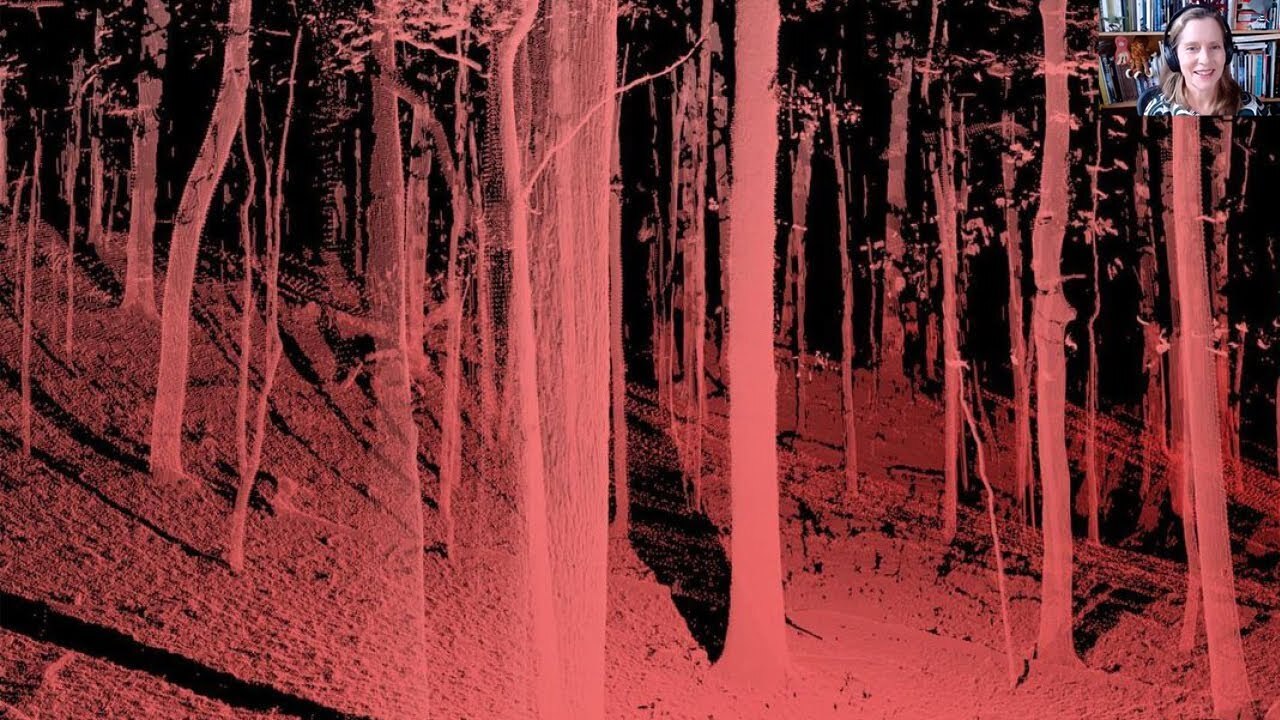
“Design is still categorized in weird ways. If you look at the mainstream media it tends to be like in the style section sometimes, or it's never placed as central and important – because I feel it's our fault. As journalists, as curators, we don't know how to explain it. But the moment you talk about design to people, people are just receptive and they don't care where it falls. They know that it's important.”
i'm delighted to welcome you all to this the very first nicer tuesdays online of 2021. first off i just wanted to say a massive thank you to all of you for signing up for today's event it's going to be a very special one as uh we're relaunching this year with a brand new format nice tuesdays online will still be held monthly on the last tuesday of the month that will stay the same what's different though is that this year each event is going to have its own theme and instead of four speakers we're going to be joined by just two but we'll be talking to them in more depth discussing their work and the issues raised by it and giving you folks at home more of a chance to ask your own questions tonight's event
has a very timely theme creative responses to crisis don't worry though this isn't going to be all about the pandemic i feel like we've all heard enough about that instead we want to look at how artists and designers have grappled with immense global challenges in their work everything from conflict to climate change it's time now to meet our second speaker of this evening paul antonelli is a curator writer editor and architect Chapter 2: Paola Antonelli as well as being the senior design curator at the museum of modern art in new york throughout her writings and lectures she explores the role of design in everyday
life both celebrating it when it gets things right and highlighting where the discipline has fallen short of its ideals her latest endeavor touching on this is design emergency a project launched last year along with design critic alice rawsthorne it began as a response to the pandemic but rapidly expanded into its own platform exploring the role of design and building a better future um paolo if you could turn on your audio video i already have yeah i just couldn't wait hi matt hi how are you good how are you very well thanks you're calling from new york aren't you yeah it's snowing here yes oh amazing yeah we had snow like two days ago but it's definitely all become slush by now um i have to ask you before we get
started the the toys behind you on on the shelf they're not toys sorry i thought there was an octopus there the friends i mean there's um yeah there's definitely a few octopi and baby yoda and yeah more octopi and then tim burton's oyster girl you know just um yes a few friends amazing love it well welcome to tonight's tuesdays online um as per our new format you're not going to be giving us a talk this evening instead i get to ask you lots and lots of questions and so does our audience um so everyone in the audience just a reminder to you if you can um if you have a question if one pops to you then drop it in the chat and i'll do my best to kind of
ask it before our time with paula is up um i guess i wanted to start off by you know i mentioned design emergency could you tell just a little bit about how that project with alice rules thorne came about of course um alice and i have been friends for a really really long time Chapter 3: Alice Rules Thorne and colleagues and partners in crime but never a crime that was really committed since the beginning and really initiated by the two of us so so we wanted that to happen it's important you know to cement our loyalty and our friendship but uh seriously speaking we are both incredibly passionate about design as you all know but also
we want to share that passion with the world and we want to use any means at our disposal to do so as you probably know alice has this fabulous instagram feed that she's been compiling for years and it's become a a world universal wikipedia design and and i instead i'm always like watching listening and trying to understand if there's new ways to communicate so when the pandemic started and the lockdown started we were looking at various people that were uh getting on instagram live especially fat joe you know fat joe was a big influence i have to say and so we just decided to um to actually um highlight the people that were doing their best
as designers sometimes accidental designers other times professional designers and actually start an instagram live and so we decided to ask our friend fritker who's a a great graphic designer to help us with an identity and she did so and so we started we started that adventure together and it started out you're not looking at it right now right now you're looking at other examples of design responses to a crisis but during that adventure alice and i interviewed many many people from anesthesiologists to illustrators to designers you name it and uh and at some point we decided instead of only talking about the pandemic to
talk also about the reconstruction so after the pandemic who will help us rebuild the future and so that's where we are right now and we'll also publish a book about it so it's been just a a wonderful wonderful adventure together yeah i mean absolutely it's kind of if anyone's followed it i'm sure lots of the audience have it's kind of evolved and morphed and tackled things from you know everything from the book to the climate crisis it's really yeah that's right so last week it was irba boom and this week i'm going to give you just i'm going to publish it like in a few hours but it's going to be nary oxman on the future of making amazing wow um i guess i mean throughout this process what have you learned Chapter 4: Design in Crisis
through the project about the ability of design to kind of solve the great crises of our time i mean that's a huge question but maybe even even more interestingly what have you learned about design's kind of failings its shortcomings as well like i guess there's been a bit of both right well you know um the designs failings is something we learn about all the time so it doesn't take a crisis to see where design can be weak or strong in a way right a crisis just heightens everybody's attention so in a way alice and i took advantage of the crisis to highlight what we already know about design that it's an amazing strength it's an amazing force and it has amazing power for good and for bad right so what we
have learned if anything is that people are ready to embrace design as part of our lives and in a way the um the the narration of design the narratives about design are up to us you know there's design is still categorized in weird ways if you look at the mainstream media it tends to be like in the style section sometimes or it's never placed as central and important because i feel it's our fault you know as journalists as curators we don't know how to explain it but the moment you talk about design to people people are just receptive and they don't care where it falls they know that it's important it's really interesting as you were talking about that these images popped up from design and violence which is something i Chapter 5: Design and Violence
wanted to talk to you about it was a curatorial experiment and then a book about design's relationship with violence which i think you began around six years ago um the selection of objects that you chose and you and your team chose it had a very 21st century flavor um why did you choose to do that i guess like has design's relationship with violence changed a lot in the past 20 years do you feel big time and that's really the point so you're looking here at the 3d printed gun and that was kind of the prompt for the whole design and violence project because i was so stunned when uh it was released uh and i was stunned not because i don't know about 3d
printing but because i was so naive as to think that everything that comes out of the mind of a designer has to be good right and it's not true design can be good bad evil benign you name it just like anything else in human production so i remember also at the same time there was a new book by stephen pinker the academic from harvard that was called the better angels of our nature that was arguing that our society is becoming less violent now 3d printed gun and this declaration just got my my blood really flowing faster and so together with my co-curator jamer hunt we started really investigating how violence has changed and that was really
the point so you're saying yes 21st century examples because in the 21st century violence is at the same time old but also new violence takes advantage of technology like anything else right like design so new technologies happen new behaviors happen violence just immediately eats them up and uses them to its advantage so we wanted to really highlight that and we proposed an exhibition at first it was not accepted as an exhibition and i can understand why frankly so we started a wordpress site and we just started having weekly or bi-weekly um publications of objects and essays and then we would ask our public a question a pointed question right can we redesign a violent act to be more
humane or is suicide always bad you know so it was just uh many different ways to really think about design and its relationship with violence and its uh existence in the world it's Chapter 6: Design and Tech absolutely fascinating i love the the idea of it being a curatorial experiment as well rather than an exhibition um yeah i guess one thing that really struck me when i was reading about the project was you define violence as the power to alter circumstances against the will of others and to their detriment and i don't know why but maybe it's just because we're very aware of it in recent years but it had me thinking about you know big tech in certain cases and the darker sides of technology i mean
you've mentioned technology several times in your last answer and yeah i guess what do you make of the role of design and designers that have played in the kind of the growth of big tech and the way that it's evolved over the past decade or so it's a big question i know no no but it's not it's uh it has a very straight answer they played a fundamental role because that's what designers do they take big technological or scientific innovations and they transformed them into life so the internet used to be lines of code until the uh you know the first designer of mosaic came about right mark andreasson and his colleagues and his cohort
so designers are the ones that introduced buttons and windows and hyperlinks and all of a sudden they made the internet accessible to all so that's what designers do and they are not neutral um agents at all right so they should always accept the responsibility of what they do you know sometimes it's like oh my god i was just there i was just doing my job no you are changing behaviors and as such you should have a preparation that is also about ethics even though you can't understand everything that will happen and you can't really foresee everything that will happen still there's a very important ethical component to what designers do because they are so influential that is a rallying cry if ever i heard Chapter 7: Design as the cure
one but for our audience fantastic um i guess you kind of we've maybe you know criticized design there and um you know quite rightly in many cases do you also believe i guess design can be the cure as well i mean if so you know what do you think needs to change within the design industry i guess in order for us to get to a point where design is you know the cure as well as being the culprit in some of these situations well um curing and solving designers can do its part but not do it all right so designers are great team builders i like to say they're almost like enzymes and they help the metabolism that goes from an idea to a final product but what i think is very important is
for there are many parts that are important but i i really am focused on education even though i'm not an academic i'm not really good at education but i know how important it is to be able to experiment when you are a design student and i am concerned because design education is so expensive right now that designers don't have any time to really to study the ethics to test the ground and to experiment they immediately need to find a job to pay their loans or to anyway become productive and we know how difficult it is right now productive not be not productive becoming solvent because productive you can be even without making a dime so it's really that kind
of ecosystem that is the one that i took advantage of because i went to uh italian university i paid maybe 200 a year if if i was like that would have been even too much um i'm concerned that that ecosystem is disappearing and therefore designers are becoming immediately professionals you know i don't want designers to be considered artists by all means but i also believe they should they should be allowed to experiment and to just think um in freedom for a bit is that a problem with design education do you think that it actually Chapter 8: The problem with design education is almost turning out people who are thinking that way or is it an issue with um the expense of education rather that
that students are coming to it thinking i need to learn the skills so i can get a job immediately after university or college it's a vicious circle it used to be that parents would really be perplexed or even angry at kids when they wanted to become designers because why don't you become a doctor or a lawyer right and it was considered this kind of arts like curriculum and then maybe educators and schools understood that and they started packaging the uh design curricula more and more like business school curricula while at the same time business school were trying to package their own curricula as design curriculum right so it's this whole i don't know anymore i
just know that students i know that students would like to have that space but they don't have that space because they can't afford to have it or because at this point they think you know i don't want to even mention the name you know the term but i well i will um so those of you who know me know that i am allergic to the term design thinking because to me that's exactly the example of what's wrong right you think that you will acquire some business school-like uh capabilities when you go to design school while you will acquire different capabilities that might be more useful or better for your purposes absolutely um i i've just seen bobby's question come through i'm going to hold that till the Chapter 9: Design Emergency
end because it's a fantastic question i think it deserves to be uh near the end of our q a but um i mean just kind of listening to what you're saying it seems like design emergency was a wonderfully ambiguous title it was kind of about designs designs a role in rebuilding the world after this you know crisis but it also puts us all in mind of how the design world the design industry is experiencing its own emergency his own crisis is that something that you wanted to play with in the naming of that with with alice i would like to say that we were so strategic as to yeah let's play that way but truly no i i we we started out and then we started adding to it a model we were always laughing saying there is always a
design emergency and then we started realizing that we could carry it on so no it was as as often happens with good titles it was very instinctive and its universality or versatility revealed itself as we were going so no it was just the simple title the real thing the mo the best description of what we wanted to do well it's got that great double meaning which i love and i guess one thing i mean you obviously Chapter 10: Museum Education we talked about in the introduction you work for a museum you know one of the oldest forms of disseminating information and educating people um do you think it's important for for institutions like museums like we talked about universities to to change or reimagine how they teach um
the public about design museums are doing it all the time and um you know there are forces in museums that make it very complex you know there's like funding membership there there are the different kind of audiences that are um that are there but you know museums in a way really do it all the time like the education department at moma is experimenting every single day and there are so many different ways to disseminate in so many different ways to think of disseminating within a museum like for instance going back to the alice and my relationship alice has a formation as a journalist and i revere
journalists and very often my exhibition tend to be exhibitions that are approached in a journalistic way so clarity who when where how you know so um i feel that museums sometimes try to do the same um depending on the different audiences so museums are in continuous evolution that's really the answer to your question right and yeah i feel like you've done a lot of that over of your tenure at a moment for sure um i had i mean coming back to maybe something we were talking about a little bit earlier i had a really interesting conversation with the designer last week about uh he had he felt there was a contradiction that designers often want their skills to be used in really noble ways but then at the same time get excited about
things like a rebrand for a fast food chain um burger king in this case that people might guess but um it got me thinking i mean he said branding shouldn't be the pinnacle of design and to say it does to say it is does a massive disservice to what design can achieve and i wonder if you have any thoughts on that do you think we celebrate the wrong things in the design industry and before anyone leaps into the chat i'm fully aware that you know it's nice that it's not separate from this from this discussion either i think that having the opportunity to rebrand burger king is huge in the sense that i remember when many many years ago i met madeleine albright you know the former secretary of state she had
finished her mandate as secretary of state she was opening a consulting company to consult multinational et cetera and i asked her how can you go from such a a like a pure endeavor to instead being in the commercial field and she told me well you know multinational are as powerful as nation states if not more and if you can influence them to do better that's fantastic so it's similar to me of course we would all like to do non-profit and we would all like to experiment on new packaging that is made of recycled lilies you know i mean it'd be great to always be able to do something fabulously pure but isn't it amazing if you have a very commercial very apparently
fraught incredibly complex task as rebranding burger king and you managed to do something that changes people's behaviors now the new the rebranding of burger king does not really do that but um these jobs are all opportunities so there's always a give and take this if the job is small and experimental you're gonna influence only a small group of people if it's big well you know the epitome of it all i'm thinking is and i love branding there are many different types of design but think of i i love new york and i'm sorry i just thought about it because because last week alice and i published it as an example of a past design emergency think of that um very much about you know the marketing of new york city
in a moment of crisis in the 1970s and all of a sudden it becomes something universally acclaimed and understandable by all so to me that's the holy grail um and uh and it is branding and it is commercial but it can be elevated so yeah let's not um discount anything even the tritest forms of design can really give great opportunities wonderful um i'm coming to bobby's question now as we Chapter 11: Optimism or pessimism approach the top of the hour um hopefully hope that's all right bobby um as someone who thinks so so rationally about design in the modern world in such trying times do you feel fearful or hopeful for the future or both um really big question about the
future of design but yeah are you broadly optimistic or pessimistic i don't know whether to thank you for calling me rational or to slap you but well i can tell you my attitude my stance is always to be pessimistic and skeptical because that way you can only be pleasantly surprised right so that you know like people say cautiously optimistic i am enthusiastically pessimistic in a way so i always like to think of a bad scenario so then things can go better but i also you know when i organized broken nature which was the trianale de milano in 2019 i used to tell everyone that i believe that the human species will become extinct and everybody will be like oh no that's terrible that's pessimistic but then i said okay but once you know it
you can control how you become extinct you can design an elegant extinction you can make it count you can leave a good legacy so that's it you know i think that people that are all optimistic or all pessimistic are not living in the real world an elegant Chapter 12: What makes you optimistic extinction i don't think i've ever ever thought about that but that's uh yeah an amazing amazing phrase um in the last couple of minutes if we've still got just a couple of minutes i'm just keen to hear kind of what makes you if you're cautiously pessimistic i guess are you um no enthusiastically pessimistic enthusiastically pessimistic sorry
that's right yeah and what are the things that make you most hopeful about the future of design what are the things that you see and you think okay there's real there's real hope here if we can harness that a bit more i'm going to be a little corny here but um no i mean it's um there's just been a new uh stamp that's been issued in sweden with greta toonberg on it and when we did the triangle in milan it was the time of fridays for the future so kids were striking from school on fridays and they were meeting at the trianale to start their protest to start you know their march and that's a big deal to me there's
such instinctive constructiveness in younger people even though everybody's going through hell right now because finding a job is so difficult but i'm thinking even younger the ones that have not realized yet how the job market is uh terrible right now there's such a sense of generosity altruism care for others all what makes me hopeful are black lives matter movements what makes me hopeful are the sensitivity to environmental issues and to human rights issues the terrible shock that we're all having right now with the crisis of democracies i think will bring a rebirth because younger people are seeing that happen and will not let it stay fantastic
thank you so much paula i'm definitely going to say i'm enthusiastically pessimistic from now on but i thank you very much matt uh thank you faye thank you dan thank you everyone uh it's been a real pleasure i love it's nice that thank you uh we love you too thanks so much paula that was amazing um i feel like we could talk for absolute hours and hours but i'm afraid yeah we are going to have to leave it there um everyone else i'm afraid that also brings us to the end of tonight's nicer tuesdays online the very first of 2021 and the first of this new format another massive thank you to our event
partner pinterest and of course to our wonderful speakers palomi basu and paula antonelli there of course uh they've been discussing creative responses to crisis finally thank you all for signing up and for joining us today stay well stay safe and hopefully we'll see you again in february bye
Latest Talks
-
Will Anderson and Ainslie Henderson
Bringing stop motion sorcery to BBC’s Small Prophets
Watch -
Amber Weaver
How does contemporary type design translate into the wider world?
Watch -
Murugiah
Why you should reject the formula and make art about things you love
Watch -
Marina Willer
Design thrives when you find poetry in the simple things
Watch -
Lizzy Stewart
The hundreds of drawings and writing-on-a-whim that goes into comic novels
Watch -
intra
The rewarding process of recognising the art in obscure everyday life
Watch