
Olivia Ahmad is an illustrator known for her vibrant and expressive artwork that captures the essence of contemporary culture.
Olivia Ahmad
Drawing London punks, drag queens and rubber angels from the shadows of nightclubs
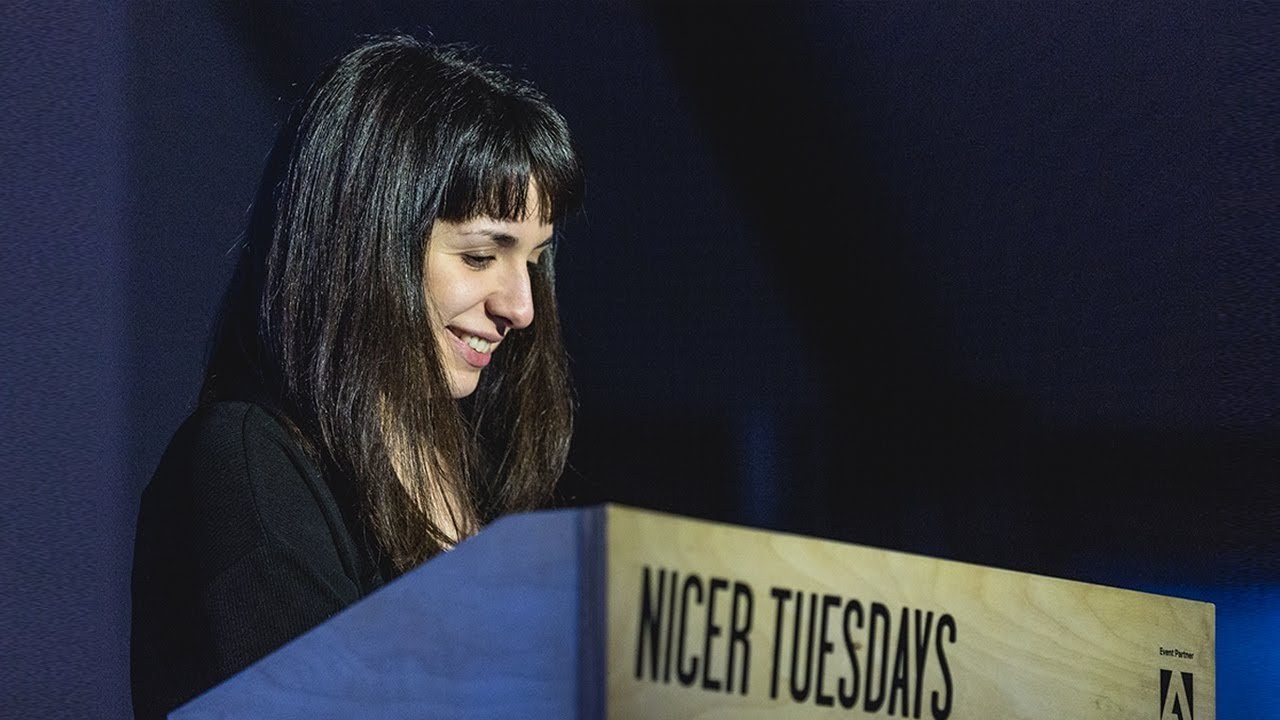
“Creativity isn't about perfection; it's about the messiness of the process.”
Transcript: May contain minor errors or formatting inconsistencies.
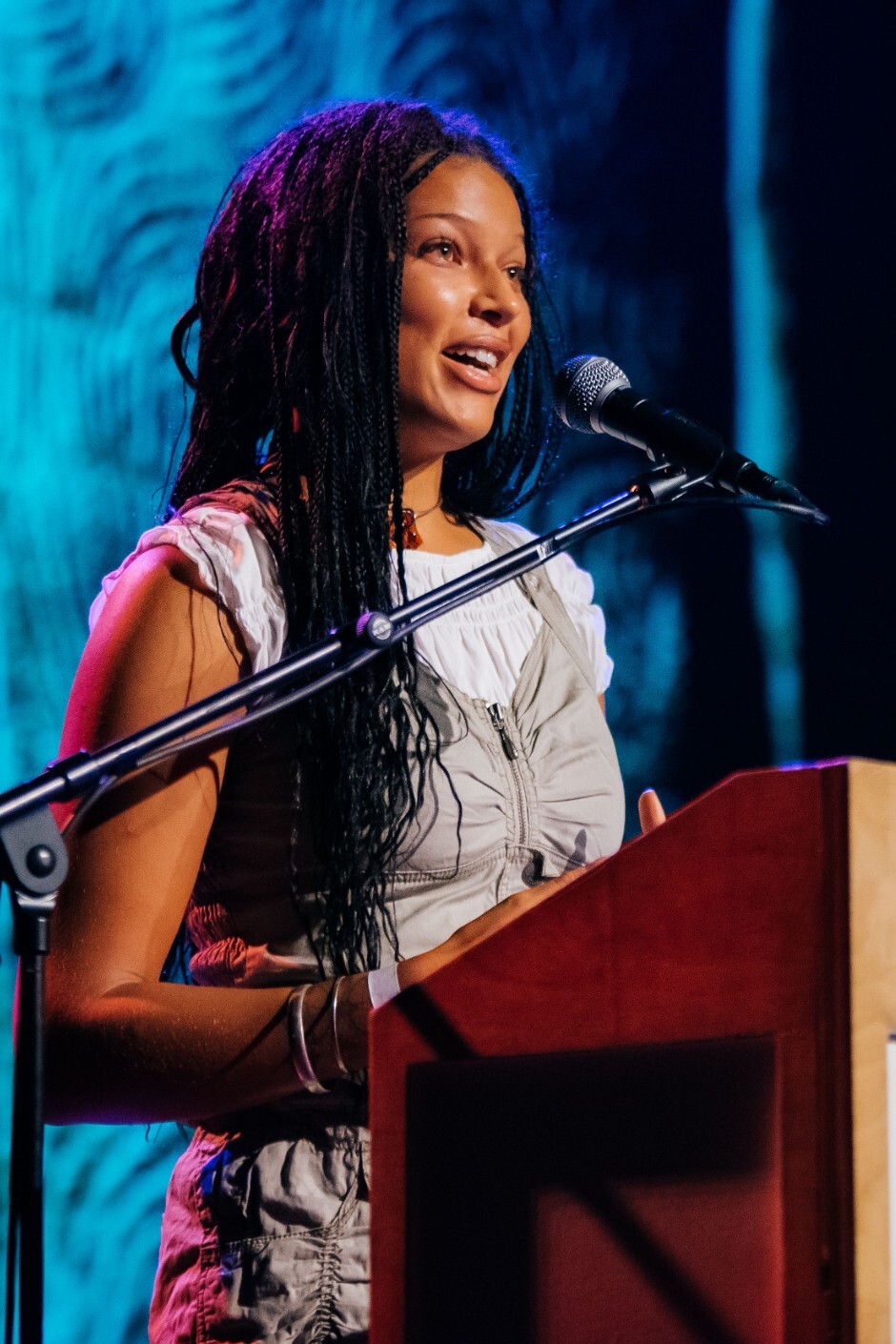
Um so yes I'm Olivia ahed I'm curator at public art gallery called House of illustration which is based over in Kings Cross as part of my job there I commission new work public display and I'm host artists doing residencies but the main part of my job is to research and develop exhibition about historic illustration or contemporary illustration that exists already so this evening I'm going to tell you about Joe brockhurst this woman here Joe was born in 1935 and she sadly died in 2006 so 10 years ago now she was an incredibly prolific and unique artist but she isn't as well known as she should be and it's amazing how often and easily great artists slip Into Obscurity especially those who working pre internet pre it's nice that who are making this great archive for the future so my favorite bit of my work is when I get to research lesser known artists like Joe and introduce them to people. And in particular I'm interested in the work of women whose work is underrepresented in books and exhibitions and so on for those who do know about Joe's work they probably know her for drawings like these throughout her life Joe Drew portraits of real people from life people who are directly in front of her.
And in the early 1980s she did a series on of works on London punks that looked something like this punk is something that people either remember it wasn't that long ago or know through photographs and film but Joe I think is the only artist to document the scene in drawing like this. And this aspect of her work is what's best remembered so I first came across those images in an article in Vice magazine in about 2015 and I wanted to find out more but I couldn't find any information online or any books about Joe so I contacted one of the people who was interviewed for the art article Isabelle bricknell Isabelle was a great friend of Joe's but also a collaborator and actually her model so you'll see some drawings of her in a bit.
So Isabelle and I met late last year and together we co-created this exhibition Joe brocker her nobody's and somebody's it shows some of Joe's iconic punks that I mentioned which you can see on the left there.
But it also looks much more broadly at her work of which the punks are just one part so Joe was interested in loads of different alternative Lifestyles throughout her life and she's been dubbed sort of the chronicler of club culture so Isabelle knew Joe for many years and her knowledge and memories about her are the center point of this exhibition.
But we've also done quite a lot of detective work over the last few months so we've pieced together Joe's Story by meeting people who are friends with her meeting her ex Partners rumaging about in her family's attics tracking down artwork at auction.
And sort of searching archive newspapers and magazines so I'm going to tell you a bit of the story that we piece together about her from these sort of fragments so this isn't Joe this is Joe's cheetah Elizabeth sua and that's some of her fashion illustration so Joe went to St Martin School of Art in 1949 when she was only 14 years old she was pretty amazing prodigious Talent she studied with Elizabeth here who taught on the relatively new and Innovative fashion course at the time um and one of the things that Elizabeth did was teach costumed life drawing so she had a model set up in the middle of the studio drawing boards all around probably in the way a lot of you will have studied quite traditional but she didn't use conventional models she knew loads of actors and dancers and other interesting performers that she'd get to pose for the students so that's something that sort of captured Joe's imagination and resonated with her throughout her life there she is so when I went to meet people to talk to them about Jo all they ever said was God she was so beautiful and it's like yeah let talk about her work.
But I found this photo about a week before a week before the exhibition opened it was taken by a friend of hers Andrew Wht and the stories were true it was quite unusual that she let herself be photographed like this.
This is quite early in her career but when she sort of moved on with her life she wore always wore a blond wig sunglasses sometimes three pairs of sunglasses to cover her eyes and her head so she was doing stuff like this when she was starting out with illustration in the 60s and 70s stuff for for sort of pattern books and patent cutting books stuff like this for this is for a magazine called the boyfriend which is about what clothes you can borrow from your boyfriend and what clothes you can't yeah it's quite quite straight but at the same time she kept going back to Elizabeth ca's life drawing classes so it's hard to imagine now.
But there's an open open door policy in the Life dooring class at Central St Martin so students are mixing up with previous students it was just like a really open creative Open Door environment and Joe kept drawing people like this.
So this is sort of the later 1970s and Elizabeth CA kept using these unconventional models including people who were performing and you know doing their thing in nightclubs like the blitz club which became really famous for sort of being the Hub of the new Romantic Movement in 1980s but before that.
There was bidy and Eve this is a drawing that Joe did at Eve so Joe would basically take a shopping trolley fill it up with pastels rolls of wallpaper like lining paper and go and sit in a dark corner and draw it's kind of amazing also with sunglasses on so no one knows how she saw what she was doing I think she just had like an instinct for it but stood pictur like this.
This is Eve who was just in the photograph this is biddy who performed with Eve and Don the cowboy just cuz I like him they're done about the same times these are from like 1980 and at that point said I'm not doing any more commercial illustration I'm just going to she was just like really compelled to draw these unusual characters and also 1980 this Photograph was taken that's someone called Val Dron in the middle Joe lived on westf Road in West Hampstead for most of her life in this purpose built artist studio and in 1980 the kill your pet puppy Collective moved down the street from her who are these group of anarco punk squatters and Joe wasn't a punk herself she was of a totally different gener ation but she saw these people passing by her window every day and started invited them in to pose for her and did these amazing really large scale A1 pastel drawings so that's Val again friend Louise this is Tony Dron.
And is no future pants so these are done in studio session she'd invite them in they'd pose for her in quite a formal maybe a sort of oldfashioned way.
And then she'd make them afternoon tea to pay them but she also kept doing work out and about.
So this is a skin Edge that she would have seen in a club probably that she just you can see it's dashed off really quickly running out time.
So I'm going to run through a bit quickly here's some more Club folks this is so the punks quite often congregated in the gay and lesbian clubs in London in sort of the early 80s because they were welcome there.
Basically. And so Joe would go with them too and she got really interested in the drag scene and also people who are playing with gender in their dress like like these guys here but she wasn't only interested in club life she sort of saw people who went to nightclubs and dressed up as performers sort of alternative performers but she also got really interested in the theater in Germany so this is some of her work from that time so you can see her there she's drawing in quite an old fashioned way with a big board with her blonde wig on.
So this is these are some pictures from 1999 so she stopped doing illust in 1980 and she just picked up sort of commercial brief illustration just once again in her life in 99 where she worked for the German newspaper Berlin a zitong and they basically commissioned her to go to premieres of new theater plays and to create images for reproduction with theater reviews so she'd go to performances maybe two or three every night draw in the dark again in the Stalls get home late spread all the drawings out on the floor and then work illustrations like these that were picked up by a runner you know really early in the morning for print the next day that's an example of that.
And some more dancers there but when she got interested in theater she didn't give up being interested in club life either.
So these are from the 1980s in New York and sort of in the late 1980s she also got interested in newu V paint and and new chemical compositions for for paints and inks so when she was drawing in nightclubs in New York she would quite often use metallic markers and UV paints I guess so that she could see when she was drawing in the dark in nightclubs so on the left is what you see in the exhibition for example in the daylight but on the on the right here is what she would have seen as she was drawing this they're almost like light pieces it's another example of that.
So these were done in the gay clubs of the meat packing District in New York where she also spent a lot of time and just to finish up I'm just going to talk about her work on the fetish scene in London in the late 1990s so if you weren't on the fetish scene in London in the 90s it was it it you could do all the things that you'd expect to do in a fetish club but also it was a really interesting meeting point of fashion designers musicians and dancers because there's like an anything goes attitude you could do you could wear anything you could kind of say anything and Joe really got interested Ed in that and drew a lot of people on the scene there.
So this is Betty blue who was quite often in clubs like torch Garden where Joe would would draw it's kind of like a real life tank girl and this is her too some more examples of that.
This is Isabelle who I co-created the show with in the 90s wearing some steel body armor that she made so Isabelle herself as a fashion designer and in a sort of tongue-in-cheek way when she started going to these fetish clubs with her friends she'd like made this protective armor with big spikes and joy became really interested in that and did a whole series of work about it so and it kind of L like this so quite different to her earlier work so she quite often Drew women like this she and on the fetish scene she said that they were her rubber Angels I really want to be part of that gang but I don't know if I could wear that. And so just lastly fetish and fetish fashion kept influencing Joe throughout her sort of right towards the end of her life and her very last series of Works was called brockle her through the Looking Glass in which she she would invite the most creative people that she saw out and about in fetish clubs back to her studio and she sort of cast them as the different characters from Alice and Wonderland so these sort of fierce Alice is these sort of Victorian fetish mashup red queens and she did hundreds and hundreds of these paintings they're sort of about this size and had them floor to ceiling in her in her studio and so a small group of lucky people got invited to go there to have like a Mad Hatter tea party and then when when the light sort of fell in the afternoon.
And it was DUS she would like switch the lights on and they were all in UV so it was kind of like she made her own little club scene and this is the center point of it. So it's her final work. And it's her as a little girl which I think is really fitting and sad poignant end thank you [Applause]
Latest Talks
-
Will Anderson and Ainslie Henderson
Bringing stop motion sorcery to BBC’s Small Prophets
Watch -

Amber Weaver
How does contemporary type design translate into the wider world?
Watch -

Murugiah
Why you should reject the formula and make art about things you love
Watch -
Marina Willer
Design thrives when you find poetry in the simple things
Watch -
Lizzy Stewart
The hundreds of drawings and writing-on-a-whim that goes into comic novels
Watch -
intra
The rewarding process of recognising the art in obscure everyday life
Watch