
Olimpia Zagnoli is a beloved illustrator known for her vibrant work inspired by her childhood in 80s Italy. She creates illustrations that take on various forms, including collaborations with fashion brands and children’s books.
Olimpia Zagnoli
An illustrator whose vibrant 80s Italian childhood still shines through
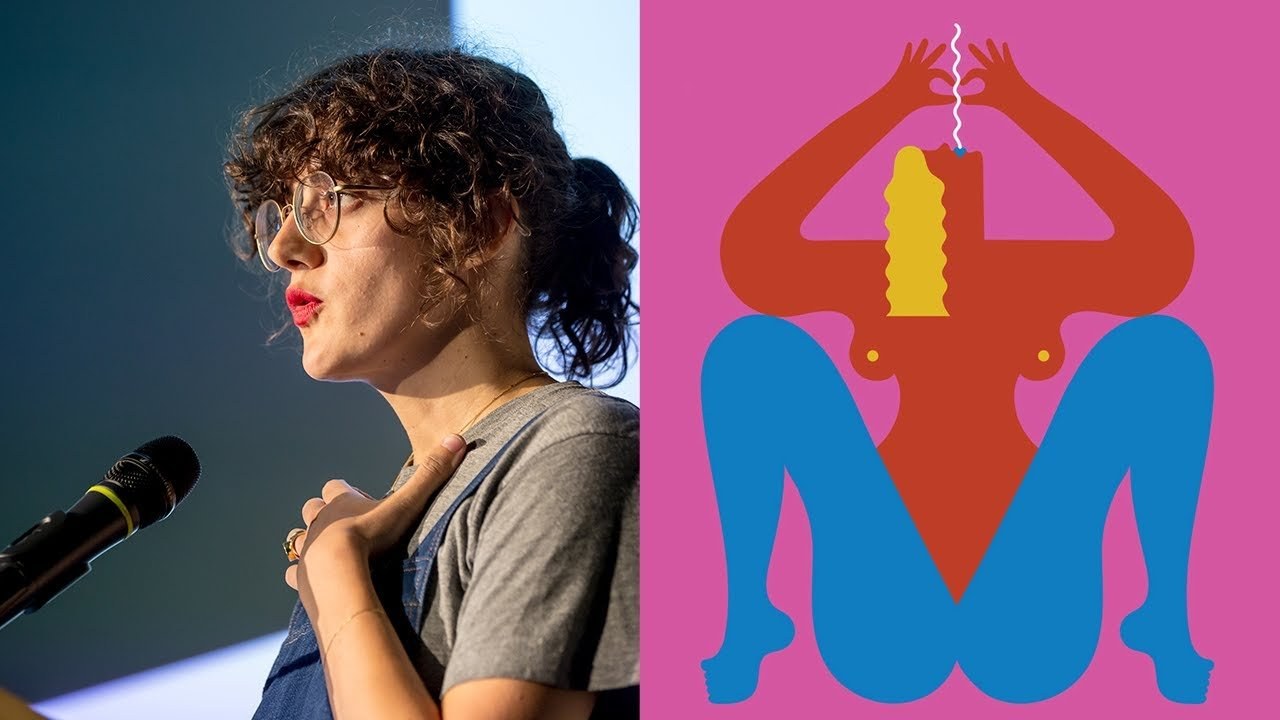
“Crafting my own practice is always on my mind, especially when I consider how my work can infiltrate a space when exhibited.”
Transcript: May contain minor errors or formatting inconsistencies.
[Applause]
ciao hello my name is Olympia Denali and I'm an illustrator from Milan Italy I don't remember when I began drawing exactly but it's definitely a long time ago.
This is a picture of me that my dad took when I was about I think 10 years old I think I guess we wearing in like a hotel room because that's definitely not her house it doesn't look like that at all I grew up in a quite creative environment my dad is a photographer and my mom is an artist our first computer was a Macintosh and I was allowed to use it sometimes and these are the beautiful paintings that I would make with them with it.
But I have to say that many years later and many Apple computers after I'm still pretty much doing the same stuff that I was doing back then I work a lot with editorial clients I make a lot of illustrations for magazines for newspapers in Italy and in Europe and mostly in the States and I make prints I work with books this was quite recently illustration that I made for the Guardian I made this for the New York subway system sometimes I do book covers as well and children books this is a version of The Wizard of Oz that I made for Rockport's publishers a few years ago but lately I've been starting to work a lot more three dimensionally so I had the chance to work with design brands in Milan I made a series of kinetic sculptures for an exhibition of mine they're all like laser-cut pixel Plexiglas sculptures is a series of ten and each one makes a different thing.
So I don't know if you can see it.
But the last lady smokes so every time she blows out some smokes which was some smoke which was very funny to see in person I opened an online shop with my dad it's called claudomiro and it features t-shirts pillows and plates and a few other things that have a light erotic twist to it it's more about love I guess you can say I recently did some collaboration with fashion brands I work with Marella which is a brand from the Max Mara group in Italy we did three capsule collection and collections and this was the last one that we did last summer and spring these were some illustration that I made for Prada last summer like this past summer that they translated onto t-shirts and they made a few other nice expensive items like shoes and bags a few summers ago. Actually I I worked on this project.
And this is kind of like the section that I want to of my work that I want to talk to you more about because it talks more a lot it talks more about personal projects which is I think an aspect of the work that needs to be cultivated every day and we don't really get a chance to do it that much. And I think that there's always time that there must be time for it.
So this is a a book and an exhibition that I did a few years ago it's called lagonda Stata or the big summer and it's based on sketches that I made of landscape around Tuscany over a summer and then all these sketches are included in the book. And in the exhibition.
And then they were translated into digital images and I hardly do landscapes because a lot of clients tend to ask for people in the illustrations that I do and so it was really refreshing to do something different last winter I worked on this series who's called which is called how to eat spaghetti like a lady and it's basically a response to a series of photographs that came out on Life magazine during the 20s which was called how to eat spaghetti like a lady and it was basically a guide for women teaching them how to eat spaghetti in a very elegant way because it's they're not easy to eat and and so I made a series of women for this exhibition that.
Actually ate spaghetti the way they wanted to and it became an exhibition at the Antonio Colombo gallery in Milano and I also had the chance to work on me on this time it's been a dream of mine to work on something like that. And I think that this was the perfect time because if you think about it what's nyan if not a spaghetto of light basically I love working with exhibitions because you have the opportunity to basically fill a space a white room with whatever idea crazy idea that you have in your drawings that you're kind of like scared to take out and having an exhibition gives you the chance to do so and for the last exhibition that I made in the beginning of May this year in Los Angeles I had a lot of ideas and I had to pick which one which story I wanted to tell so I started with something like this.
This is just one of the hundreds of commercials that if you were a kid born in Italy between the late 70s and and the 80s you would have probably been bombarded with those were the times of you know like food shaped ice cream all kinds of like feet Fitzie sodas bubble gum everything glow-in-the-dark everything toy cars that would change color with water Barbies with pink hair and coming from a household where.
I wasn't allowed to watch much TV and the toys that I had were mostly wooden or very educational like I had all these toys like build your own candle or learn how to recycle paper so all these imaginary of these toys and these sodas and this ice cream felt a little bit like LSD to me also if I think about those times I remember also a lot of like very quiet moments where I would just like sit on a plastic chair outside of a cafe with my mom reading and smoking and I would be just there maybe I don't know sleeping I see with no iPhones no iPads no Peppa Pig just like basically waiting for the afternoon to go on and pass so I wanted to tell this story like I wanted to try to translate this sort of like emotions and feelings and memories into like a visual thing a visual exhibition.
So the first element of this sort of narrative is this sign that you see up there I remember seeing this sign many years ago in the little city of Apollo on the seaside and and I remembered it and because I really liked it and like it's strange it's like an ice cream sign but it's also like quite 80s but I think it's from the 70s and so I knew that I wanted to start this this exhibition from that specific sign so I didn't know where to find it.
So I went on google maps and I literally went through every single street of Rapallo and I didn't even know if he was still there.
And it was the place is not an ice cream parlor anymore it's a vegetable and fruit shop but I kind of like saw this corner and I thought it was perfect because this picture is taken like probably last year or two years ago but you have all the elements that I'm talking about like the bar sign the coca-cola sign the panini signed the parking one the westbound on the in the front and the ice cream so the thing that it's the kind of like started this sort of like exhibition mechanism mechanism if you want to call it like that was that sign and I I thought that I wanted to have a replica of it in the exhibition.
So I started making sketches and these are some of the first sketches that I made I also wanted to sort of like use this language of like it is very angular sort of like ice cream shape so the sign was the main element that sort of like started me off.
And then I the main part of the exhibition is actually a series of still lives this is just like a sketch that I did to start with and see if I like the composition.
So basically the the biggest part of the exhibition is a series of of compositions of elements of again like puddles and shapes and colors and brands they remember from that from back then I call the show querida Panna which is the slogan of a very famous ice cream in Italy literally it means heart of whipped cream which I really like because it's very sweet but it also makes no sense and I think it's sort of like describes very well the spirit of that time so after I started doing the first sketches obviously you need to kind of like think about the space so my assistant build is model which was kind of new for me because I never did an exhibition like that and and so these are all these images that came up if probably some of you will recognize will recognize some brands or some bottle shapes or some I don't know ice cream shape there's obviously an element of nostalgia to these works but I also didn't want to indulge too much into it I want it I wanted it I don't I didn't want it to be too romantic let's say it's more of a photograph of a moment in time when things felt really like innocent and it also was a moment like a photograph of a moment in Italian history right before the election of silvio berlusconi who changed completely the cultural landscape in italy and and also it was also the beginning of me not being a child anymore so it's a moment where you realize the life maybe is not as easy as it looks in those commercials so it's not just about like being on the beach and kissing boys and eating ice cream or you know like going on a bike or something like that.
So I kind of like dis contrast and this is like the replica of the of the sign that I was mentioning before the colors are a bit weird in this picture but anyway you get a sense so again life is not as easy as it was as it looked in those commercials but I can still buy a coke without asking permission to my parents which is really cool I think thank you [Applause]
Latest Talks
-
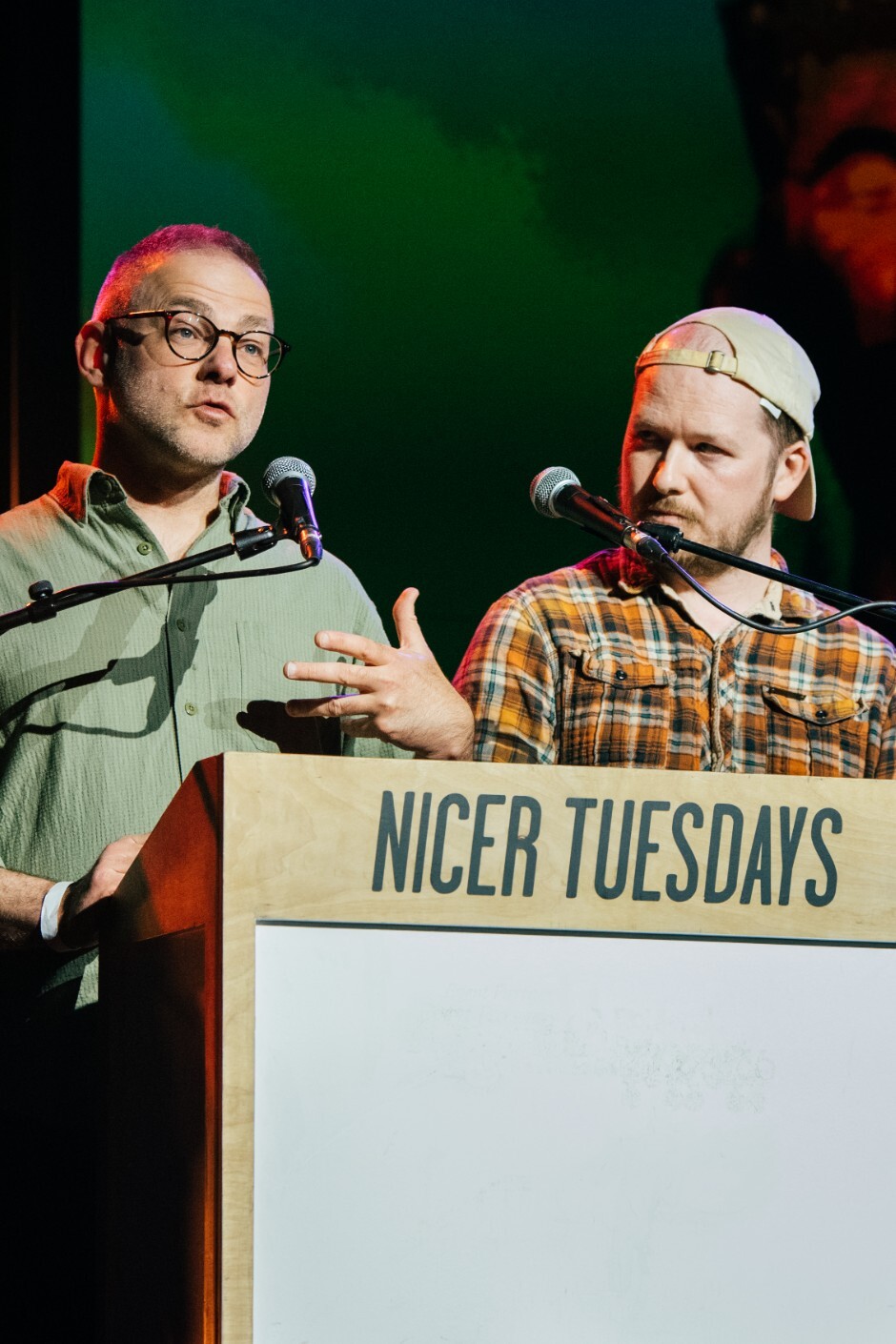
Will Anderson and Ainslie Henderson
Bringing stop motion sorcery to BBC’s Small Prophets
Watch -
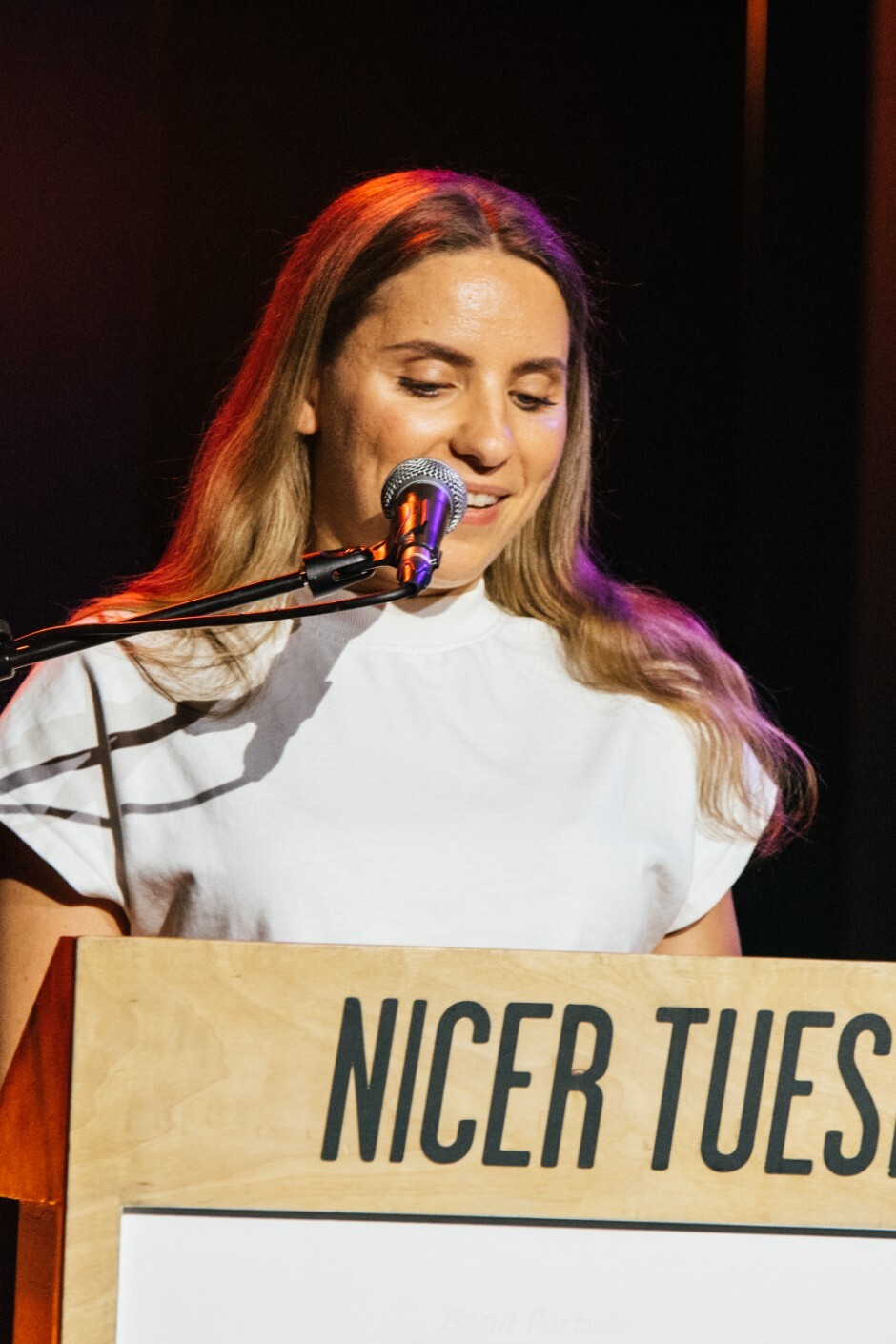
Amber Weaver
How does contemporary type design translate into the wider world?
Watch -
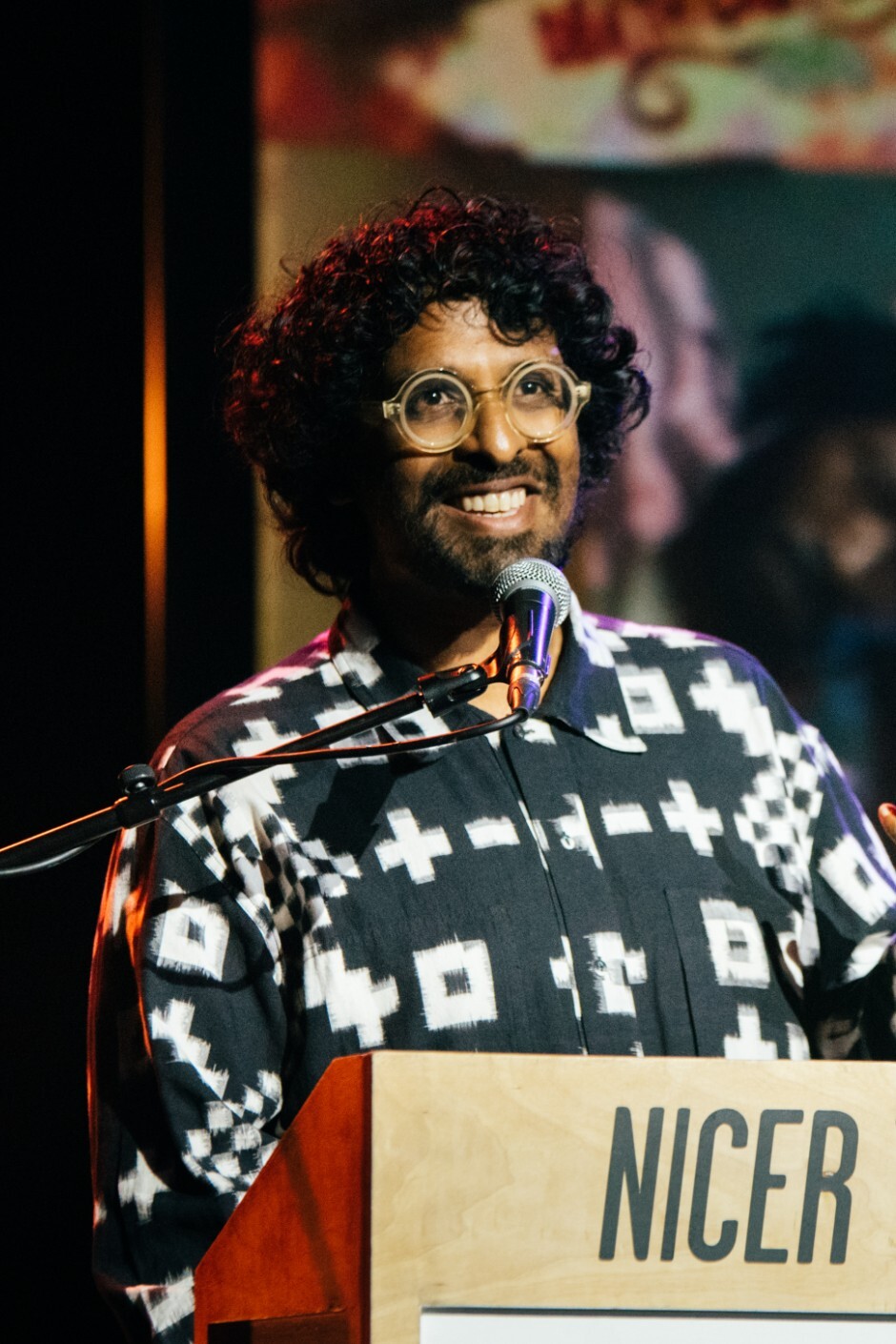
Murugiah
Why you should reject the formula and make art about things you love
Watch -
Marina Willer
Design thrives when you find poetry in the simple things
Watch -
Lizzy Stewart
The hundreds of drawings and writing-on-a-whim that goes into comic novels
Watch -
intra
The rewarding process of recognising the art in obscure everyday life
Watch