
Matt Wade
On the failures designers never put in the portfolio
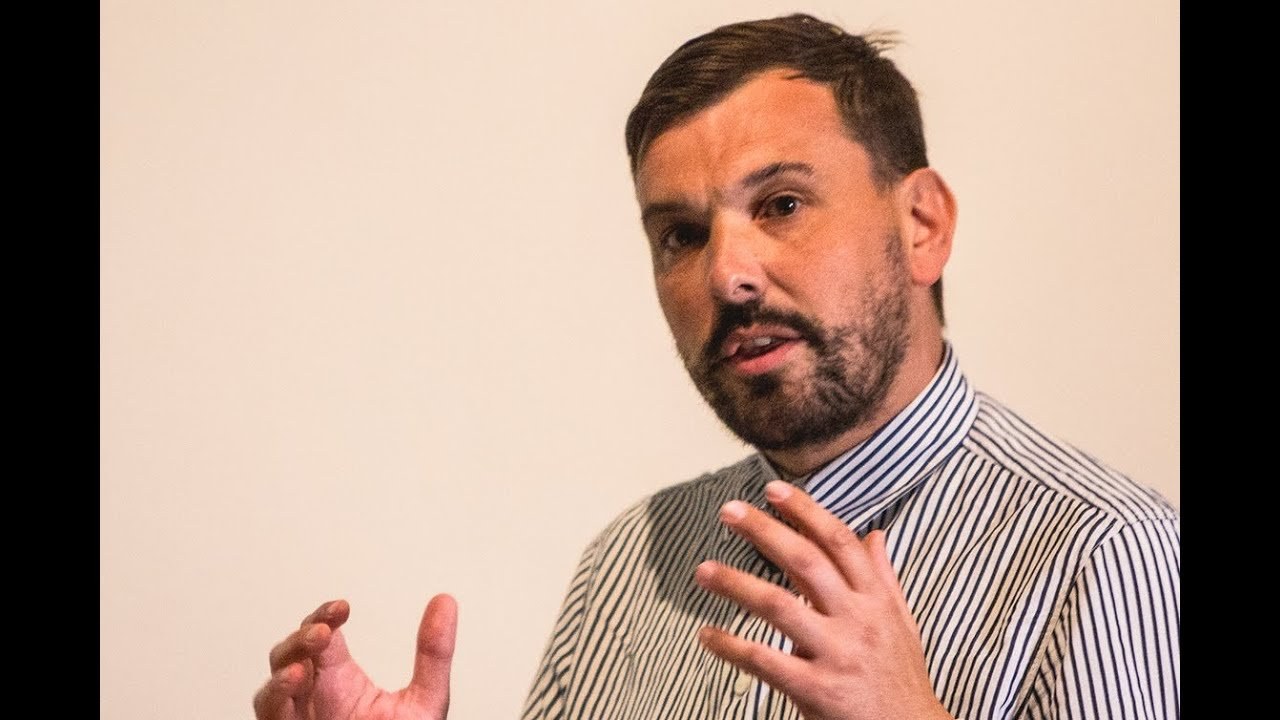
“We work outside of our comfort zone and that means that it's led to a lot of things which because of that sort of comfort zone we've inevitably started to find points where it's just not nice and things go wrong and there's not a lot of positives out of it.”
[Applause]
hello so I've run hi I run a design studio called kin there's eight of us there's been a few more there's been a few less and we had a studio in farington until last week not because it's gone under just because we've moved to just around the corner I actually never thought we'd end up around here.
But we're just over on Old Street and we we sort of have normal desk based activities and we also make a lot of things. And we have a really diverse portfolio and I don't think we have a specific discipline which might mean that we're probably not specialist anything.
But I I like to think there's certain things we sort of Peak at and maybe not the best way we've been described from other people is moving brand said that we were unpigeon H holdable and Derek Yates who's just written a book on communication design said that we were the sort of people of the wrong pens which I really like we do everything from magazine covers to exhibition design to interactive objects to research reports to something we did from Microsoft to this is something for a fashion show it's a dress out of 80 phones to this is a learning thing for National Maritime Museum where kids do object recognition on objects in galleries to this is a sculpture for piece of seating for ITV it's a piece of sort of citiz and science for the Science Museum and hon Blumenthal and series of pollution badges we're working on at the moment as well as some math books we're designing for the national curriculum so out of that eight of us there's a really diverse set of things which means that inevitably over the years we we we sort of work outside of our comfort zone and that means that it's led to a lot of things which because of that sort of comfort zone we've we've inevitably started to find points where we it's not it's not necessarily nice and there's a thing about failure where you you try and learn from your mistakes but there's a point where it's just not nice and things go wrong and there's not a lot of positives out of it.
And I like to think we've got through all of the things that have gone wrong and I'm going to show you three quick things sorry I've gone the wrong way it's a failure so there's lot inevit in those things I keep saying inevitably which which will probably be inevitable again there's this is for dnad we we did all the design for New Blood and graduate Academy a few years ago and when we installed these flags we realized that they were going to kill someone about 10 minutes before it opened so the event was sponsored by sort of Co coconut water that cocoa water stuff so all of that sponsored nice stuff that came to the event was used to weigh down the flags but I'm not going to talk about that as a main thing. And this was for Nissan Innovation station down at the O2 and you could walk around these corridors and do little video Vox pops and 30 days after open the programmer installed trial versions on every machine in the O2 so this came up the Cent the client sort of said to us I don't know what's happened oh I don't know either someone's obviously been playing with the machines but we can fix it.
This is for Adidas and 10 minutes this is the launch of a football boot for in line with European championships two years ago.
I think and they kick this football. And it measures and there's a laser at the top that's measuring the speed of your kick and the client asked us for opened if it was Secure the laser and we said yes and we would kick footballs and and then a 15-year-old turned up and he smashed the laser 10 minutes before one of the CEOs would turn up and they cost £2,000 to replace so we had to pay for that. This is I'm not going to talk about that.
This is a sculpture for Ted Baker for Fifth Avenue in New York it weighs 50 kilos it's made of aluminium it's actually incredibly light it's got these perforations of tiny little mistl Toes that let the air through and weigh yeah it weighs 50 kilo so three of us could probably lift it just and it we went through all the structural engineering plans it was all fine and then the authorities in New York told us that they had to take a load because of the wind down Fifth Avenue of seven tons which is seven Volkswagen golfs so the building couldn't support it.
So we built a metal frame.
And then the steel frame for the building and then the fiber the the fire department told us that the pavement couldn't take the weight of our metal frame it happened it's just a bit smaller than this when it got installed what I am going to talk about is three types of failure one is when things are out of your control which is the first one then sort of human behavior when someone sort of lets you down which is the sort of sadder end it was all fine and the third one is when when we've really something up.
So this one this is a project we did for Nokia I don't know if you remember them they used to make Mo they were a big client of ours they used to make mobile phones and we had to we had did we did a photo shoot where we had the idea about taking photos through different layers of the earth so we took them down in ice c sorry magma caves we took one underwater in a glacia lake we went diving all the way up to the mesosphere.
And we launch one up through there's a few projects like it sort of weather balloon goes up we went to Iceland the idea was we might get photos of the Northern Lights which was ridiculous and here's a little film clip of what happened when we launched the phone made by some friends of our Design Studio ♪
it went that's where we launched it yeah and then it went up here did a big jump there.
And then it landed just off the coast in the sea that's a long way do we have anybody there I all of the predictions were for it to go here like there was never any no I know we gu would TR that far I should say that that that phone we had two of them it wasn't launched and it took three years to develop it was the Nokia pure view and it had a 41 megapixel camera and then the client went home from the Expedition. And we had one left and we had to decide what to we do so we sent the second one up as well.
And we lost it I had to phone espu Nokia headquarters and Report the number of the ID of the phone that had been lost and thankfully for another client the senior one above him said that what a cool way to leak a phone no one was going to find it in the sea and the second one we paid a fisherman a crate of beer to go and get it for us he found it he gave it to a hall truck that drove at the 200 miles across Iceland who broke down he gave it to another hollish truck who was carrying fish who brought it to us we NE we we never gave him anything they just decided to help us. And we got our photo we got a photo of the curvature you know sort of curvature of the earth and all that stuff but thankfully it worked but it was horrible and we took that risk to just do it again and we we launched it second time from a farm we paid the farmer a bottle of brandy that's how it works in Iceland to to do it. And then.
This is actually it's another project for Nokia this is one on a sort of human level we when we first set up we were asked to redo the startup sequence for NOK devices and anyway it was a massive project and the hands sort of come together. And we interviewed lots of people we had this idea of drawing this is one of the initial sketches of drawing lines around people all coming together. And so on. And we origal thing we interviewed lots of people that came down to two animators and one said I know exactly how to do it I know how much it'll cost I know how long it'll take and then the second one said I haven't got a clue it looks really hard I don't know how you'll achieve that. And we talked about what he did I said he also worked U he'd done a lot of he drawn Jessica Rabbit completely romanced by that Kevin my business partner and I just us thought we've got to get the guy who says he doesn't know what he's doing because that's really fresh he's really he's really honest and that's really cool and he and he worked on who frame Roger Rabbit he was an older guy was like this is really exciting it turned out he didn't know what he was doing and he didn't know how to do it and one night I got really frustrated with him and asked him how come you got to work on who frame Roger Rabbit and he said he didn't I said you told us you drew Jessica Rabbit and he said yeah I've done Oh wrong way oh god I've done lots of drawings of Jessica Rabbit we paid him a lot of money and he'd basically drawn Jessica Rabbit quite a lot.
And we'd employed him for the biggest project we've ever done for the startup sequence of Nokia devices somehow we got away with it. And we just did some blue hands in the end that's what we did and then the last one really quickly this is a project for Tommy Hilfiger and this is our first installation project. And we don't talk about this in the studio it's called Tommy Gate and I've talked about it once before an event we've done 700 projects I've talked about this once before. And we were asked by deconstruct a company at the time who' come out of deepend and seven people set up and they were doing lots of web-based work and they were they had a commission from Tommy hillfiger to make an audio installation for retail and the idea was that you would have 4 different types of denim and depending on the type the cut of denim different music would play in a shop and Kevin I had ideas about the fitting room would play you know if you went in with skinny jeans it would play Indie music and baggie jeans hip-hop and so on. And it ended up may being these cassettes which we didn't like the idea so much.
But we were committed to it. And we made 38 cassets they went to 60 stores around the world Kev made these by hand here's a little video of how it works [Applause]
he oh ♪
so they were far apart as Amsterdam to Naples we did it all we thought we were really clever it's a computer just a little MP3 player which we made which plugs in there's no screen no keyboard nothing else attached we came home Monday morning all the stores opened and 3 minutes after the stores opened they all went to screen saver and switched off and they were simultaneously in 38 cities across Europe we had no money and Kev got went to the airport and he went on ryion air and EasyJet and he flew around different cities with a monitor and a keyboard cuz people in the shop couldn't see what was wrong and all we had to do is disable the screen saver Kev been creative director of digital Communications at Imagination he's probably done about 300 shows around the world.
And I'd work I'd been design director at moving Brands we've done lots of this sort of stuff and we' it up ourselves and we had a te we had a a uh production technologist won't be named who came with us to to help us with it and and we just all we just forgotten the simplest thing which was horrible and then we one of the guys in the studio Duncan who was actually we doing the hands at the same time so close so lucky to be here Duncan founded his friend in Belgium feder Rico who was like woohoo cool I'll go and fix it for you we told him about the bigger problem he's like yeah road trip he got his dad involved he drove around every shop up and fixed all the others and I've never met him I've never spoken to him we've never paid him anything and he saw it as a like a quest to help us I still don't know he is I don't know his surname.
But we fixed it. And it was all okay and and there's that thing you survive there's moments where it's horrible and I live in fear of failure like that because it was it wasn't very nice and in the end yeah it was all fine but yeah it was I'll never do it again keev actually Kev will never do it again because it's his fault over there.
I also realized that this this if you inverted this it would look a bit like an the the screen saber that's it thanks [Applause]
Latest Talks
-
Will Anderson and Ainslie Henderson
Bringing stop motion sorcery to BBC’s Small Prophets
Watch -
Amber Weaver
How does contemporary type design translate into the wider world?
Watch -
Murugiah
Why you should reject the formula and make art about things you love
Watch -
Marina Willer
Design thrives when you find poetry in the simple things
Watch -
Lizzy Stewart
The hundreds of drawings and writing-on-a-whim that goes into comic novels
Watch -
intra
The rewarding process of recognising the art in obscure everyday life
Watch