
Marion Deuchars is an illustrator known for her idiosyncratic brushwork and hand-drawn typography, which have charmed both children and adults alike through her numerous books. She focuses on teaching kids about artistic techniques and encouraging individuality with works like 'Bob the Artist' and its follow-up 'Bob’s Blue Period.'
Marion Deuchars
Inside the sneaky craft of writing picture books for children, starring Bob the bird
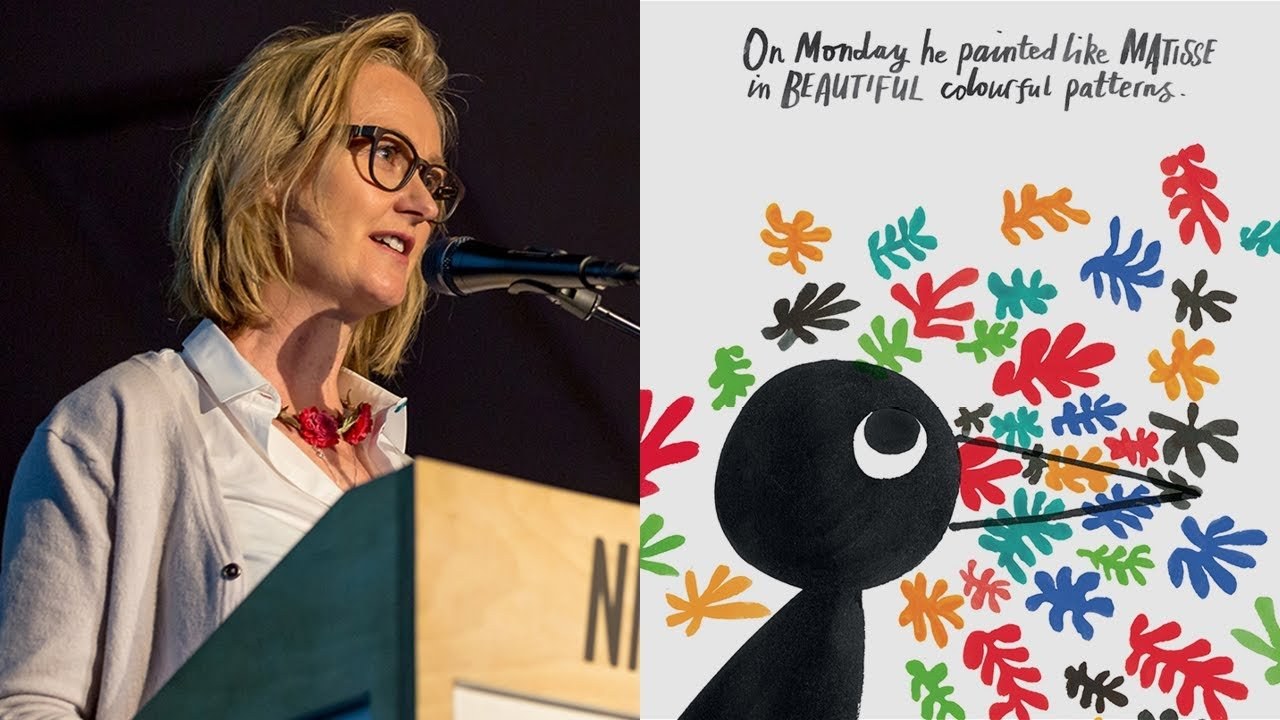
“You think anyone can do it but it’s been one of the hardest things I’ve done.”
Transcript: May contain minor errors or formatting inconsistencies.
[Applause]
and thanks so much for inviting me - nice - chooses really honored to be here some great speakers tonight I feel like I've got quite a lot to live up to I actually planned a 10-minute talk but I can see that I might have about 14 15 minutes I can relax a bit I just give you a little bit of introduction to those of you who don't know who I am I am I was born in Scotland so the Scots are taking over tonight I've lived I actually sold my tartan I've been in London for over 25 years.
And I haven't gone back I'm afraid so I think I call myself a London now. And I've been working in illustration for over 25 years doing all different kinds of jobs I tend to think of myself someone who works right across all kind of platforms of design and illustration and and but more recently I've been working in publishing I've done a lot of activity books for kids and my most recent book was actually a book for adults on colour but today I'm going to talk about and just concentrate this talk on picture books which is something I planned to do for a long time.
But actually took me quite it took me a long time to make one because I'm I think it's one of those things you think anyone can do it's like I just knock out a picture book and actually it's been the hardest projects I've done I think and I still feel like I'm learning how to do picture books so I thought I'd concentrate my talk today on what I've learnt in trying to make a picture book because there's quite a lot of little sneaky tips and devices behind picture books that you know.
I think is really helpful that I wish I'd known before I started out.
So this is the first book I did called Bob the artist and he is a little skinny bird with what he's got very self-conscious about his skinny legs and the second book have done which is actually just out in a few weeks time is the follow up to bob day artists and it's called bob's blue period and it is loosely based on picasso and because the story of loss so where to start with a children's book well there's no right or wrong way to start a kids book.
Actually in my case I started with a character but the the reason I started with the character is because I already had one I stole him from one of my other books and I think I did that because I actually found it really hard to come up with a character and I kept drawing this little bird and I thought maybe why don't I just write a story for him.
So I gave him a name I called him Bob and I thought I'll just write something for him now one of the things I didn't realize about doing a picture book is you have to draw your character or characters quite a few times be quite consistent and you have to be able to draw them from all different angles and I think I was used to doing one-off images so this was a bit of a challenge for me with Bob the bird it's not so difficult because he's a really really simple form is literally a triangle and a and a circle but with some of my other characters I really struggled to do different views and actually just keep a consistency and drawing for example the aisle I just couldn't do a side view for the owl and I had this cat from another one of my activity books I stole him put him into the book and he only had a head and shoulders I had to make a body for him and again I really struggled on that side view and I came up with a little kind of sneaky way of drawing a side view which is when you do a 3/4 view and a lot of other illustrators of notice do this just think Charlie Lola and think me famous and they all kind of used that 3/4 view to get away with doing the side view I also made it quite difficult for myself for choosing a character as a bird who doesn't have any hands I think I managed quite well to do these kind of birdie handy type things here so one of the the things you have to do when you're doing kiss because I think you have to find your own voice it's really easy to copy and it's a great way to learn but ultimately it's a really competitive market that it's like gonna be saved of God it's a kind of quite fast turn over but the great thing is we have an insatiable appetite for the new and unique and I think if I give you any advice that would be just be personal and go for something unique with my characters of my stories I try to bring things a little bit close to home.
So I look around me to get inspiration. And this is our dog pip who just always looks a little bit forlorn and when he's lying in that chair so I used him to kind of copy as a character for Bob and I quite often look at him and see kind of similarities and he crosses into my work quite a lot recently I mean this is my son playing guitar and I use him as a reference whether he likes a lot.
But if he sees this film he won't be happy but there's little details like the way he's turning his foot he's right foot and I think it just gives your character an extra dimension when you've used that real-life observation I would never have been able to make that up I don't think equally I wanted Bob to be able to dance quite well. And so I just looked at videos of Michael Jackson and try to copy some of those cool moves and you know Bob is a bit a little bit like a blank canvas I kind of feel like I can sort of make him be anyone or do anything. And that's quite great to just kind of take ideas and throw them onto this little character because my background is is our activity books that I suppose the premise of my picture books I've gotten are linked to them.
So I tried to sneak in a little art reference in this case Bob and Baatar painting but there.
This is copied the that kind of pose from a picture of Jackson Pollock and Lee Krasner and it just means you can take that if you're so inclined you can take the the narrative the book of the book a bit further if you want to so if someone would maybe recognize this as Pollock they could talk about that so some of the things I learned with things like glaze like that you could say 90% of picture book stories can be summed up like this what is the main character want and what's stopping them from getting it. And it's quite similar to the cog theory which is character obstacle goal and you can basically start dissecting stories and realizing that they kind of follow that pattern closely you can do that by reading reading lots of kids books I read lots of books to my children when they were younger but I never really fully analyzed them I just kind of read them. And now when I tried to do my first book.
I just went to the bookshop with a notebook and pencil and I just tried to take that sentence you know what is the main character one and what's stopping him from getting or her and you know nine out of ten books you could kind of pull that out. And it was it was a really great way to learn actually how to just write a kind of solid story I always write my stories with a combination of text and image because I'm making both the text and image it seems to me the right thing to do to just work on but at the same time so once you've kind of got your story a little bit of fleshed out you have to ask yourself what's at stake you know what's at stake in your story it doesn't matter if your character reaches his goal if it doesn't matter or you think well maybe it's not that important then you probably not got a story in Bob's blue period for example he starts painting everything blue and you might think well. That's not such a great big deal but the blue becomes overwhelming until it turns into one big blue tidal wave that then becomes a kind of life or death situation and the stakes are much much higher.
So I think it's always worth asking the question you know what's at stake and make it you know raised it raised the stakes and make them quite high you admired a character more for trying than their successes and this comes from Pixar actually because they're really great for reading because they're writing hundreds of stories and they're quite good at it you realize that sometimes it's the balance of a character trying to overcome their difficulties that makes you like some more you can think of so many kind of main characters that are kind of almost failures and we we respond to them because we relate another thing you have to remember is that you need to create empathy for your character if you don't care about the character you don't feel any kind of kind of you know emotion when you when something bad happens to them then again maybe your story's not quite working so you know make sure you're you really feel something for that character and you somehow finally their words their images to convey that keep it simple well easier said than done I think when you think that an average picture book that this kind of present time is roughly 32 pages and 500 words it's not a lot of kind of imagery and it's not it's not a lot of text and you've really got to make every word and every spread can't you know and that means kind of really editing your text and really looking closely at how strong you can make your story with me what I try to do is I try to make my images as simple as possible and the reason I do that is because I really don't I don't like drawing detail and I'm also not very good at it.
So I try to find ways of taking elements out but still conveying a really strong dramatic image and there's some things I just can't draw I'm not one of those people who can just draw anything or everything.
So I'll trying to find ways and means of getting out of say drawing a tree then I'll do that so work to your strengths and I think it's a great way of making imagery I did some really great workshops at City Lit through some great teachers our Luke Ensler and Sophie McKenzie and I learned a lot on those courses they they were really good at kind of taking you behind the scenes of how images were gonna this is something I hadn't really spotted in picture books but you know the words you shouldn't just illustrate the words it's the most boring thing to do in a picture book really the words should actually always say something more and the best picture books they do this really well they kind of almost contradict each other the way I kind of work with words as I try to have as little words as possible so once I've got my story in pictures like this it's like I just tried to keep removing words until I can still still still tell a story.
But there's very little in there and really I think my pictures are the words and so I try to say as much as I can with the pictures without using you know was using very little words I think this is a brilliant statement and this is from the writers of South Park and they it's almost like their mantra actually and they're obviously right hundreds and hundreds of stories and they say between any two scenes you can fit the words therefore a but rather than and then so rather than saying and Bob and then Bob did this.
And then Bob did that that doesn't really make a very exciting narrative whereas if you kind of did a cause and effect thing. And I sort of did this subliminally on my first book without really knowing that rule Bob is trying to fatten up these skinny legs and so he tries something.
But that doesn't work and that leads on to something else you know he tries listen but that doesn't work and he tries something else but that doesn't work. And it kind of builds up momentum of the story through action.
And I think it's mix a much more dynamic story so dialogue is a great thing to use and you can really rather than sometimes again using past tense you can just make your characters speak to each other. And sometimes a little a little kind of test I do is I take two characters from my story. And I just give them a fictitious dialogue I might throw them in a supermarket and make them have an argument it's nothing to do with this story.
But it helps me find out their characters like all they to say that or they say that. And somehow when you work and dialogue you see quite different things with your characters and you can surprise yourself but it makes them just have those extra dimension and be a bit more real again there's lots of things to avoid in children's books I haven't got time to cover all of them.
But I just cover a couple one is being didactic I mean everyday children being told what to do and what not to do by teachers and parents so the last thing you want to do is your kids book to be doing the same so both of my books deal with quite quite weighty issues in a way but neither of them are didactic and in Bob the artist for example he is do you have an epiphany in both books and in both the artists through the power of art it changes his ways and then Bob's blue period it's the power of nature nature almost like a kind of eco syrupy here's a kind of experience and I think what's really important though is what Bob does is through self-realization he improves you know he solves this problem it's not solved by someone else it's not solved by a parent or a teacher I think it's a good point to remember and also avoid abstract language abstract language kids don't understand and abstract imagery doesn't work either I mean I really wanted to I just love this Chris McKay and performers piece I was trying to sneak this somehow this reference in with Bob and bat but I couldn't make it fit the story.
And I couldn't make it fit the book. And so you have to cut so it's another good lesson to learn that you sometimes just have to cut images that you like or ideas you like if they don't if they're not true to your story they don't do anything for your story now despite both my books being quite serious kind of subject matter it's not what I ended it's not kind of wasn't the plan I just really wanted to draw a funny I wanted to write a funny story and create a funny character and we have more birds doing yoga here.
So I think the one of the first things I did with Bob was kind of make him do yoga because I realized if you can make a bird do yoga I think you can kind of make him do anything if you can do it convincingly see I'm just a front of you there which is actually quite difficult also because drawing can be anything is not to be limited by real it's like whatever you draw the kids they're gonna believe so don't be scared of being a bit surreal it's always important to have a strong ending to your book really the character should it doesn't have to have a happy ending but you should reach his goal or his problem should be solved his or her problem should be solved and in Bob's blue period of course he finds his color again but you can do this thing where you can come back to the beginning so Bob loses these colors finds these colors but he doesn't quite go back to the same way he changes a bit.
And it's always good to add a little twist in your story. But also using a return to the beginning of the story is also really good device so Bob loves to dance loses his passion for dancing but regains again at the end so that is the end of the presentation it's very quick by a hope there are some top tips there that'll end for all of you budding and take to boot writers out there that I hope you maybe get something from that write your own story I feel like I'm still still got my best stories to come sir thank you [Applause]
Latest Talks
-
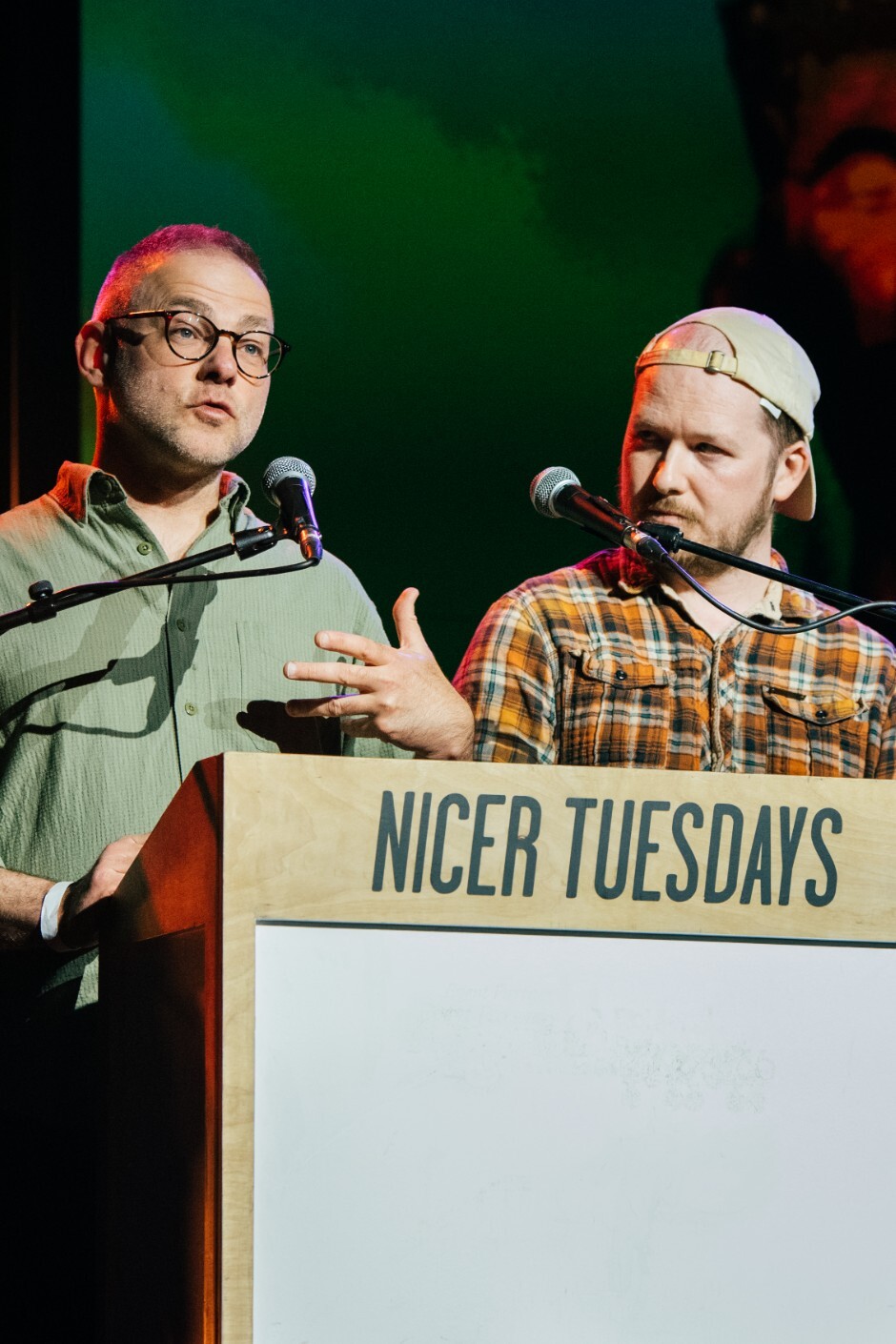
Will Anderson and Ainslie Henderson
Bringing stop motion sorcery to BBC’s Small Prophets
Watch -
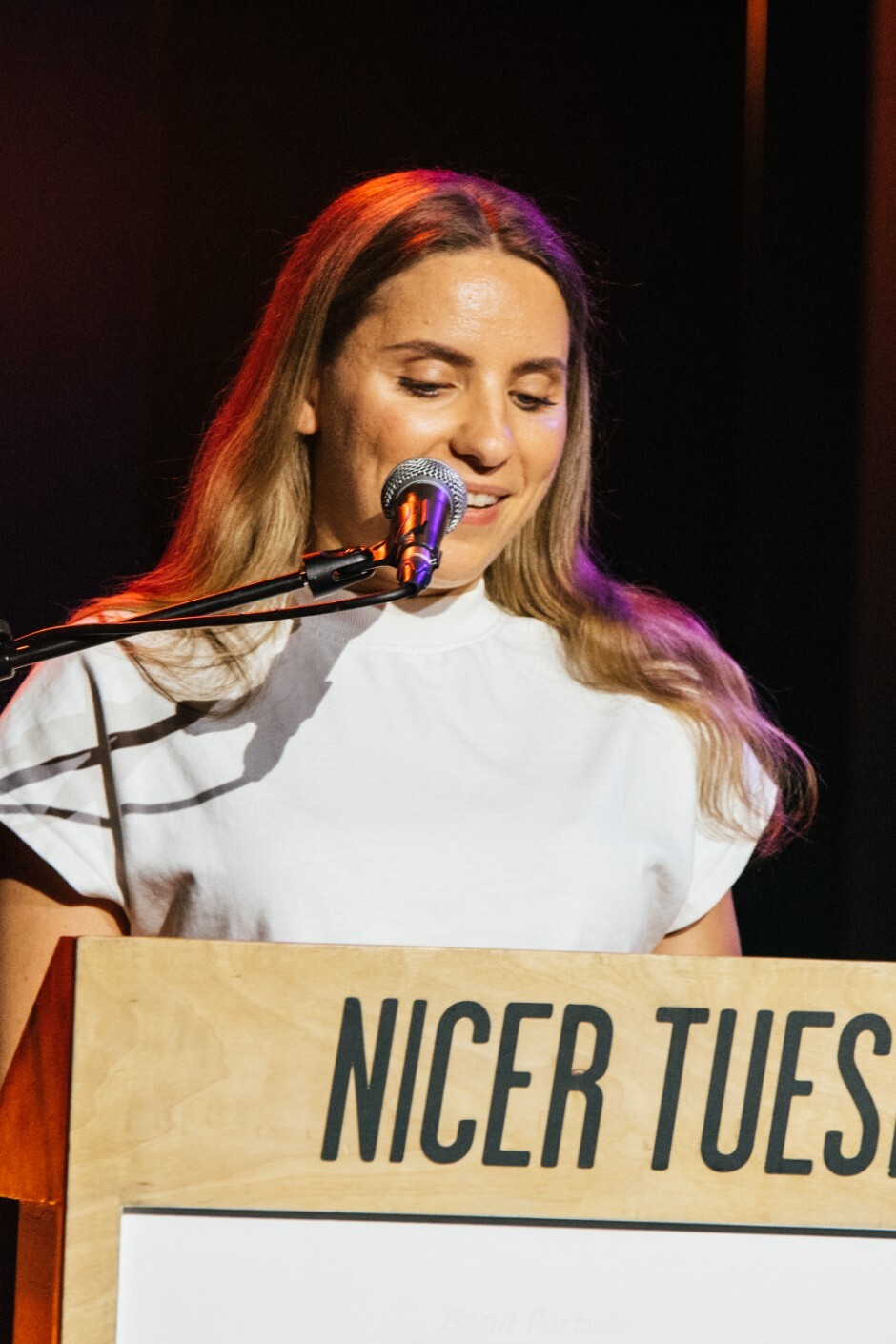
Amber Weaver
How does contemporary type design translate into the wider world?
Watch -
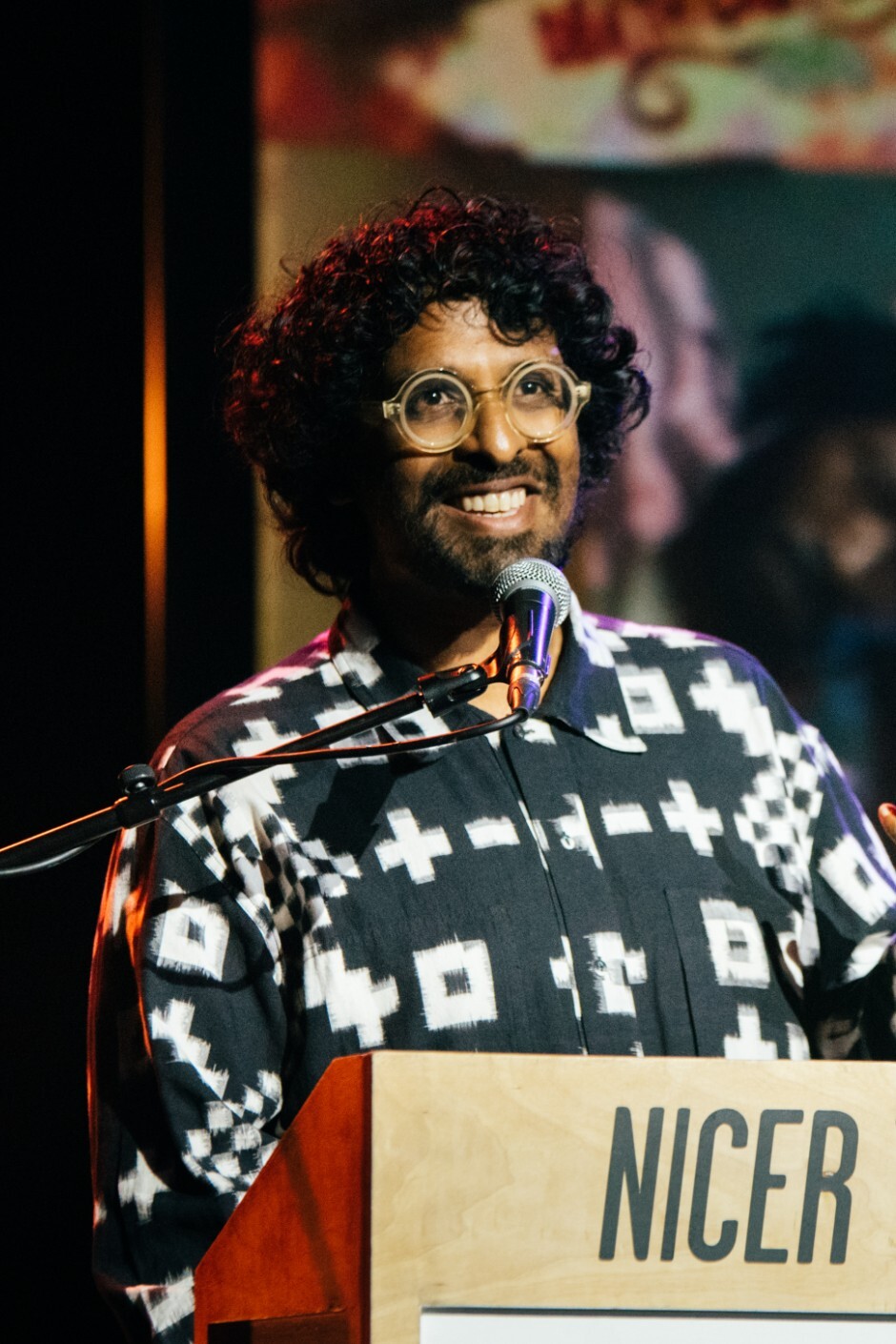
Murugiah
Why you should reject the formula and make art about things you love
Watch -
Marina Willer
Design thrives when you find poetry in the simple things
Watch -
Lizzy Stewart
The hundreds of drawings and writing-on-a-whim that goes into comic novels
Watch -
intra
The rewarding process of recognising the art in obscure everyday life
Watch