
Luis Alberto Rodriguez is a Berlin-based photographer known for his distinctive approach to portraiture and capturing movement, influenced by his background in dance and choreography.
Luis Alberto Rodriguez
Photography as choreography capturing movement beyond just the pose
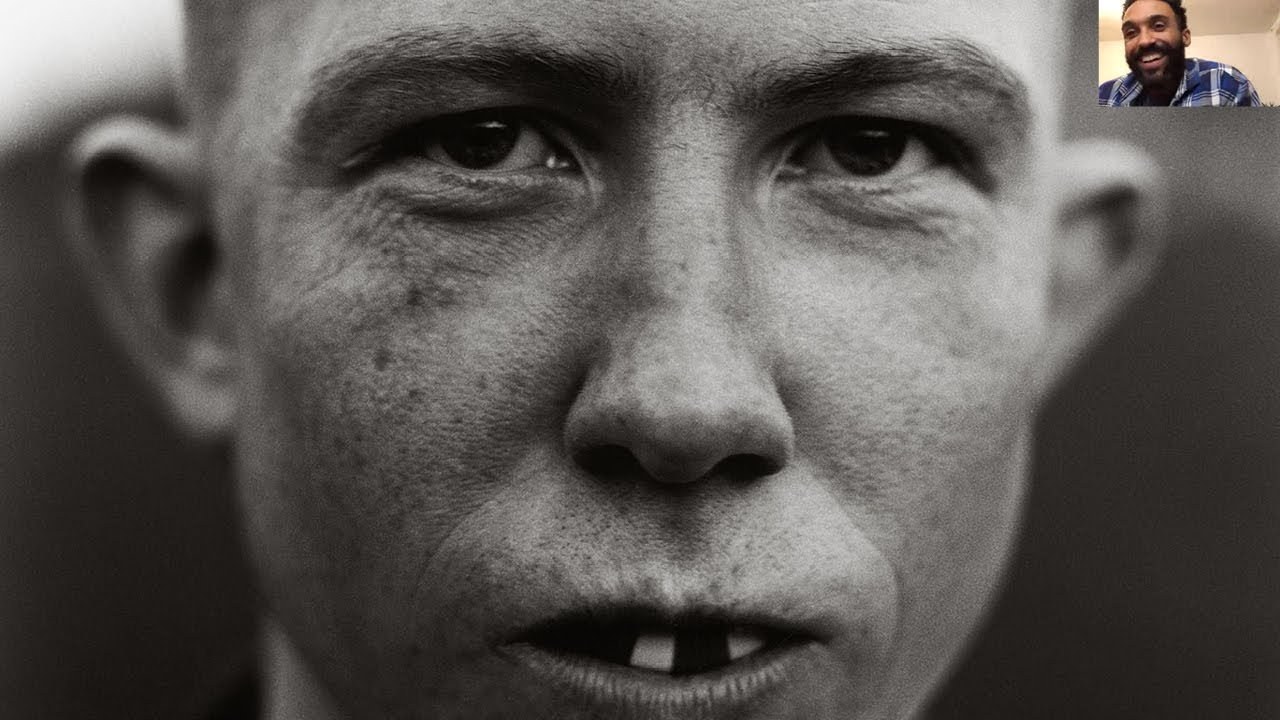
“Photography for me started as a choreography – capturing movement is not just about the pose, it’s about the story behind it.”
Transcript: May contain minor errors or formatting inconsistencies.
Fourth and final speaker of the evening luis alberto rodriguez is an american dominican artist currently based in berlin in a former life he was a professional dancer and his former career continues to this day to influence his photography which is always dynamic and displays a fascination with the human body his recent series people of the mud shines a light on the communities of county wexford in ireland luis is joining us today to talk through this powerful series and his creative process generally luis please turn on your audio and video if you can hi there hi everyone how are you I'm good I'm good thank you for having me and everyone thank you for tuning in well thanks very much for joining us you are in berlin currently am I right.
I am but I also have to say it's been really great watching the other speakers it's been really really inspiring yeah I I'm in berlin now I've been in berlin throughout this whole crazy time that we're living through right now.
But I've also been living in berlin for eight years as well excellent okay well listen instead of you doing a talk I guess it's worth saying that luis and I are going to have just a bit of a chat about your work and particularly that series I mentioned people of the mud again though for people in the audience if you do have any questions that you'd like me to add in and then please keep dropping them into the chat and I'll do my best to get to them as well I guess luis first question really I touched on it before in my introduction but you were a professional dancer for 15 years how did you kind of make that transition from that to becoming an artist and photographer yeah I mean I've been a dancer for a really long time I started training around age 11 and then I trained for 11 years or so and then after that I worked professionally for about 14 15 years and and so I never really saw myself sort of doing something else because I've been doing this before I knew what was like right and wrong it was not I don't feel like it was like a choice but I don't mean that I was like pressured to do it it was just something that I've done for such a long time. And I've been very fortunate enough to have a passion be my what I did and it was really my identity actually. And I so I moved and I was I was dancing all over europe and then.
I was living in stockholm before I moved to berlin and I was dancing a dance company there. And I moved to berlin and I think it was also an age thing I I started asking you questions and in berlin I met a lot of incredible people. And I but it was I was working freelance here and when I was working freelance in berlin I met a lot of different people who were sort of inspiring me all the time. And I was taking pictures of people on the street every time I would go on tour when I was dancing but I really had no idea what I was doing because I never went to photo school or anything.
But I was sharing the photos and getting a lot of good feedback from people and and berlin I started to form I started to form a community of people who were very very sort of inspiring and and one of my dearest friends who unfortunately passed away before covet mac folks he became a sort of mentor to me and and I started taking pictures of my friends and then through that posting them and small things started to come to me I started applying to different contests and you know I would get recognized and then recognize the work would be recognized but then in 2017 I applied and I was one of the winners at the air festival of fashion photography in the south of france and from then on I I'd say a lot of things really kind of started to shift for me.
And I started to see this as a more realistic thing for me.
But it was never like a plan of something that I decided to do it was just something that was really I felt very very deep in me as a sort of like natural progression from what I was doing and a lot of people always ask me well you know how did you how did you start photographing in a way I don't feel like it's much different from what I've been doing it's just that I'm on the other side of the coin now interesting I mean I guess we're looking through some some images of your work. And this is kind of a few series here.
But there is a very clear yeah I guess I mentioned like a fascination with the human human body I mean is that something that comes from your your background as a dancer how else does does dance kind of influence your work today or yeah I photograph what I know I didn't go to photo school I don't have any kind of photo training but my training has been the theater my training has been the body and analyzing and scrutinizing my body and everyone else is around me. And so I I you know I'm also I'm also growing up as a gay child in new york city my family's from the caribbean you become very aware that. There is something other in you.
And in myself and so I became very observant of everyone around me from a very young age the way I talk the way I walk the way I you know what I do and everything everything all the physicalities around me became very I was sort of like hone into it because I I became sort of paranoid as to why everyone was looking at me like I was like something was wrong with me. And so I think that coupled with my dance background and and taking it to what I'm doing now. That's been the school for me and and and just trying to find in a way I I I've been surrounded by so many different types of people because I've lived kind of all over the place that I just always been a fascination for me.
So the body is is what I know it's been my school. And it's what I you know what we all have in common.
So yeah absolutely I mean I guess we're now seeing these black and white images are from your series set in wexford and maybe it's a good time to start talking about that I guess as the series is called people of the mud where did you first hear about county wexford and what was it that attracted you to to the place so in 2017 I was I was at er in the festival that I mentioned previously and I was one of the winners and so in 2018 I was invited to show some work there.
And then in 2018 there was a new platform called futures and it was in correlation with the festival and and they were from there I basically was offered a residency and the the the brief of the residency was I was to make a work about cultural heritage and there were three partner countries and the country that I was sent to was ireland and so I had to make a work about irish cultural heritage and I know nothing about ireland well I knew nothing about ireland and I definitely didn't know anything about county wexford at the time.
So I started speaking around and asking around and asking some friends and my friend rafael introduced me to his friend grace carroll who's a producer in london and she because raphael told me that grace is actually from wexford and I was just like what really you know I'm supposed to go there in like two months and so I I got in touch with grace and through her I was asking her talking telling her about my background and my interest and in two years two years before I had made a photo in the dominican republic where my family's from of two brothers in an embrace and there's no space space between them in the photo they're they're they almost look like they're wrestling and it was a photo that I that I that I made and I and it really kind of touched me in many ways and I was always trying to I feel like I touched upon something like this photo for example it's it's this kind of continued thing of this of closeness and this photo that I made with superbowl is I wanted to see how I can use my my work. And sort of extend that idea with this idea of family and and and intimacy so grace was introduced me to her brother sheamus who is one of the players in a hurling team which is an irish traditional sport and she told me you know that this would be a good opportunity to work with people who are physical with their bodies as I started I started looking into hurling and I started to see that in a matter of seconds you know the game is very very very physical it's also it's a matter of seconds there like it's the fastest game on grass and they're they're pushing and shoving and like scratching and lifting each other up and egging each other on and like pushing each other. So it's really there's a lot. That's happening but I also noticed that I started watching the game in slow motion when I was watching videos of it.
And I I saw that throughout all of that. There was a sense of intimacy and trust within the players that was built upon many years because the the sport is something that you play only for your county and so the guys in the sports team that I was playing in what that I was shooting and working with in wexford they are they've been on the same team for years they grew up together. And so I'm not sure that they were aware of the of how close they were but I was interested in showing the the community between them a trust between them a continuity intimacy family lineage tradition. And so they became sort of like the focal point of the of of of the story that I was trying to tell and I was basing this again from a picture that I had done two years before.
So this is just kind of like a continuation of that and through them I was living on a farm and through them I've met I met their friends who were doing irish irish dancing and I was also working with farmers I was the residency where. I was staying at cow house studios it's a farm with the the family has been there for 300 years.
So I was also interested in working with the people there and their relatives how they have created over all of these years sustainable living conditions and using the tools that they use for farming and pairing that with the body and how the body and the tools can become a larger machine in a way so all of these things coupled together I started to create this kind of narrative which I I didn't know it was going to become a book that was not my original plan but it's been an incredible and incredible project for me because I've never had anything like I said I'm not coming from photography and and I felt like this became a map like a map for me of how I would want to continue working because of the relationships that I made with the people there and how warm everyone was and also how I'm coming from such a completely different background and I was quite nervous to go there. And I had no idea what to expect I'm a brown guy I have no idea what they're gonna think of me when I get there I'm living on a farm you know but to my you know to to my utter like I don't know my heart is very warm because of the time that I spent there. And I I I call the the book people of the mud because mud being the mixing of water and earth is a very simple material but it's always something it's something.
That's never static and it's always taking shape depending on the imprint that is left upon it. And so mud also wexford was called inlet of mud when the founders found the I think the vikings founded wexford a million years ago. And it was called wexford meaning inlet of mud so it's at the same time the mud is a like a geographical signifier for the place and these are the people that I met there.
So yeah I mean it's amazing how many different themes you've managed to pull into one one series like that it's it's absolutely extraordinary I guess it's interesting I mean you kind of touched a little bit there on how there's there's intimacy in a lot of those photos of the hurling I mean I find it very interesting that you know the bodies are kind of you see the bodies in movement but you also see the the scars on the bodies and the broken toes and things like that it's quite gruesome as well but just looking at how you work with your your subjects are you quite directive I mean like are you a choreographer in that way or do you allow people freedom to move as they want and are you quite you know it depends who I'm working with because yeah it depends who I'm working with because with dancers of course it's quite easy because we're speaking the same language but it's it's a beautiful challenge for me to work with people who are non-dancers because they bring a physicality to the to the space that we're working in that a lot of times exceeds my expectations and so I like to come with an idea.
But I'm absolutely open to to whatever they bring because I I don't really believe that we all know what we're doing I think a lot of a lot of us are just kind of faking it until you make it and you have to be I like to be open to to what other people are going to bring because who's to say my idea is the best idea.
So I I I always try to come with a map of where we're going to go but for the for this specific project with with the people of mud I had to be quite planned out because my time with them was quite limited and so I I and I wanted to use the physicality that they have already on the field and transform that into what I wanted to do with it.
So I was using the physicality that was really familiar to them already and sort of like extracting that and manipulating it. But in general I I I I'm quite open to what people would I'm never the type of person who's like no I don't I don't no no we're gonna do this you know I I'm really yeah I like to collaborate okay interesting and I guess as I said if you take a step back and look at the series as a whole what do you think it says about you know modern irish identity I mean I guess it's quite a it's a difficult subject for someone who's not not from that place to dive into but it feels like the series really tackles that. And some of it feels very modern but some of it looks like it could have been you know hundreds of years old in a way yeah I mean I think one thing that that I would say is that I think that human spirit doesn't change I think that there's something that doesn't change it's just our empathy for each other I think and I think that no matter how many years passed these guys these guys their families have been in that community for a really really long time.
And I think that as much as we move forward with technology and with digital everything I think there's something about community that is constant and I think that there's something that having people that you can fall back on and trust and know that they're going to be there for you is something that it doesn't matter if it's 2020 or like 1930. Of course customs changed but I think there's a through line throughout the years that we all need we all need we all need each other. So in terms of modern identities I think that in terms maybe styles have changed but and I think maybe words that people use in communication have changed but I think this the need for each other is something.
That's there and has been there and will continue to be there especially now because the world is crazy so yeah yeah absolutely yeah I guess I mean also just thinking about the the people that you did photograph and how long you spent there do you feel like you've got those kind of lasting relationships with those people now have are there are there people that you've maintained contact with and is that something you do generally I guess with your with your subjects a lot of well besides the book a lot of the people that I shot are friends of mine so I have an ongoing relationship with them and from the from the players I I've I've mainly been in touch with sheamus sheamus is one of the guys I'm in that trio right there and he was the the guy he was basically like my compass through the whole him and his family were basically the compass throughout my whole experience there.
And so yeah sheamus is the upside down guy there he's something that I keep in touch with and also somebody who whenever I have questions about names of things or just questions in general like he just became a friend and he became a buddy of mine and we're still in touch we don't speak every day but he's somebody that I that I know that if I will go to wexford I will be seen again and his family hopefully and through them through him you know. I was also in touch with with with this guy andy so it's it's it's with some more than others some I haven't heard from and I haven't been in touch with because I wasn't really in touch with them when I was there they were sheamus as friends in a way.
But yeah sheamus would be the the the guy that I would say that I'm the most in contact with as well as the people from the from the residency the cajon studios from time to time. There is some kind of exchange there as well as as well as florida ireland festival which was the festival that hosted that from the residency he gave me a show his name is angel and the the I also and he allowed me to open the photo island festival in 2019.
And so with him and julia from florida ireland they are the I I definitely have a relationship with them and they've been great and yeah. So it's been I don't know it's just been a very special time and not to mention working also and creating the book with loose joints with sarah and lewis from there it's just been an incredible experience because I knew nothing about bookmaking and together I we create I think we created something that I feel very excited about and and something that I never really imagined it becoming of an object right for me it was all very ephemeral a lot of times I'm like all up up in the cloud so to have something in my hands now from this time period this document is very special to me yeah it definitely changes things when you have something physical in your hands for sure we're kind of slightly running out of time.
But I just thought I'd grab one last question which is really just you know what's next for you what have you what have you got lined up over the next few months I'm I don't have any concrete plans I am just kind of honing in on what the hell I want to do I mean I think covert has flipped the script for everyone and I'm just trying to keep my eyes sharp and not and not not sort of like trying to overload my brain with feeling like oh my god what am I doing with my life so honestly I'm just trying to see what actually go through my images and see where I'm going to go next and I have a few things that I'm trying and some projects but nothing that I'm like yes that's like the next this I don't the next like big thing I don't really work in that way I just sort of things just kind of come.
And I try to make the best of it and and yeah.
So I don't really have a concrete no fair enough that's exciting actually I've just I just realized that I haven't been checking the the questions that have come through on the chat so one last question if you don't mind someone mentioned on the chat you said you have no photography training did you learn by looking at other photographers work and any big influences if that was the case yeah I I definitely once I saw one of the first books that I saw was richard avedon american west and I saw those portraits and I was already doing like some pictures of people on the street a lot like older ladies older men and every time I was going on tours to different countries but I had no idea I had no reference so I was just shooting and then when I saw his his his the american awareness it really blew my mind because I was just like oh my god like that's actually I never I was so much in my dance bubble that I you know to think that somebody had devoted their lives to to photographing documenting people like this was just like mind-blowing to me.
So I would say he he was he was he's always been the back of my mind I'm also dana luxembourg is someone that I really really respect her book her book imperial courts is just absolutely incredible and a lot of times I I'm really inspired by a lot of people who are dead like peter hujar I think he's just I don't know I don't have much words irving penn it's just a lot of the kind of ones that we all know. And I'm sure there's a lot of people out there that I have on my on my computer that I can't recall right now.
But I I think that dance has definitely and working in the theater has definitely been my my training and then it's just been a lot of trial and error and learning and I like being thrown into the sharks and just sink or swim and somehow I like managed to make it through you know.
But that's yeah that's been my my training fantastic I think you've done more than managed to to make it through louise but that's very generous listen I I'm gonna have to pause it there because we'll slightly run out of time but thank you so much for for that chat that was really really interesting thank you for being great not all I'm gonna ask you to turn your audio and video off. But yeah thanks again louise speak soon
Latest Talks
-
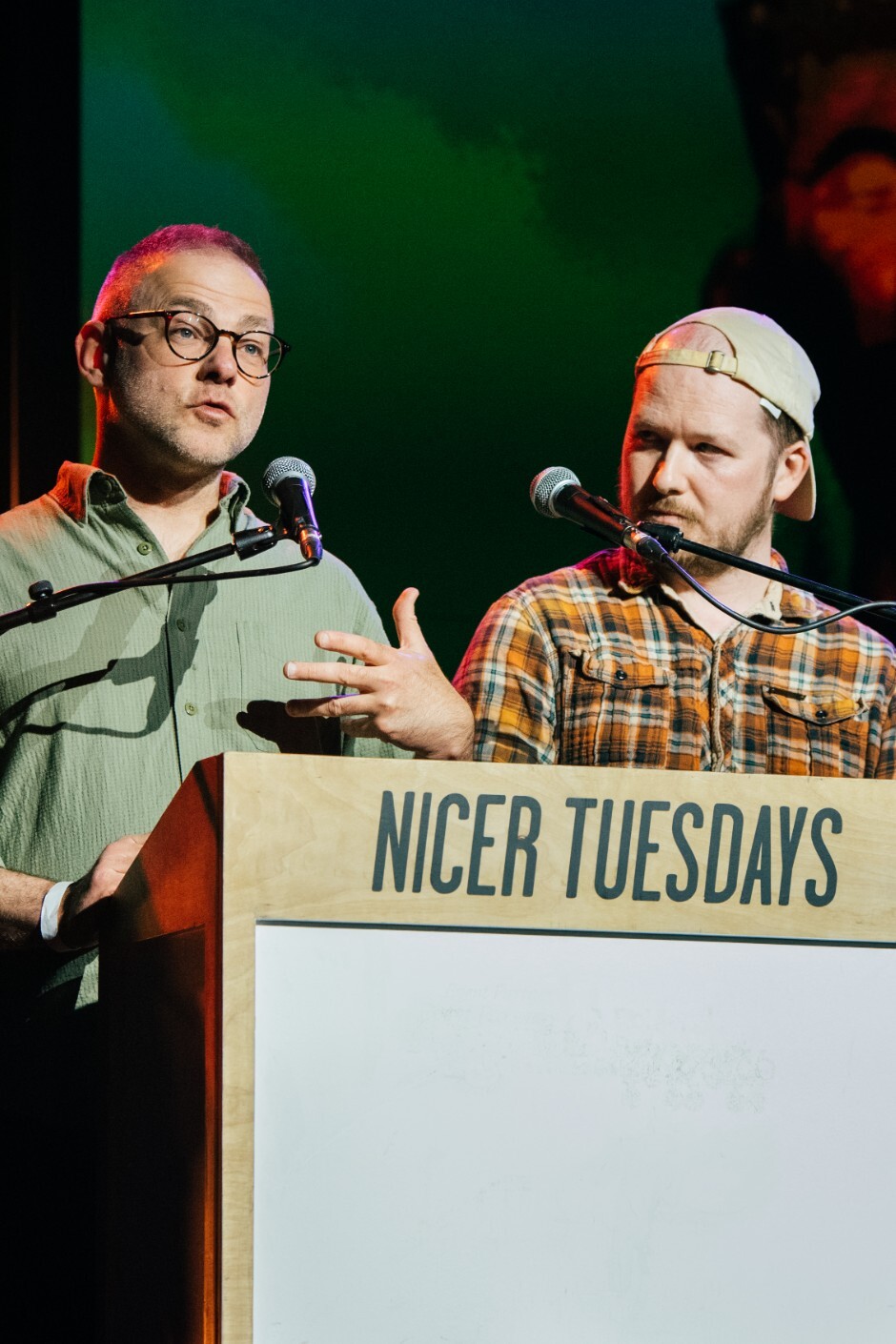
Will Anderson and Ainslie Henderson
Bringing stop motion sorcery to BBC’s Small Prophets
Watch -
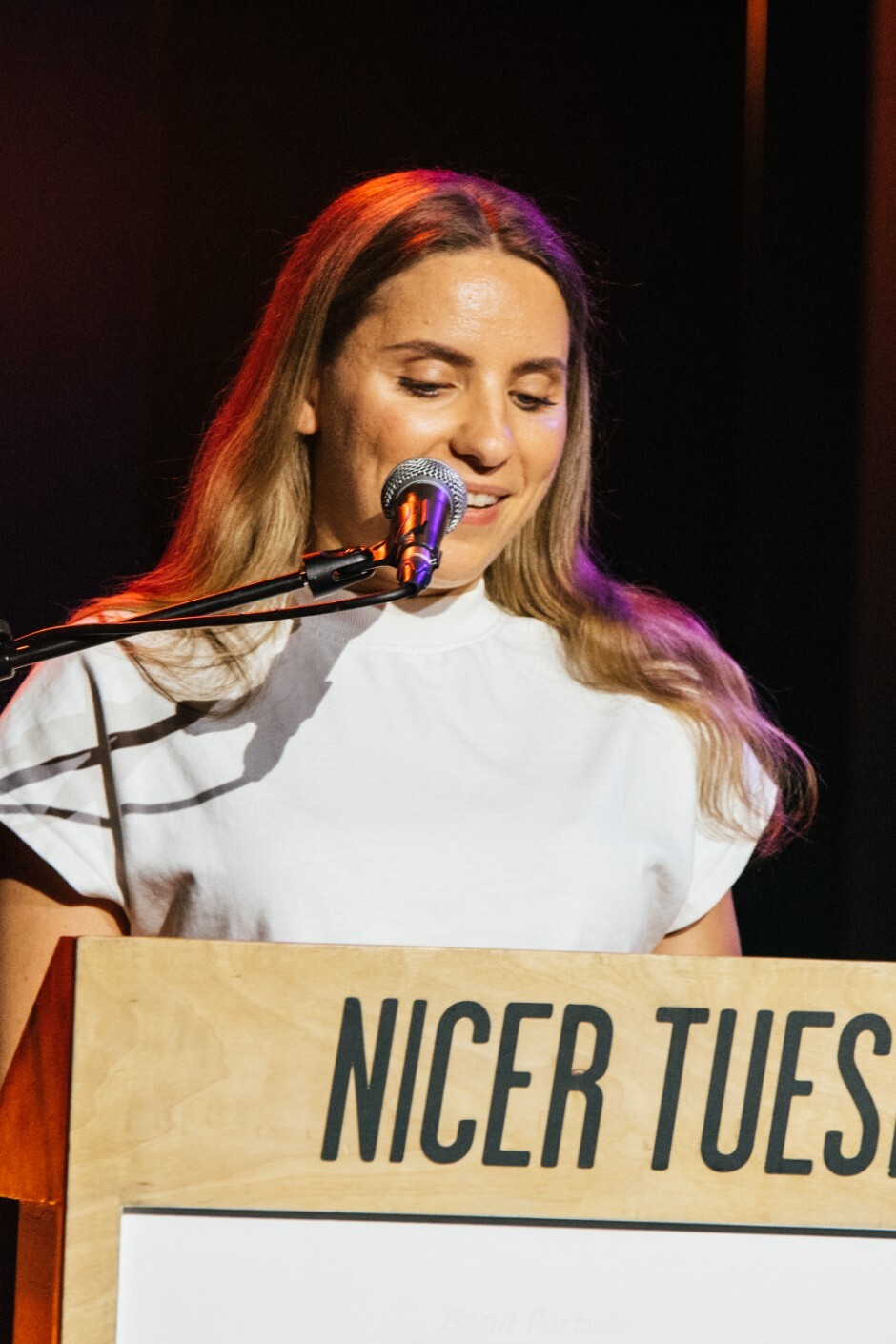
Amber Weaver
How does contemporary type design translate into the wider world?
Watch -
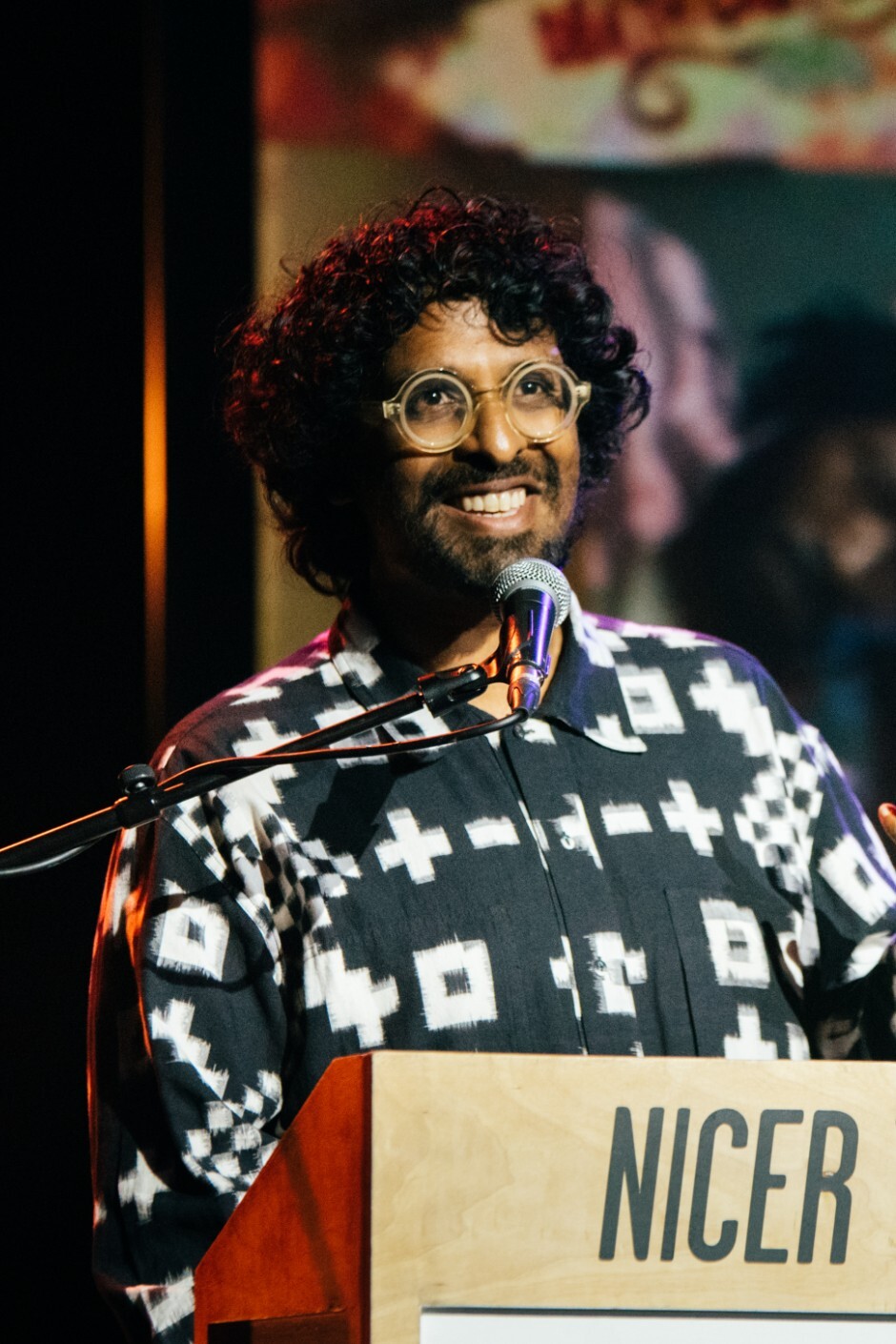
Murugiah
Why you should reject the formula and make art about things you love
Watch -
Marina Willer
Design thrives when you find poetry in the simple things
Watch -
Lizzy Stewart
The hundreds of drawings and writing-on-a-whim that goes into comic novels
Watch -
intra
The rewarding process of recognising the art in obscure everyday life
Watch