
Lovers
Building a design collective around the things people genuinely love working on
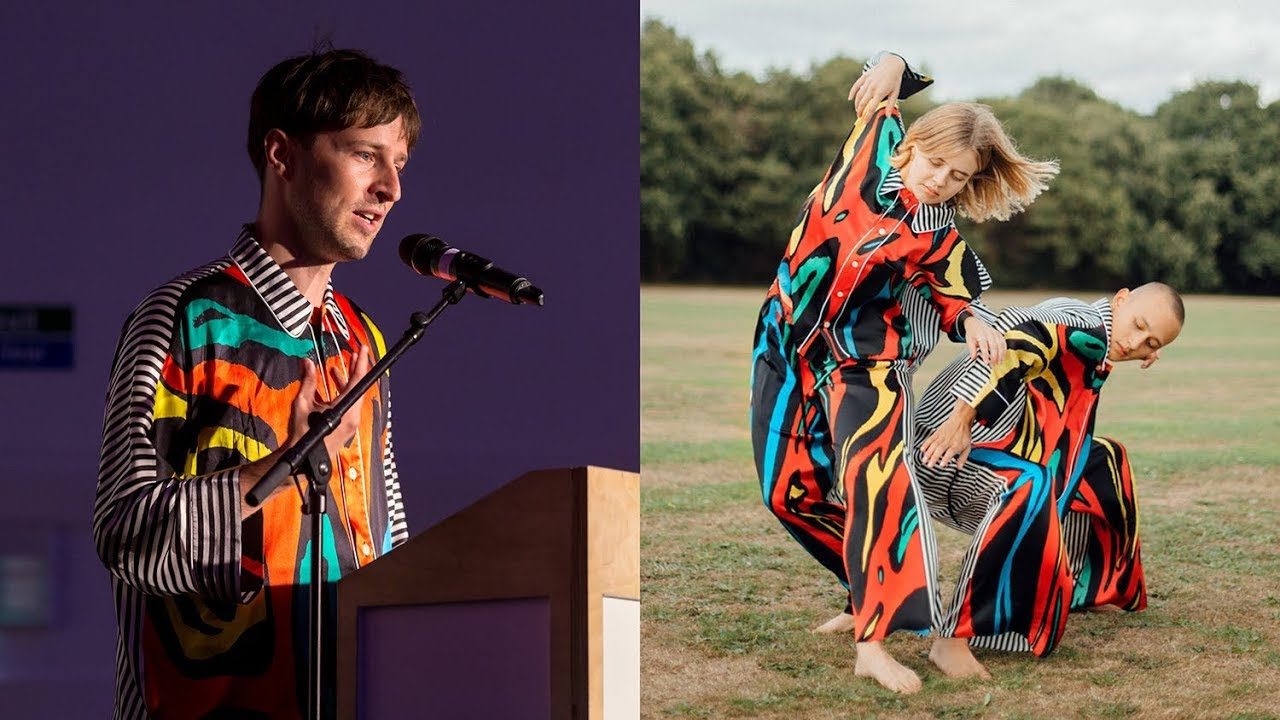
“Working on stuff that you don't care about doesn't feel good and is maybe a waste of time. So we try to just not do that — that is the one reason that we do what we do.”
[Applause]
[Applause]
hello hi there thanks man my name is Alex and I'm the founder and creative director of a design collective called Lover's and our job is basically to help organizations think about how they want to express who they are and also what they really want to say so I'm going to tell you a little bit about how a design collective runs or how else does and also show you some work and help you understand a bit how we do make that work.
So I think we can all kind of feel that the shape of the world of work is changing quite a lot the minute and there's a shift towards more individual choice and away from rigid structures and we kind of ask ourselves things like what's the point of this and why am I doing this and could this be better more and more and although that can be kind of a source of anxiety and stress I also think it can be really good for our creativity and there's a social dimension to this as well this changing sort of landscape and social currency plays an increasing part in what we do and don't choose to do together professionally and relationships matter a lot reputation has to be real individually and collectively and collaboration can't be cruel so lovers is a relatively new model and methodology that we're kind of designing in all of that context which is why I mention those things we're currently a hundred eleven people in London in the UK and New York designers art directors writers producers photographers filmmakers and other us.
And so there's quite a lot that we can do together because of that range of skills and a small group of us works full-time on the lovers idea. And we kind of bring creative and social leadership to the rest of the group and also the projects and help clients kind of navigate their challenges that they bring to us.
And then the wider group you getting this the wider group is it's full of all sorts of different people. And we cherry pick who should work on which project based on whose eyes we think the project will light up the brightest as well as what they can do and I'll explain how that works in a second but first I'll show you a little bit of the work that we make ♪
it's utopia basically and there's a simple idea at the heart of that. And I know it sounds sweet maybe but it's that working on stuff that you don't care about doesn't feel good and is maybe a waste of time.
So we try to just not do that that is the one reason that we do what we do and try and do it together. And I think it's potentially a waste of time for you your client your collaborators and the audience as well that you're designing for if you're making something for people and you don't even like it that doesn't seem to make sense so we have this little thing called a lover's amulet which is kind of like a little promise to ourselves and to each other to make work that we care about in the project. So that we can all expect that of each other.
And this is something that you get at the beginning of your first lover's project. So in order to know what each person in our group. Actually cares about we have to find out.
So we've created this tool called tell that helps us do that.
And it just asks seven really simple questions which are top secret and this is the first of those and you know we hear everything on this from social and environmental justice to egg based desserts you know it's that broad and personal sometimes it's serious sometimes it's some it's not serious and these answers kind of build up into sort of also manifesto that makes itself out of all those words and tells us not only what we want to work on. But also how we want to work on it and how we don't want to work together how we don't want to trample on each other's creative selves during those projects these are some of the organizations that we've helped so far and I suppose basically that if a project comes up that no one would love to work on we kind of physically can't do it because no one will come forward and do it.
So we can't get someone to do it.
So there's a kind of natural filter that happens that I think is quite interesting and increasingly we meet up to talk about this stuff and there's a space that we've built on line called pillow talk which is almost like a sort of play space or a conversation space to kind of socialize these ideals and ideas and update them and check them. And so in this space we might dare one of our filmmakers to write a script that pushes them or team up a set designer and a photographer to do something in a new way that they haven't done before.
And sometimes we're just getting to know each other as well like you know letter-writing or going for a like an interview two people will interview each other. And I suppose the benefit of creating that culture is that you can take it further away out of haggis turn where we're based which is something we're actively doing at the minute in New York making new friends and alliances there. And I thought I'd show you.
This is the first piece of work that we've done for a New York client the Museum of Sex in Manhattan and it's a teaser showing the identity for super Funland that we've designed there are no pictures of super Funland I'm afraid tonight so you have to imagine that they wouldn't be as good as what you're imagining so I guess because of this structure we get lots of ideas for side projects and I wanted to tell you about one tonight that nobody knows about yet it's a reveal so we obviously look a lot collectives of the past it's something that we're kind of obsessed about doing and this is a snapshot of the kindred of the kibo gift who I'm sure you will know we're a group from the 20s in England creating their own way of life and way of creating including their own clothes so we started wondering about the connection between clothes and collective creative power this is genre and we just kind of start to imagine these pajama resk cloaks with the power to help you dream and we knew we wanted to they'd have to be a really interesting shape and that would fit all genders and all different people and be a really interesting material silk we chose can you see where.
This is going and we wanted to involve artists to make them look but also sound amazing I explained that further so after two years of fiddling away in the background of our projects this is what they look like this is what they look like and yeah the artwork is by Braulio Armando who's this amazing designer in New York that we've worked with once before and they're called dream jams and I'll give you a little look at them ♪
so just to be clear those are dancers you don't have to wear these were cat lovers but it probably probably helps and the sound that you just heard is a snippet from an hour-long soundscape made by ki rebellion who is a really recent new friend also in New York and she's a sound artist and this is her recording all different places in America that create this soundscape that you put in your ears when you listen to these clothes I guess you know what's the point of doing all this and maybe there's no point to this.
But it's it's an experiment and we just really wanted to do it. And so we followed it all the way through to existing and I suppose loosely the idea is that maybe some group of dreamers will be created out of this product but we really don't know.
And I guess that's the point of a side project is that it challenges you to do things that are nonsense maybe for a while so if you want to follow that nonsense that's dream jams on Instagram so I thought I'd tell you about a project and how a project kind of typically unfolds at Lover's and how we collaborate on it. And I'll tell you about I worked for Greenpeace who I'm sure you know and also you know their work is more important than ever at the moment so they campaign about so many different things that if they was to give everything the same look it sort of overwhelms audiences so they came to us to make a identity a unique look and feel for this campaign about ocean plastics so we obviously looking to tell this tool I told you about. And we can search by word so we can tap in Greenpeace and up pops Paul Paul is a graphic designer who specifically answered that he would love to work for Greenpeace one day and luckily for Paul his skills are up to the job.
So we appoint him and bring him in to start working with us and another thing that Paul said in his tears he likes to get away from the computer so we sent him to the beach except this is January and there's no sand there's only plastic filth except he's having a great time because he loves love that sort of thing.
And we thought you know maybe he'll find some letterforms in the in the plastic on the floor and would just scan them in but actually other things happened but we kind of trusted this process he brought all the plastic back into the studio and we just started kind of staring at it together to see what what it was what is this plastic that ends up in the oceans and how we're going to maybe turn that in some language so we're interested in the fragments and the shapes but also the way that the typography sort of gets eroded by the salt and the sea and kind of rearranging it to see if we can communicate maybe numbers and other things.
So these textures were particularly kind of eye catching to us.
So we thought we'd bring in another collaborator kiya who designs typefaces and here he is studying those textures studiously and turned it into a typeface that we could type with and use that reflected what we were seeing under the microscope of these packets and you know seeing these otherwise shiny logos and letter forms just kind of crumbling in shame.
And so we started to turn that into an identity what you might call an identity so introducing a color palette using some of the imagery and consistent ways and being able to communicate things like maps and diagrams and stuff like that for online communications and when we do this we give over a tool kit to Greenpeace so they create things you know in their building as well like this. So it's really important that we show how we suggest that it all works and I suppose we're kind of in this project channeling a bit of the monstrosity of this issue instead of you know we're normally often making graphic design look clean and and beautiful and attractive and this time it's more about the opposite of that.
So they wanted to take it step further Greenpeace and send a message to the world's largest soft drinks manufacturer if you know who that is and this was just a lesson in keeping communication really simple so that it could be remembered and kind of spread so that you could just say it and kind of illustrating and painting a bit of a picture of what was going on that people weren't seeing about this company and getting people talking about it and getting people upset with it. So that it would be discussed so that any potential actions that might need to change in the way that this company you know uses its product and packages its product could could be changed or discuss to be changed so shock is used we're disturbing people's peace and disrupting and you know to be clear about what love is doing what Greenpeace do Greenpeace make all of this amazing pressure happen and we just give them the stuff to do it and they see it's kind of formidable watching them go and actually do this but eventually you know enough noise builds up especially online then it's unag Nora before any brand in in our time to not listen to that.
So in this particular case they did make some changes to their policy and there's definitely more that they can be doing but you know it forced the thing to be taken seriously and that's full credit to green pieces mixture of strategy diplomacy shock public engagement amazing really. And so yeah you know pulls chuffed with that because he's tell and so the benefit of throwing yourself into these projects and really giving them your all is that you earn trust and we're now working on other projects for Greenpeace that are international this is to do with protecting the oceans and it's again a different identity a different typeface and a different look and feel but this time 39 countries rather than just the UK are using our toolkit.
So we have to make it really watertight in terms of how it works and you know how it all comes together. And I think this is probably our favorite image from everything they've done with it in the Antarctic so I think my kind of final message to you is you know when you're working notice what you care about and try to factor that into how you work.
And I don't just mean ethically I mean passion more broadly than that and as well as choosing what you want to work on what you don't want to work on I think we all need to choose how we want to collaborate and how we want to respect the other people that we're working with because just as important as what we're doing and if anyone nasty tries to scare you off dreaming send them to us. And if you want to join lovers all that feels like something that you would like to do there are two seats going in our permanent team at the moment those jobs are on if you could and if you're freelance send your work to the team at Lover's CO and we'll definitely have a look at it. That's one of our favorite bits of doing at work say thanks for listening [Applause]
Latest Talks
-
Will Anderson and Ainslie Henderson
Bringing stop motion sorcery to BBC’s Small Prophets
Watch -
Amber Weaver
How does contemporary type design translate into the wider world?
Watch -
Murugiah
Why you should reject the formula and make art about things you love
Watch -
Marina Willer
Design thrives when you find poetry in the simple things
Watch -
Lizzy Stewart
The hundreds of drawings and writing-on-a-whim that goes into comic novels
Watch -
intra
The rewarding process of recognising the art in obscure everyday life
Watch