
Liv Siddall
How a record shop magazine got made between beers and panic attacks
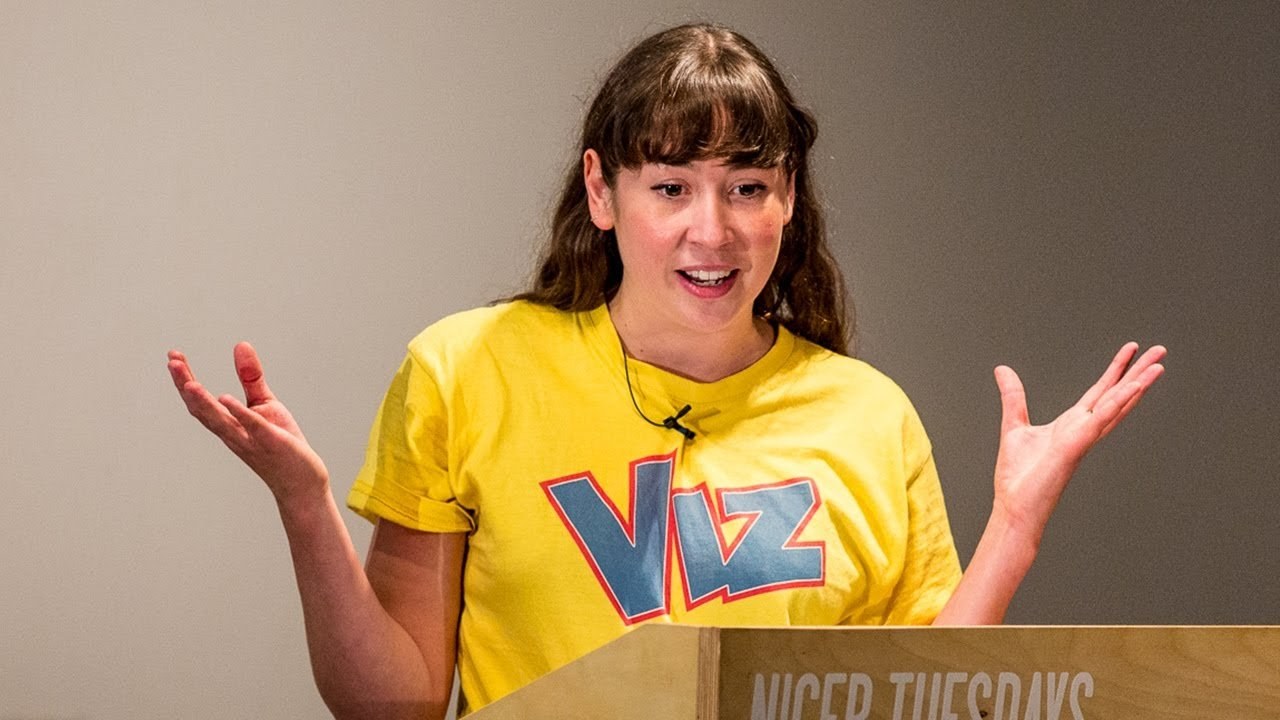
“The only thing I could do is kind of put my own — the stuff that I find really inspiring and fun and silly into a magazine because there kind of wasn't really any point adding to what's already out there.”
[Applause]
hello oh yeah my name's Liv hello I used to actually work at it's nice that for about four years I used to hand out beer at this so um how the tables have turned anyway so about a year and a half ago I quit it's nice that.
And then went freelance about sort of six months and was just absolutely sorry I'll start this absolutely terrified about the idea of having left such a good company and like floundering around a bit. And I was writing loads of stuff for independent magazines and doing talks like this and just doing loads of crap really.
And it was in the summer so I wasn't really doing that much work. And I was kind of poor and it was a bit. And I was having a bit of a crisis and I was saying to a friend of mine that I just want to join a really cool team again because I was a bit lonely and I want to go to New York and I really want to make a music magazine because I kind of started doing my own one anyway and the next day after IID said that I got an email from one of the directors of rough trade he was like oh I found you on LinkedIn turns out you can do podcasts and magazines we're trying to find someone to come and do a monthly print magazine and make some radio shows for rough trade and make some video content and I was like wow that's like my dream job.
So I went in for a chat and then got the job the next day and then just suddenly realized that that was absolutely terrifying so this is where I work I don't know if you've been to rough trade before there's rough trade records and rough trade shops they're actually separate but I work in this.
This is rough trade East there's also a shop in West London. And in New York and in Nottingham and yeah.
So this is it. That's inside I work on like a kind of grotty mezanine and covered in up on the left hand side so I kind of got to this job. And I'd already helped make the magazine for its nice up before. And I had done it's nice that podcast and also done events and things. So I was kind of okay about doing it.
But I was just kind of sat at my desk and they were like cool just make a magazine in the next like six months and then. I was just like oh God I have no idea what the I'm doing so I just sort of sat there. And I just didn't really have any help I was completely on my own and so I started just looking at other music magazines for inspiration you know the kind of free ones you get there's loads of great ones in London.
And I was looking at the ones you could kind of get at the moment anyway all fantastic magazines all written like amazing serious journalism about music there's really good reviews I mean it's just fantastic great commissioning really good stuff happening but I kind of found it quite daunting because they're all so techy and intelligent and sometimes a bit inacessible and as you can see quite serious I didn't I kind of realized that the only thing I could do is kind of put my own I don't know like the stuff that I find really inspiring and fun and silly into a magazine because there kind of wasn't really any point adding to what's already out there and there's already so much good serious stuff I kind of thought well the stuff I'm into is viz private eye the face Smash Hits I've always been really big into magazines since I was a kid so I just kind of was thinking maybe it' be nice to add some irreverence in there kind of usually it's nice that tone as well like happiness and goodness there's no point writing a bad review about anything because what's the point in doing that. That's just bad for the world but so I wanted to make a really positive mag aine that did all those things maybe like hire some people to do comics and just kind of take inspiration from all the magazines that I loved as a kid I remember like being a teenager used to get my sister to bring back all her copies of like the face and ID back from London. And I remember every single magazine had like a picture of someone smiling on every page and I really like that and that kind of made me want to move to London and make magazines and do features and stuff like that.
So I was kind of thinking about just making something quite fun and kind of zenie but then. I was like wait a minute but no idea how to actually design a magazine so I was having a bit of a panic and then so an old an old familiar face from its nice that called Bruce Usher who's a designer just came into rough trade to have a beer and talk about his love life.
This is Bruce he's sitting over there in the white hat in the middle he came in to have a chat about his just like whatever because we were just hanging out. And I was telling him about this magazine problem I had and he was like I'll do it for you.
So we just ended up becoming like a team doing it together.
So we had to then sit down in a very short space of time and work out what is rough trade and how we're going to make it look like super good and make it really kind of a lot of the rough trade customers and fans are quite particular and they understand what rough trade is and it would be quite easy to get this really wrong and we didn't want to upset anyone because you know that would just be horrendous.
So we kind of made some ideas and we just kind of put together an idea of what rough trade was just based on the shop so smelly toilets big part for me because it's just like all the toilets are like graffitied and covered in and they've got like ends in them. And it's just like that feels quite rough trady devoted customers hangovers door is always wide open the staff that's like the biggest most important thing squidy around the edges dirty floor swearing music obviously the history of it.
So we kind of put that all together. And we launched the first magazine in April so this is the cover of the first magazine we decided that because I don't want to go back to my slides in case can't find it oh yeah because all the other magazines have celebrities and bands on the cover we thought it would be cool to make a rule that we'll never do that.
So this cover there's an interview with Charles Bradley the soul singer in the first issue and that's his pet parrot so he sent this photographer to his house to photograph his pet pet parrot so that was quite nice and the back cover is just all the contributors because we kind of wanted to make it about who's writing for it rather than like all the celebrities and bands because you know. That's kind of boring anyway.
So I'm going to just show you the methods that we have of making easy to make a 64 page magazine every two weeks on your own because that is the life I'm living at the moment alongside making radio shows and films for rough trade so we had to come up with solutions for this.
So basically lock down as many regular contributors and features as is humanly possible lock them down lock them down.
So I was just kind of thinking about like easy cool features so Agony AR first one you got to have an Agony AR in the magazine so we got Jonathan Richmond I just emailed Jonathan Richmond's manager CU I was like that would be hilarious if you don't know who he is he's like a really old man who lives in America who has no phone and no computer so making my life very difficult from the start so he he used to be in the modern lovers and he's a very famous old musician and he just said yeah he'd love to so every week every month sorry we send him letters from people just kind of just questions about life and he answers them.
And then a woman called Debbie transcribes it and sends it to me I don't know happens how it works but it happens so that's lockdown we also have a feature two spreads per issue which is Staff pick so all the staff from all rough trade get to like suggest books or films or music or albums took a while to persuade everyone that.
This is going to be a good idea because a lot of them have never written before they kind of just listen to music they're so passionate about music.
And so to get them to write stuff down when they were a bit nervous about their writing style was a little bit bad but now it's way easier and people are quite into it. And we're putting embarrassing photos in which they love and also every month we do a horoscope which we get bands to write weirdly it's quite easy to get bands to write horoscopes people just seem to be quite up for it I was worried that I'd ask people to do it and they'd be like what the are you talking about.
But they love it. And it turns out if you ask bands to do quite fun stuff they're really into it.
This is one from Sunflower bean and it's illustrated by Adam hickton who is an old person that I used to write about on its nice set all the time in fact every contributor is someone that I wrote about. And it's nicet because I feel like they kind of owe me a favor so I'm like hey help me out other ways we kind of fill up the magazine is we get a lot of famous people coming into the store and we tend to just grab them and take photos of them going through records and picking out records and saying why they like each one and we just photograph them doing it I do it or someone else does it.
So we had John malovich coming in a few months ago so he was just wandering around the shop and we were photographing him.
And I was like oh can I interview you about music and he was like yeah yeah and then like we we started the interview it was like for an hour long and I was like so do you do you like music and he was like not really no so like it was just like a stupid but we had to put it in because it's John malovich so it is quite a good interview but he just talks about like using his iPod and how his children sent him Spotify playlist which is fine you know. That's totally fine we also have I got this guy called Joff Owen an email went around in rough trade someone found a list on his computer of things he was scared of that was like a private documents leaked which is this.
This is just this is a a very small segment of it so you can just see I think number 35 is like the one I'm going to need to change SL I've got no time. Anyway.
So this came out. And I was like I was like Joff do you want to just like describe why you're scared of this stuff every month and he was like y double page spread every month gets it.
So that's just he just does that.
And it's nice to have it by a staff member because keeps it all rough trady and like what other music magazines going to have a weird mail order man from rough trade writing about his fear of peanuts so other ways of doing it I got to really hurry up now handing stuff over to the band another way to take up space very quickly is just to basically get bands to take those of photos of themselves so I just kind of pay money for them to have disposable cameras when they go on tour and then get them to send them back and actually I've never been let down so far they seem to quite like doing it.
This is the alas on tour I just gotten to take pictures of each other it's very sweet oh sorry alas sorry this is Whitney my bad this is the alas so they just kind of send back these photos of them posing and looking cool and that can take up six to 10 spreads which is fine by me because I got to do it really [Laughter]
quickly also we got Tim Presley from White Fence to do a comic I've been a big fan of his work for ages is and he was like oh do you just want like one spread and I was like no no we'll have 10 so again he just kind of like sent in like all this Comics but he was so happy because he always gets interviewed about his music but no one ever really concentrates on his artwork. So that was kind of cool for him and and us. And we do things that we visit.
This is inside subpop the label in Seattle we just send photographers to go and photograph inside the offices of labels because that's kind of a part you never really see and even though it can be quite boring it's I don't know it's kind of a nice thing I don't know if you want out of budget do everything yourself joh I had to do a lot of that I went to New York and photographed inside daptone records similar kind of feature because we didn't have any budget and I borrowed my brother's camera and it just seemed like the right thing to do and it ended up being a really nice feature that Bruce designed beautifully and also I just find people on the internet and get them to do stuff as well.
So this is a guy called Brian Boone who I found who wrote this. And I was like take it offline immediately I want to use it.
So I just paid him like 50 Quid and then used it in my magazine which is nice but it's entries on Rolling Stone's top 500 albums of all time list whose title sound like fart joke so it's quite self-explanatory fun beanie again it's good right.
I think Piper at the Gates of Dawn is like the one yeah. So again it's like making making stuff that other music magazines might not necessarily put in also me and Bruce when we just run out of budget which we have very minimal of anyway when we run out budget we just tend to kind of make the cover ourselves so we kind of broke the rule a bit by putting Angel Olson and a big heart on the front cover because we're not meant to have celebs on the cover but it's Angel Olson.
So I was like it's fine she's one of the only women albums of the month we've had for ages and we wanted to make a cool collage so sometimes we just get around budget stuff by just making collages and covers our same for the most recent issue that's just a quote from the horoscope of that month it says don't let any self- pitting Tendencies keep you down this month yeah which is nice kind of a tumnal too.
So yeah me and Bruce are just like working together.
This is us it's just literally I just get the content and then every week he just every month he just designs it. And we sit in his Studio to like and just go through all the mistakes and proof it and get it all wrong and then have a nice time. And it just kind of taught me that you don't really need loads of time a lot of magazines need months and months and months to go to print and they get like proof for weeks on end but for us we just kind of do it once a month just for like three days together. And we realize that.
This is probably the only time we'll ever get where we get paid to make a magazine that has no rules because no one at rough trade ever sees it before it goes to print so we can put in fart jokes we can do whatever we can put in swear words our directors I don't think really have like read it even in that depth it could be really offensive no one even knows so I think we'll probably do it for a bit longer just to have that Joy because we don't think we'll ever get that again in our careers but yeah and you can get the magazine at rough trade it's four4 pounds or it's free if you spend 15 pounds or over and that's all of them so far and that's it [Applause]
Latest Talks
-
Will Anderson and Ainslie Henderson
Bringing stop motion sorcery to BBC’s Small Prophets
Watch -
Amber Weaver
How does contemporary type design translate into the wider world?
Watch -
Murugiah
Why you should reject the formula and make art about things you love
Watch -
Marina Willer
Design thrives when you find poetry in the simple things
Watch -
Lizzy Stewart
The hundreds of drawings and writing-on-a-whim that goes into comic novels
Watch -
intra
The rewarding process of recognising the art in obscure everyday life
Watch