
KK Obi is a stylist and creative director known for launching the magazine Boy.Brother.Friend, which showcases the work of talented contributors in the menswear fashion editorial world.
Kk Obi
Building a magazine that dissects masculinity, identity and Black diaspora communities
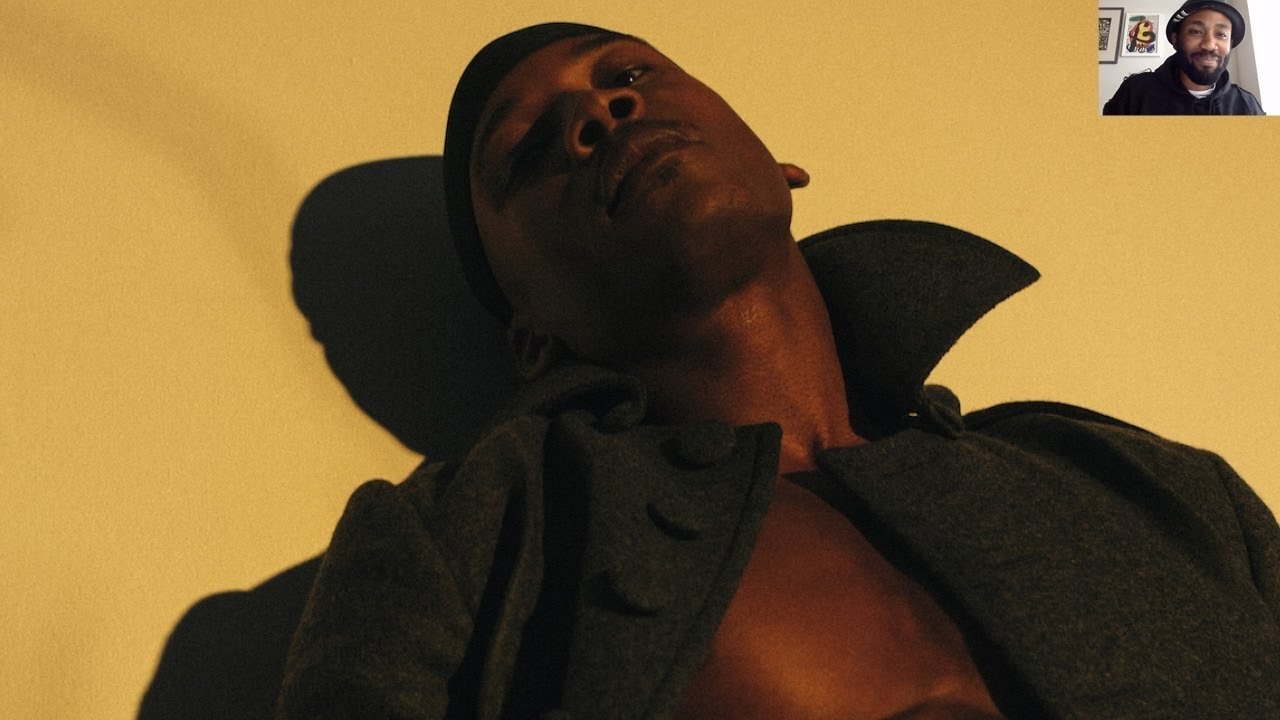
“I started Boy.Brother.Friend to create the industry I want to see, not the one that exists.”
Transcript: May contain minor errors or formatting inconsistencies.
Our third speaker of the of the day so kk obi is a stylist and creative director and co-founded the recently released publication boy brother friend the magazine caught our eye for its amazing list of contributors including moa lola and liz johnson arter to name just a few kk is joining us today to talk through the first issue of the publication which focuses on communities in the diaspora so kkk could I ask you to turn your audio and video on please hello hi there how's it going I'm good good fantastic are you darling in from london I think is that right yes london I was just listening to shan's amazing and presentation that was great yeah no I mean she yeah she's amazing that work is incredible listen I'm gonna I'm gonna hand over to you for your presentation.
And I'll kind of yeah jump back in in 10 to 12 minutes I think the the chat I'm aware might not be working at the moment so I'm afraid for the questions it will just be my questions for the time being but we'll try and get that back up and running but yeah over to you okay thank you I'm just gonna share my screen perfect hi everyone my name is kk obi I'm a stylist london-based stylist I've been working specifically in menswear for about six years six seven years.
Now I a little bit of background I studied chemical engineering at sheffield university and really didn't know much about the fashion industry at all I I moved here from nigeria when I was 17 and so I guess I kind of whilst sort of you know between some of my first year university I sort of started coming out in london and like discovered lots of people and fashion and you know that was what the possibilities of working in fashion industry were and kind of got me quite excited about it. And so I kind of decided after my third year just to you know write a couple of letters and I got an internship at conde nast and that's kind of where it started for me so like a few in 2017 I kind of had the opportunity to do a project with them natal and I kind of wanted to do something that kind of centered around the people who I had met when I sort of you know when I first came to london and along the way and to celebrate because I felt like there wasn't really anything that kind of celebrated you know you know you know these amazing people that I've met who I you know in my opinion were you know also very talented and very accomplished within their fields but just something in a way that really kind of like you know in a way that I guess reflected my taste in styling photography portraiture so that's kind of how what how boy brother friend came about um yeah as a kind of you know reaction to that for me.
And then. I was still at the time working for an independent men's publication.
And then so last year in may I decided to that was going to make turn this into a sort of you know full-blown project and approached two very good friends of mine to come on board emmanuel balagon and priscilla yeah beau newton who you know all sort of came on this ride with me.
So the image we're looking at now is one of three covers that we did this is an image of the model omar who we shot in berlin and as you can see he's biting a bullet which I just thought was so you know a sentiment that really evoked the spirit of the time that you know of what I think you know the time we're in firstly and also what we're trying to achieve by just sort of I think trying to engage this conversation of you know inclusivity and diversity which I you know I you know in which in in still in the industry doesn't really exist to the level which we would like it to be and so I think that was kind of the beginning and this this was something you know I shot at you know.
I just I we did you know.
This is the first you know thing we did and just kind of trying to like you know just kind of you know trying to experiment and see where and see this was a time where. I was trying to figure out what this would look like what you know how the vision would come you know I the way I work with photographers is very kind of I you know we had a lot of you know there's a lot of conversations a lot of like mood board references so you know.
This is so one of the first things I did to kind of you know to kind of then which kind of I don't know I guess kind of set the turn for how the publication with them would progress this then.
This is the second cover which is the actor damsen idris shot by alexander igenbrook the funny story again here is that like I remember seeing this I remember seeing a trailer of a film called farming which stars damsen and is directed by um is an amazing actor who's now turned director which is about you know these you know night in sort of like 80s 70s in england nigerian families who essentially couldn't afford to raise their children because they both had to work had to then you know give their kids to the care system which would then send them to like certain cities in england and be raised in a household with raised in an english household and I think and obviously these kids go through you know the most intense identity crisis crises and damsen portrays one of the characters the lead characters so well. And I remember thinking I would love to do something with this guy and you know then you know one night sort of quite close to the time. And I went to this I went to meet some friends at a hotel then someone like told me that naomi campbell was having a party at the top of the hotel and then I I had worked with you know.
I had worked with some people that worked near me in the past and so we went to this event and I met him. And we just spoke and it was you know it was just so random how things sort of fell into place but you know it did and we kind of made these these this image and you know the story and the issue as well yeah and damson's like I think such a great example of you know you know what it means to be young black and also being able to be you know being and you know so with that with all that comes with that being able to then you know work through that and also be able to make an impact in what you're trying to do which I think is what bbf for boy brother friends sorry bpf for short is really really about the third cover is this image of mohamed baruchia which is I think shot in france which is a gathering and at a car park I think he's his work you know muhammad always you know he he he kind of you know documents the people you know the people who kind of exist in the outskirts I imagine this is an announcer at the outskirts of paris and I just thought that like this idea of people coming together and you know and conversing and talking exchanging is such a great like you know message and such a great spirit it has I think his work is incredible my emmanuel was one was the person who kind of suggested these series and I think this also was at the there was an exhibition of his at the national photographer's gallery in central london as well and yeah it was I just think that he's he is able to capture the the spirit of what it means to be sort of on the fringes of society but also with it also within that you know the kind of real real emotions that come with that. And we're very lucky and also very very pleased to have him and to have him to contribute to the issue and also very thankful to kamel manuel the gallery in paris that were able to facilitate this we also worked with sort of the design team secund bratwurst and I met them when I was in berlin and they we kind of you know we they kind of were the ones that made what has now become our logo and they're incredible incredible guys so fun and so open it was just really like you know I kind of met them through through a friend and it was just like really you know you know really just like kind of like we had known each other for a while so it was just I just feel like it was kind of a series of happenings that kind of you know that I didn't plan and I just like that you know made that kind of also strengthened the fact that I think this was a good decision to go ahead with this project. And we had the idea of a gold ring because I feel like rings signify community and are coming together and they were able to interpret it in this way which I think is really really cool this is the team which as you can see include the manual on priscilla our art director jules who's based in paris dan who is our digital director and you know the all the people that were able to help us getting to this part is this you know it's the first issue with sort of a year of planning so it definitely was a lot of a lot of work and stress but really good and this is our list of contributors you may or may not recognize some names here but you know we were so lucky to have you know all these people contribute to the publication in some way some people some of them were close friends some of them weren't and I think yeah.
I think it just we yeah you know we wouldn't be able to have done this without all their help and I'm incredibly thankful and you know also looking forward to the future and what we can do you know how we can collaborate more I you know these these being them being the foundation of this publication I hope that they will also continue in the journey that we take as well one of the things that we early on sort of side you know started doing was or you know the suggestion from emmanuel as well was to have these quote pages where we kind of were that kind of signify or or act as a marker for each section because I the theme we wanted to go with for the first issue is discipline and we had and within discipline we had like you know sub themes of control disability family and so these quote pages served as a kind of a marker for each section.
And I think also you know looking you know I I I never had heard of bell hooks but like she's an incredible incredible you know writer and you know sort of you know she you know the way she contextualizes words the center around like inclusivity and race are just you know we're so I think so poignant for where we you know for where we wanted to go and and also that just touched you know us quite closely and I I the way I work is it's quite personal I feel like I just ha I have to feel very connected to something to you know to be for that you know for us to engage with it so her words are you know it says here we have cultivated nate's bible strategies you know as as black men and women you know all all involve various moments of being lonely it's just something that like essentially everyone every you know black person you know who lives in london or lives in all you know all the different cities you know has gone you know has to go through and also has to work work from and grow from this is a this is the work from ajamu jammu is an amazing amazing I think you're gonna see a portrait from him coming up but he's I think he's his he's a an artist and he has a long title that I actually can't remember now but he has he's made these incredible portraits from his archive that he learned us to use in the issue this is an image of a muscular man wearing a bra which I think again is you know has the connotations of dissecting you know identity male identity you know black men identity which is something that is so so undiscussed but also so sensitive and so I'm you know so layered I think this image is such a strong you know strong sort of like way to dissect all of that and also like a way for people to discuss and you know yeah.
So this is the the cover story that we did with the photographer called hendrick schneider and I liked the idea of like titling it around something that was referencing medusa because we really we really played around with the hair looks with this working with this amazing hairstylist called sarah matheson who's incredible yeah and we it was it was a monochromatic focus.
But I also I also think that like you know when you talk about monochrome you shouldn't also be so limited I feel like when you're and when you're making when you're when you're working you should be able to react to you know things around you that also can add to this the story and the strength of the story that you're trying to portray I I just don't like to think in such rigid terms I feel like you know I I I I'm very reactionary as well as like I like to be pla I like to plan and I like to like you know I like to think about ideas beforehand I also like to react and I think introducing red something that is like to something that is supposed to be a monochromatic black and white and story for me just was something that like really felt strong and also like in the red in this context that kind of like sickness that you know kind of signifies something that is something that is intrinsic to I don't know at least for me at least the color the as an intrinsic to how I always like when I in my in my references is always red so I feel like that's kind of maybe why I like to work I like to work it into things. And it might not necessarily work with but I feel like here omar really wears it you know really well.
And it's by moa lola as well who's really good amazing designer and and also a great friend this is another image from the story I feel like it should be quite self-explanatory but you know. That's because I I guess that's because of me. That's because I guess I worked on it.
But yeah it's a yeah there's again the hair is you know just takes it to a different place and and omar as well I mean again so omar is a guy who's modeling in paris you know we were very I guess kind of maybe a bit not worried but concerned that like he might not you know he might not necessarily be able to and you know get the the you know the the mood of the shoot and it was such a surprise that I mean I was definitely like I don't know because I think maybe I hadn't shot anything in a while so I wasn't prepared but he really like it kind of just was second nature to him he just was able to embody this vision and you know just you know like with little direction or little or no direction at all and just you know he kind of stepped into these characters that were kind of also slightly foreign to him but he really just with such confidence and such elegance yeah he's a really really amazing guy to work with and and you know also that I my work I think the the the crux of my work I like to investigate as I said before these like predetermined notions of what masculinity is I really I really had issues with that you know as a child because I feel like you're kind of brought up to think to act a certain way or to dress a certain way or to do a certain way I always thought that who you know who I always wondered who made these rules or who set these set this agenda and I always I always want to try and dissect these things.
So I play with these I try and you know play with these characters that like you know like and but also changing something so like chain playing around with the silhouette or playing around with you know jewelry and accessories and trying to like just add try and dissect what these notions of masculinity and femininity are because I feel like you know we should live in a world where people should be able to express themselves however they want to express themselves and and I think that's something I've always wanted to explore in my work. And now we're gonna play you a film stop no ♪
so [Applause]
so [Applause]
so yeah.
So I hope you guys enjoyed the film. So in the in within the issue as well we included three poems and this is a poem from romeo oreogun which kind of touches on this idea of um of sort of so in certain parts of africa they sort of like they you know they put they put they stacked they stuck tires up and they it's called it's a word I can't remember it now.
But they they stack tires up. And if you're if you're someone who's bound to be a homosexual they put you in into the tires and burn it. And so this is him kind of expressing or challenging the you know what you know what why what and why those that's happening and we you know.
This is something that we want to we always want to be able to discuss because I you know within the diaspora and the diaspora communities and african communities there is such you know kind of conversations that are not able to be had because I think because of lots of various different things and you know lots of things lots of you know things. That's that go back for a long long time.
So I think this is what quite a good way of us being able to highlight you know quite horrible thing you know quite a horrible act I think but you know.
But the poem I think is so you know so strong and so just like straight to the point he's a really really good guy this is again suggestion that came from and our eduardo director who's you know one of my best friends emmanuel bellicon.
So the issue again we you know kind of foundation of the of the issue is portraiture which we wanted to make you know which we wanted to you know which early on we set as as a as something that we have to kind of include because we want to show people and faces of individuals who work within lots of which work within obviously creative industries as well as other industries but who you know in their own way you know making an impact also also have a story that they want to tell this is this is joe bruna who's a menswear buyer at um browns um who I think you know is really sweet talented guy you know who has been working you know the industry for a long time.
And we what we also do is that we ask them for quotes based on the theme of the issue and his quote as you can see here centers around the fact that he didn't you know he wasn't he didn't come from a background of fashion and like like me I came from the background of engineering and like like him he was doing something else inside like you know pursue fashion and you know he's able to do it and also work in a space where you know he can actually like able to you know do some interesting things regardless of his background or his class I think that.
This is an important message that we you know especially the boy with a friend that we want to continue pushing this is woolu who's a musician an amazing musician who his quote centers around community which is really really key thing for us.
And this is hannah o'leary who's the head of contemporary african art of sotheby's who you know she's one of the key figures championing african artists you know for a long time and you know not many people know who she is I'm going to like you know highlight the amazing work that she's been doing this is an artist called now fulfilled mark caulfield moore who makes these amazing like like so I don't want to call them tapestries but you know that sort of like knitted artwork that essentially is a colonization of his you know his heritage which I think is which I think is thai and his like you know and his relationship to his mother is an amazing amazing artist mark is a definitely one to want to watch and this is ajamu who I showed some of his work earlier and topher campbell so they set up an archive in the 90s called ruckus archive which is an incredible archive that and where they made very very radical posters you know about the police like hunting down black people and and you know the significance again of this is that they they you know they've been friends and work together for a long time.
But they haven't they hadn't been photographed together since the 90s so this is like a very very rare and key moment for us.
And this is really what we want to keep doing with boy with a friend is being able to start is being able to have conversations and you know about these amazing creative talents that you know essentially sometimes are overlooked and you know for various reasons and you know we're at a time now where people are able to have conversations uncomfortable conversations and I feel like that's that's what we want to keep on pushing and but also in the best way possible with the best teams possible in the most creative way. Basically I think that's me done thank you so much for everyone for joining in thanks kk that's amazing yeah thank you thank you very much and you can actually stop sharing your your screen now if you want yeah thank you for showing us so much of the magazine I mean it is it is amazing thank you very much thank you for having me it's nice that have always been supportive of me.
So yeah that's very that's very kind no I mean it's great great work I just had one quick question for you really which is I guess like you're obviously looking to the future now with with bbf as I will call it who are the kind of who are the creatives the designers artists that you're really keen to collaborate with kind of and I think I mean you know we want to keep with you know as I said this the foundation is obviously issue one we would definitely want to continue working with the collaborators that we work with there.
But I mean and I think how we're working is we want to have a different geographical focus every issue the last issue was london you know I don't want to give too much away yet but we definitely are going somewhere else and I think when we go there we want to work with people who are also on ground who are like you know you know who are doing amazing you know things as well you know I I I think it's that's why I think we you know it's us choosing different locations also for us to be there not really like sort of coming from an outsider's perspective we want to be ourselves within those communities as well.
So yeah yeah okay exciting I can't wait thanks again so much for joining me for having me matt thank you so much and yeah you can now turn your audio and video off but
Latest Talks
-
Will Anderson and Ainslie Henderson
Bringing stop motion sorcery to BBC’s Small Prophets
Watch -
Amber Weaver
How does contemporary type design translate into the wider world?
Watch -
Murugiah
Why you should reject the formula and make art about things you love
Watch -
Marina Willer
Design thrives when you find poetry in the simple things
Watch -
Lizzy Stewart
The hundreds of drawings and writing-on-a-whim that goes into comic novels
Watch -
intra
The rewarding process of recognising the art in obscure everyday life
Watch