
Katie Johnston
Building a giant inflatable digestive system to teach kids biology through play
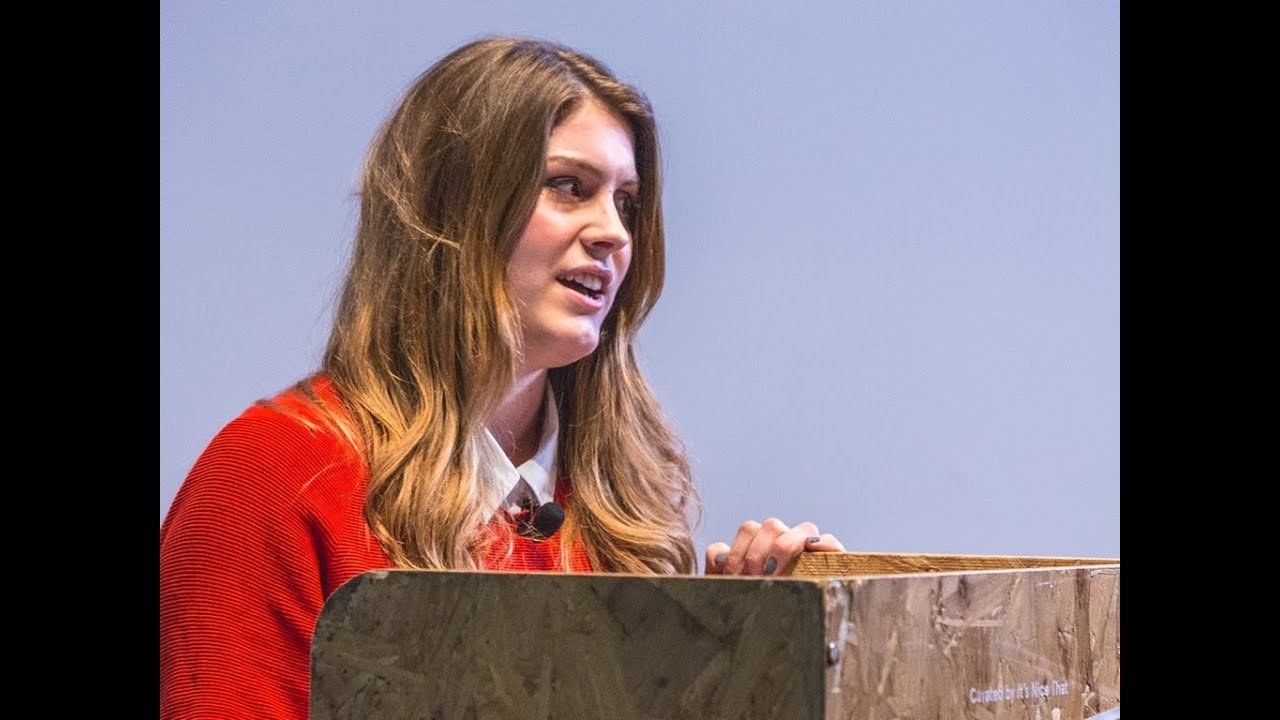
“We try and take a complex idea and we explore it through play.”
Basically with the balloons we're going to play a quick game and apparently we've never done anything like this before.
But we're going to just give it a go so it's called balloon diffusion there's a red team and there's a blue team and the aim of the game is chuck the balloons up and everyone needs to kind of back the balloons to the front and I'm going to judge who is the team who gets the most balloons to the front okay ready unmarked get set gun okay the blue team are the winners okay. So that wasn't completely random I promise it was called balloon diffusion because we were looking at how diffusion works inside the body so the area at the back is an area of high concentration and the area at the front is an area of low concentration I feel like that's going to happen a lot so you carefully move the balloons from the back to the front to the area of low concentration.
And that's actually how the sugar molecules are digested into your bloodstream in the body so and with playology that's really what we try and do we try and take a complex idea. And we explore it through play this is me and charlene who's the other half of biology and we're both illustrators we graduated from camberwell in 2012 and we started biology when we were at campbell and it was really kind of to address the idea that we were illustrators but we were also interested in how our practice might be used to translate ideas outside of the realm of paper and pencil so the two main areas in our practice that we're interested in are play and science so we're kind of really intrigued by how these two things might be merged together. And I'm going to talk a little bit about play first so there's quite a lot of talk recently since the whole world has gone digital about how physical players may have been affected by that and when you see these kind of playgrounds around london there's there's a lot of scaremongering I don't really know if I believe it so much.
But these spaces are becoming more and more redundant as children are much more inclined to play in spaces like this.
This is a shot from minecraft and from first-hand experience this is quite an obsessive game and kids seem to absolutely love it I don't actually play minecraft I just look tough to kids that do and the second thing that we were also interested in was how science was being taught in schools so you see a lot of diagrams like this in textbooks and whilst they're obviously really valid and really important it's also really important for us as illustrators to maybe find out ways that might be able to explain these in a more interactive way.
So I'm going to talk about a project called the giant digestive system which is probably the biggest and most complicated installation that we've done with payology and it was really born in camberwell. And it kind of grew to be a lot more what playology is today.
So we started researching the project by looking at a lot of this kind of amazingly visual biology that we were researching at the time.
And we were kind of intrigued by the mystery of the inside of the body and how there might be some quite gruesome things inside the body but because it's all contained within us it's quite hard to understand it sometimes we're thinking about ways that we might be able to use our skills to explain things a little bit better and also we're also looking at artists like ernesto neto who were doing some kind of amazingly tactile installation work and looking at perhaps how these might have similarities between a lot of the biological images that we were looking at as well.
So I had this really strong memory of going to I don't know if anybody else remembers going to see that going to the millennium dome when I was at primary school. Actually. And I remember being like absolutely amazed by this installation.
But actually looking back on it the thing that might have let it down a little bit is when you kind of go inside and you touch the walls everything's made out of plastic which seems a little bit of a shame because the reality of the body is a lot more gruesome.
And so we started generating a lot of images as illustrators we started with pen and paper and whilst these were quite valid in our research we actually came to realize that we wanted to make something that was a little bit more interactive and actually explained how things were functioning a little bit more so we came up with these strange designs to create a space that was like a bit more immersive you go in through the mouth and you might come out through the other end and it became clear that we yeah we'll get to that you it became clear that it was really important that everything was going to be quite touchy-feely and not like that giant body where everything was plastic so we started to work quite quickly into textiles and exploring the importance of text texture in the installation.
So we were thinking a lot about different fabrics that might suit different parts of the body so where something might be slippery or slimy it would be satin or where something might be more absorbent we might make it out of wool or felt and we started to text test these textiles on kids quite quickly we went into some schools and the teachers were really responsive to this sort of as an interlude to the lesson plans as a way of learning and actually for us it was much more about play but from going into visit the schools the learning element became also quite important too and also the kids surprised us with some amazing drawings and this person loved hiccups and you have to never underestimate kids when you're working with them because like this one give us some amazing facts about having hiccups for 7.5 years and having to have operations on your diaphragm which is interesting I don't know if that's true or not so we were kind of enjoying working in textile but also thinking more about how we might make a structure that would be able to pop up and pop down in spaces like a school or in a gallery or etcetera and so we started to think perhaps about the idea of making something inflatable which was interesting to start with but actually it turned out to become much more of a reality and the main motive behind it was that it was transportable but also you know kids love bouncy castles so kind of a win-win situation.
So we came up with this design which we found a manufacturer out in hong kong charlene's originally from hong kong and her uncle was nice enough to go and visit mr cho who is our manufacturer of the inflatable and he we sent him this design and he helpfully added a little ms paint blower fan in the corner we were kind of like oh my god are we gonna put our trust in him and give him our money but we did and he made it and he sent it back. And it. Actually was perfect so mr cho's hearing so meanwhile we were getting the inflatable manufactured we were also building these textile panels by hand and it was really important that each textile panel was interactive so this is a shot of the mouth and all of the teeth pull out and the rectum is elasticated and you've got the small intestine there all of the v li in the small intestine which is the thing that increases the surface area so that the food can be absorbed they all can be pulled apart you can see all the blood vessels inside them the stomach has a kind of booklet where you can look at the different linings of the stomach and this is the final thing with a little boy in it yeah.
So if you see what he's holding don't know if you'll catch on to that bit he's actually holding a piece of poo which we'll come to later so the kids really respond well to this and whilst the main goal for us is for it to be a playful thing. Actually we kind of stand on side and we wear our lab coats and we help to sort of facilitate a little bit of learning as well when they go in they have a great time and they're kind of bouncing around inside but actually when they come out we ask them a few questions it's always really amazing to hear how much they've gained from just playing inside that environment because it's it's really encourages them to touch things and being inside of bouncy classes is almost like they're almost like giant food being thrown around and we noticed that. And we actually made these food costumes for them to wear when they go inside which which I think they they like them they especially like the chicken patty unfortunately haven't got a shot of it but underneath there is a hidden steak so it's a steak patty not chicken happy and yeah they seem to have great fun inside and there is also a toilet seat that they can interact with inside inside the large intestine which is where all the water is absorbed out of the poo there is hidden a lot of these tiny little poos and there's about 50 of them inside and they seem to find endless entertainment just getting them all out.
And then putting them all back in again I don't know why but yeah who jokes just always always a winner and so just to finish off really what we're trying to do with hiology is to try and think about how our role as illustrators might apply to an environment outside of the design world just because it's really important that it's not completely inclusive actually we're thinking about education as well. And if we can just do that a little bit then we're happy and just a last message to leave you guys on because I know there's a lot of beer going around and thank you very much you
Latest Talks
-
Will Anderson and Ainslie Henderson
Bringing stop motion sorcery to BBC’s Small Prophets
Watch -
Amber Weaver
How does contemporary type design translate into the wider world?
Watch -
Murugiah
Why you should reject the formula and make art about things you love
Watch -
Marina Willer
Design thrives when you find poetry in the simple things
Watch -
Lizzy Stewart
The hundreds of drawings and writing-on-a-whim that goes into comic novels
Watch -
intra
The rewarding process of recognising the art in obscure everyday life
Watch