
Jerome Harris is an American graphic designer known for his socially engaged design practice that draws from his diverse experiences as a dancer, DJ, and educator. His work includes impactful projects like 'To The Front: Black Women and The Vote,' highlighting the contributions of Black suffragettes.
Jerome Harris
Designing a dual-sided book about Black queer love, grief and desire
“I try to avoid doing any work that I feel ambivalent about.”
Transcript: May contain minor errors or formatting inconsistencies.
Jerome harris is a graphic designer educator and curator currently design director at civic nation he's joining us this evening to discuss his recent design of a dual-sided publication of non-linear storytelling by artist jonathan lyndon chase published by capricious the book illustrates black queer bodies moving through flowing states of love grief and desire jerome if I could ask you to turn on your audio and video as well.
So we can say hello hello hi there how are you all right thank you very much yeah I'm doing all right thanks yeah it's a bit it's a bit rainy here but you know can't complain I think yeah I mean we're super happy to have you thanks so much for joining us massachusetts online I'm going to let you take it away now because I think you've got an amazing publication to show us so why don't you start sharing your screen and everyone else watching if you have any questions again put them in the chat and I'll try and ask jerome afterwards but yeah here we go this is the the desktop perfect all right I'll I'll leave you to it jerome all right can everybody can you guys hear me okay you guys can see okay great so I'm jerome harris this is it's nice that thank you for inviting me out to talk nicer tuesdays on this day I like mmxx better than 20 20.
I usually give my bio in the places that I live because it's like a just mnemonic device I am I was born and raised in new haven connecticut studied advertising at temple university in philadelphia moved to brooklyn I was a professional dancer for three years I didn't want to do advertising after I graduated I wanted to pursue my dream of dance I was there for three years I moved back to philadelphia I was a teaching artist in the public school system for a while just teaching dance to elementary through high school kids for a while ended up wanting to switch gears back to graphic design and I didn't mention that I was doing graphic design this whole time mostly party flyers so 4x6 like glossy party flyers for gay nightlife and hip-hop parties etc etc so I ended up applying to grad school got into yale's mfa program was there finished in 2016.
After that I was a teaching fellow at maryland institute college of art in baltimore I was there for two years. And I after that I moved to back to new york back to brooklyn to take a job at housing works as a design director and I'm currently in richmond virginia but not for work just because rent is cheap and new york was not the most pleasant place to be living and working from home and a pandemic in addition to graphic design I I've you know I try to keep up my dancing I'm 35 now.
And I need to do something to keep these old bones from getting rusty so I teach a really short pieces of choreography online and send them to my friends or whoever else wants to learn and we do this. So it's at 32 counts on instagram I'm also a dj I go by dj glen coco if you know you know I can't dj right now. But if you want a custom mix hit me up I've been doing that.
So that's at dj glencoco I just started that instagram probably have like five followers so you guys can help me out.
And then last but not least my I think this is maybe the project that has made me most the most visible is my research into 20th century african american graphic designers and it's been an exhibition. That's been touring for two years.
Now what we're looking at here is documentation from the show at the jacob lawrence gallery at university of washington in seattle and yeah this is the I think it's going on its 18th tour stop that that'll be at boston university this fall let's continue so I'm a graphic designer I'm just going to show a little bit of my work. And I'm going to focus on my the book design with jonathan lyndon chase so this is just some stuff I made when I was at housing works the the best thing about this job was that I was making work that was like directly impacting the communities that needed it.
So the people holding up that everyone together the end to end aids signs those that was at an aids conference the justice for for black lives is a protest sign we actually used that protest to fund the nypd was after you know police brutality and we actually posted this on our social media also we were doing covet 19 testing and at the same time like of course just like giving out low-cost and free prep to people having sex and want to protect themselves from hiv and this is just another protest on like it's just it just this is the kind of work I believe in I try to avoid doing any work that I feel ambivalent about I just try I want to feel 100 about every everything that I make this is just the graphic design work that I worked on for as not for for my exhibition it was a language I had been slowly working on for years and just I think if anything just that feeling of urgency and a thing to feel like not too mulled over is was a really important energy for me to convey and so yeah say that and here's just some documentation of the show itself this is at ohio university earlier this year.
And then.
This is in belgium for the fig league festival shout out to lorraine footer I think I said your last name right. And I thought this was really cool because they did the poster in french and english I thought that was I thought that was amazing okay.
So I'm just going to talk about more recently my most recent more recent freelance projects I've been doing a lot of books so this was talking to the sun at fire island which I did with baffo which is an art kind of arts and social space curating nonprofit in new york but they do arts residency on fire island every year invite kind of like queer lgbtq people out to make art. And so this is just a book documenting the process and this was an amazingly fun design project the the executive director just let me have my way.
And I was like okay if I'm gonna make a book I'm gonna make it my way I really the collage is my actually my favorite thing my favorite spread in the entire book of just like a pool party it's just anyway let's keep going this book I worked on with rush jackson they're actually a graphic designer at housing works now. And it was published by afro publishing in baltimore it's called to the front black woman in the vote so it's about black suffragettes and black women's impact on voting in the united states yeah here's some spreads yeah and then.
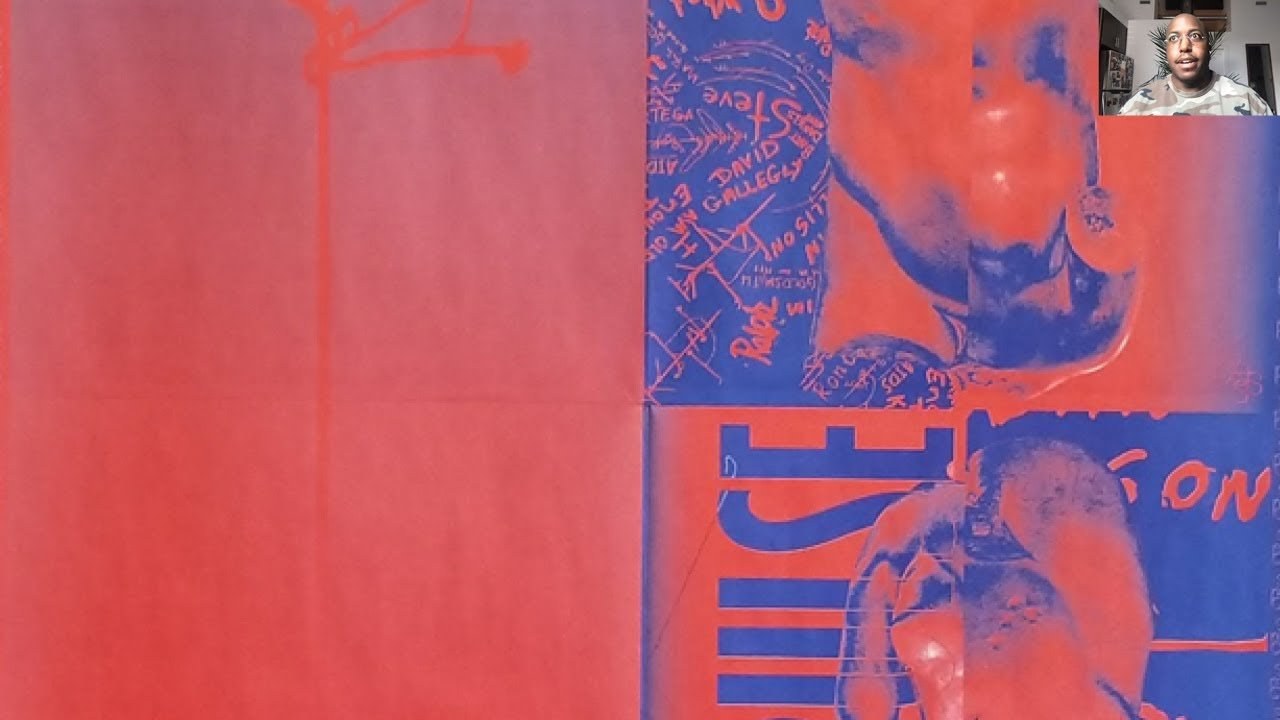
This is the book I'm gonna talk a little bit more extensively about two books wild wild wild west and haunting of the seahorse and it acts as like a intersection of multiple types of multiple types of books it's a little bit of a artist monograph it's a science fiction story.
And it's two stories that kind of one about desire and one about mourning that kind of meet in the middle and so you get the full range of emotions through every single piece of artwork also there are like full paintings there's also just like sketches on napkins and all none of it was really was digitally type set I was literally taking scraps of paper that the artist had handwritten on and just kind of like type setting manually which was which was a lot of fun and tedious so as you can see here like as like when you go to read the book it's a lot of handwriting and I really this process was dope because I actually got to take a step back I was handed literally two three ring binders of images that needed to be scanned and edited and then. I had to decide how how am I going to make people make this clear for people to read from like pieces of construction paper with with handwriting on it.
So yeah it was a pretty intense project so here's just a little video of the book it's the morning book is on matte paper and the kind of science fiction stories on glossy paper so we wanted to do something that felt kind of like somber and then futuristic and got you know it was a fun thing.
And I'll talk a little bit about jonathan jonathan is a philadelphia based artist their work deals with black queer bodies just in mundane spaces I came across jonathan's work at ulysses bookstore in philadelphia they had put out a book of their work and and I completely lost my mind I was going through it I as a gay man myself I had never seen just like people doing people just just black men being tender and these like really abstracted paintings in that way. And it and it just struck me.
Anyway I messaged him on facebook and and I was like I love your work like we have to we have to hang out.
So we ended up adding each other on the playstation network and playing mortal kombat and video games together.
And then just last year we got the opportunity to work on this book together.
And this is just my favorite spread from the book we we both love missy elliot and yeah and this is just some spreads from the book it's published by capricious publishing you guys can go out and get it yeah I don't want to tell you the story because I don't wanna I don't wanna ruin the experience but it's a pretty fun pretty fun read and book experience so that's me. That's my instagram jonathan's instagram instagram capricious publishing and annika who is the executive director of the organization all right thank you amazing thanks so much jerome you can yeah stop sharing now but thank you for that that was absolutely brilliant and so interesting we've had loads of questions coming in from from the audience so I guess first of all the first one comes from olivia how did returning to university after being in the working world helped you find your direction was your experience worth it I think she's kind of considering a similar move I'm sorry matt you broke up a little bit there oh sorry yeah it's just the first question comes from olivia so she says how did returning to university after being in the working world help you find your direction was your experience worth it and yeah.
I think she's kind of considering a similar move for herself okay.
So I I wasn't working as a designer like I was doing party fliers and hustling like I was trying to I was designing to pay the rent but it also gave me a very long time to experiment and and just around and do whatever I wanted so I was able to come up with the visual language but after going to graduate school with kind of like a self-taught portfolio I really got to nail down like finer toy finer points of typography applying theory coming up with like a personal design philosophy and really being able to pull references do visual research things like this.
So I'm not going to say grad school made me a better designer made me a better thinker and a better design thinker and thus you I have a it streamlined my process and helped me figure out who I wanted to be as a designer okay amazing second question comes from dana could you talk about how you draw inspiration from dance if you do it all. And if having a dance background helped you be a better designer really interesting question I know they're two it doesn't work.
But I try to make my thesis in grad school about dance and design doesn't work it's just dance pad I like sculpture dance is more like sculpture it's not you can't graphic design is flat you can't do it fair enough that's pretty clear for data there.
I think you've kind of touched on one of these questions but I guess a final question for you do you have some advice you can give to an art major who's about to graduate and feels a little lost with what to do after graduation I guess there's a lot of people in this situation particularly in 2020 you know it's a difficult time to be graduating but yeah any advice for someone just graduating an art major I think I I mean I would say just step back and don't think about the work and think about who you are like I think you have to know yourself and have kind of a personal manifesto what you believe in which you are going to take what you're not going to take for example like just like for this talk I was asked to talk about as not four but just in the in the racial climate right.
Now I don't want to talk about race it's exhausting for people of color to have to be the mascots for for their people. And so I just wanted to talk about something more imaginative and work that I actually believe in and actually reflects my practice as opposed to being that being projected onto me right.
So that's like a part of my personal philosophy so I would just say but like the work think about yourself like center yourself and then.
I think that's the the honest you know genuine authentic work will come out of it amazing thank you jerome we're gonna have to leave it there but thank you so much I'm gonna ask you to turn your audio and video off again but yeah thank you there's some seriously amazing advice there for anyone yeah starting out or kind of established in in their career
Latest Talks
-
Will Anderson and Ainslie Henderson
Bringing stop motion sorcery to BBC’s Small Prophets
Watch -
Amber Weaver
How does contemporary type design translate into the wider world?
Watch -
Murugiah
Why you should reject the formula and make art about things you love
Watch -
Marina Willer
Design thrives when you find poetry in the simple things
Watch -
Lizzy Stewart
The hundreds of drawings and writing-on-a-whim that goes into comic novels
Watch -
intra
The rewarding process of recognising the art in obscure everyday life
Watch