
Studio Weave
Building with communities, from a Dartford dyeing shed to a City of London burial ground
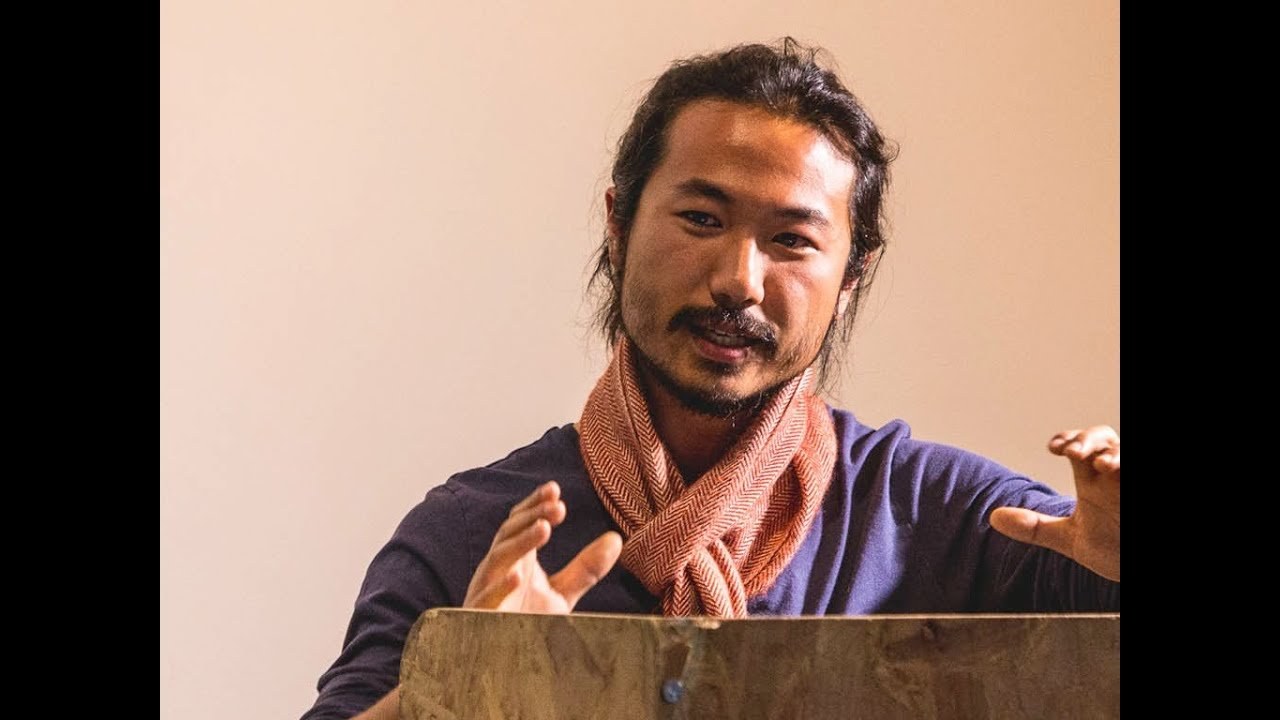
“Half of our contracts actually call us as artists — when you can't categorize someone they just call you artist. So we never actually refer ourself artist but that's how it is.”
Hello hello hello hello excellent thank you for the invitation it's a great to see all of you here I'm sure you're slightly tipsy so I will blaze through my talk so that's us.
Actually a few people no change to we are nine of us were up in Dalston where all of our lot are and I will talk about this a protocol ecology of color first what architects but we tend to do quite weird work I think we half of our contracts are actually call us as artists when you can't categorize someone they just call your artist so we're never. Actually refer ourself artist but that's how it is it's a project it's a shed it's a big shed in the middle of a dartford central park the project started quite a weird way the client the Dartford council came to us and like you guys are artists we have a little problem in this tiny little Peninsula in the central park people have just go there to have drugs and other activities and evening that might make a mess and they need to do something to solve that issue and they they wanted us to make some set of benches I think at the beginning I like well not quite your bench will solve that maybe maybe that'll aid it so so we decided you know that we need a custodian for this place and so we started talking to people and there was quite a lot of community built up around this area who actually do a lot of dying work.
So we spoke to several hello good so we started having conversation. And this island was turning into a little what's the what's the word like school workshop for the kids there were a certain species they of the interest and we wanted to harness that energy and make this more community community shed I guess or classroom however you would like call it.
So we looked at yeah our sketchbook kind of looks like that not nothing to do with the architecture in a way. So it's like oh so how do you make die how do you dye your yarn and then that somehow turns into that.
So yeah yeah obviously we go through a lot of process this is this project has been about I think I think I don't know eight months to a year I think our shortest project are probably about touch a year. And this was a rather large shed to with the outdoor covered area and so people can have workshop upstairs and if you don't have keys you still can get away from the rain which happens a lot in this country as a part of a project we wanted to make quite colorful addition.
And I mean the buildings in this country once were incredibly colorful now we all see all the Victorians painted a black and white but you know once it was a very colorful buildings everywhere. And we wanted to make that through a community workshop but quite interesting thing was we had about 50 50 50 percent of residents and fifty percent people from everywhere we thought a lot of islington north london people will come down you know RT people but some people travel from holland and wales I mean I didn't quite get it.
But I want you to talk about pattern a little bit.
This is a quieter quite funny thing I'm sure great so it's perfect I mean how I'm really how many bottles over here is over so this whole project when when we're designing in and I was like okay color and we need some a really great pattern that we can work and work with and I found on my phone I still have it as a cover I found this a pattern in this anonymous auction in some of the house I think it was two thousand eight or something. And I took the photograph and that has been always my favorite piece of artwork and you guys probably know this guy's an oovoo and and I was like I need to find out who made this pattern and lots of phone calls few days later. I found out it was nuvvu and I found that they were actually downstairs from from our office so that's this how old Paul collaboration began so whole building things came together very quickly we don't do very precision things it's a bit of a slapdash you know plus nine hundred millimeter type of things everything prefabricated or came together very quickly and it has some funky openings in a different ways working with different riggers and now it's a filled with people. There is now central list of events and I think they recently got quite a lot of funding to do more apparently people do like taking photograph of that color always good yeah and now all the area around it became the garden so now they're properly planting st.
Pankaj church garden so in a city of london. There was a tiny tiny little land that has not been developed a since great fire 1666 it's just so rare in the middle of city of london the reason was it was a protected a hell of myself it's burial ground church was once to do there if you. Basically dig I think they'll told me more than 300 millimeter from the soil it's just going to basically stop any kind of development whatsoever burial ground bones so edit that this slice of land has not been touched so City of London has been working quite a long time to get hold of that dead space to make into a public space so they hold this mini competition. And that's what we gave to them like Oh 1666 there's more than 370 years so just imagine if things from the church were just left there and just grew itself so that the Pew species we've been calling so this is kind of nature things grow by themselves so in order to make that. Actually happen we work with the historic harvest it's quite interesting now once all the Carver's and artisans had a lot of freedom when they carve and and when they were doing their trade architectural or overall master builder gave them a lot of freedom of expression.
But these days most thing they do is a copy of the existing pattern or existing historic things.
So this is actually school down in oval so we basically gave them.
This is sort of romanesque church just think about a couple of q's left there.
And it just blossomed into a thing it took a while to kind of get them going and then they started really going for it this process took six months about 10 different workshops just carving away just however they won it. And we get some weird bunch of carvings you can probably realize a few political figures birding in a cauldron up there and all sort of one are just just beautiful just let people do what they do best and you get the best result out of it so now oh we do / slightly bigger project as well from the master planning's to quite large housings and 10 houses and friends garden extensions so forth but one of the thing that we actually do quite lot is working the charities currently we're just submit to the planning so it's a public document that I can talk about down in Kent there is education facility for people that the intellectual disabilities it seems like what we're working with another group of them intellectually disabled group I'm in Ireland because we tend to have quite active communication role with our client we get to invited to do run the workshop and figure out the building typology what they need from right from the beginning so now we're making a small group of buildings replacing their existing building you can see the background over there those nice BN Q sheds into something slightly more robust I guess and just going through all the financial parts and how it's going to work.
But we didn't want to make a mega building so it's like all the village little hemlock so we separated the buildings off into four and it's because it's all about being tactile being outdoor and and learning from the land inside between these dis buildings are all allotments and the gardens they can they can constantly see and and be active about hopefully it'll get built in a couple of years time thank you you
Latest Talks
-
Will Anderson and Ainslie Henderson
Bringing stop motion sorcery to BBC’s Small Prophets
Watch -
Amber Weaver
How does contemporary type design translate into the wider world?
Watch -
Murugiah
Why you should reject the formula and make art about things you love
Watch -

Marina Willer
Design thrives when you find poetry in the simple things
Watch -
Lizzy Stewart
The hundreds of drawings and writing-on-a-whim that goes into comic novels
Watch -
intra
The rewarding process of recognising the art in obscure everyday life
Watch