
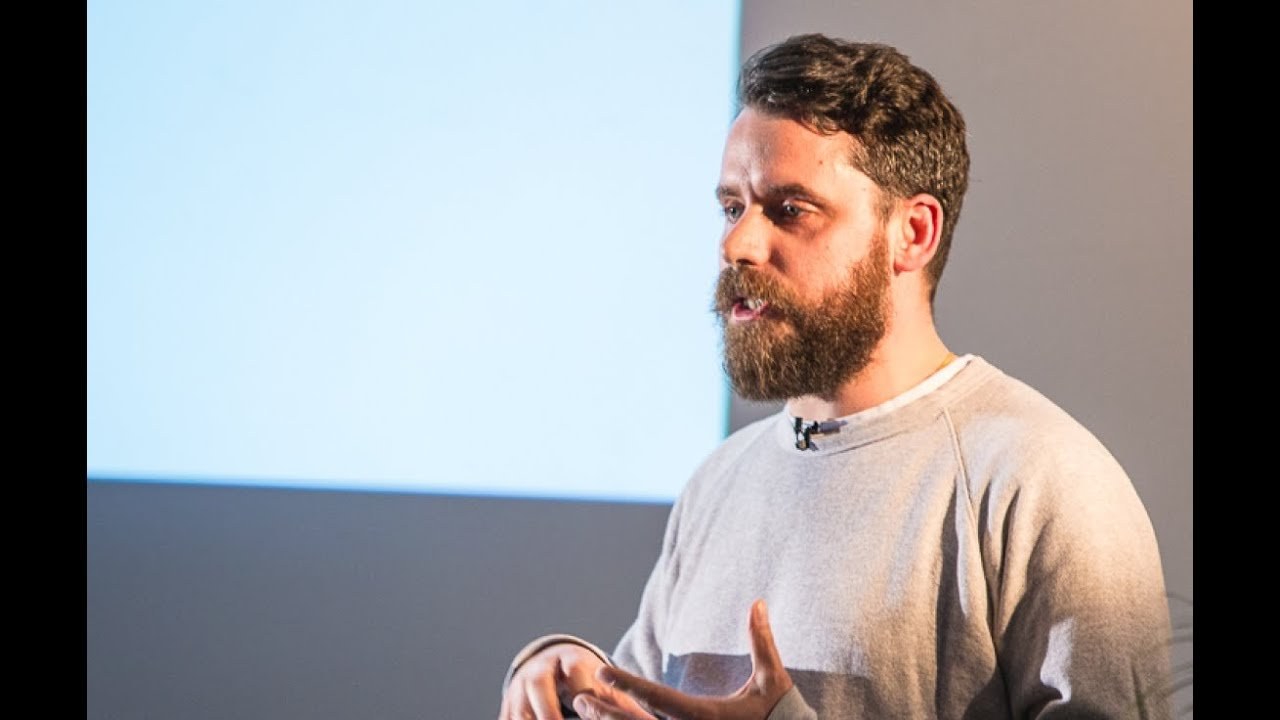
Gavin Lucas
Tracing emoji’s roots from Elizabethan punctuation to dingbats and Japanese pagers
“I said well it's the evolution of the dingbat and she said what — I said dingbats: non alphabetical characters or glyphs such as asterix, arrows and other symbols potentially of use to a typographer or graphic designer and gathered together in fonts.”
Hello hello smiley face I'm am I gonna talk about majors but I did look I'm called the story of emoji and I guess and you can you can buy the book.
So I don't don't really think I should talk about it. And I brain dumped all of that information into a very accessible format and which has got pages and pictures and words and stuff and I'm really proud of it and normally when I'd work on on books by this sort of stage it comes out. And I kind of never want to work on a book again but I feel really good about this. And so there. And that's really excited I've just showed you it.
But there is it really big and why did I write a book emoji and because I write books I used to work for creative review magazine which when I started back in two thousand one was a monthly magazine and we didn't release the internet we use the telephone to call up people to find out what was going on in the world and and that really suited me working on a monthly sort of cycle of producing something physical and then the month of to enter press we could actually read other journals and spend time in people's studios who go around to ad agencies and spend time with creatives and find out what's going on. And so hot stove I their digital media brilliant and exciting and wouldn't change it for the world digital journalism it's just not for me.
Basically I really like long-form projects and feeling like I'm collaborating with people whether it's a designer or a topic and then yeah making things so how did this particular project come about and how did I go abouts of working out what was going to go in the book. And I worked on this book with illustrator he might a graphic designer Kate moross and when I worked on that with her. And I worked with presto publishing the commissioning editor there howdy get low is mega awesome and just super switched on she's kind of person that is just great to do great to work with and when we finished working on Kate's but can went out got absolutely hammered and we sort of decided that we'd love to work again on something together and just before Kate's book came out she called me up and said emoji and I said who is this and she said it's me ali and them emoji what do you think about emoji and I said well it's the evolution in the ding ban and she said what I said dingbats non alphabetical characters or glyphs such as Asterix arrows and other symbols potentially have used to a typographer or graphic designer and gathered together in fonts you can access them via keyboard you know like Zapf dingbats or wingdings and she didn't say anything.
So I tried to explain that. Basically a couple of years previously I'd written them research and written a piece for creative review called about the history of the dingbat which I've just explained what dingbat is but this is kind of what I worked out what I think I worked out is that.
This is the origin of the dingbat in the early days of printing printers would create extra bits of type and decorative type a bit like this and they arrange them in such a way to make things like this.
And then yeah graphic design apparently this is this is what it is and and so I did load of research into that. And it.
This is what this is some other dingbats and I who try to explain why I think image is sort of evolution of the dingbat M so this is a very handy dingbat font called warning pie where in use to warn people that Bob effect is somewhere in the building or the there's a very full glass of wine watch out for that it's a hazard you can have poison next year if it is poison hopefully it is a very full glass of wine in which case no cause for an arm and this is another dingbat font by a serial typographer and designer of typefaces he's an illustrator as well rien keys that's how you pronounce his name otherwise I'd embarrassing myself in phone calls to him over the last 10 years.
But this was designed especially for the Radio Times and it's pretty obvious why and it's much handier to have that in as a font as something that you can type rather than a folder full of vector files that you have to fool around with and resize when you're doing layout.
So this is the sort of dingbat that makes me think that dingbats and it an emoji is sort of linked this is a wingdings which microsoft published if I was right where they released as a system font in 1990 and he actually gathers the symbols from two other fonts by people his names I forget but they're in the book m and so that all of that thinking essentially turned into the first chapter in the story of emoji the evolution of the dingbat and they can see those two things together I guess it seems a bit of a leap to have color emoji and sort of think of dingbats were always single color sort of type things back T as you'll see later emoji when they first emerged were just one color and very very simple glyphs what else we're going to put in this book and as I pondered that question and the question mark itself seemed like something worth thinking about because now that we have emoji and these sort of characters to help us express ourselves ensure communication it seems astonishingly the English language only has two for two characters that allow to intonate or Express as the question mark which helps us know that a particular sentence we reading is in fact a question.
And we should internet it which it Chris Condon and the that fellow the earth you know it is expressive punctuation.
So I started looking into this is a really really good book by somebody he's and I've completely forgotten but it's really good and it's in my book but he did some exhaustive research into expressive punctuation and that turned into this spread in the book em and yeah let me let me talk about these things.
So I'm up there on the top right the reverse ? Was called a Perconte shin point and that was devised by an English printer in 1580 in Elizabethan printer and writer and philosopher who used it a lot and the idea was that he could denote a rhetoric in his writing by using this in certain sentences or questions that didn't need answering are they even questions anyway. And so some more expressive punctuation the irony mark another Englishman proposed that john wilkins he was the brother-in-law of Oliver Cromwell I remembered something for my butt and and he devised I in 1668 in a whole book where he tried to invent a new language that could replace Latin as the language for scientific discourse it's a work of genius that nobody read or paid any attention to but he did device out the irony mark which I like it's the inverted ! It kind of looks like an eye and well done and I like the love point which was devised by french guy I have a buzz in in 1966 and it kind of it's very obvious precursor to the love heart emoji to ?
Showing the same point the interrobang brilliantly named does devised by an admin martin case vector in 1966 it's kind of pointless because we've got a question mark and exclamation mark so you can just put them together but no one glyph to do to do that and nobody's used it and the irony tekken which is the Wibbly ! Is designed much more recently by bus jacobs of dutch type foundry underwear and nobody's is eyeing them it could be because it looks a bit like the Nazi SS logo when he burned her looks this one it was more interest in this by an American typographer chows cunning at chose Cunningham and this was his snark mark and it's a full stock followed by a tilde I'd still don't know if I'm say that right but but this is interesting because it's two lifts that readily available on most keyboards that are combined to form a new meaning a specific meaning and that to me sort of made senses of precursor to emoticons now emoticons emoji they're the same word right and they're completely interchangeable no they're not an emoticon is combination of typographic characters that look like a face when viewed sideways all emoticons are comprised a combination of readily available and familiar typographic marks and symbols whereas an emoji or the word emoji comes from the Japanese words for picture II and character emoji and emoji is a picture that should be legible when used as small as a typographic character and and I just wanted to make that point because I've heard people say yeah and devising a whole series of emoticons for a client and they're not at all they're just talking rubbish and so this emoticons I start becoming interested in where do emoticons come from or when did when do they come from and this is the first known use of emoticons deliberate use of emoticons in digital communication it was an email 1982 from an American computer scientist in a university in America again totally forgotten which university but he said that there's proof and because I made the illustration. So it definitely happened and that was in 1982 and and he believes that he nobody invented that he very strongly believes her rightly or wrongly but this exists and this is puck page from puck magazine from 1881 em so screw you mr. University guy and and this is great I love this.
This is that. So it's the tone of this little piece as well which is great I don't know what the wider social context of this where there's some argument between the editor and our director and an illustrator but this is great for fear of startling the public we will give only a small specimen of the artistic achievements within our grasp and yeah and there you go and there you made using yeah all the things we use to make it major cons 1881 fancy that. And then. I had to mention camo G which are Eastern emoticons 90 g and and they've got a much wider range of bizarre type of graphics or furniture to make emoticons which you don't have to turn your head sideways to read which is handy and then. I had to mention this when looking at the history of emoji it's the smiley face the smiley acid and I love that guy he was he was actually designed I found out by a guy called Harvey bald in 1963 and he was a commercial illustrator and he got paid like $35 to make this guy when to insurance companies merged which is very boring and everybody was like so what and so they said if we have something really happy then all our staff can look at it when they're going here we've merged and I got your name and stuff and then I stay and so that's where all of that comes from and an acid house and was inevitably going to follow that so happy emoji what about emoji how are you going to get them in the book. So where do emoji come from and why yeah why why and were there from Japan and that's why it's based on those two Japanese words I mentioned earlier and at this point I have two big up Jeff he's my friend and I said I'd mention him know jeff blagdon is a I've never met but we have spoken and he's he's a journalist and he wrote a piece in 2013 for a for an online magazine and that was called how emoji conquered the world and the research that you did that piece and the interviews he did and everything was so good that I just I couldn't just paraphrase it and put it in the book and pass it off as my own research so I got in touch with them and said Jeff buddy let's work together let's do this and and so a version of that piece that he wrote appears in my book em and thank you Jeff but I'm going to boil down his research to this which is a pager with some heart symbols in 1995 a Japanese service provider and added a heart symbol to its pocket Bell pages which allowed Japanese teenagers to be their text messages with the kunis other pages simply couldn't match but when doe coma then abandon the heart icon in favor and more business-minded symbols teenagers are banded the service provider and they realized too late the power of the teenage markets who needed a new killer app and what it came up with was emoji and they were invented by this guy who's just hold interview on a boat wicked and but this is a so chic attacker curry carita created these in the late 90s 1999 is when they were first released there was a hundred and seventy-six emoji characters originally and they were devised at a time when the internet and mobile phones were starting to sort of happen at the same time and mobile phone screens are very crude and he wanted a way to make the internet a more exciting place on really sort of screams basically so he drew a penguin and a cat and then smiley faces and musical notes and hearts and pencils and thumbs up and all kinds of stuff and when you look at this I think it's slightly easier to see the sort of connection between dingbat dingbat typefaces and an emoji that's where I'm going with this I'm massively over time a really sorry so I'm going to I know stop soon. And so this is I could have just shown you this isn't my timeline of this is this is where we've got to so from mr.
Denims Perconte shin point in the 1580s expressive punctuation printers flowers those emoticons typographical our impact magazine martin k specters interrobang that did on his computer there he is and the heart on the pages shakatak odor eaters early emoji the first emoji series Apple then in 2011 when 2010 the Unicode consortium basically included the code for emoji which allowed people to use it on different use them on different platforms and then Apple came out with a keyboard in 2011 that's when this year blew up and and here's some spreads for my oh hey slow down some spreads for my book and there's more in the book than just photo spreads but I didn't want to go crazy and there's lots of content basically lots of people using emojis in their projects artists brands advertising agencies and photographers all kinds of people and there's a there's a large range of projects from all over the world that kind of harness the power of emoji for artistic reasons for wanting to connect with a certain demographic and all that kind of stuff and that junk I think yeah I'm gonna oh oh sure I'd sliced up sliced or now should I stuff so bad to get interesting and I'm gonna whiz through these very quickly so in the very last section of the book I asked a bunch of illustrators designers and all round nice people if you could create an emoji what would it be and why and I'm not going to go into the why because because that would just be crazy but I am going to show you I'm just going to flick through them so Liza Nelson. And in l.a loves bacon what can I tell you so and then hey studio in Barcelona love coffee and Matthew Bromley london-based Illustrated love skateboarding and Rob flowers also based in London illustrator wanted a heavy pencil for his diary for saying yeah let's go skateboarding and why isn't there a fingers crossed emoji in there. There is now thank you David henkel he's the artist who did that Jane Williams in New Zealand rock on and vinyl emoji but there's a minidisc emoji but there isn't a vinyl emoji crazy ghettoblaster maybe there's a legitimate reason why there isn't one of those but and that's why Chris pin fin as is gramophone volume turned up to 11 with crazy noiret effect which if you look at it in the book it looks much better and beer and by also by jane williams and bunnies awkward that is by two points to do em in Germany and if you've accidentally sent the bunnies that's the letter C whoops typo emoji by pesky mo based in Bristol or if you're a bit more of a graphic designer you could use the command said undo emoji by Matt chase or if you're just rude like a certain mr. Bingo then that could be a handy emoji for you. And if you're rude but quite light as well then it's good to have the just kidding and by friso blank avert in Amsterdam that's by no more bar oh and brought to beautiful conclusion. That's mine blind in major by flat 33 who designed my book. And that's all I have to say Thank You governor yes
Latest Talks
-
Will Anderson and Ainslie Henderson
Bringing stop motion sorcery to BBC’s Small Prophets
Watch -
Amber Weaver
How does contemporary type design translate into the wider world?
Watch -
Murugiah
Why you should reject the formula and make art about things you love
Watch -
Marina Willer
Design thrives when you find poetry in the simple things
Watch -
Lizzy Stewart
The hundreds of drawings and writing-on-a-whim that goes into comic novels
Watch -
intra
The rewarding process of recognising the art in obscure everyday life
Watch