
Gal-Dem
Building a media platform that centres voices the industry overlooks
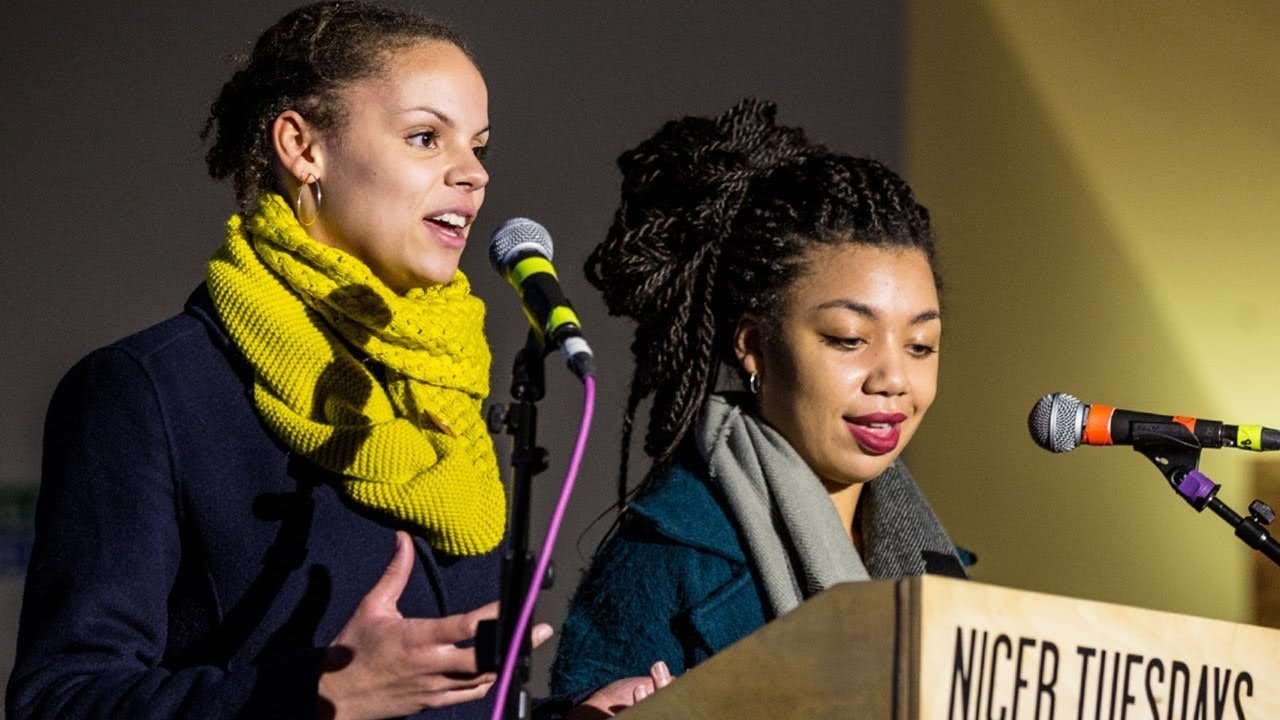
“We managed to incorporate all the buzzwords the right media hate and maybe your grandma too, so we are feminists, we're intersectional and we're really, really woke.”
Hello, can you hear me? Yeah, so I'm Charlie, I'm a journalist, I write for places like The Guardian and Vice and I'm a weekend editor at Data Confuse and I'm also the Deputy Editor of Galda which is the thing that I'm probably most passionate about and this is Charlie. I'm Charlie, I'm a freelance graphic designer, graduated in 2016 and I also co-run to Blue Girls which is similar, kind of, intersectional feminist magazine as well.
So yeah, we've just got a little video to show you what you can get with just a Galdom. 5, 4, 3, 2, 1. Galdom stops me from feeling crazy and gaslit when the world tells me that my issues and my problems are сосpectऔ Stellen, I thought I would make a picture of that day with my picture. Any books maybe people are searching and it's a very, very good book.
So yeah, that's kind of us. Yeah, Galdum is an award winning online and print magazine and a creative collective exclusively written and produced by women of colour, so Black, Asian, ethnic minority women in the UK and beyond. Our aim is to create a more inclusive and diverse industry in the UK at the moment, so stats put it at like 94% of journalists, a white and 55% of them are men.
So yeah, we want to give a voice to some of the most marginalized people in society.
We managed to incorporate all the buzzwords, the right media hate and maybe your grandma too, so we are feminists, we're intersectional and we're really, really woke. We've been on events, our biggest event was probably at the V&A last year, so there was like 4,000 people who came to the door, I was there like no one's going to turn up, no one's going to be there and there was like queues around the block, it was great and it was the most people of colour at the V&A so they've ever had in the building, so that meant a lot to us.
We also worked with brands such as ASOS, Levi's and Converse and in 2016 we produced our first ever 300 page print magazine which we call the Galdum Bible, like colloquially, like don't pass that on and we're here to talk to you about that today.
Yeah, a bit about the design, we kind of wanted to encourage it as a slow read, kind of more towards a book because if you're unsure like Galdum produced like lots of content online, like things like Everyday or something like that, we kind of wanted it to have a kind of subtle narrative and to be spread from front to back so that was quite important to us.
We worked with over 60 writers, 20 illustrators and about half a dozen photographers, loads of people, like all really varied as well, really diverse contributors which was really amazing, I think that's one of the best things about Galdum but also it's quite stressful like trying to create a kind of unified book magazine thing. So from that perspective we kind of designed it backwards so we didn't really have a flat plan or anything like that, we just got lots of the layouts done and then when that was kind of done then we started to conceptualise the magazine as a whole and it kind of re-organic and we had lots of different content dividers, so we had the little home and we had absences at home so we talked about refugees and being homeless and stuff like that, so then elements that kind of fend into place. Yeah, there's lots of really bold opinion pieces in it as well which is great so the writing is really amplified, there's lots of quote pages, I really wanted to do that because I felt like some of the quotes needed the wrong page to find that. Like this one? Yeah, but you only find funny if you're a big fan.
Yeah, it happens a lot. Yeah, that's just an example, the type of groupie is very balanced, it's quite simple, but yeah, that's just some of the designs. We've got Zaynep Swansea like a little video just to show you, just to get adjusted like the magazine and stuff. Like March 22nd 1996 I was three years old, which is the Rio night in Zaynab to have a dental clinic, she stood for Audio and Movie and she was quite nice and up until I was three, but for him to hear me as that. When I first started my dad's journal and started to read them, it really changed my experience with my family at home because up until then I never really had any first hand experience with him, his thoughts, who he was the first and that was all second hand for other people. So to have his journals in my home it just felt like I was a lot closer to him, it just kind of struck me that this is something that you could write about and this could be the way that you open up about something like this and I think it's good for people to share thoughts and feel it, no matter how deep they could be and I can't let maybe now this is a time for me to do that.
So yeah, that's one of my favourite pieces from the print magazine, Zaynab wrote a beautiful piece about getting to know her father through their journals. And yeah, the Gowling print edition is unique because in my opinion it is the only large voluntarily led publication of its kind that reflects the kind of creative interests of like a diverse, such a diverse group of women. We don't just write about race, we write about other things and as a sort of journalist working within the sort of mainstream media that is what I am expected to do a lot of the time. So it's really important for us, you know, we'll have a theme that our writers can write about whatever they want to.
And yeah, so this series theme home was chosen because as women of colour we have a lot of conversations around the topic of home and what it means to us both in a personal and apolitical sense. A lot of us have struggled to feel at home in the UK and have gone looking for elsewhere or struggled to feel at home in places that our parents are constantly. The other print edition includes articles about everything from the start of the use of Ray Black who is our colour star and Corinn May-D-Ray who like a squeeze that we revealed her pregnancy to us so that was really cool. It has articles about growing up in a Chinese takeaway about living the handmaid's tale in Saudi Arabia and articles on Grenfell which we are going to talk about in a bit more depth now. Yeah, Grenfell, it was really important to us to put that at the beginning, kind of set the tone for the magazine I think.
I think one thing, or kind of narrative that we kind of hope you get from it is that it's kind of anything but the kind of nuclear family to urban house kind of thing. And that home is like such a privilege and I think that's really it to go.
That's why we chose to put that at the beginning and probably like to do this through tomorrow. Yeah, so yeah, the reason why I wanted to talk a bit more about the Grenfell articles in the magazine was like two reasons basically. Firstly because it affected people of colour, particularly a lot of people who sadly passed away in the Grenfell fire weren't people of colour. I read a statistic recently which said that if you look at sort of high rise council buildings in the UK, the higher you go up the more likely people are to be poorer and to be brown or black skinned.
And secondly, this was a story that was really badly reported on both before and after the fire. And I just want to read a little quote from Hannah Paul's John Snow who after Grenfell said, the media is comfortably with the elites with little awareness, contact or connection with those not of the elites. We the media report on this on the lack of diversity and other walks of life but our own record is nothing like good none. And this is exactly why Gowdom exists.
So yeah, the beginning of the magazine has two articles on Grenfell, one of which is this one which looks at the more sort of political side of things and the other one is linked to Grenfell. It's about Kadea Sey who is an artist who very sadly passed away in five.
She did a beautiful series of photographs called Homecoming which we feature in the magazine and we have one of our writers do a sort of critical analysis of it. And we just wanted to highlight essentially the fact that she was someone who the mainstream media should have been picking up on anyway, who we should have been picking up on anyway before she passed away because she was brilliant and amazing.
So yeah, we don't want to end on like a somber tone. You know, I'm really, really proud of all the work that Gowdom does and continues to do. And yeah, I hope you guys sort of will like engage with our content. Although we're written by one of colour, we're for everyone. That's something we really want to push. We think our articles should be read by everyone out there in the UK.
So yeah, please get involved. Yes, I kind of collected as well. So like if you want to like get involved, you're like some lit stuff. Yeah, if you want to get involved. Yeah. And please just a quick plug. If you wanted to purchase one, you can online, but we don't have any with us now. Yeah.
I think they'd need to break some, but yeah. Are you glad? Yeah. That's it. Thank you. APPLAUSE
Latest Talks
-
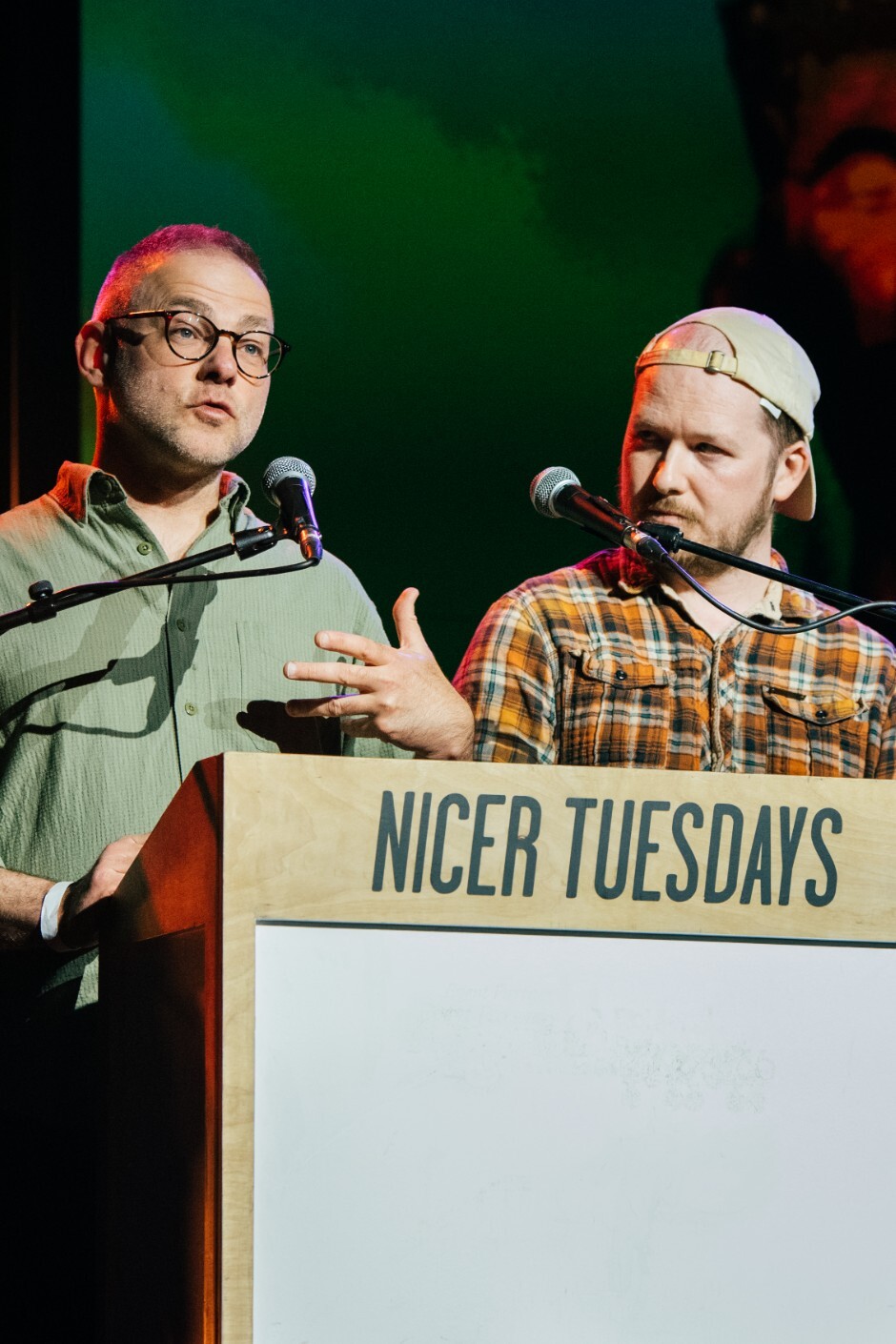
Will Anderson and Ainslie Henderson
Bringing stop motion sorcery to BBC’s Small Prophets
Watch -
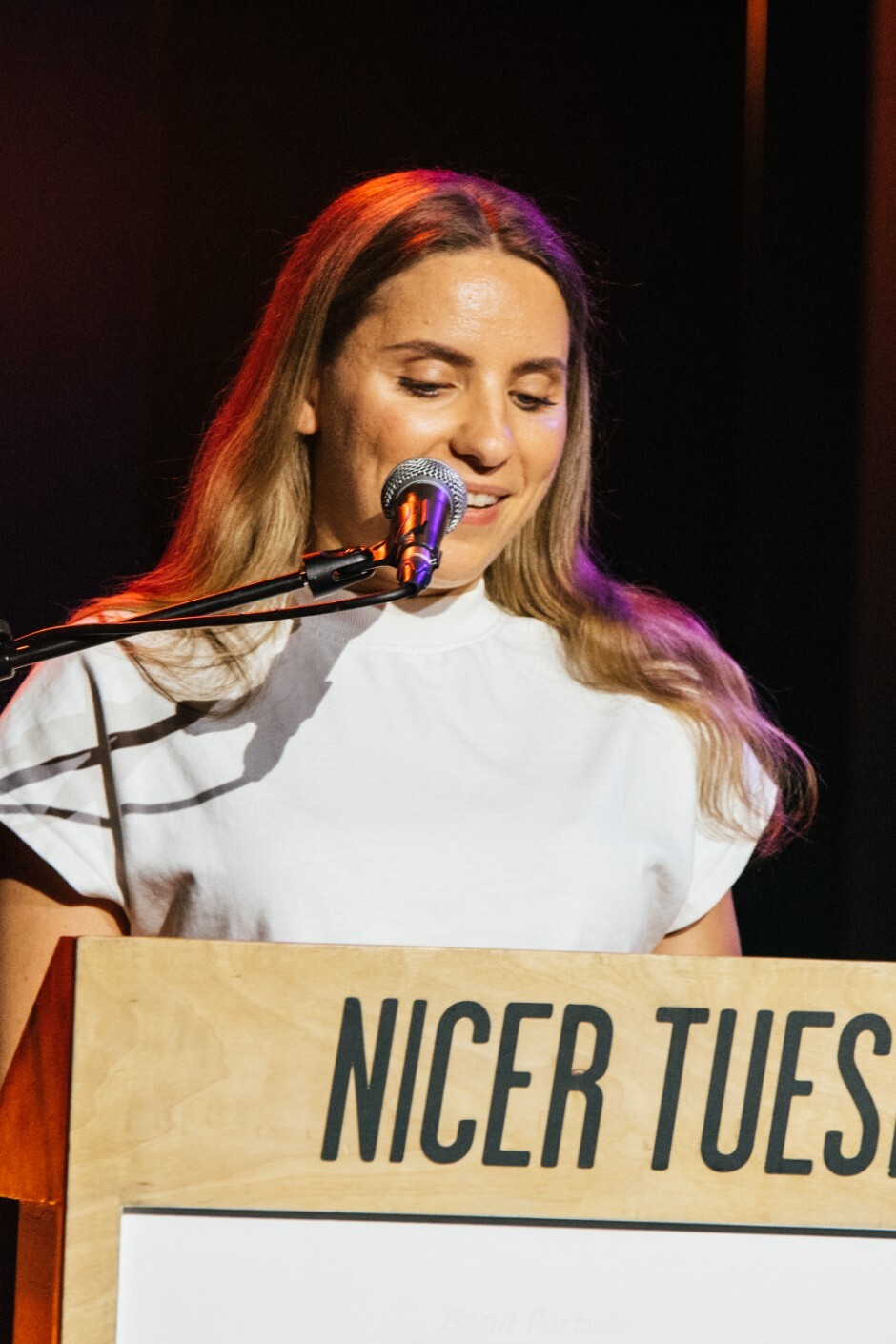
Amber Weaver
How does contemporary type design translate into the wider world?
Watch -
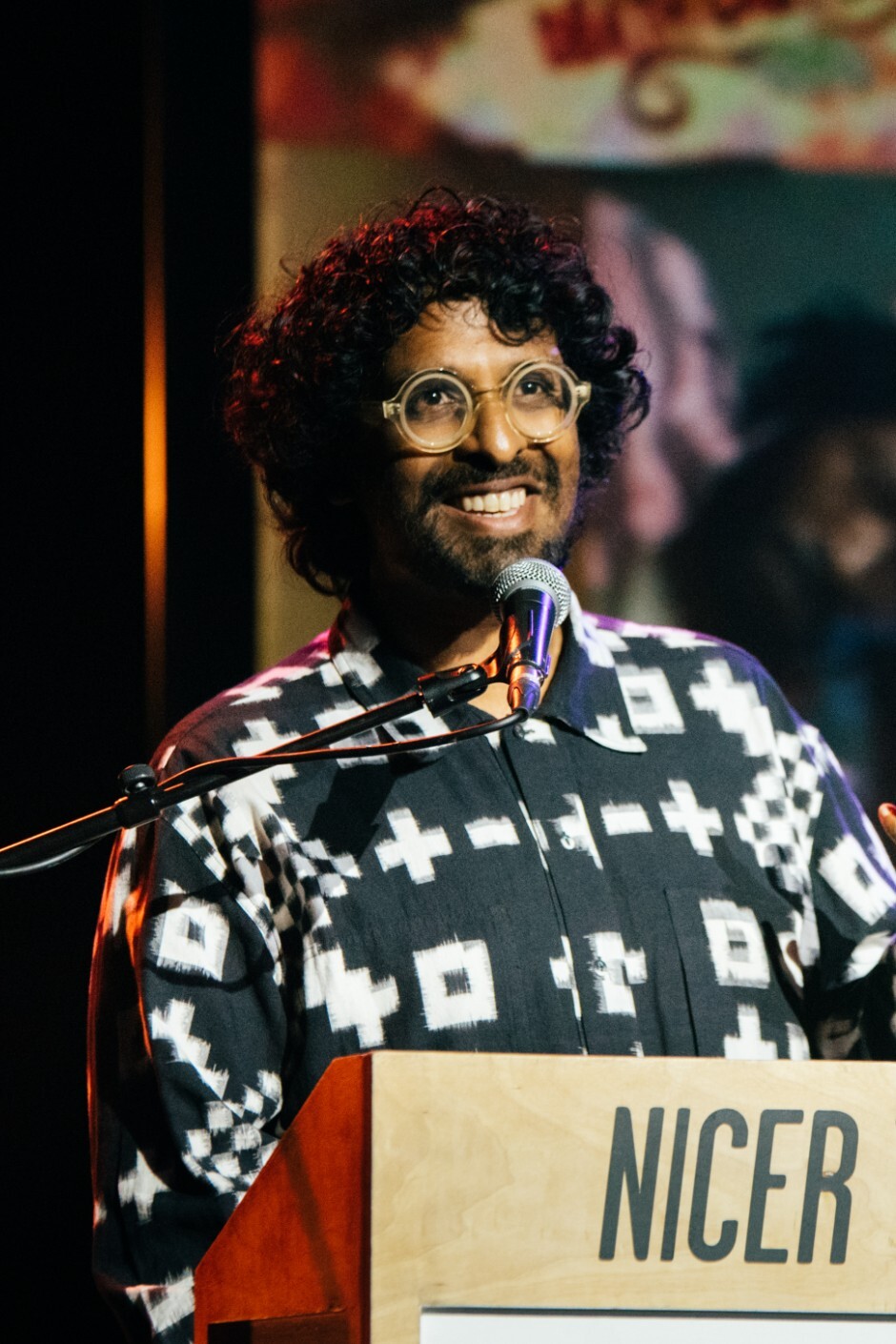
Murugiah
Why you should reject the formula and make art about things you love
Watch -
Marina Willer
Design thrives when you find poetry in the simple things
Watch -
Lizzy Stewart
The hundreds of drawings and writing-on-a-whim that goes into comic novels
Watch -
intra
The rewarding process of recognising the art in obscure everyday life
Watch