
Erik Kessels
Why creative people should embrace mistakes, look stupid and learn from amateurs
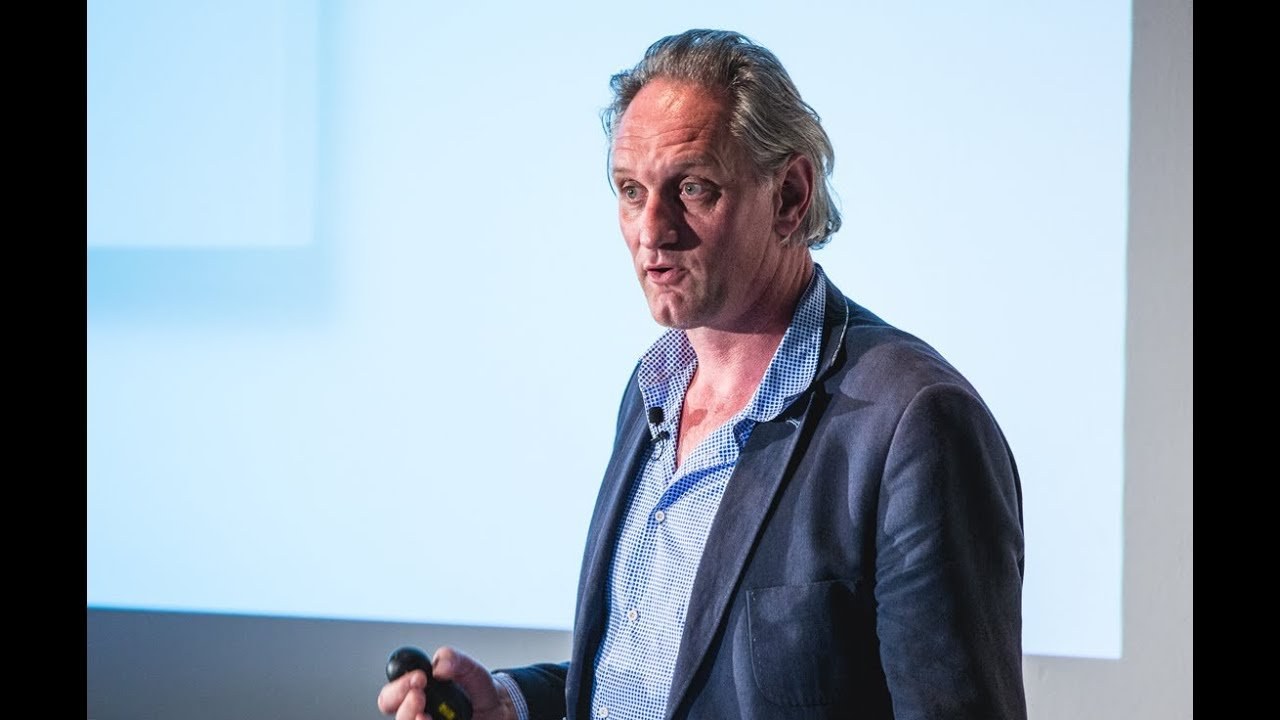
“I think it's quite important as a creative you really need to make an idiot out of yourself at least once a day or more — don't take yourself too seriously, enough of that around.”
Thank you thank you I'm yeah tonight I like to talk a little bit about this new book I did for Faden I work in a company called Casa Kramer in Amsterdam and it's also based in London called KK outlets but the reason why I made this book is also because I see now that we live in an age where and a time where everything is very close to perfection and going towards perfection at least in our profession in creative industry so you see that or or in general I mean the cameras or on a phone are better than ever the or navigation system bring us wherever we like and also yeah like all computers make no mistakes so I think for creative people it's very important to actually kind of confuse things really make mistakes and also yeah up things too in that way also to maybe to find something something else yeah.
I think one other thing which I talk about in the book is it's quite important as a creative you really need to make an idiot out of yourself at least once a day or more but I mean don't take yourself too seriously enough of that around and yeah we also didn't really do that.
This is all first a company picture back in 1996 yeah it's me on the left by the way if you don't recognize me anymore and yeah also our office is not really really serious I mean we work in in the church I mean it's quite strange to have an office in the church but at least you're you can tell your parents that you go to church everyday in London we have the office which is more an office a gallery in the shop which is on auxin Square quite close by here yeah.
I think this is also a very good components for creativity I mean when you feel that people really hate your idea then often it's actually something very good I think because then you see also that people that a lot of people also love it I mean when you make stuff that is really in the middle then.
That's not really interesting I think so yeah maybe we have have some examples of work that we did in the office about that first we did the theme for the city of Amsterdam I am Saddam there was also a lot of yeah like a lot of people that didn't like this from the beginning and but by now like most of people love it.
This is a matter I did for the standard hotel yeah like maybe here's one a long time ago for diesel also kind of confusing for a lot of people because it kind of gives you kind of the tip to drink a lot of urine because you stay younger by doing that yeah this is for a foundation we work for women Inc this is opposed to a kind of component that women complain that because what what they found out that in their working life women still earn three hundred thousand year old less than man so this was a campaign where you see really women looking for these for their three hundred thousand euro yeah this is something we did very also quite confusing for students we did quite recently this is for a school in Holland fifteen thousand students they have a lot of trouble with their rubbish in their campus.
So in a way a lot of schools would say like put up their finger and say like don't yeah like don't don't wait waste of school yard throw it in the garbage bin but we kind of turn it around so it's just like throwing away garbage in the garbage bin how difficult can it be and we made it very difficult this is like really you have to do with five people to lift this lit and here you can like you have to really try to put it in so there's like maybe ten of these permanent installations on the school yard for students I don't know if it solved the problem but at least kind of it got things going on the schoolyard they started to think about this problem next is like to film or a film I like to show it's also quite confusing like was during the world cup of soccer it's for a radio station and yeah.
So there was this home the animal rights organization really hated this you know they were so pissed off. And so the thing was that they really demand it and they called us in a they really said like you have to make another spot to show that the dog is still alive because they really hated this thing and but for us it was like the best thing that could happen that they force you to make another spot so the next event for that radio station was the Tour de France so we did for the Tour de France another spot to show that the dog and the owner were still alive then we never heard back from them anymore and they never called anymore so their problem was solved yeah the last thing client we worked for quite a long time already citizen M like a hotel that combines budget and luxury here was a action that we did for the opening on Times Square so we had this guy running around the Hilton Hotel a 24-hour bar and free Wi-Fi beats guy initially ad carrying your bags and next the last film I show here is then the film we did to promote the new hotel on Times Square yes so far the office work I think like basically where the book is about is the fact that you should embrace mistakes I think I mean nowadays everything is so perfect you almost have to make a mistake and take sides you know a side step or a side way and go towards something wrong often I myself I I get quite a lot inspired by images that I find or things that I see on the street of kind of construction mistakes which is quite funny actually when you collect them because there's a lot of these construction false that you see and I mean even the smallest mistake can be quite funny and they're also here I mean this is like a billboard just simply how stupid can you be but as somebody's posted it the wrong way around and I think that this billboard really attracts more attention than when it would be normally II posted but yeah things like this it's small mistake but here accidents to happen but here as well like I took this picture it was like a parking spot but how the hell can you park there and yeah more parkings where things go wrong and you know like I don't know how I mean here they've made this new way in this new road but they just put a pole on there this one is quite funny I think when you don't like your children anymore then when you hate children you bring them to this kind of playground because it solves a problem here this I took this picture in Amsterdam recently this is how they think in Amsterdam about burying people you just throw them in the garbage bin and then they are buried straight away I mean how can you do this I mean but it is kind of a nice idea I think they had but don't know if it works but I mean he had somebody had a clear example how it should be written I mean yeah like there's a lot of balconies where things go wrong I mean there's a lot of the same mistakes that they make and and then there's the toilets which is kind of a huge my favorite subject in in failures a lot of things go wrong in toilets there's a lot of privacy issues I mean how does it work I don't know and here as well like this is a disabled toilets I mean either you get even when you're not disabled you go here then you're disabled when you leave the place I mean it's like really dangerous too and you have a smart solution down here to open and close the door this one is a simple mistake but quite it has a lot of creates a lot of mess it is beautiful I think and then my favorite is this one I mean it's solved you could take a piss you can wash your hands you wash your dick it's a there's everything in one and yeah but at least that's how I sometimes get inspired by these kind of mistakes another also mistakes are the book this book I did a while ago where we with with some friends we collected images from these one-hour printing shops where you could collect your images and actually at the last stage of these kind of shops people could also decide which print they wanted to have and which one not so they would leave sometimes stuff in the shop that I hate it and pictures that they thought were wrong so this is like an image where reflection in the glass and there's a lot of double exposures for instance this one is quite beautiful the woman when she came to the shop she opened the envelope and it was only this one image in there because her shutter got stuck on the first image of the holiday so then her whole holiday was photographed on this one image but even that image she left in the shop and I think it's beautiful also a lot of double exposures on strange places of course and kind of decisive moments you know very weird images I think yeah the images you normally would never come up with and it's quite nice to get inspiration from these mistakes and this is also very I don't know if you can see but as this guy went on safari and he was at the end of his holiday he was so close by to a close to a lion he took a picture and then the lion was lying in the shade because you see there's still a lion in there somewhere.
And then. That's my favorite like okay and then some in the book.
I also show some work of other artists that I really admire and really like that I like the work off and that also often embraced this kind of logical thing.
So this by Daniel II talk it's a work called vandalized trees reoriented so he took these pictures of vandalized trees we took it in such a way that they were straight again and it's quite beautiful then Matt Stewart London Street photographer also that embraces kind of serendipity in images that he finds and then.
This is a Dutch equivalent of that Andrzej Tyson who has the same kind of he walks on the street and he finds these kind of mistakes and takes pictures of them and yeah it's quite beautiful I think this is by a hyperbolic German girl who collects these kind of errors in production that are also yeah like when you it's very long t back you can do that beautiful I think and yeah for me it's an inspiration to think of things because they think of new ideas also this is a word by Ken Rogoff ski he found out that when you buy puzzles from the same puzzle company they have the same die cut so you can make immediately like a collage of these different puzzles it's very simple idea but he had it. And it's very nice yeah done I think another thing is that you really I mean a lot of times the idea and coming up with the idea.
That's something you really do in the backyard I mean in the backyard or in your mind you are also you can walk around there or half naked make mistakes nobody sees you in your backyard and when you come up with a good idea you bring it to the front yard because that's something. That's mostly where you showcase your work. And so that's more motivation I think that a lot of people nowadays just stay they don't even come in the backyard I stay too long in their front yard and work what I really like by a Dutch artist is called hunt psycho bomb he's the guy in the picture here and what he did this was this work is from 1971 and what he did he at four o'clock in the afternoon he went to a strip of houses and mostly the husband was not at home.
But the wife with the children were home.
So then he asked if he could take a family picture together with these strangers and he became the father in this family but then he did the whole street you know I he went through the whole strip of houses and you also see how how interchangeable like a father is and how an empower port and the father is and another word is bye-bye that's also in the book it's by Yann phone caberta a Spanish artist and he found these new constellations that are new star systems and very beautiful never seen before he kind of described where he found them and the coordinates sometimes they were like falling stars in there and and strange kind of new star systems but then he also showed how he made them and how he found them because he took a picture through his windshield and yeah and finally I'd like to I mean I think that at least that's my passion in a way to often look at work from amateurs and learn from that I think that a lot of a lot of professionals can learn from from amateurs because amateurs are totally free they they make constantly mistakes and they they they they have a certain naivety or like impulsiveness that is very interesting I think so I made this book on kind of the biggest fuck-up that amateurs make is like the finger in front of the lens and it's like a kind of a attack of a giant finger in your image and this is a small short film about the kind of more history of the finger up.
And then to finally end it I think this is one of the biggest mistakes I've ever found because fun ones is family album these pictures also in that in that failed it book but and I found his family album where this family was kind of almost fighting against one of the biggest mysteries in photography and that's how to shoot my black dog so this family all their life they tried to kind of photograph and document their black dog but it was one big up constantly I mean look at this I mean it's incredible you see the ears but even out door they totally messed it up and meaning in the house there you see a little bit of his white toe there.
But I mean they decided to have a black sofa not very smart and even outdoor I mean they they place the dog in front of the shadow it's also quite stupid and so in this album it was constantly nothing it was like one big black phantom and but finally I found one picture in there where they probably was so frustrated that they started to overexpose the image and they started to experiment so yes finally there was one image where they see where you see the character of the dark and so thank you very much you
Latest Talks
-
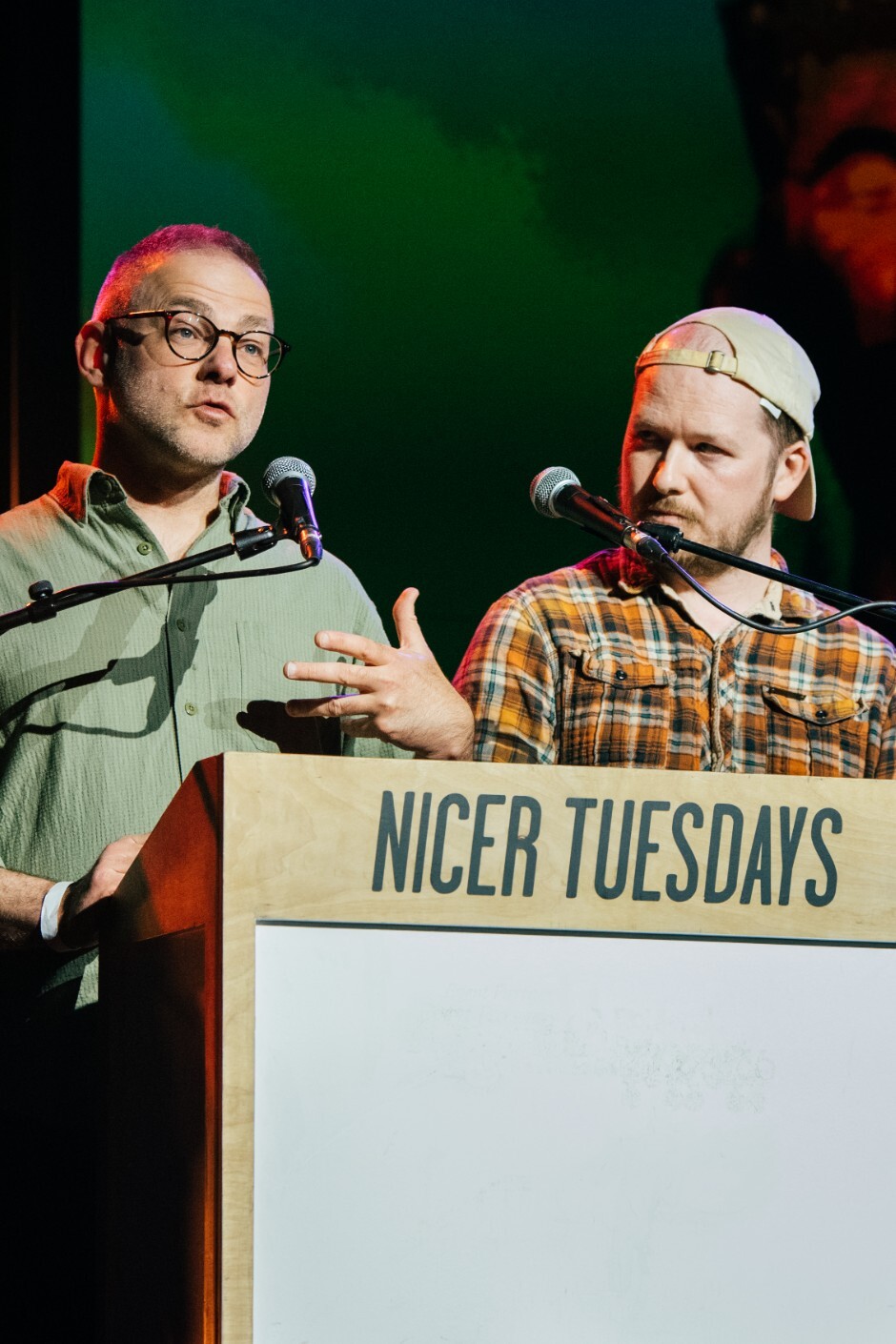
Will Anderson and Ainslie Henderson
Bringing stop motion sorcery to BBC’s Small Prophets
Watch -

Amber Weaver
How does contemporary type design translate into the wider world?
Watch -
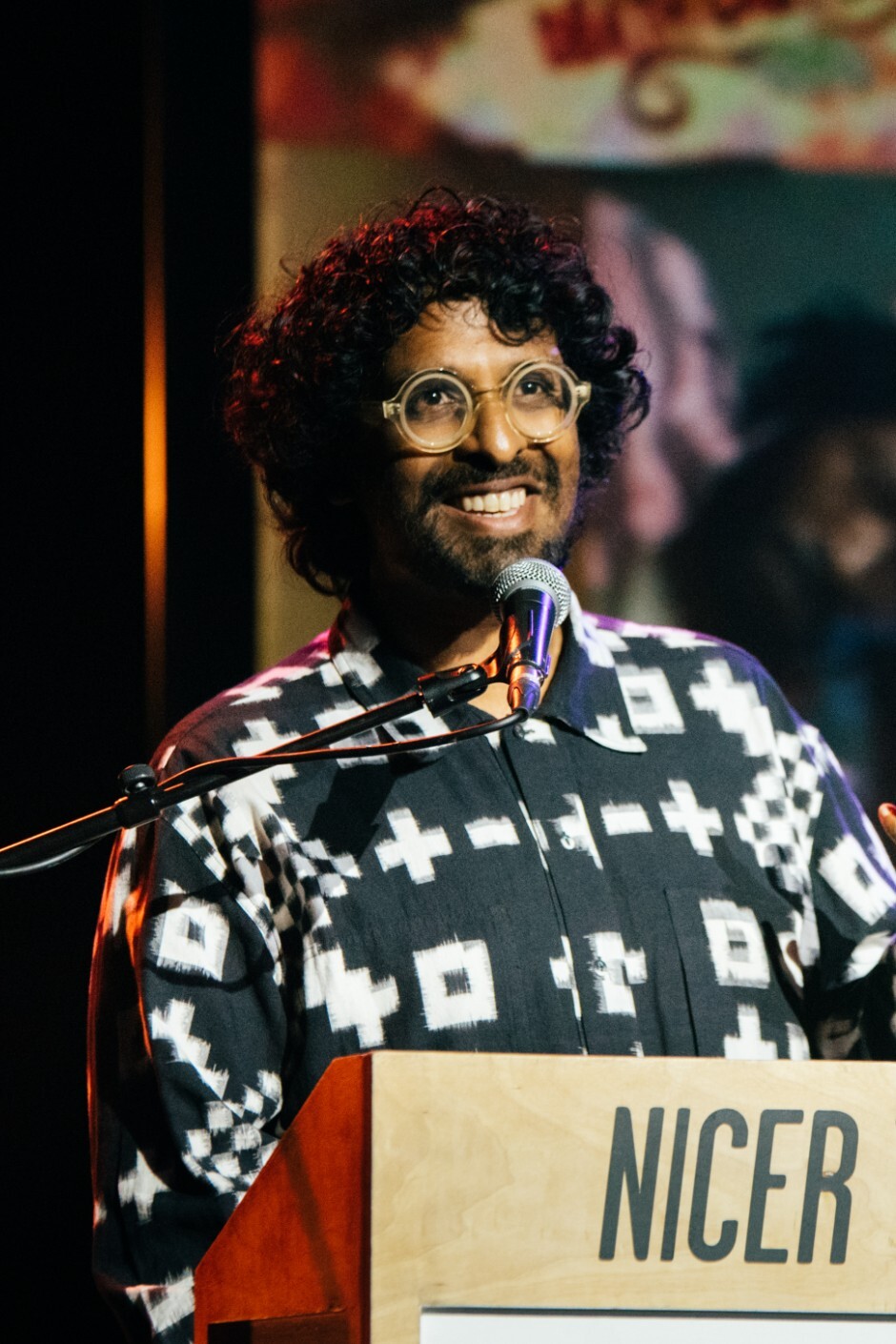
Murugiah
Why you should reject the formula and make art about things you love
Watch -

Marina Willer
Design thrives when you find poetry in the simple things
Watch -
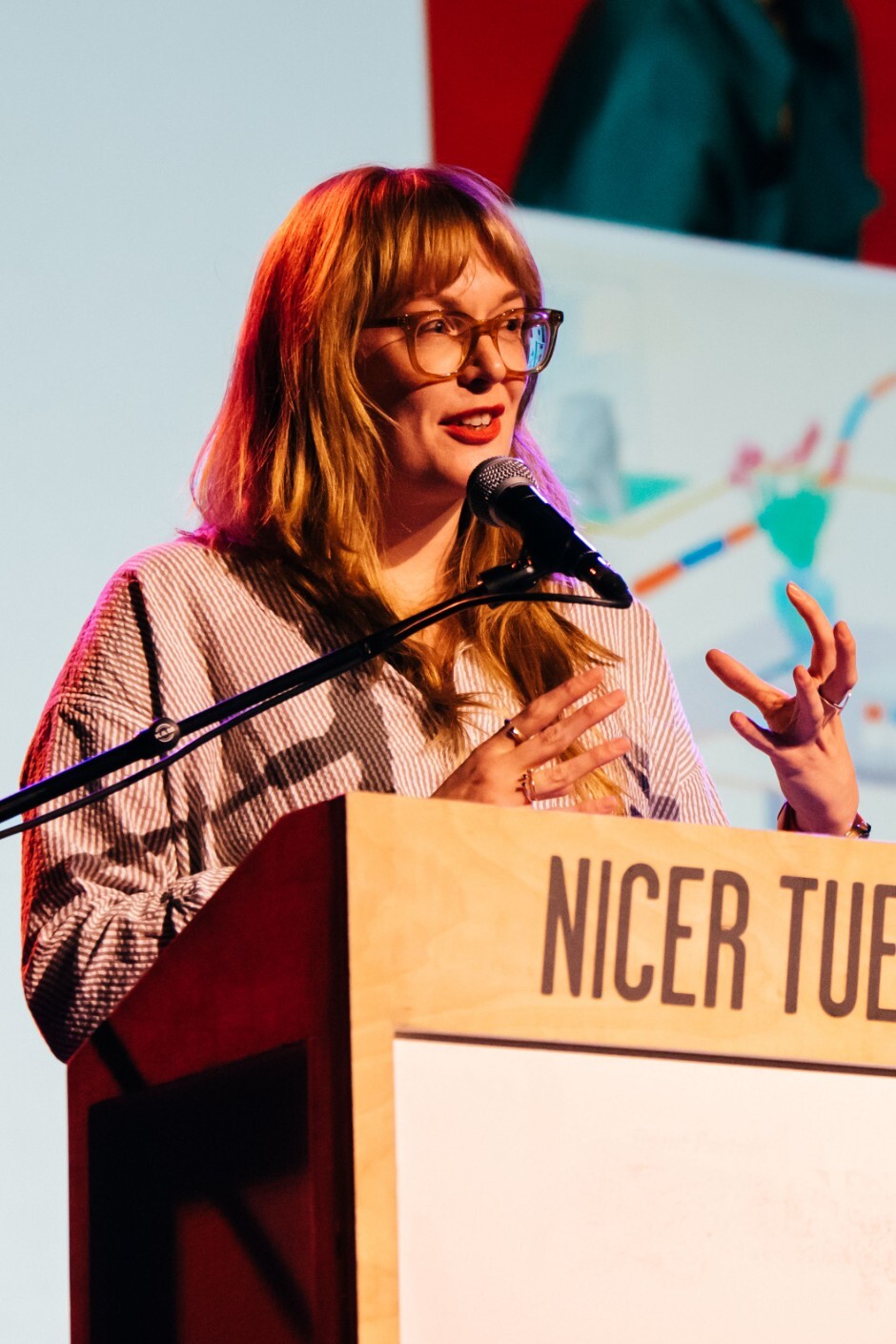
Lizzy Stewart
The hundreds of drawings and writing-on-a-whim that goes into comic novels
Watch -

intra
The rewarding process of recognising the art in obscure everyday life
Watch