Dinamo
Inside the two-year marathon of redesigning Spotify’s typeface from scratch
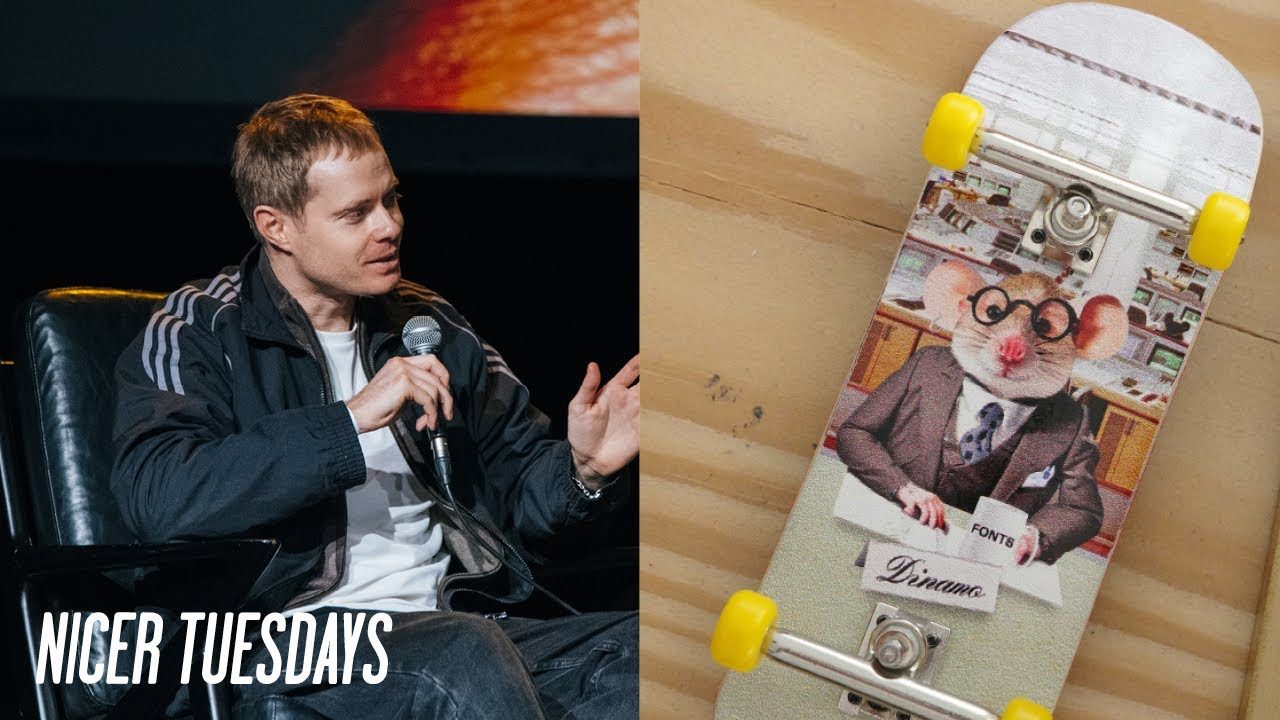
“We don't really know all the rules and I know it's a bit of a creative cliche to say but like you know at the beginning I was a bit embarrassed because I didn't know the rules and I'm almost like proud of it also.”
[Applause]
hello thank you you nice introduction I'm good you're good yeah thank you so much for joining us this evening I'm excited to talk with you me as well I never did a Q&A before yeah let's see how it goes it's good it's not not like we've got many people not much pressure for the first time yeah.
I think it'll be fine maybe actually well I'll start by opening a beer yeah let's have the beer Che cheers sorry you have to be paying paying money for this but like oh yeah okay now.
That's important out of the way I wanted to start with a story that I've actually been kind of interested in which is actually just how din Mo started with your co-founder Fabian like what was going on in both your lives at the time yeah. I was very messy I think we both like graphic design students so I think that's also quite a thing with dunam Mo that we all like at the core like at the beginning at least really like graphic designers using fonts and making fonts eventually so like Fab and I we met and just started to like exchange like projects and ideas and so on.
And then more and more we always used design projects that we got like as students like a little poster something like that we use that to make fonts for that project so like a Sunday night drawing A to Z quick thing.
And then we started to give that to a friend and the friend started to use the font and then eventually they maybe said oh do you have like another weight you like yeah okay then you start drawing another weight and more and more we realize we actually enjoy this more than designing the thing okay right okay.
So that's kind of how it started and we like start to re gradually make more and more fonts and stopped making graphic design yeah now we're back at making graphic design again I think here yeah and what year was it it that it kind of became forly like a Foundry yeah it's it's crazy because like we it's really funny to do a Q&A really it's like a it's like a conversation it is a conversation okay.
So like let me tell you about that that thing we we had been like working together a little bit like but he hadn't we had given it a name like dunam more yeah yeah because we thought it's like you know it's like an energy generating machine right okay yeah that's another good question I should have asked you that yeah it's like a machine there's like something happening inside and something comes out of it. And so on.
So we thought it was a good name it is yeah and Dan thank you and but we still like worked as Freelancers right and left I was even studying I moved to Amsterdam continued my studies and so on but still like we handed in our work to the Swiss Design Awards and that was like kind of this prestigious thing back then and still is but like in Switzerland and then we kind of won the Design Awards as well so suddenly we had a lot of money and then we kind of felt almost like okay we need to now maybe formalize it and found the company like registered the name.
And so on we used so we used the money to to do all that.
And then really for us to have the courage to say okay let's now maybe quit the other jobs and like let's take some of that money and the money was gone quickly but like still like it gave us like the the confidence to start our own Studio maybe believe believe in it a little bit more also yeah okay and what was kind of the I didn't know there such a big screen actually I saw this whole presentation beforehand and I was like oh this is going to be it's going to be hard to call attention at this bit absolutely and I guess like around that time what was sort of the traditional like Foundry approach what was the business of fonts like what were other people doing I guess yeah.
I think we got lucky with the timing in a little bit.
So that's like maybe 10 years ago now so like you know font design software was like on the rise like you had a lot of like new tools so like making fonts was easier and I think also in our thinking the graphic designer would you know you you you didn't have the separation anymore so much between a type designer and a graphic designer like okay the person using the phont Mak like at least for us.
There was really like yeah we're making our own tools and therefore also we shaping our own language we like you know whatever we designed because we're using our own like we're wearing our own underwear in a way you know like so we don't even need to do much more than that so our design was also quite topographic like there wasn't like a lot of other stuff in it like illustration or photography because we didn't really we're not so good at this also you know yeah but I think was very liberating because we could really like make fonts quickly and it was very empowering like we really had a feeling that we could develop our own voice quite quite soon you know like what a question yeah that's it. That's perfect I I also wanted to speak a bit about licensing which is something that really interests me maybe not the most glamorous part of type design but I love it yeah in 2020 you moved away from kind of like a traditional use based licensing system where companies pay based on like extent of use to companies now pay relative like depending on their re Revenue potential right why decide to do that you were one of the first to do that right yes yeah it's really like licensing is my big passion for sure I feel that 100% yeah no no I really mean that like no because like also like it's it's so much about I think as individuals and like you know when you work in culture and design and all that type of stuff I think what we don't learn in art school is like to price or like put value to your work and usually like you do something.
And then mostly other people do much more with that you know and you you're left with like having to look for like another job. Basically you know.
So the same with like font licensing like before you know a big company would say yeah we're going to buy the font so and so and then you say okay I'm going to install it on one computer and at this point already all companies would pretend that they only install it on one computer okay but big companies like let's say Coca-Cola they have a a small marketing department so Coca-Cola is a huge company but they have maybe 10 whatever I mean maybe thousand but like people working on marketing so they're going to install it on on 10 computers and then you have a different kind of company who maybe is 10 people in total but they all they work in different ways so they also install the fonts on 10 computers and I saying that because like the question of where will you install it and how many times was really was what was determining the price for so many time and still is you know right okay which seems yeah yeah and we had the feeling that's kind of unfair to like small companies but also like the big companies they pay as much as the small ones and so on like it didn't feel like you you ever get into a place where you you're not being paid for as a graphic design again like for time or like amount of work.
But we wanted to get paid for the value our work would create later on as well okay.
So I know like bear with me but basically the thing is the thing is like the bigger the company the more expensive the funds are yeah and that's the whole trick somehow and we we were lucky because we could like redesign our website back in the day that 2020 and so we could really implement the new way of calculating the price so we didn't have to like I don't know like install like new systems and stuff we were anyway scraping everything and making a new site so the new side Works more like an elderly phone basically when you license a font you really just have to click how you will use the fonts and how big you are and that's it okay. So it's kind of easier in some way yeah yeah for Coca-Cola and because like and before again like you would have to say okay I will install it here. And I have so many app downloads and I have this type of traffic and I have so many followers and like all these metrics are a bit like is a fantasy anyway you know I could honestly talk about licensing all day but I feel like people are going to want me to talk about time faes at some point so let's talk about one of them you Dino was behind maybe one of the largest in my opinion projects in type design this year which is Spotify mix yeah perfect timing can you tell us a little bit about what a project of that scale looks like behind the scenes yeah it was terrifying no because like at the point when they reached out to us that was like around 3 years ago now like nobody in our studio was really employed for example and I mean there was a lot of passion I to be fair nobody would like also me I wasn't employed but like so like they they asked us hey do you have like ideas how we could like revamp Spotify like and there was kind of a I think a company like that they only get to do this maybe once or twice I think you know it's a huge thing. And it's kind of impossible I think even now I think it's almost impossible to do to do that on a company yeah here you see like all the spreadsheets of like planning and like timing Jesus I'm going to get to this a bit later but like so what was crazy for us is of course the excitement because we felt I mean it was overwhelming to just think that they they would trust us with that and at the same time you also had the confidence we thought yeah we should do it like who else and but also we were really terrified because we thought it would maybe change everything.
And we don't know if we actually can do it as well like it was ambiguous you know like because you're also promising to be there for them for like two years and the team has to also want that you need to it has real implications somehow you know. So it was really so like we decided okay if we going to pitch if if you're going to do this then we also want to get it. So that was the whole thing because Fabian and my co-found and me we were also like had these like conversation we thought yeah maybe we pitch it. But if you don't get it it's fine but we thought no no like if we pitch it we want to get it. And we might get it also so like then that all all that happened and we really had to change everything like we had to like employ people or we could also employ people because obviously they paid a little bit of money for that luckily a few pennies yeah yeah pretty yeah.
I think we're going to go through the whole slideshow a couple of times I can comment a little bit better yeah but we had to learn everything from the start like we had to you know. I had somewhere picked up that maybe like the the real pros they would like start a project like this with like a workshop and I always found this is a bit like a lame idea you know but like but still like then we thought yeah actually of course like you want to get to know like you want to understand what they want so we like okay let's do a workshop and they're like yeah that's a good ide yeah we also want to and we like okay now we don't have to do a workshop so like we really learned and there was a picture here a couple of slides ago where you see us in the basement rehearsing the the workshop in L in New York because we flew to the headquarters and then a friend of ours like in the basement of his parents and in SoHo we could like rehearse the workshop and we like beam like with the projectory like doing like things like like you know a little stickies like learned like techniques like one is called note and vote you know like you're like how do you get arrive at like conclusions together and stuff really.
Actually totally interesting but like so like we we learned a lot of things. And we had to like wear these like big shoes all the time never before we had also scheduled a project like an Excel sheet that's like 2 m wide basically.
And then like spans over like two years like really with like Milestones I l learned a lot of good words also like Milestones checkins it's not a big project if you don't have those I don't think yeah yeah M check we didn't have this before yeah yeah yeah no but then again like to to to to tell say but more like it was really Al such a good good experience because like a lot of doubts that we had to beginning in terms of maybe yeah will they give us freedom like will they understand what we want to do like all of that never happened like they really didn't they really trusted us they really did never like push back on like an idea that we proposed to them. And we like smuggled in a bunch of crazy like you know like in terms of like what what we think is enjoyable you know they're like yeah this is good you know.
And I've really thought more about design decision with much smaller places where like you know the curator might really get involved you know and like really start to draw like letters himself and and with Spotify is really like yeah you you like they're so busy like and they they know why they chose you so like they yeah they gave us our freedom and we just had to like run the marathon in a way you know and that was exhausting of course yeah okay. So shout out Spotify big good clients and what was the original concept for that type face like maybe talking more like on a design level what what was the idea that maybe came out of the workshops and then how was it developed from there did it change a lot I guess it's like two years I guess yeah had nothing to do with a workshop I think at the end the workshop is really just to get to know each other and get the trust the Buy in as you say buying in it's another one they're buying good getting strong word for sure no but like we had this idea quite early on that we thought and now in retrospect it sounds almost a bit tacky but like we thought thought you know they represent a lot of different artists and different types of music.
So we thought the font also cannot only be a grotesque or something or cannot only be typewriter and that would be crazy but like a different it has to also embody different genres in a way and once that clicked we basically made a font that has a you know a humanist kind of Base follows the humanist kind of design tradition.
And then on top of that we mix like sprinkle in different in the presentation I would say sound you know but like you sprinkle in like grotesque geometric and other types of elements so like the font also speaks different languages you could say stylistically okay and there was a challenge to like make that all like look good and feel good but basically the font is a mashup almost like a remix of different typographic styles like if you look closely you will see like you know it really has different types of like strokes and it follows different Traditions but it's all made made to work and that was kind of the concept and I think once we had that and took like a long time because we also designed a lot of things that we had to trash immediately but like like after a couple of months they we had that as an idea.
And then from then it was just executing it and designing like the wids metalics different kind of tricks and then a project like a SP I mean they have like I learned what they call touch points so like 400 different places where people would meet the font and alone the engineering like we had three Engineers working on this took like nine months and I was like I didn't understand anything anymore like but it was really like you had to make sure that technically it works and it reads well.
And it renders well and the F size is small and like there's a whole thing I guess also you've talked there a little bit about like engineering because I feel like once I heard you say that Dina kind of graphic design is cosplaying as type design as you said that one time do you think that like impacts what your fonts look like or type faces look like in a very yeah literal sense and and how I guess yeah no totally I think in a way because we don't really like we haven't studied type design so we don't really know all the rules and I know it's a bit of a creative cliche to say but like you know at the beginning I was a bit embarrassed because I didn't know the rules and I'm almost like proud of it also and sometimes you like look at look at a font with like a different eye or like you also think you like I think what I heard once from another type designer was a nice complement he said yeah you pay attention to other parts of the character set like symbols or like even numbers like things that usually maybe get overlooked by a classic type face type designers approach you know because like you think not important but like for us the little symbols the plus minus like all that stuff that you can you know that you really KN you need you want to make a nice poster yeah like I think that really gets a lot of attention.
And then us also thinking of fonts as something that you have to play with like you can shift stuff around like things can get bigger or smaller than they should be like I think we we approach that with a lot of freedom in a way right. So kind of like flexibility is like baked into it yeah.
I think also when you make a Fone now like you must have fun with it a little bit why otherwise yeah yeah and then okay okay fun is perfect Segway let's talk a little bit about Hardware which is like your product line you got caps candles t-shirts but also fingerboards I think there was a video earlier of the fingerboards beginning or late later yeah maybe later but it's skateboards you they're very small very small skateboards yeah and toothbrushes the toothbrushes are great by the way they're really really good a very soft bristle toothbrush so the I'm a big advocate for these products how does a Foundry kind of if if you decide to start making merch surely you think like t-shirt how does a Foundry start making like lifestyle products instead how does that come about yeah.
I think for us it was always important to also have something that we can you know because we work on on intangible things like software essentially like things they can touch and I think right from the start we always would also make t-shirts or like you know or even when I was before I sted design like print your own stuff somehow and trade it and exchange it and give it to like friends and so on and also like just as another format to express your ideas with somehow and so at the very very early days we always like you know we did this like t-shirt that became a bit of a a meme almost like different times that used different versions of the times time phase I mean nobody knows the background but that's kind of what why I like it.
Basically but like so that became a bit of a thing.
And then you really realize suddenly okay people use that and respond to that.
And then they wear it and send you a photo and recreates is like Community you know and like a nice way of like interacting with people beyond the fonts and it was very rough always.
And then like two years ago I met an amazing guy I met him earlier by called zimon and and he's like a super good is he I thought good yeah yeah yeah and and he is a good graphic designer also like really has an amazing feeling for like you know physical objects and sourcing them and like really has this like deep expectation as well and attitude towards like how like these sh little things should be shaved it was a bit of a special effect here at the beginning and then we got talking because like before the the hard we call it Hardware as an opposite term of software and then like but the hardware we did was really like printed in the copy shop and was really bad but also good but in the same way that then zimon.
And I got talking and he said yeah we we can really do this like better and what we didn't want to do is only make merch and merch is is cool I'm happy for every pizza place that has a t-shirt but like we didn't just want to thing with a logo on but really have objects that translate maybe a certain type of thinking or humor or something like that and and he really has has developed that that whole Hardware arm and push it to the next next level and there more to come yeah yeah did you kind of like expect the response I feel like every sort of designer I talked to is once a keychain or was really upset when the keychain sold out yeah this is it.
This is London. Actually who is that me is it you it's impressive it's pretty good I know it's pretty good should we just watch that for a little double it's a double kick flip yeah here you see like zon's Hardware so we kind of did a did a launch at waste here in London last year and that was kind of the first collection yeah and I mean this is a totally like before we would print a logo on a frisbee basically like before zimon.
And then he came came he did all of that.
So that. That's mind-blowing I think yeah that's so cool did you expect the response to it I mean it's always seems to sell out no no no yeah no but also like I didn't think that people would hate it yeah yeah imagine if they that would be terrible hurting hurtful hurtful mean comments that's Simon cutie so we're producing these like silk scarves at the moment and we trying to figure out the right size that's what what he's doing okay oh sneak peek yeah okay well I'm going to get back to one more of my favorite topics which is licensing again in a way so Spotify we kind of mentioned I'm sure like had a huge commercial impact on the team and it's kind of a weird time to be an independent type Foundry or like an independent Studio but in the type Market specifically obviously huge concerns about monopolization and smaller foundaries being kind of eaten up.
And then also super competitive market obviously it's like exploding there's so many type faces yeah it's scaring me so where are you kind of looking for I wondered yeah how you're navigating all of that where you're looking for stability is it more still in licensing or big creative projects like Spotify yeah yeah good question I think I'll also say that like after Spotify we got a lot of attention but like it's not like we got the next Spotify you know and also like we got it's a bit like I sometimes think of it as a you know you have a garden and you also need to watch a little bit who's coming inside like I think with Spotify we had a good experience that's why I like to tell it in in in full detail also because we kind of didn't maybe expect it also or it would also be would have been a story to say oh it was terrible you know.
But it was good but since then of course we've been approached by like whatever Amazon and places like that and you quite quickly realize okay that is not a fit and maybe we cannot make a workshop again you know like and like and then.
And then all that doesn't happen you know so like I think at the moment really like we're betting on on licensing like licensing our fonts which also is a lot of work because you like it's almost like you're putting so much time into like making a font one two three five years even and then like and all that time is on your own dime you know.
And then you like publish it and you kind of Hope or you kind of yeah you hope that people like it and find it useful and and buy it and and support it in the in the p kind of in retrospect so I think our our bet is like licensing really and trying to find right clients who also can pay us and and want from us what we can also offer because it's almost like it can be such a misunderstanding as well right okay for sure actually okay.
So I was going to steal from Dio right now you have an editorial arm which is something else you do on top of hardware and there was a great quote in it the other day from Christian Schwarz from commercial type who said type faces are like the fashion business in a lot of ways and I worry about it's losing touch with people's taste and falling out of relevance I wondered do you think a lot about the world's tastes in type faces when you're designing one or is you try and steer as clear away from that as possible I mean I think it would be the easier answer to say that we're like trying to stay away from it I think is kind of impossible but like luckily making a font really takes time I mean that.
That's a good thing of that it all taking time because like you cannot really chase a trend like it's kind of or you do bad fonts and a lot of people do that also but like I think for us like making a font like really means that a whole bunch of hands will work on it for a couple of years like with all the whatever iterations and so on then even later on you might want to translate it into different languages and scripts so you really need to make something that can age gracefully you know so like coming up with something that you think is already or you see already happening and thinking okay I'm going to make my own version like you going to bite yourself in in the tail or something you know like it doesn't really work but like I think mostly Fabian us in our team he really has his own very intuitive look at at what could be something that then again we could turn into something else because like we don't consider ourselves so much like you know you know we don't we don't want to revive a font and make okay our own version of helvetica or something.
But we always so far have mostly like found a little something else that we thought okay that gives reason to making this font like we have this type Bas called Arizona which is is a sense but also a serif so immediately that becomes a project and once you have that thing that you're like trying to figure out you also slowly like even without noticing you kind of start to develop your own thing and you're like not not in this realm of looking at trying to do this other thing that is working at the moment or something like that.
But it's some hard to find that idea. And sometimes you catch yourself just designing a font and you're like okay actually it's a bit like the other fonts you know yeah.
I also think like there are so many Doo fonts that are so beloved and so that's kind of a different thing is like do you ever think like oh my God too many people are using this font and it's kind of like becoming a like a moment sort of thing and does that like ever affect how you were concerned about like the longevity of that fun or yeah yeah yeah totally 100% I think what I'm personally what I don't want to happen is kind of losing kind of the core audience you know like the people who also supported us right at the beginning and that really still values really matters to me what they think and if somebody would say ah I think you're not doing this I think that would really like hurt me you know so like I think and it's kind of inevitable though that that that would happen because as you grow of course you start to make things that are you know we planning our funds in a different way like 8 years ago we would make a typ b in like one weight and of course all the the Ultras they love that you know they're like oh one weight only like I don't need more but like and yeah.
I also studied in Switzerland and I it's almost forbidden to use more than one weight but like so like that also is a bit silly but on the other hand you're also like but then you're like planning a family you're like okay six weights three WIS like you always do it a bit better and inevitably you you get more professional in a way.
But I think maybe by by doing things like our Hardware or the newsletters where we also commission a lot of independent writers and and they give them a platform to write really critical critical opinion pieces like we really maybe try to like keep a bit of that like Edge you know that we have from the beginning on but while at the same time also trying to be a professional studio which also means paying people properly and all that it's like it's a kind of a complex situation you know but most be specifically I think now we also more going into like maybe like through some kind of midlife crisis or something where like now we're going to publish a bunch of like smaller fonts dirty fonts yeah.
So they're going to have one weight and just to like change it a little bit I think change it up okay and maybe we can that's a good time to talk a little bit about another recent type face Pelican that was I thought I was Hing that would be great not Spotify mix Pelican which came out this year right and that had a unicase feature baked inside the type face that lets you kind of extend all letters to the same height what made you sort of de side right. Now is the time that we're going to look at this in unic case now is the time like what what's back that interest for you maybe you can like describe say what it maybe is first a better introduction than maybe I had and how it came about no totally so yeah let's see it it will show up eventually I think so Pelican is like our latest release and again here like I think the project started four years ago so like it's really kind of a a Proto grotesque you would say like before like all the better GR came out like Hela and accidents Cotes and fonts like that so like it's one of the the pre pressors to what we now know as these like default grotesque fonts so it's more rough bit Charming I would say like unpolished and then like Fabian and Fabiola funny enough similar names they like worked on on that.
And I think in conversation. There was always this again this trying to find an idea in a font and and this idea of you know why doesn't small character have to has to be just small and why can't it be big and and so like we thought that could maybe be a gestural element that could bring this font to life.
And then Fabi like really Drew she Drew like all the like the unicase features so like meaning you can activate a lowcase a and then it reaches up to the cap height so this this whole idea of like you know same height all the same like abandoning the idea of lower and uppercase hierarchies and so on so suddenly also in the studio the conversations really changed and they went away from thinking or from talking about that a needs to be a little bit more like that optically but like more like thinking talking about the gestures like how does it feel does it feel better like more equal and all these things.
And then also when we talk about the campaign that you saw early here with the the five well-dressed people like wearing these like light blue pedestal things immediately the campaign was clear as well because we also wanted to make a campaign with like people from Berlin in this case from our friends Circle somehow who then all would reach the same height similar like like the letters in the font do and that was kind of the whole the full circle moment yeah that was based on that campaign level right that was where that that concept came from letter level that artwork yeah yeah which was maybe you can describe yeah maybe talk about the campaign a little bit more yeah yeah yeah.
So like again campaigns in general yeah we can talk I can talk as long as then like until it comes up I we can talk so we talk about hardware and teaching and Lees right now yeah no like so basically the the campaign again with us we always want to construct a bit of a world around the funds because also that's how we talk about the funds ourselves like we don't say oh this is the original version of G or something like that but like for us it's really like what can it do how does it feel and we also want to communicate it and give people something to like you know talk about it and feel feel connected with so like with with pigan we thought what's a way to translate this idea of same height and then in the in the 70s there was this artist called Hans Hammer is a German guy and he came up with these like same height parties so he would invite people to parties and give them shoes that would make them all reach the same height and then people could meet on eye level and then what it what it was is we work with a studio in Berlin called very yes it's got a new very fresh studio and they they proposed that to us to kind of reenact a same height party but with people from Berlin and that kind of it was the whole campaign and then we shot it. And I don't know if yeah if you get to see them later like there's also like an italic version where everybody stands to the side and there's like a condensed version where everybody sitting on a chair so it's kind of yeah it's a bit hard to see but a good Easter egg yeah and I guess for for me like a lot of your type face launches do seem to come with like a big campaign idea like you were talking about storytelling in terms of like behind the scenes when are we thinking about the campaign is it like at the end after we've developed the type face or is it way earlier that it's really integrated how many members of the team are thinking about campaign I'd love to hear a little bit more about like you're you're thinking about that and has there always been like such a focus on campaigns no I think that came came in the last years really because maybe we also found our laugh for graphic design back in a way.
And then we thought yeah let's let's communicate this better also because there's such a flood of things out there you know.
And this. Actually our licensing model that we talked about earlier so yeah you you just need to select the company size and how you're going to use the fonts and then you're you're good yeah it's quite yeah it's in depth way easier now yeah and at the moment it's like there's maybe like two three four type designers working on a type phas Okay Plus or like including engineering so somebody who makes sure to really that it works as a piece of software meaning like you hit the right key that's a simple example but you hit the right key and the right letter shows up otherwise that would be a scandal you know but like but like even like that it works on like Windows or something you know yeah that's the actual trouble and then there's like a two three four five people working on a campaign yeah okay.
So there's quite a lot of people 5050 yeah yeah and the campaign takes still relatively like less time like 3 four months maybe yeah okay.
So yeah still a big berin Berlin time line yeah in London you would do it in one month maybe and do you think that's become kind of like a standard now I mean like for in terms of like there needs to be sort of like basically like marketing this yeah around each type phas so otherwise it all kind of fall into the yeah yeah. I think it's hard to get noticed anyway.
And then also is a missed opportunity because it gives you the opportunity to express what you thought when making this fun for so long I think you have to communicate it and people do right like but but of course like a small like design asset showing the letter is the smallest form of communic ating it.
But I think also for me when I I'm watching myself and how I perceive things I think of course if I if I feel that there's something happening in here like something funny silly kind of anything like I I look a bit longer and I start to engage and I start to like it and try it. And it's like a good conversation in a way yeah yeah also it if it makes you like it the work more it makes everyone on the team have more fun like yeah yeah.
I think we're coming kind of close to the end so I'm going to get to some questions from the audience cuz there were loads this one's really good it's from jaen and they say how do you deal with pirate websites Distributing your type faces yeah no like actually I think we stopped dealing with it because I had a conversation with somebody and and that person said hey look if you like chase after somebody who didn't buy your phone like it's a bit like I mean that person wouldn't have like maybe isn't able to buy the font of course.
And then it's not like you're losing a customer because that person would have not bought the font anyway you know so like why why even like talk like think about this.
And then put energy towards that because like it's not like you're you will convince somebody to be like hey please buy the font now or something like they would they would not never have been a customer you know so like if a big evil company is using our fonts now we know what to do and you can make good money with that okay yeah no because like they basically use they don't have a license to use your intellectually protected property it's a very beautiful case every lawyer will support you with that so like easy but like in general our whole attitude has changed like we're not like actually the opposite like we want to make our funds accessible like we offer student packs that are high heavily discounted stuff like that we give funds out for free do cult culture discounts and and all that like it's more like if somebody wants to use the font and wants to buy the font maybe doesn't have enough money that's cool like we're going to figure it out no problem and the time that we would maybe lose even checking up on licenses I think we now rather invest in making memes or something like that you know something like this yeah it's a it's a better investment yeah yeah yeah and I guess also I'm like grilling you on finances yeah but do you think that that kind of like approach to like reinvest culturally sort of have a bit more of like an you know not completely but slightly more like open- Source mindset in terms of like accessibility has that like helped you in terms of in the market would you say yeah totally I think even like even within Spotify for example we we met during the course of this big project with so many people involved on their end like we met people who said oh I I pirated your fun like 10 years ago you know.
And now they gave us a job yeah. So like cool you know yeah okay perfect another one good here from alij which is how do you envision type design evolving over the next decade and why wow yeah good that's the tough one yeah.
I think on the positive side I think more and more and I I hope this this this continues to have more graphic designers will use make their own fonts you know like because making fonts is even easier than when we started and you even can like found your own micro Foundry like there are like shops that help you sell fonts nowadays and like I think this such an empowering beautiful thing to do like make your own you know product if you will and and sell it and see other people do something with it and create this whole like feedback loop which is beautiful and and it really has has changed my life you know.
And I think I hope you're going to see much more of that.
So there's a whole like democratization of tools and design like still continuing so I think that's good on the other side we have like all these like really bad companies who sit on a lot of legacy and sit on the like our Gatekeepers into like the tools we're using and and that's already like boring and very sad though you know because like they they are destroying the market flooding the market with like free funds or dominating you know forcing companies who have old licenses to pay up and raliz and like that that I think we're going to see more of that as well because they're gaining more and more power also independent foundaries are selling out to them which I you know I'm not blaming anybody maybe you want to buy a house or something it's all fine you know but like still like this is a is a reality that's happening so I think on the one hand you're going to see a lot of exciting stuff happening on the other hand we have to yeah make a make a strong vote for like staying independent and supporting each other and collaborating and things like that yeah and then before I asked my last question.
Actually that reminded me is that kind of I haven't really spoken about the editorial arm because that's sort of like your opportunity to kind of speak critically which as a Foundry why was that why you kind of launched it was there any other thinking around it like whose idea was that to to get into publishing basically yeah.
I think also I met Maddie who's from London M Moy she's an amazing writer and our editor so you cannot hire her because she works in our studio but like she also was looking for like an outlet like she just did our all our Communications but also she was always saying yeah but I also want a place to ride and it kind of like perfectly overlap because we were also getting really tired of Instagram even though it has a beautiful logo but like we're thinking no I mean it really like I really like your talk but like but like you know we're thinking okay this is not a place where we can tell our stories you know like or we can like give context or like depth in any way because like you know how it is we all know that.
And then we thought maybe we need our own almost like substack like place where we can just you know have occupy some space and people who subscribe to subscribe or not and we really two two and a half years ago thought okay let's really start a newsletter and make it really long like it's also like a lot of work like sometimes the newsletter is like meters long like with all the images and stuff like it takes at this point to to send our newsletter takes three and a half days because there so many subscribers also which is really nice so like we have more newsletter subscribers than Instagram followers which is for us insane you know but like it's it's because I think people also including me and and and my peers I think I'm also like rather at this point subscribed to a newsletter and also unsubscribe again whatever but like then like following something and like my brain basically yeah yeah yeah I love new SL oh here's the campaign now yeah X foam shoes yeah it's like this like Styrofoam that you can cut with a hot wire good health and safety okay.
I think it's time for my final question which is We've Spoken a little bit about you know the next 10 years in terms of type design at large but I just kind of wanted to talk it's been 10 years since around about since Dio was founded what was kind of your idea of success back then versus now has it changed at all like your sort of perceptions of the industry and where you want Dino to be W leaving on a high note I know yes I think I mean I could not have been luckier I think and and all all all people like like the people we we built this with I think we could have not expected it to like us being able to move the way we move at the moment at the same time of course I don't think it can it has to be forever.
So I think it's also smart to just be like yeah not to be too attached to it and not like be not hype it up too much you know like I think yeah we like in terms of the success I think yeah at the moment at least you know half or or 60 70% even of what we do every day being self-c commissioned like be it Hardware be it a new writing a newsletter commissioning a piece for it or making a new font I think if it can stay a little bit like that I would be happy you know but at the same time of think we need to also professionalize like we need to what I said earlier a little bit like we need to you know like now we're giving titles to people.
And so on like I think we also like have to grow up a little bit because like it's fun when it's bit rock and roll but also things can can start to not feel so great anymore when they're like you know.
I think Clarity helps roles stuff like that knowing what you want to do learning how to say no I mean all classics they kind of are actually true you know so like I think yeah couldn't be happier but also very challenged I don't know if that's a satisfying answer no that's perfect I think that's a perfect ending yeah fantastic I think that's all we have time for this evening but thank you so much for joining me everyone please give it up to Johannes from D thanks thank you
Latest Talks
-
Will Anderson and Ainslie Henderson
Bringing stop motion sorcery to BBC’s Small Prophets
Watch -
Amber Weaver
How does contemporary type design translate into the wider world?
Watch -
Murugiah
Why you should reject the formula and make art about things you love
Watch -
Marina Willer
Design thrives when you find poetry in the simple things
Watch -
Lizzy Stewart
The hundreds of drawings and writing-on-a-whim that goes into comic novels
Watch -
intra
The rewarding process of recognising the art in obscure everyday life
Watch