
Denisse Ariana Pérez is a photographer known for her exploration of masculinity and water in relation to marginalized communities. She focuses on depicting real people in their environments, challenging traditional narratives in photography.
Denisse Ariana Prez
Photographing men, water and black skin as a love letter to tenderness
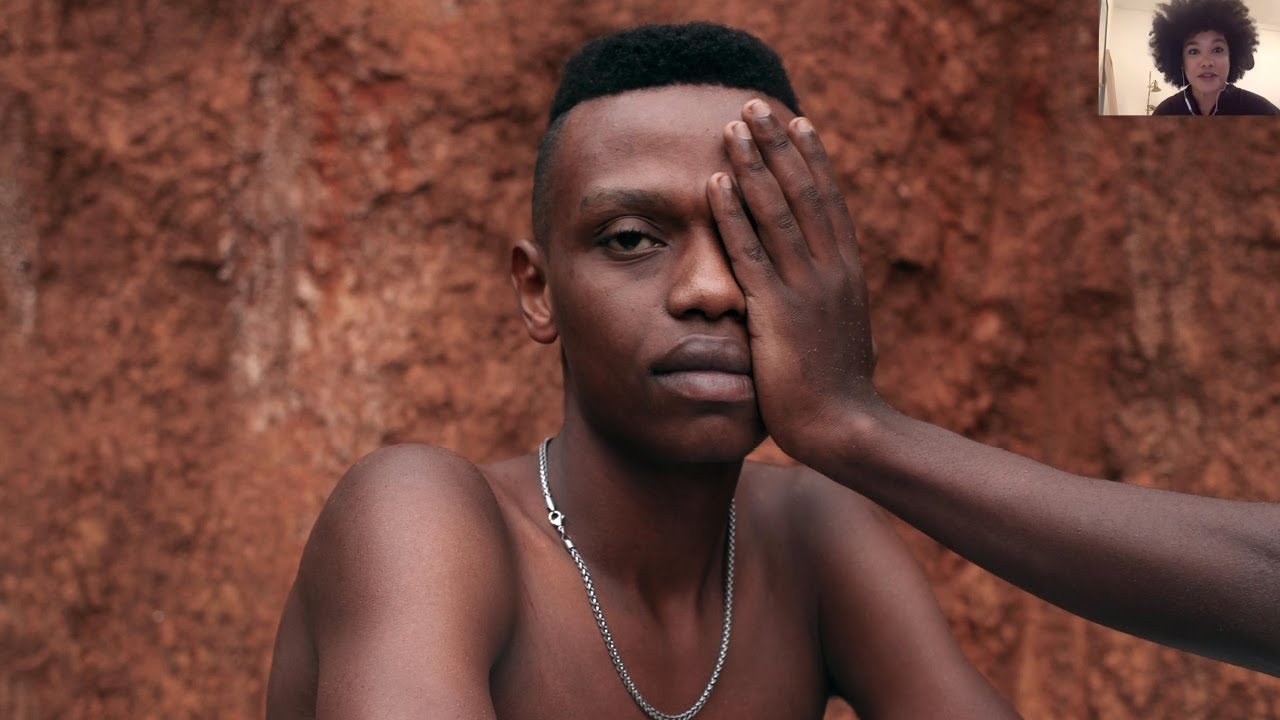
“I want to capture people as they really are, not as victims or models, but as vibrant individuals in their own ecosystems.”
Transcript: May contain minor errors or formatting inconsistencies.
Let's write ahead now and meet our third speaker so denise ariana perez is a dominican copywriter and photographer currently based in copenhagen we fell in love with the intimacy and tenderness that emanates from her photography particularly her portraiture she's joining us tonight to talk about two important themes in her work masculinity and water the latter being the subject of her debut photo book which has been nearly two years in the making very excitingly denise is also going to be showing us some exclusive previously unpublished images from the new book.
So denise please turn on your audio and video so we can say hi hi hey how's it going I'm good how are you it has been so inspiring so far yeah no well I'm sure that's going to continue but yeah sorry if I butchered your name earlier I've been practicing all day I think I didn't get it quite right I'm very proud of you you've absolutely nailed it yes all right well listen I'm gonna hand over to you to share your screen and yeah anyone else if you've got questions for denise put them in the chat and again we'll get around to them afterwards but yeah great ♪
great so as matt said my name is denise arana perez and on the lower corner you'll see my instagram handle denise aps I'm a cop writer and photographer.
And I'm currently based in copenhagen so today we're going to be well I'm going to be talking about my photographic work and to summarize it I would say that I am a people photographer I photograph people that means human bodies and human faces and my work centers around the interaction of people as they interact with nature and with each other and as they interact with their immediate ecosystems basically and their environment and I am extremely passionate about changing the narratives in which we portray marginalized communities and specifically people of color or lgbtqi people or recently I've been doing an ongoing series on people living with albinism and different parts of africa for example so for me it's very important that when I portray I mostly photograph real people not modeled and when I'm photographing these marginalized communities for me it's very important to not look at them and portray them as victims my work is all about elevating and highlighting beauty and just portraying people in the most dignified way that I can possibly do and yeah.
I think that's why I don't see my work as either traditionally documentary or traditionally just artistic I think it's somewhere in the middle we can call it like fantastical realism if anything and yeah.
So that's a some summary of what my work is about but today I'm going to be discussing two things the first one will be men and the second one will be water so I would say that the way I portray man it comes from a very personal place actually. And I grew up in the caribbean dominican republic and I grew up in a society that is extremely patriarchal and we're talking about like stunt masculinity and just you know forms of like dominant masculinity but also to allow me to just really observed in detail nuances of of men and it allowed me to just be a fly on the wall I would say and for me.
That's what it was interesting I think it was seeing the nuances and the how multi-faceted and like multi-dimensional the men around me were and they're you know little facets of rawness so now when I look in riches in retrospect actually I can see that my work today it's kind of a love letter to that form not that form of masculinity but the multifacetedness of it. And it's a love letter to I think also to to those original men in my life like my brothers and my and my father. But also a love letter to brown and black skin I think that I also grew up in a place where. There was so much one could say just hidden racism and that was not something that was celebrated you know black skin and all of its glory and I think that I can see my work now as a love letter from my inner child just beautifying and celebrating something that I found very beautiful and I and I still do of course here you can see some of the photos I've taken throughout africa for example these were taken in uganda and as I mentioned here you can see some of my work featuring men living well young men living with albinism and these were also taken in in uganda I love this idea of taking a very serious issue like albinism and yeah portraying it in in a different way and reimagining it and yeah bringing an air of something ethereal around it. Actually somebody asked me why I mostly photograph men and they were sort of implying that I was less of a feminist because I did and I couldn't disagree more because actually it's in the way that I portray man where I can really identify my sensitivity any time that I sort of forget or need to remember where my sensitivity lies is actually in these portrayals of men and if I make me dare to say I think that it's a bit of a bigger challenge to create a space for men to really forget about their facades and you know the socially imposed facades that they must have and just provide a space where they can just be and kill yeah disarmed and for me.
That's a challenge that I I enjoy and I like to facilitate I'm also very interested in movement I used to dance when I was younger and I think that there's something very beautiful about just portraying the body and showing a sort of freedom from the physical body as well these pictures were taken and in morocco and these pictures I took from the danish national ballet actually again I like to play with movement and also with just validity and just breaking down yeah how men are masked you know male identifying beings are portrayed and how they move and now for the second theme of today we're going to be talking about water so as you notice in the first session nature is a omnipresent theme all over my work and but water just became this recurrent theme it just became this subject that I came coming back to and I just kept responding to this water landscapes and these lagoons and these rivers and these lakes and I started to reflect about it. And I realized how ironic it was and I was indeed like born in an island but I never had a relationship with water like a true meaningful relationship until I was an adult and you know was far removed from these landscapes and yeah as an adult I think I just developed this connection to water and it is this element that would allow me to really feel fluid and be in touch and feel aware and and just flow and feel connected and that those are exactly the feelings that I would like to bring out and my subjects so yeah. I just became this bigger theme. And I think about two years ago it started in senegal when I took some pictures of a couple of young boys there. And it has traveled with me into a sort of like aquatic pile mcgritch of sorts and as matt mentioned this will be the theme of my first photo book which will hopefully be coming out by the end of this year and that I'm collaborating with with guest additions at design studio and therapies in london yeah and also for for this project I I wanted to include women as well and water in itself is so universal it's such a big subject and is so transcendental and I wanted to make it just as universal and in the selection of the subject so that means I wanted to include women I wanted to include other natural elements I wanted to include more gender fluidity in it as well to just match with the characters the fluidity and the universality of water so these were taken in denmark actually a funny story is that I wanted to finish the the book this year and asia and I was fine to go to indonesia but due to the pandemic I couldn't and it was this blessing in disguise actually that I got to finish it here up north and really explore these very contrasting landscapes from those tropical ones that I had photographed initially in like sub-saharan africa so yeah that has been very beautiful to just really explore this the contrast of all the water and all the different characters these were also taken in denmark and the previous ones were taken in london these photos were taken in uganda and then you're going to see different forms of water waterfalls which are you know come with more fortitude and more pressure and then you're going to see very subtle forms of water and very calm and evoke in the sense of silence so there's so much that can be expressed and that's something that I'm very drawn to ♪
some of these photos I've actually never for example these two I've never published them before so you're the first ones to to see them as a little yeah preview of what the book will contain and these pictures were taken in synagogue just before the pandemic and in the lat pose the pink lake also in my work I do all of the styling and the selection of the materials and I love going to a place and actually exploring the local textures as well and finding local props as well again these are more explorations with people living with albinism and these were taken in tanzania I also like to collaborate when it comes to aesthetics to also bring an element of fashion into it.
And in these ones also in brands with brands that I believe in and these shirts for example were in collaboration with a brand called ascit and they're a sustainable swedish brand and the previous ones that you saw were from a brand called arkham's first and I really believe in their valleys here you can see them.
So I love to bring this element of its documentaries creating awareness but also there's an element aesthetic element to fashion.
And then there's an artistic element so it's just blending all these different worlds into one and I do think that awareness creation can become so much more interesting because people are so saturated with information and they especially today. And I think that we need to re-imagine the ways in which we tell very serious stories and I think that we can utilize art and and beauty to make them not only eye-catching but just to really elevate them.
And we have to yeah seduce the eye and I think that's a and just bring so some poetry into into the prose but also into the documentary and I think that just makes it more interesting and that is all I have thanks so much denise that was amazing I think it's fair to say you've got a few fans of that photo book already who are going to be going out. And immediately buying that when it comes out you can stop sharing your screen now we've got some great questions from from the audience again so first off is from sergio he says how of the people you photographed reacted to the final result and it's obviously like a an interesting thing for any photographer is how your subject kind of that relationship with your subject so yeah how have they responded when you've kind of presented them with the final pieces yeah.
I think they've I don't think I've had ever a negative response to say I do think that for me the and a lot of times for me to convince someone to to pose for me I show them my work previously and it's a conversation of them seeing what what my work is about.
And I very much when I make it very clear that my work focuses on just on highlighting and elevating and for example you know when I'm traveling around africa like a lot of people are very and rightfully so they're very skeptical about being photographed by a foreigner and they are so done and I am so done with this very negative portrayal of the continent and of poverty and when they see that my intention is actually to change that and to sort of put them in a pedestal or then they really feel empowered and they want to be part of it and they want to they believe and what the work does and what my intention is so I think that it's a conversation that I have prior and that in itself makes them proud to be in the picture these are the most conceptual photos I think then. There are others that are a little bit more candid and you know we will I will add my subjects and you know exchange numbers and I will share them with them after and they're just very honored most of the time interesting there was another question that came through about that kind of relationship with your with your models I don't know who it's from but they say are your photographs kind of staged or do you tell your models what to do and and capture it from there or is it kind of much more I guess fluid I think it's a mixture I think that my pro for me that process is my favorite part is not necessarily that the finished photos are nice but for me for that process and making someone trust you for me building a space of intimacy and trust is very important and once that it's done and I need to be someone's like therapist and director I need to like these are real people most of the time.
So I need to sometimes they're not very comfortable in front of the camera so I need to make them feel comfortable I need them to breathe slowly so I'm almost like a yoga instructor meets a director meets a therapist and then in that mixture I think they're able to relax and then yes if I want someone to close their eyes or look at the sky then I know what I'm looking for and of course I'll get I'll guide them if it's someone who's very fluid in their body like a dancer yes I will I love when they get to move freely and then I'll tell them stop there can we explore that. So it depends on the person as well how comfortable they are how fluid in their body they are so it depends okay fantastic one final question from maria I think she's picked up on the fact that you have been working on this book for two years and asks how did you stay motivated to work on this photo book for two years was it ever kind of challenging keeping up that motivation or I guess the end product now with your hands it's kind of maybe easier to see how that was how you kept motivated well I think for me it doesn't feel like work I mean so it is it is I have stamina for that in which I believe so for me it just feels like it just feels right and and I'm just hunting I guess for that that I want to express and also because it has taken so many different facets so you know I've told different stories within this same context of water so it hasn't just been the same like the story about the albinos that's a completely different story.
And it just fits within this theme of water but there has been a diversity that has kept me engaged and the stories as well. And in every place it has been different and experimenting with different elements to bring in and different characters so I think it never got boring and if anything yeah once I'm very passionate about something then it's just never tires really yeah okay yeah I wonder if you know two years is actually fairly normal to work on it it's like it's like a year and a half but it'll come out at the end of these years they will make it two we'll make it through so yes so it feels like a an over a very overdue baby so I've been pregnant for two years. Basically fair enough okay well listen denise thank you so much we're gonna have to leave it there.
But yeah thank you for an amazing talk and some great advice afterwards as well I'm gonna ask you to turn your audio and video off yeah thank you it's time now for
Latest Talks
-
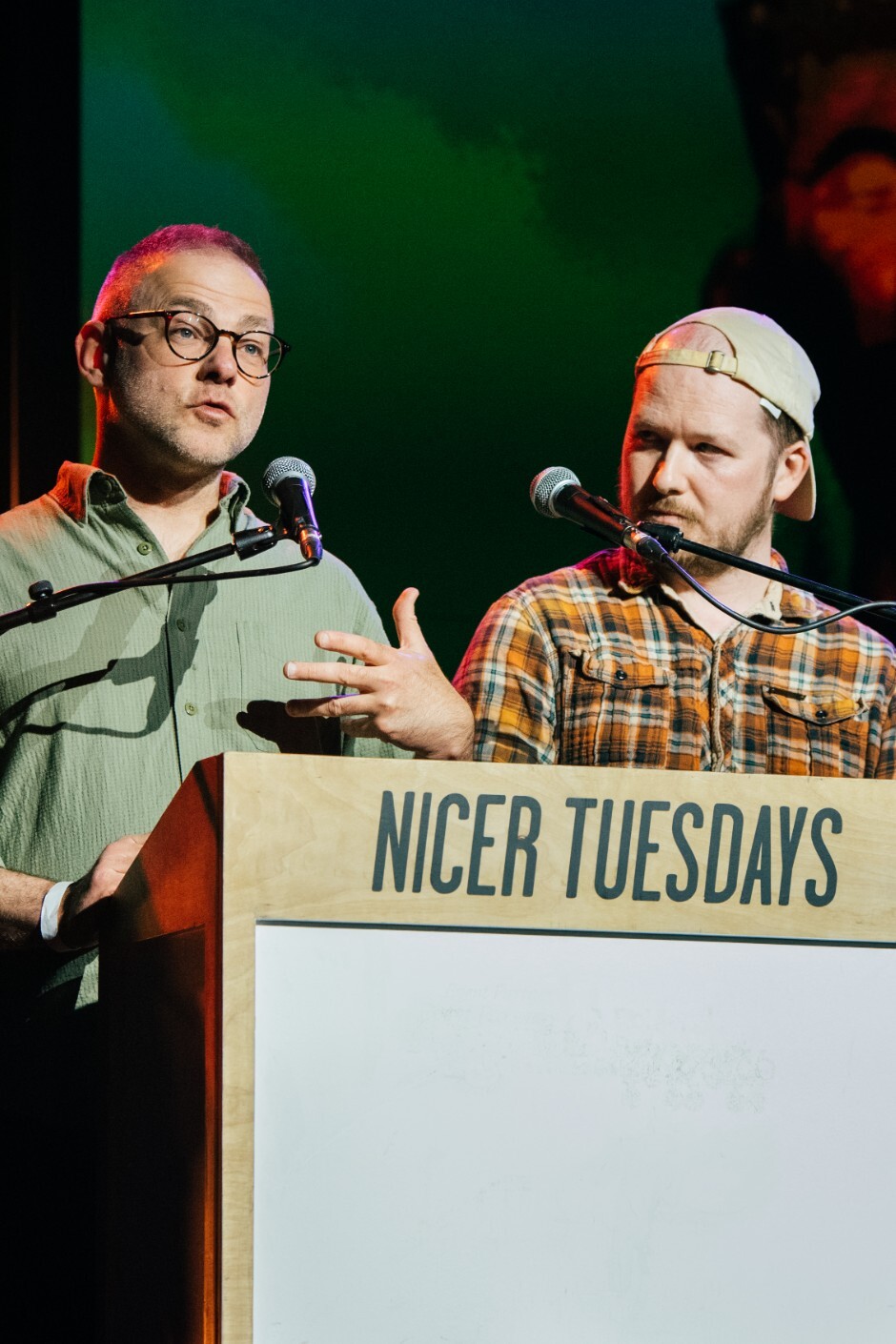
Will Anderson and Ainslie Henderson
Bringing stop motion sorcery to BBC’s Small Prophets
Watch -
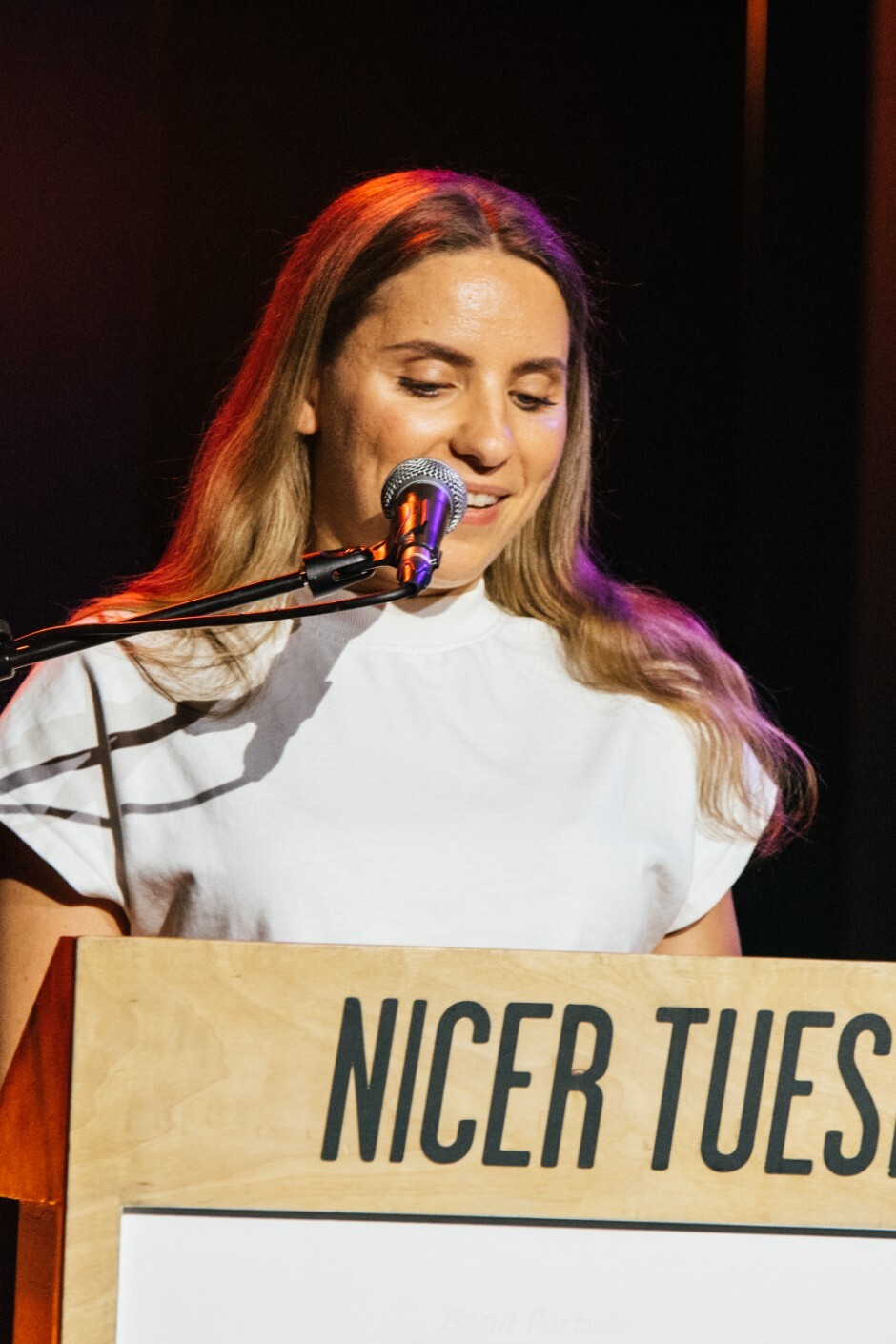
Amber Weaver
How does contemporary type design translate into the wider world?
Watch -
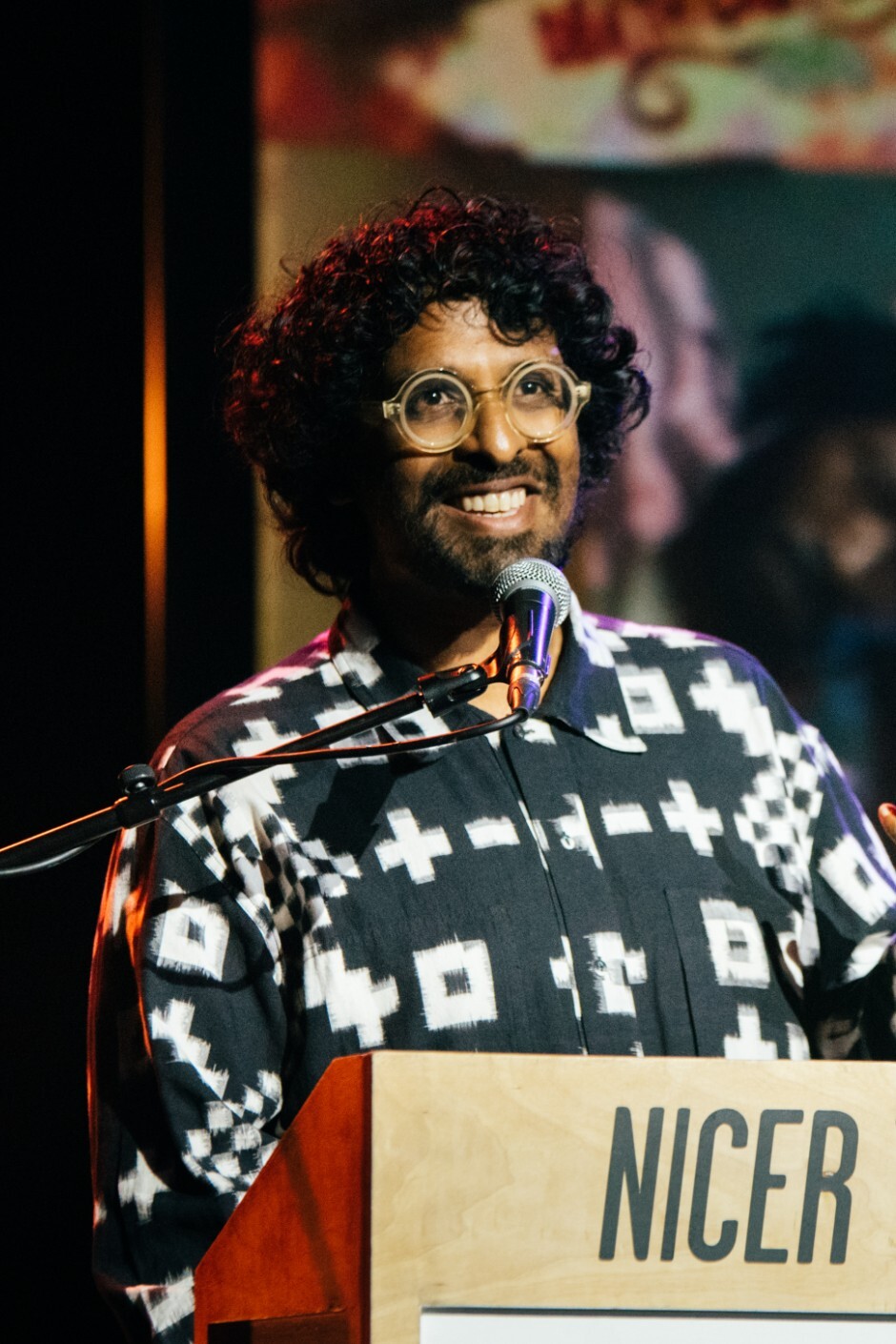
Murugiah
Why you should reject the formula and make art about things you love
Watch -
Marina Willer
Design thrives when you find poetry in the simple things
Watch -
Lizzy Stewart
The hundreds of drawings and writing-on-a-whim that goes into comic novels
Watch -
intra
The rewarding process of recognising the art in obscure everyday life
Watch