
David Hellqvist
Documenting Timberland’s subcultural history from Italian paninari to Brooklyn hip-hop
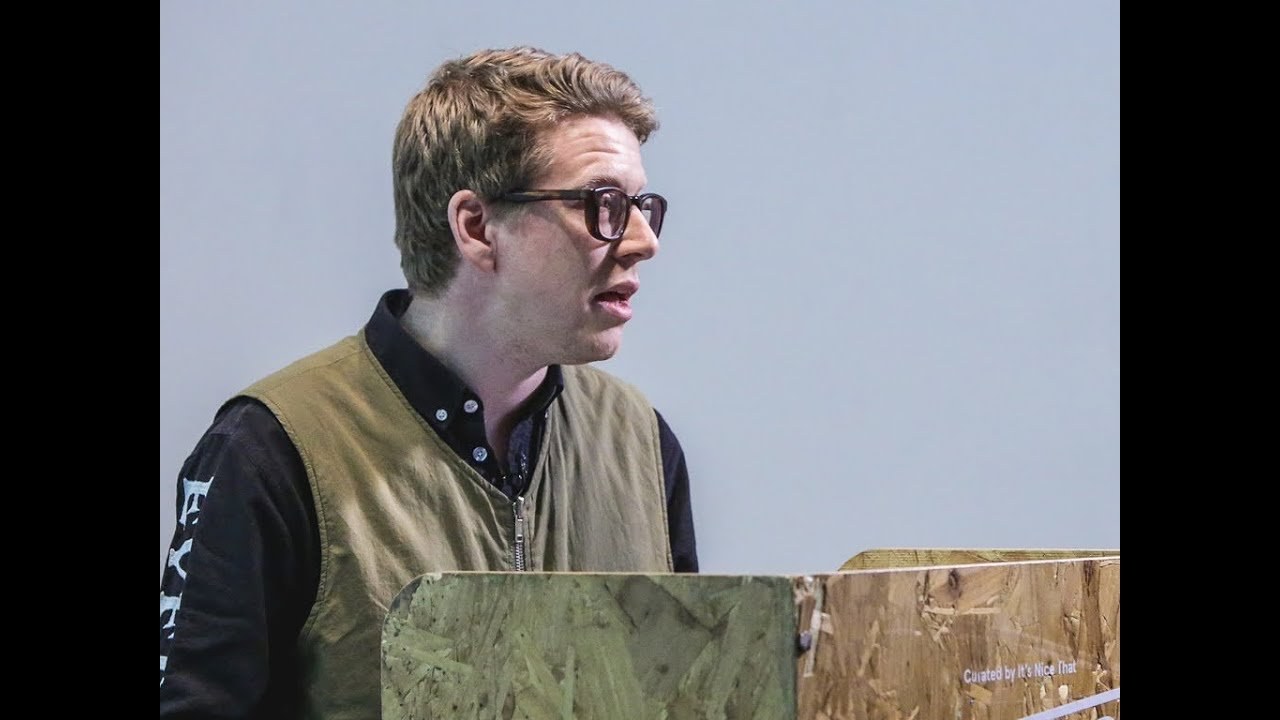
“Often when brands do these kind of books and they're looking at themselves in their history, they put blinders on — they think everything they do is brilliant. So it all goes into the book. What they need is an editor.”
Hi good evening thank you. That's all true except we're actually biannual now going forward port magazine but just so you know don't worry it's from fresh from this year so yes I'm all of those other things I'm as you mentioned a founder of document studios which I run with a great director called mark thompson.
And that's basically what I'm here to talk about document studios is story a storytelling project we basically document stuff and it's a project that I have been wanting to work with having done almost 10 years of work in publishing in media writing and editing for other people so except for wanting to do my own thing I wanted to carry on creating content while actually also being able to make some money out of it which for anyone who works in in media today no it's not always that easy this document series was meant to be a mixture of editorial content and commercial pay but done my way the challenge was to see how you can balance the commercial projects with absolute editorial integrity and I was asking myself if that's even possible that's not necessarily for me to say how it turned out but as you can see this was the first client timberland it all. Basically started when timberland who was 40 the other year did a book themselves called icon. And it was them looking at their own products their history.
But I didn't feel that it that it was relevant to me I didn't really connect with the publication it didn't talk to me plus often when when brands do these kind of books and they you know they looking at them themselves in their history they put blinders on they think everything they do is brilliant so it all goes into the book what they need is an editor so the idea was to create a book that looked at timberland from a subculture point of view highlighting the history the story and the products that we found in interesting way if you like it's a pop cultural retrospective we asked ourselves what is interesting about timberland and what do we find fascinating about the brand we approached it from an editorial point of view almost a bit like if you were putting together an issue of a magazine about a brand importantly once we had the official commission from timberland we were given complete editorial freedom we didn't show or discuss any of the content with the brand until it was all done and finished and I showed a pdf of the mag from the book to the brand luckily for us they loved it.
But the origins of document studios can be traced back a few years this was a book that me and photographer morgan donovan published in 2012 you can't see it on the slide but it was called document number one basically we documented the first ever london collections men for spring number 13.
It was the first standalone menswear event in london and both me and morgan were covering it for days but we felt that it deserved something a bit more substantial as well as online coverage so we published a book we were using morgan's beautiful backstage photography together with my interviews I selected nine designers that I thought had standout shows that season aggie and sam martin rose who you can see here richard nicole sibling christopher shannon astrid anderson etc these were all standout shows from that season the brightest stars for some of the written written pieces I didn't actually interview the designers but we spoke to people around them for example in the sibling piece instead of talking to the designers I sat down with katie grant who's the editor-in-chief of love magazine who actually also styled that season of sibling collection and that approach we also brought with us when we went into the new document series as it brings a new perspective onto a topic by us taking a step back and looking at it with a fresh pair of eyes I suppose it was an unusual project in the sense that it was just me and morgan a writer and a photographer we wanted it to be all about our text and our photography which you can tell when you when you've seen the name hell chris and the donovan it's a bit of an arrogant self-promotion tool but hey if you don't do yourself who's going to do it for you we did of course work with an art director in the end charlotte hill she art directed luna magazine and she's now with kin folk we went for a slightly book inspired layout again to get that kind of proper document feel and another thing that I brought with me from this first document to the second one is the distribution this book was printed in 500 copies and were given out to friends family and people colleagues in the industry at a party actually just around the corner from here the timberland document to go back to this one was printed in the same amount of copies and sent out to stylists writers photographers buyers in industry insiders or influencers as prs I like to call them.
That's the first thing obviously we discussed when we sit down with the client is except for the topic of the book but you know who's the audience and who's the reader a lot of these documents do well in a limited edition print run aimed at the fashion industry because document studios as a company have three main objectives to educate to inspire and to create desire we want people to want to go out and buy these products having read the book in this case we try to do that by creating an alternative insight to the brand we highlighted a few of the areas of his 40 year old history that we found fascinating we honed in on timberland's subcultural connotations and we sought out what we thought to be the most the absolutely best products that timberland's ever produced first up though we went to portsmouth in new hampshire on the u.s east coast this is where timberlane was born 40 years ago you can't see it in these images but it was still very snowy and quite cold when these shots were taken last spring the idea was to show the area and the climate the timberland was born out of the coastline is battered with wind snow rain 365 days a year and timberland was born as a reaction to that climate he wasn't in need for waterproof jackets and boots in asia or wherever they launched the brand but the demands of their own everyday life.
This is of course a quite rough edit of what's actually in the book.
But these images go back to the subcultural history that I mentioned before to me these chapters are very important and actually a big part of why I love the brand in the first place there's two main movements that timberland is associated with hip-hop in the 90s of course and the italian pananeros so we tracked this guy down he lives about two hours outside of milan in a small village he still designs clothes but not on the scale that he did in the late 80s and early 90s back then he ran a sweatshirt brand called best company which was then picked up by the pananeros and was part of their uniform he also designed a quite famous henry lloyd sailing jacket so as you might know the panoneros were young milanese kids who liked showing off their scooters wearing bright montclair jackets levi's jeans burlington socks and timberland boots really they were just brats they were rich kids with disposable income at a time when italy was getting back to back on its feet after a rough financial patch and that's what we spoke to almost about he wasn't necessarily pro-pilonero but he gave a quite unique insight to the political climate at the time and why what they wore was a direct consequence of the current circumstances at the time.
But we weren't just obsessed with the past we wanted them to anchor the book in 2015 and make it relevant to readers today as well.
So we shot this story uh it was photographed by samuel bradley and started by elga johnson about what the paloniros might look like today if they lived in london right now so essentially it's just two kids fooling around in soho with not a problem in the world to worry about it was about capturing an energy and an attitude not both from the pananeros but also from the brand the other big timberland movement took place as I mentioned in brooklyn and manhattan in in the early 90s groups like wu-tang clan were the yellow boots and inspired an entire generation we tried to tackle that subject in a slightly different way compared to how we looked at the panoneros this is ronnie feig he is an independent footwear designer living in new york and in the past he has collaborated with timberland on some boots but we spoke to him about selling timberland boots to hip hoppers in the 90s from a store on 8th street between 5th and 6th avenue on saturdays jc would come in by boots of him.
And in between you had people from all the boroughs in new york coming in buying different boots depending on where you lived so if you're in brooklyn you buy chukkas and if you're in queens you're buying yellow boots and they didn't ask for yellow butter chukka boots they had they used the color codes or the other style numbers that was their language this store this is where wutang came to get their boots so it was an interesting perspective on that scene another aspect of the document that I touched upon in the in the first book was to get people from other pop cultural spheres to share their opinions experiences and knowledge here's menswear designer patrick orwell talking about how he discovered timberland it wasn't all wu-tang clan and the hip-hop scene that people got into timberland from patrick for example he listened to to he grew up in san francisco he listened to grunge bands in the 90s that was his his way in in britain in the uk a lot of people started wearing timberlands because of because of the acid scene this is hiroki nakamura from biswim it was this was more about getting his point of view across as a respected influential designer for a worldwide brand his opinion is relevant we also spoke to people like gary aspin from adidas and nick bauer from stuasi for the same reasons for this particular story we focus on the abington range which is one of timbaland's premium footwear lines we photographed jason jules in epping forest wearing the boots but we also elevated the brand by putting him in shivanshi and watanabe like these example shows and alongside the shots we had jason writing an essay about the coming of age of a modern america as a fully industrialized nation in conjunction with the birth of timberland as a workwear brand lastly and this was one of my favorite stories this is a best of shoot from timberlands all collaborative projects I hand-picked 10 boots and shoes that I thought showed the best possible design than the most innovative brand partners for timberland tim linden actually owned all of these boots they had a couple I got some from a couple of prs and but most of them I had to chase down myself and buy mostly from japan I blew a substantial part of the budget on these boots but the good thing is as I own them.
Now I can wear them thank you
Latest Talks
-
Will Anderson and Ainslie Henderson
Bringing stop motion sorcery to BBC’s Small Prophets
Watch -

Amber Weaver
How does contemporary type design translate into the wider world?
Watch -
Murugiah
Why you should reject the formula and make art about things you love
Watch -

Marina Willer
Design thrives when you find poetry in the simple things
Watch -

Lizzy Stewart
The hundreds of drawings and writing-on-a-whim that goes into comic novels
Watch -

intra
The rewarding process of recognising the art in obscure everyday life
Watch