
Darryl Clifton
Why the art school is dead – and why it must live on
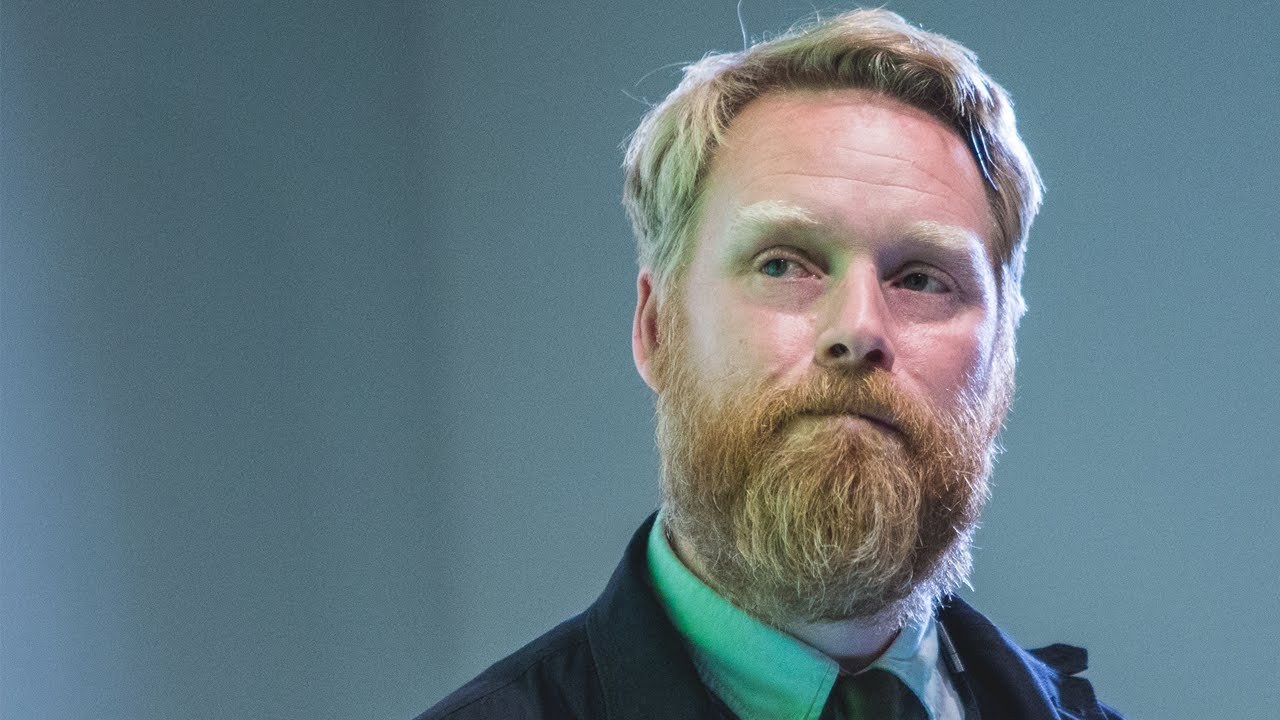
“Art school and University have become one as most of you will know — art schools used to be independent, they are now part of universities, and universities are quite different propositions.”
Okay I we started right okay thank you.
So I this is quite a a a very kind of difficult subject for me in many ways because it's a place that I inhabit all day every day and it's it's true I have been in an art school for a long long time both as a student and working so I'm going to try and take us through kind of a relatively brusk analysis of what the art school does or did and what it does now and what it might do in the future in a way to lay down some sort of context for the other speakers who I'm sure will have very strong opinions both for and against and I hope that some those ideas kind of resonate with all of you and you can take them away and think about them deeply after you've listened to them talk so I'm going to talk about what is the art school but really in order to do that I thought what I should do is talk about what what I think was the art school just out of Interest how many people in the room went to Art School okay.
So perhaps I I didn't ought to have talked about the the history of the art school because it's kind of in the room now.
But I'm going to give you my perspective on that and and in a few words so really the history of the art school in this country as you probably know it sprang up around the kind of early parts of the 19th century and it has a relationship with industry this idea of its relationship with industry is very very important the art school project the Victorian project was kind of acted out through the throughout that Century and it it kind of paralleled its Ambitions with the country's Ambitions for becoming better producers better Crafts People the the great exhibition for instance of 1851 was incredibly significant it influenced the way Art School curriculum were built so these are the kind of things these are the kind of characteristics that I think were important at that stage 150 or so years ago so to be an artist obviously I mean some of us in the room will be artists they will you will understand what that means to be Crafts People I think that kind of term has fallen slightly out of fashion.
But it's also still reasonably significant and probably is growing in terms of a sense of interest about the the nature of craft particularly in relation to the digital skill skill is also was also deemed important the idea of technique and then this this notion of the atellier system which I think is is still with us today inside of art schools the idea that you in some way by osmosis absorb the greatness of the people that you are around I.E your professors your tutors Etc so those are the the sorts of characteristics that kind of determined the the framework or the structure for the art school and there was a very clear link then.
I think between this thing called industry which is I don't think we can unpack it wholly but this idea of industry and what the art school was so it had a history of supplying the raw material for industry the makers and designers Etc but equally industry was Divi defining what the demand was so it was telling art schools okay you got to produce these people.
So that they can come and work for us so saying what and who is needed and thereby steering the direction and development of education. And its processes but industry by its very nature as all of you I'm sure all of you are very familiar with the idea of capitalism industry is driven by this kind of internal mechanism of growth this idea that things have to get bigger and bigger and bigger and bigger and as things get bigger and bigger and bigger it's very difficult to kind of communicate with many things simultaneously and I think this is where one of the problems for the art school emerg this idea that they're trying to in some way work with industry or service industry at that stage but they don't quite get all of the messages because there are lots and lots of different voices lots of different demands so the messages become complex the demand starts to kind of morph and mutate and it gets very very complicated and that's starting to happen really towards the end of the 19th century and into the beginning of the 20th century so in a way.
This is my kind of symbol for communication the wobbly Arrow I've had a lot of fun with illustrator over the past few nights the com the communication gets very very kind of fudgy I'll have to go very quickly and so the next stage for art schools development is this it's Rebellion it's kind of saying no I don't want to do this anymore I'm going to be an artist or I'm going to be a designer but I don't really want to engage with the outside world to the extent that I did before.
And I certainly don't want to be a puppet and I don't want to be kind of fueling the kind of wheels of industry and that's part of the history of the 20th century and so all of a sudden we get this kind of split this Schism we get art school as it exists and as we kind of romantically kind of remember it this idea that it's a kind of reactionary rebellious place and we get industry that's kind of back it's got it it's back against the wall not quite understanding how it's going to have this relationship here but so the kind of communication is formed in a very different way these are the characteristics that I think determine an understanding a romantic notion of what the art school is rebellion reaction outsiderness Independence and autonomy and so we have this thing happen we have a brick wall built between the two factions and by industry I'm also thinking about the World At Large and really what the difference is not necessarily something physical it's cultural it's to do with sets of ideas and philosophies and principles which have differed and d and gone in Divergent ways so what's the Arts schol now.
This is my contentious statement I think the art school as we understood it is probably dead and this is the reason why I'm going through very really quickly this is amazing for me art school and University have become one as most of you will know art schools used to be independent they are now part of UN universities and universities are quite different propositions traditionally universities are kind of they they are kind of cellular they need to grow in order to sustain themselves particularly in the modern context and they also do this which is to they kind of expand and send out these tentacles and create these franchised versions of themselves this is a very contemporary development in modern universities where all of a sudden they start to sell their ideas and their principles and their philosophies arguing into other territories into other domains you can see this happening I see this happening a lot.
So these Notions these original characteristics we could say we could think they're being compromised or destroyed so all of that goes away because all of a sudden you're inside of a big corporate structure and perhaps they get replaced with these sorts of ideas of Conformity and commodification normalization and also an a relationship with industry which is not necessarily a productive one but is a a differential one we can't argue about this which is good for me because I'm saying things which I'm sure people have very strong opinions about so all of a sudden we have a relationship with industry which is thrown into much sharper relief and the drivers for strategic development within universities are informed by agencies and institutions that have explicit links with corporations directives flow straight from boardrooms via quangos and think tanks to White Hall.
And then onto University and and the brown report is a classic example of that where all of a sudden all of our schools and our universities are focusing on stem subjects and the Arts and Humanities are kind of thrown out so art schools have a very difficult kind of problem to navigate so in this in this kind of climate there there shouldn't really be any scope for wobbly communication there shouldn't be any kind of problem in many ways with understanding what the demand is and understanding what the position of the art school is in relation to for instance industry but then we have another issue which is compounded matters and that is the one of fees and tuition which has changed the tenor and it's changed the attitude for good and bad reasons of the students who are attending art schools so this is another thing which we which is worth consideration.
And I'm sure again you're all aware of it. And it's created what some people have called a client culture in the student body again affecting the way art schools work.
And then we have something else in the Contemporary context which is something that a guy called Mark Fisher very interesting writer calls capitalist realism where all of these kind of behaviors that we associate with the art school all of the Tendencies and characteristics all of a sudden become Commodities potential Commodities they become things that can be sold and that's another feature I think of the Contemporary University stroke art school they become opportunities that can be exploited so one of the imaginings for the new University in art school suggests a kind of mirroring of the structures of Industry like this so all of a sudden the art school no longer resembles an art school it starts to look like the business that it's trying to service or demand serve the demand for but what really industry is something that I think ought to be unpacked a little bit more we won't have time I've got 1 minute and 20 seconds and it's one that provides the kind of graduates that industry needs where the ideology of the corporation is articulated freely in the curricular of the courses and the subjectivity of the student stroke employee is managed making them pable and productive that's a deliberately con contentious statement I don't necessarily believe it's true but it's a it's about a set of theories about what happens in this climate and maybe what then we need to do in the temporary context is think about what well what is industry it's no longer the thing that we thought it was so the old singular destinations the place that you go and work probably for 25 years don't really exist anymore particularly for creatives and people coming out of a Creative Education and art school and they've been replaced by fragmented work options portfolio careers I'm sure again a lot of you are familiar with that term the industry demands have also changed again it's become more complex it's becoming increasingly complex and the world is becoming uncertain so we need to kind of think about that and all of these characteristics that we have mentioned previously actually do still remain inside of the art school.
But they're kind of fudged a little bit because they're overlaid with the principles and ideas of universities and the corporate structures and demands of those big institutions so the art school is dead long live the art school I still believe that the art school philosophies and principles remain the challenges that art schools in the University complex face are there and they're palpable but there is real cause for optimism so at this stage in its development right.
Now I think the art school really has to think about and revisit how it inhabits the world how it interacts with the world or how it engages with the world in every single kind of possible facet I'm still on a green light that's good the Arts so art school relations with industry are always going to be difficult because I think you've always got very different cultures at play and I think that's a positive that's a strength it's tangible that difference but I think that what we need to do is try and utilize the difference and turn it into something which actually becomes much more productive and I'm speaking from my perspective inside of a university obviously so what can it be so the question really in that context I think is how art schools exploit the potential that an uncertain World offers and how do they make sure that they retain principles energies aptitudes capabilities that have helped to establish British art school education probably still as The Benchmark around the world it's still considered to be one of the best creative educations within the context of an art school that you can have that's not just pum that's not word play that's really how it's understood I think on a commercial level and on a philosophical level so this one I've got no notes for I'm going to move to this commodity I think the things that we need to hold on to are an ability to resist the idea of commodification of Education I'm sure again everyone would agree with that.
But we really need to kind of push against it from the perspective of the art school entrepreneurialism is a is a difficult idea it's a difficult concept and I think again it needs to be discussed very kind of freely but we really have to think about not necessarily just embracing the idea of entrepreneurialism wholesale particularly within the university these Notions of uncertainty the idea that the university is an ecology it's an ecological proposition I'm not talking about kind of green principles but that it can kind of integrate itself into all different aspects of the world outside of itself is really important and that goes to the art school too the notion of citizenry I think has to be championed within all education but particularly art schools the idea of a humanist education I believe in agency I think that's what art schools breed people who are able to actually go out into the world take control of situations be leaders in their fields I think you know you only have to look at what's happened inside of the square mile and particularly with the the many digital agencies that have Arisen over the past 10 years to know that agency is a really key factor that and a key kind of aspect of art school education.
So in the end what's art school it's an idea it's a set of ideas it's a set of principles it's a very kind of positive I think oh that's a rubbish thing to say I'm just going to say thank you it's all over thanks
Latest Talks
-
Will Anderson and Ainslie Henderson
Bringing stop motion sorcery to BBC’s Small Prophets
Watch -
Amber Weaver
How does contemporary type design translate into the wider world?
Watch -
Murugiah
Why you should reject the formula and make art about things you love
Watch -
Marina Willer
Design thrives when you find poetry in the simple things
Watch -
Lizzy Stewart
The hundreds of drawings and writing-on-a-whim that goes into comic novels
Watch -
intra
The rewarding process of recognising the art in obscure everyday life
Watch