
Cebeza Patata
Designing a gender-neutral character and the stereotypes we accidentally reinforced
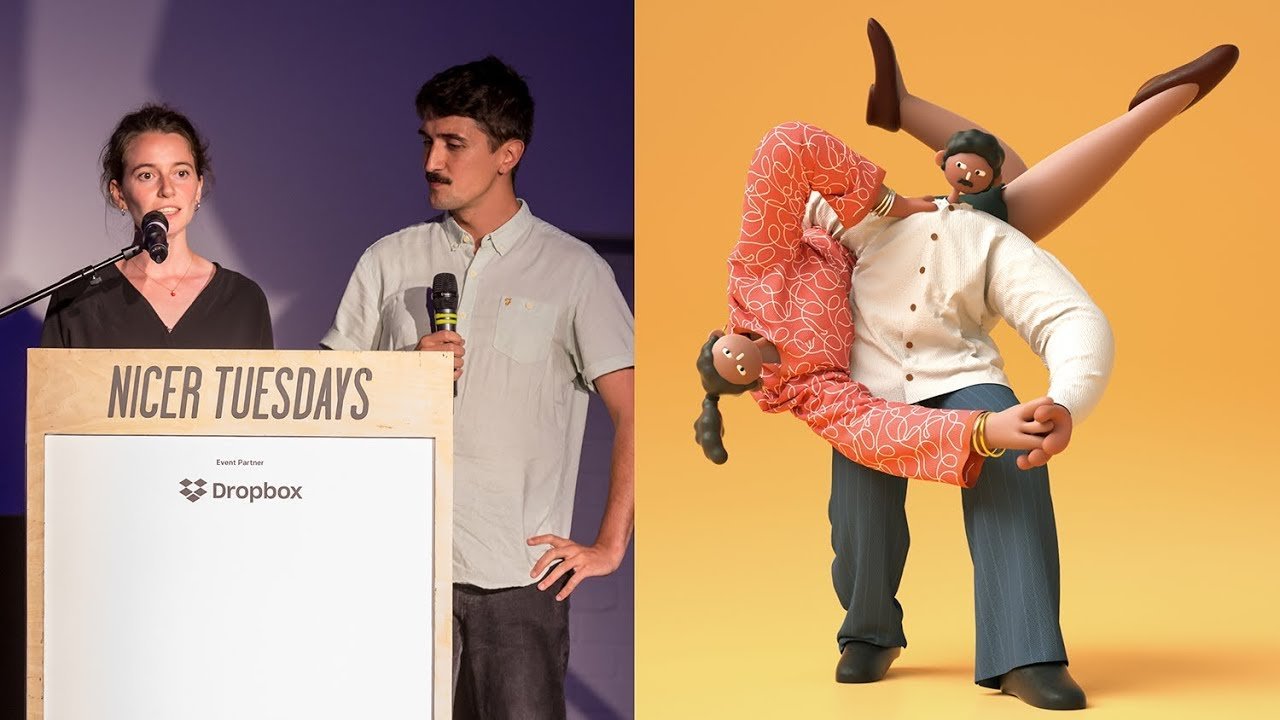
“Sometimes when we try to solve a very complex problem with a single solution — like making a character that represents everyone — we're just making our path a bit too narrow.”
[Applause]
[Applause]
hello I mean we are Keveza patata so I'm Katie and I'm a Belle and before you ask is everyone always does cabeza Matata doesn't really mean anything we just really like how it sounds so we're a character design and animation studio and we make stuff like this ♪
so in the year crazy during a bit that we've been running the studio we've had the lag to work with very big clients including within your time zone editor illustration.
This is a project we made for them about how to dress talking about how to read from casual to white tie dressing another in illustration project we made this is editorial for The New Yorker we put our cards in really unlikely and funny situations and as well we've done a lot of work with technology companies this is Google so we've done that campaign with them for Christmas stickers for their G board and it involved making a lot of cute little characters was very fun and another technology company we work with is with Apple so this is a campaign we made for Chinese New Year for the App Store we made the image for them here you can see actually we have no idea what this is saying we hope it's something positive but we really like how it looks so we've done as well big public campaigns this one is for museum Court here in Vienna so actually we're super happy that it's it's being all summer long it's still there in Vienna so if you go and visit you can see our cart is all over the city and aside for a mode a stitch to work we also like to paint murals here we are painting on in Berlin earlier this year. And we also made our first ever 3d printed character so it's a real figure with tiny handmade clothing.
And we even have a giant Caressa batata head yeah the character but the head is amazing you can wear it unfortunately unfortunately Reiner doesn't cause you need hand luggage and they don't allow you to get inside the plane with it on. So it cannot be here.
But it's in Spain right now all of this what we're gonna talk about mainly tonight is our latest animation project for Spotify so it was a global campaign and we in 12 videos and 25 images and each had to represent mood that you might feel when you're listening to music.
So this character is excited obviously and specifically what we want to talk to about tonight is our challenge in this project so not only about the challenge of the first time expanding our team allure I think we were like 10 people during this and delegating tasks for the first time.
But there's one key aspect of the campaign which was probably our main challenge which we felt like we didn't get quite right. And we want to share it with you tonight so it was that Spotify wanted us to create a gender neutral character and the main discussion that we were having with them and all of the client feedback was basically revolved around this because the style and the design we were all really happy with and it went very smoothly which isn't always the case in these big projects so when we started to think about what is gender neutral in society we thought okay. So what's this.
So this is a clear representation of a gender neutral sign and it means that everyone men and women can cross the road but we do call it a green man so it might give you a clue to what we're going to talk about tonight and this is our version of a gender neutral character which you can see is a little bit more complicated than the green man so we can start explaining like that language is heavily gendered and Spanish is even more gendered as you can tell from my mustache I'm Spanish so so and I don't know if you know Spanish you know that like we use gender to define everything even like a car for example but have a masculine gender and a spoon would have a feminine gender it doesn't make any sense and also we use gender to define groups and if there is a very interesting thing that happens in this image for example if you understand that a group is formed by only women you would use the gender pronoun you would say ages but as soon as you introduce a masculine figure in the group the entire group gender would swap that doesn't happen on the opposite way and also and some even if you take it to like to the exaggeration you could have a thousand women in a group.
And I would be a yes and as soon as you introduce a single masculine figure the entire gender of the group would swap so we think that.
This is very like relevant and we think that this happens in English even if it doesn't happen with wave pronouns we have a very good example where this happens and it's like when you go to the toilet you can see this sign and if you remember the green man on the traffic light the agreement before was telling you to cross the road whether you are a male or a female and when you go to the toilet suddenly that figure on the right is only talking to male 2 the male's so we think this is telling a lot about how they are the structure of what is what is the gender that is driving or is the dominant gender is happens in culture and we see as well when we started to think about our gender-neutral character for Spotify and what might be the characteristics that we'd include so we thought ok we we definitely have short hair because in stylized representations of humans have you put long hair you normally assume it's a woman and the same we thought we'd have a skinny frame.
So we wouldn't have any obvious hips or breasts and we wouldn't have any typically feminine clothing so he wouldn't have any dresses or skirts because that would mean it was clearly a woman in our cartoon version.
So this is the result this is what we got and we think that it's it's what we consider in culture a gender-neutral character but still we are not allowing to anything that might be feminine to appear on the character and the clothes that the character is wearing is the clothes that are associated with what you would wear being a male so this was challenging but we have a very good example of it yeah taking this a bit further even this is our angry character so it started off looking like this and all that anyone could see was a man so we went through various iterations we even made it more pink we made their clothes a bit softer we added some jewelry slightly longer hair but still because if the characters angry position all anyone could see was a man and it's not our fault because everywhere in society even the cartoons that we're watching as children usually depict that angry character is masculine so we thought to get over this problem what we do is make the angry character frustrated so when we presented this slightly more comical softer version people realized okay probably this is a gender-neutral character and we thought oh great problem solved but for us we thought really have we solved the problem or are we just continuing this stereotype and not really allowing women to be angry yeah and this is something that didn't happen in the same level on every video but it's something that when all the carters we were creating we were finding that these problem was appearing and it's not at all.
And we want that to be clear like that we think that that clients are doing these role and power on purpose and we actually think that it's amazing that we are having these conversations with very big technology companies we are I know many people are cynical about it and about how these big technology companies are getting into these positions and carrying about for example a figure like gender neutral but we actually think that is happening and we've seen it working with them is because the people working on the companies are interested in that like the team we were working with the Spotify was a team that had like a very like big variety of people inside the company and they were young they were interested in these subjects so they had bested interest in making it well.
But the point that we are trying to make with these or what we were feeling as we were doing it is that sometimes when we try to solve a very complex problem with a single solution that is like making a character that represents everyone we're just making our path a bit too narrow and we're definitely not saying that we shouldn't be representing this type of gender neutral character we think what do you think the opposite that this type of character is actually under represented in society yeah and we actually think as well like you know more and more people the denial don't want to belong to like the this idea of like they are clothes for male clothes for female colors that are for female and colors that are for females so we are not at all talking about that when we are talking about is that it's like we are defining at a specific style that might be not defining everyone but may be defining the gender-neutral character so we think that for us our solution to this challenge we were facing is that in order to represent the huge variety of people that we see everywhere is to create a huge variety of characters whether those characters are gender neutral whether they're very feminine or very masculine and we don't also just need to talk about gender when we're talking about a variety of people we can talk for example about disability and having more visibility in advertisement and we think maybe the reason this hasn't been happening is because advertisers might assume if you see for example someone in a wheelchair we might think that the the product is only for that specific group of people when this doesn't need to be the case because we feel that the more variety that we're adding the more people will realize that the advertisers are talking to them even if they're not being specifically represented and this has really been the case for the majority of the society I mean I know as a woman that I can buy a car or I can buy insurance even if the adverts usually depict men just like I know that I can cross the road even if the sign is a green man and we have another example with older people like traditionally clothes are not our best size to them.
But they know that they can go to the shop and buy the clothes so so what we're trying to do is a big variety of people in our work and create characters that aren't constrained by their gender their race their age or their ethnicity and we thought have we achieved this well probably not and I think what we've been showing you tonight is kind of our admission that we haven't been but we are at least trying in every piece that we make and in every conversation that we have with clients we're trying to push this. And we're gonna continue to try thank you [Applause]
you [Applause]
Latest Talks
-
Will Anderson and Ainslie Henderson
Bringing stop motion sorcery to BBC’s Small Prophets
Watch -
Amber Weaver
How does contemporary type design translate into the wider world?
Watch -
Murugiah
Why you should reject the formula and make art about things you love
Watch -
Marina Willer
Design thrives when you find poetry in the simple things
Watch -
Lizzy Stewart
The hundreds of drawings and writing-on-a-whim that goes into comic novels
Watch -
intra
The rewarding process of recognising the art in obscure everyday life
Watch