
Studio Swine
Making furniture from street rubbish and beautifully embracing every mistake
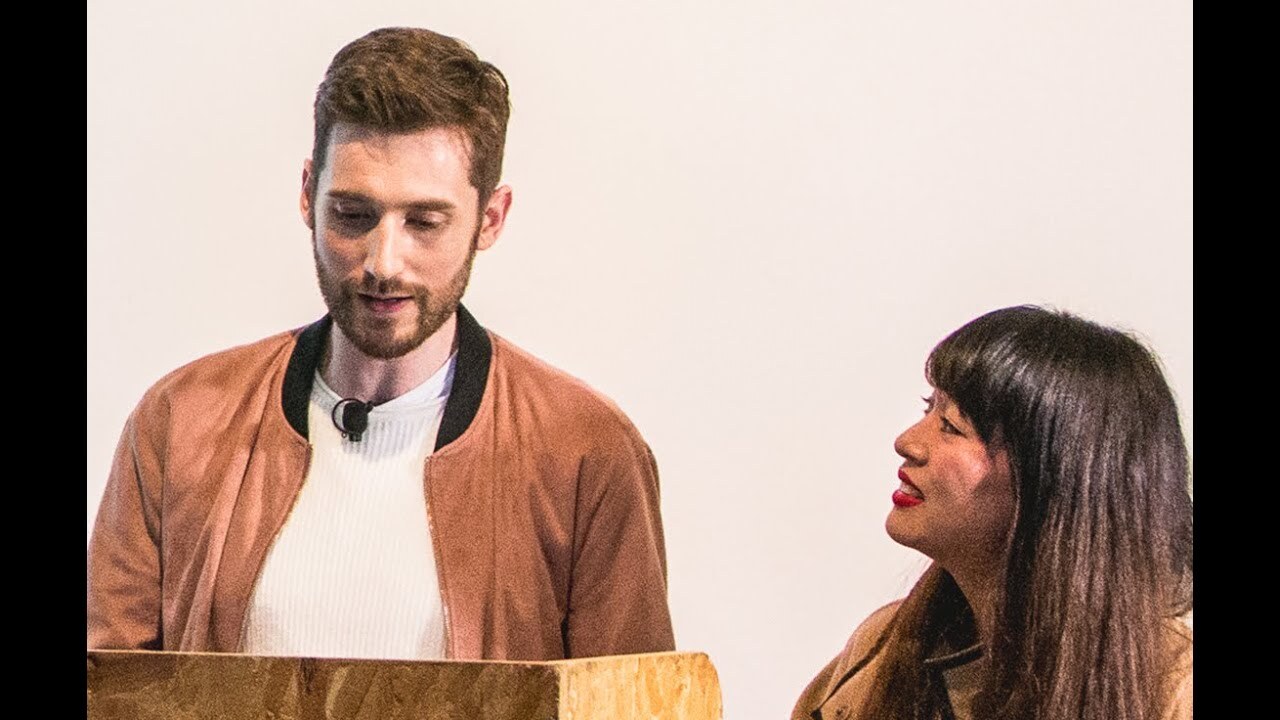
“We realized that the mistakes was what actually made the furniture different from normal aluminium furniture.”
[Applause] hi I'm ausa and this is Alex okay so it All Began in 2011 we met at the Royal College of Art on the design products course um we both came from different backgrounds of um art and architecture so um the the problem was that we didn't really know how to design but we were really ambitious and we were determined to work with high-end luxury Brands but we started working together and we called ourselves Studio swine which was our first big mistake we um made some strange things like this called Hair Hut which is an African Hut made out of human hair and no one really got why we were doing this um but and we
kind of became the you know college laughing stock but we were proud of it um and then we made a project called seair and we became really good at collecting plastic at the beach but then we didn't quite get to um making a chair in the end so we failed at that so we um graduated in London which has the most amount of design graduates and um uh they're actually really good and we'd at the end of like very unsuccessful days in London we'd walk along the canal and we'd decided that um either we had to get much better or we had to um leave London so we chose um we chose sa Paulo and uh we decided we're
going to go to sa Paulo we're going to do it so worked really hard we we contacted everyone British Council UK trade and Industry um endless residences endless anyone that we could think of that might be Brazilian or no a Brazilian and um all we'd ever hear is no and when we didn't hear no we wouldn't get a response so we decided we've got to like just take a risk and go for it um otherwise it'll never happen yeah so we really believed in going to South Paulo so we flew there anyway but we didn't know anyone or we didn't have any opportunities there and we um got there we stayed in the cheapest smelliest hostel in town and
because the smell was so awful we just kind of had to go out of the hostel and walk around the city for the whole day but eventually we managed to find this lovely apartment on Craigslist um it was totally unfurnished and it didn't have any fridge or bed or cooker and but it did have two swimming pool so we decided we'll take it so during the day we had nothing much to do because we we didn't have any opportunities so we kind of walked around the streets wandered around which is a very odd thing to do in s Paulo because it's a very much of very much of a car city and you don't really see people walking around and if
it's not blistering hot weather it's Tren or rain but we just decided to walk there everywhere every day everywhere anyway and um we started to observe some very interesting things that were happening on the street so we kept uh a documentation of it called daily postcard from Brazil and we um documented lots of different interesting things that was happening on the street and we're really struck by how resourceful people were on the street and um people from all over Brazil come to Sal Pao to make a living on the street and one particular thing that was really interesting and exciting for us
was the catadores who go around the streets and collect recyclable goods on the street so we followed them we kind of studied them we looked at what they were collecting how they were collecting it and we kind of analyzed what they were doing and uh it it was quite interesting because uh the way that they were not fixed in one position but they were n mic it kind of made us realize to be able to make our work we don't have to have a gallery or a workshop to work in so taking things that we can find on the street and using it to make things for the street which we called the new model of manuf facturing so we looked
around us and we um found that there's we needed materials that were free and uh there was a lot of cans a lot of aluminum so we decided to make a furnace to melt it which involved a lot of trial and error and we designed a furnace went into a scrapyard and got the materials and just went to a local car garage and got them to weld it up for us um and then we needed a fuel that's plentiful and free so we used cooking oil um from Street vendors that were frying food we needed uh mold and we couldn't have cast iron molds so we chose to um borrow sand from all the building sites around the city um and we did lots of experiments
and uh they pretty ugly lumps of metal but each time we could throw them back in remelt them and just go again and a bit less uglier but still pretty ugly um and we're getting better at casting and uh we're working with a fantastic um Gallery at this stage that we' managed to convince into our crazy idea Colo Morad and um yeah we made this collection that was full of mistakes but we realized that the mistakes was what actually made the furniture different from normal aluminium Furniture um so it's all made from items that we cast that we found on the streets and then we called It Can City and we made more
refined pieces that were inspired by things that we Shadows um sou Pao collection no bl's recycling bottles we've got a lot tonight actually so uh we Rew them into um these Cactus like Bobs and um there's this really weird moment where the street vendors that were at the traffic light selling papers were actually selling papers with the story of our project in it so it was this kind of amazing moment where this um yeah so we always really believed in using human hair as materials and we've always so you know it's a great idea we need to return to it so we kept on visiting the human hair supermarket in
dlon and kind of experimenting with it and um we made some uh glasses and a gallerist from Hong Kong called Palam really like them and uh amazingly we got to meet her and so we told her our Dream which is one day we'd like to trace um the hair back to its origin in China and miraculously she invited us out to China to uh look at the biggest human hair Market in the world which is sh in chandong Province and it's this really backward to town um there's very little going on except um it does have the biggest hair market and we'd get there and these bikers start arriving and they have rabbit skins on the front of their
um handlebars and they have human hair on the back and it was very Mad Max and um but they ended up being really friendly um but then in the meantime we're thinking with this awful Epiphany which we like in bed pillow talk we were saying like oh my God we've got the best opportunity that we've ever dreamed of and um we're going to screw it up with this stupid project about human hair we're going to go to the most luxury Design Fair and how can we make anything that's not going to make people kind of feel repulsed um so it's like this incredible fear of failure and we thought you know we'll never get another
opportunity like this so it really pushed us to like um kind of the fear of failure really pushed us basically and we made this film that was quite inspired by Mad Max actually um with a biker at the beginning and we were sanding every day making our little parket panels trying to transform this material into something desirable and we work all around the world um but we always end up covered in dust on the floor sanding so we are are we are like International Sanders um and The Collection was like based on Shanghai Deco and it ended up going to um Basel and uh New York Times said it was their
favorite in show which is very exciting for us so CA was always self- initiated because we always failed to get funding but um we well we started off by uh collecting plastic on the beach and making our own furnace so we can experiment with melting the plastic um we kind of made these tiny blobs which look like seagull po but we became very good at handling plastic because we understood more about the material and we've always dreamed of going to the Gia which is this converging current in the middle of the ocean where they um collect plastic um and but we couldn't do that because it was miles away so
thousands of miles away so we decided to go out with a fisherman to collect plastic and make make a chair but we were always determined to go out to the G but and we approached absolutely everyone but we failed to get any funding still so we decided to launch a Kickstarter Campaign which was successful and that took us to the North Atlantic Gaia for eight days and we designed these self uh sufficient uh 3D well is a like hand operated 3D printing thing which uses the sun's energy to melt and extrude plastic onto onto the bed and we made it so that we can flat pack it into our luggage and so we went out to the aor
and we mounted this um Contraption on the front of the Sea Dragon this amazing Sailing Boat that's dedicated to scientific research and yeah we were navigating and doing all the filling out the Captain's Log and trolling plastic and getting these little fragments and filling our machine and again it still looked like seagull poo but um uh was a bit nicer and we got all these experiments had enabled us to really um understand the material and if we'd got funding earlier um we probably would have worked with somebody that already had equipment to melt plastic and we never would have made all these mistakes and all these
discoveries in doing so and so um after years of making really ugly lumps we got much better at it and we could make something more like um this is inspired by T turtle shells from South Pacific and coral and Al balone shell and gems and so um we really um believe that we really really want to do something new and something extraordinary and um if you want to do that then you have to really Embrace failure because it's quite inevitable because if it was easy it would have been done already so um we really believe in keeping keep trying and keep failing great thank you very much you
Latest Talks
-
Will Anderson and Ainslie Henderson
Bringing stop motion sorcery to BBC’s Small Prophets
Watch -

Amber Weaver
How does contemporary type design translate into the wider world?
Watch -
Murugiah
Why you should reject the formula and make art about things you love
Watch -

Marina Willer
Design thrives when you find poetry in the simple things
Watch -
Lizzy Stewart
The hundreds of drawings and writing-on-a-whim that goes into comic novels
Watch -
intra
The rewarding process of recognising the art in obscure everyday life
Watch