
Alan Kitching
Rescuing the world’s largest wood type collection from a Somerset barn
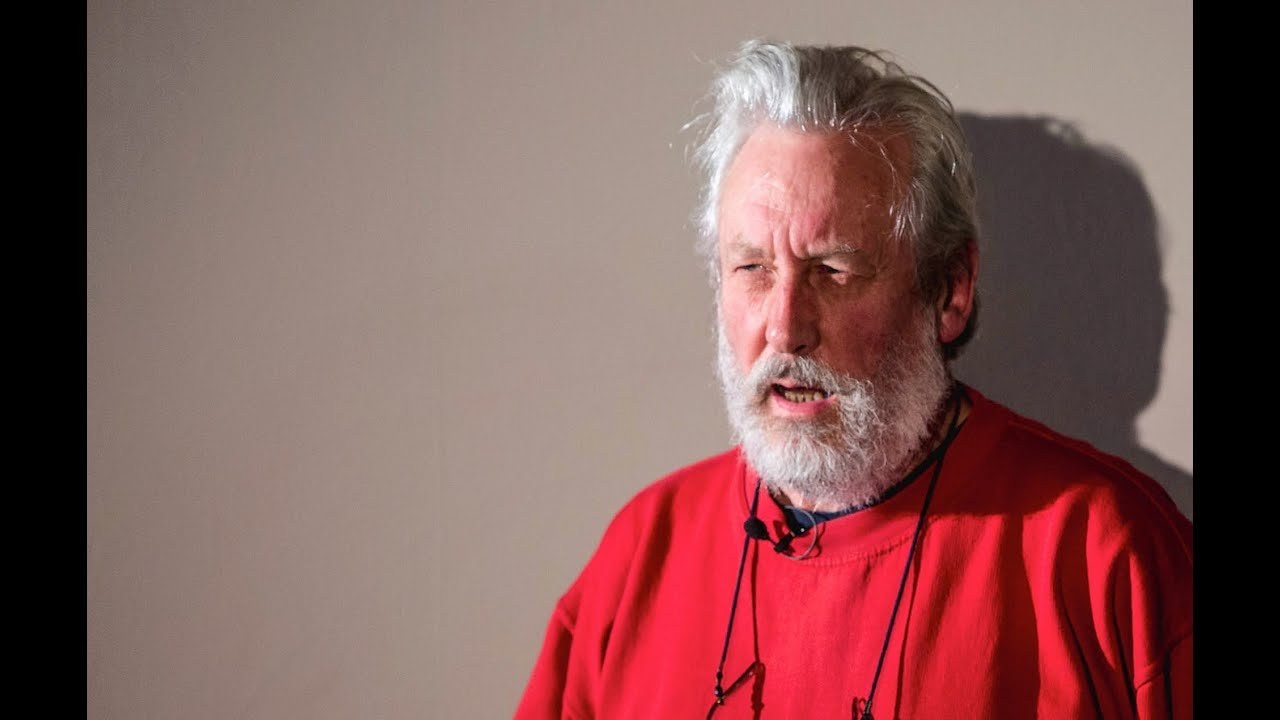
“I'm not actually a collector — having said that I've got probably the biggest collection of wood type in the world.”
Thank you thank you good evening and thank you for inviting me the first thing I want to say is that I'm not actually a collector having said that I've got probably the biggest collection of wood type in the world well I I say in the Western Hemisphere I don't know what in the other side this is a one collection which is called The rington Collection which came from a little village in Somerset about 20 years ago and the Reas I don't collect is that.
This is my aw material it's what I make my living out of making images from this from all this wood wood type and stuff including the cobwebs these pictures were taken by Richard Davis photographer.
This is the Press I think which we discovered it was buried in a little village and it was a huge press there used to print posters for every theater in Britain and this is what the place looked like when we discovered it and my late Mrs Celia and I we have to decide what to do when we saw this this lot in this in a in a very large medieval Barn in in the middle of the village and the guy who was selling it I looked through some of the cases and he I I I picked out a few things and he said no you can't just take what you want you got to take everything.
So we went to the pub and we and we talked about it and she said to me well what do you want to do do you want to put your money into a pension or into this. And we both agreed that this was the place to put the money so we went back to him to the printer very nice Chap and we made him an offer and which he accepted and s did the negotiation.
And then we had to get we had to move it.
And it is now in our studio in Kennington in South London. And it took us like a year and a half to move it because it wasn't just a question of Shifting shifting all this wood type it had to be cleaned and some of it had woodworm it had to be free of woodworm but I never really got rid of the woodworm in the end it's always been with me it had to be logged it had to be cataloged cleaned and packed the fonts and transported back to back to hennington and that as I say took us a year and a half to do these are detailed shots of what we found in the in the barn in the middle of the barn there was this huge Wale press which the posters were printed on I don't know what happened to that.
But it was a complete wonderful it was like the Titan when it moved it was like the Titanic moving out of dock it was a fantastic machine and you can see some of the postes that printed there very traditional and this was the state of the the the the condition of the type was Dusty and just all left and just not used we took the cases we took the randoms everything came out and the type which was too big to go into the type cases stacked on shelves you can see them bending there.
And then the next few things I've got are what I've been doing with it all these types which were used for posters like this for theatrical events this one of the first things we did was made a suite of prins this is called our musical Heroes and we put this together all.
This is from this particular collection and the borders were from some of the original posters and the idea about this piece was that they're it's based on a collage of a poster hoarding what oh sorry that's sorry I think you I thought this.
This is one I'm talking about this um say this is what this is the collage I'm not looking at the screen it's based upon the idea that when you see a hoarding and people put posters on it they stay there for a while and then they they fall off or they get taken off and they get another poster put on top and you finish up with this sort of palum sest of history of what's been on the hoarding and little bits of previous posted so it's got a history of the whole thing and the idea of this was that it's based upon that idea that all these names are from the heroes which we love to hear I've taken the the name which they were known by like in the top left is marene Dietrich and she was so if you say Dietrich you probably know who who it was so she has a border on the left hand side the one below is is Billy Holiday and she I'm using her first name because she was always referred to as Billy and she would have a the the other the the second half of an name will be torn off all you got left is Billy and on the other side you got oh behind behind we've got Bob Dylan Dylan is known as Dylan not not Bob hris is known as Hendrick not Jimmy and then we got elit Gerald gry Fields B Crosby Edith PF and all the people like that George Melly and it's either the name they're known by left or right and that and that that is the logic and the the the re the the the rationale behind the composition of the piece so these are very traditional poster types but used and and course they never used these colors it was always black and red or blue and blue and red I've done this.
This is like two or three years ago this poster here is it's a print I did it's it's the first line of the poem by John Keat in Demian which is a very long poem wonderful poem and the very first line is is this this thing of beauty a joy forever. And I just thought that was a wonderful phrase I just thought I'd try and do something with it and one of the things I like time to do is to express the meaning of the words and convey some sort of feeling of what the PO poet and what the words mean the next one is a poster I did for the exhibition where.
I did the guardian in January this year and again put together very the way the it's it's what I consider to be non-design really it's it's it's the type the types are very awkward the sizes are very awkward everything's fitted together you remember this is all the wood you saw earlier it's very unyielding it's very it's very awkward to use you can't just change the size if you want to change the size you have to change the letter you can't just you can't just like on screen where you just make things a bit bigger you know P percentage it's physically got to be lifted out and the thing about the wood type fonts is that they're all based on measurements and they're all related to each other.
So there's a kind of system within what printers used to use so that like the S and the E are the same size as the p and the three four lines underneath you can make everything kind of fit. And it isn't that easy because you have to go back and forth back and forth so within the copy you're trying to say you've got to make it work with what with these very awkward lumps of wood and again this is a bit like the the Keat one I'm a big fan of your Dr Johnson he of the English dictionary and he said everything about London he loved London.
And this is one of his favorite sayings a man who is tired of London is tired of life. And I thought that was again it was a wonderful phrase and I just tried to do something with it which was make it like give it the meaning that he he give it I think that's it isn't it yeah I've got one minute left I've got one minute and I'm going to show you some of the these are the Poes which we which we found in the in the in the printers so this what this is how they were used and in fact it's not unlike that nicer Tuesday's logo that's very you know the rules the cond dense type it's very reminiscent of this kind of ear of typography unbeknown to I me who who did that okay just put that that there there's another one here yeah can you. Actually thank you.
This is this.
This is a top half of a double poster so I've only got the top bit.
And then there's things like this all these fonts I've got this are the way you the Christmas car all these p people for for where is it Chesterfield this one's the acne Empire and then all these names in boxes all you know the very traditional way they did it you know red alternate the colors and very very beautiful in a way but very very ancient as well. And this this one put a picture of the guy in there.
And so on. And I've also got one more thing to show you which is this which is the biggest letter I've got and this is 18 in high and I've got what have I got here my pocket I've got this one which is half an inch so can you imagine that you to make this work with this it's it's it's it's it's a interesting problem and with that I shall say thank you and
Latest Talks
-
Will Anderson and Ainslie Henderson
Bringing stop motion sorcery to BBC’s Small Prophets
Watch -
Amber Weaver
How does contemporary type design translate into the wider world?
Watch -

Murugiah
Why you should reject the formula and make art about things you love
Watch -
Marina Willer
Design thrives when you find poetry in the simple things
Watch -
Lizzy Stewart
The hundreds of drawings and writing-on-a-whim that goes into comic novels
Watch -
intra
The rewarding process of recognising the art in obscure everyday life
Watch