
Technology Will Save Us
Designing DIY tech kits that get kids making, not just staring at screens
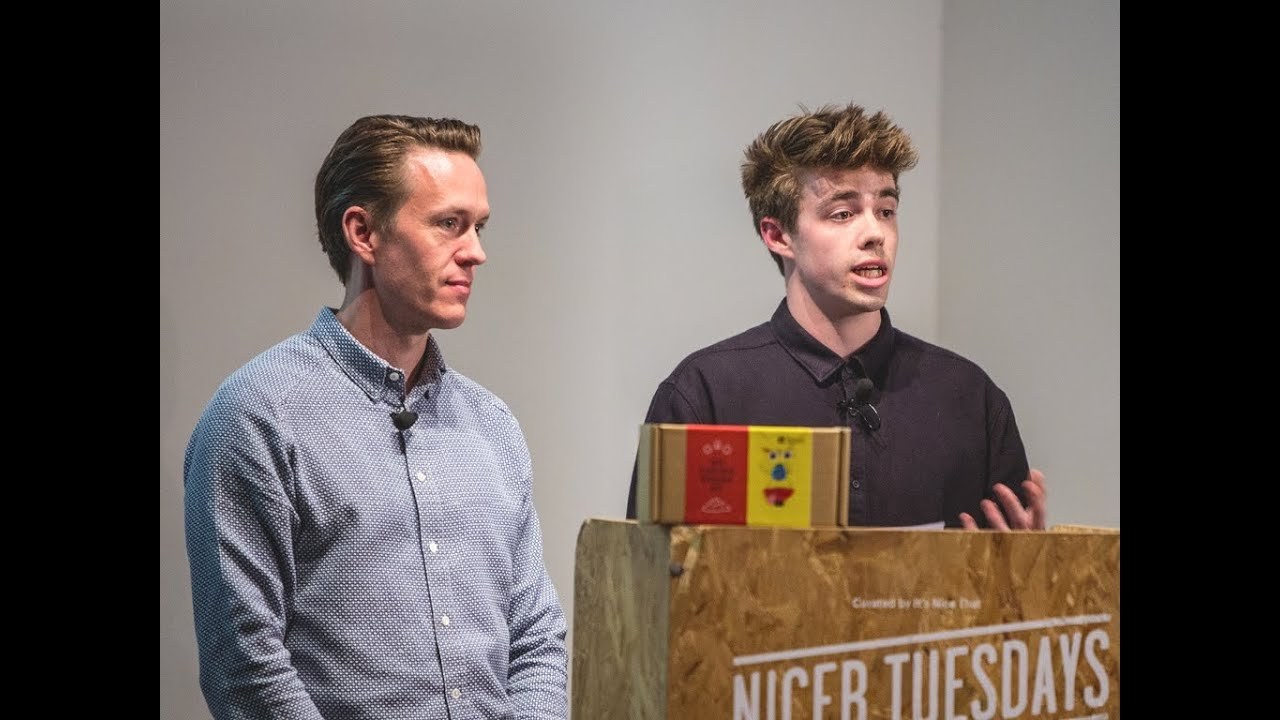
“People will buy our kits because they think they're fun with learning as a byproduct — they'll buy it because they think they might learn — but what they really want to do is make, and that's the piece that we have to get across.”
Hi everyone it's really great to be here this evening my name is Adam and this is erin and we work at technology will service our knees are kind of head of products and I'm our lead visual communications designer so just a quick background on on the kind of origins of the company which has she funny enough starting a bin in Hackney and where our CEO and co-founder actually found a laptop and this laptop was in kind of perfectly good working order it had windows XP and a charger in a case kind of all ready to go and this really kind of sparked the conversations that the company is really kind of built upon which are around that we have so much technology around us in our everyday lives but kind of no idea how it really works and so how to fix it and kind of really no idea of how to fully utilize it.
So we see technology is much more of a tool for creativity as I'm sure all of you here as designers and makers will do as well but much more widely it's kind of a medium for for consumption and and this is where we kind of really interact with the world by pushing the idea of learning through doing and making and which is led us to create a range of DIY gadget kits and to really spark the creative creativity of young people through hands-on technology so we have kits like the electrode Oh kit which you can make and kind of build circuits using conductive dough we have other kits like the DIY gamer kit which you solder together a range of components and then you can then play and code your own own video games and and although this kind of pedagogy if you like of learning and doing through through making has always kind of been about been out a call the way we sort of manifested and interacted with the world has very much involved over the lifespan of the company and a really clear way to kind of see this evolution is through our brand and more specifically our packaging so here over on the right you'll see our very first sets of packaging and at this time we're very much a kind of a workshop based company and using these these kits of electronic parts to teach people skills like like soldiering and electronics through making the kits in in facilitated workshops the packaging itself as you can see it's very simple it was really easy to reduce we're making it in in Bethenny's kitchen and it's very much of an aesthetic of this kind of DIY tech kind of make a world and and so although kind of really extremely effective and much loved in that community we're really addressing our sort of early adopters and these are people generally who kind of have an interest or connection to this world of kind of tinkering and making and so from listening to these these customers and kind of finding out who these people were we found a lot of them were in education and wanted these kits for education and and which is really we just weren't addressing what these people wanted and which is really kind of where our next phase here it kind of began and this was a really open up the opportunity of learning of teaching these skills to a wide at less kind of entwined community and that community with very much education in schools and maker spaces and clubs and this really kind of threw up a lot of design challenges for us so taking taking this workshop ready kits and producing a product that we could send into the world and can be facilitated by people who may have never held a soldering iron ore have used a circuit board and and it really came down to expanding our kind of resources around the kits and designing them in a much more kind of playful and engaging way but for these environments to use and so from digital animation software draw things on screen and it interacts with the kit you just built or lesson plans and games for for these people to use and the kind of key insights we were getting back from that word that people kids really wanted to take this stuff home they wanted to do more with with technology on their kind of own time and that sort of brings us into where technology or services now. And we kind of really form around the phrase of 21st century learning around the kitchen table and and and the image on the right here yep right shows what we think is kind of a brand that really reflects and kind of enhances that that idea and combining excitement and fun with with skills and learning and it sort of manifests itself in a bright in bright colors and bold graphics that kind of really differentiate from kind of existing learning tools and kind of has really opened up access for a center into other retail spaces that previously we wouldn't have been able to address so places like MoMA or the science museum or the con-man stores and it kind of really allows completely different audiences to engage with technology and kind of join this this making community so in the product area we have three things that we do we're responsible for the kits for the content and also for the digital experiences and it means that we're crossing a range of things.
And we needed to understand better what our customers were doing when they're acquired through retail and when they're being acquired through our ecommerce site which is a really different kind of business than we were as a workshop company where it's a one-to-many message you've got things in front of you is frenetic and the output is really exciting what we've done is an enormous amount of research to organize ourselves in two ways and this is our consumer journey which we're happy to share it's the process that we intend to make sure that our touch points are connected with so customers discover and what are the objectives in that discovery phase what are they trying to do and what doing to help them to do and we do it all the way through the rest and the bit that digital really covers well as the learning part so when you are making things what resources do you need videos manuals and all the rest of it. And it's taking us into a digital whole but it's brought us back to the brand in the experience around the packaging so map to the consumer journey discover read from your left to right on the top row discovery is we have this box here.
This is the back of the box up there on your top left and the back of the box doesn't help you to discover anything about it in fact while we put it in customers hands we often find a look at it and say well can I make everything.
That's on the back with with what's inside of the box and what we've done instead is made it a lot clearer what the benefits are and try to get a language that's part of our brand and our sort of positioning out into the world a little bit better in the second thing is the inside flap which is this bit here this did more work. And it used this language of make learn playing invent but what we know is that people will buy our kids because they think they're fun with learning as a byproduct they'll buy it because they think they might learn both but they really want to do is make and that's the piece that we have to get across so the messaging now is very simple part of making is preparing and preparing is making the dough and the dough is possibly one of the best things that you can do when you're using electro electro dough and you start lighting up the LEDs and having fun and understanding what it is you're getting into cool yeah.
So we thought we would share this with you as well which is a kind of in process working drawing of a space we're actually opening in Selfridges next week in that in the toy department it's a really great example of how the brand and the packaging design kind of manifest out in the world. And this is a set of very much a work in progress but we really wanted to allow the kind of design decisions that the RM was just talking to in the packaging there and and let them kind of come through and into this physical space not only with the burns going to bright colors and graphic treatments and also things like the kind of benefit LED tone of voice pick your kit learn great skills and make awesome gadgets and we also wanted the space to really kind of reflect the engaging and kind of hands-on nature of the product no need to to kind of inform but also to excite and kind of bring it buzz around around the space and so we're running our DIY electro do workshops there and throughout the time so people can build these these circuits and creations as well as what you can see around the edge of the screen here and to the right which are actually some early drawings of some of the interactive demos that we're creating for this space and these take em take into account what we call it kind of the super graphics on the packaging and really kind of extrude these into into 3d forms the servitor kind of make a connection to the kits but also to kind of encapsulate the the actual products themselves within them kind of well to protect them also to kind of complete this sort of visual cycle from packaging to a product and back to kind of the way it's displayed and and these are really kind of works of progress but we're kind of searching for this this balance in the demos that it could have been made so that they could have so they look like they could have possibly made by members of our community so they kind of interact with them a bit more but also make them objects that are the desirable and kind of whist on this this retail environment and we're really kind of doing this by building upon insights from not only from selfridges our retail team and also things we've learned on the way in producing kits in a retail as well as kind of utilizing our in-house designers and developers and security kind of find the edges of of what's possible and to be really successful in this space and makers engaging as possible through the technology and so with a team of makers in the business we thought in addition to these kinds of things that we actually produce out the street and Hackney give you a look at some of the things that we might be thinking about doing next to projects they were sort of working through if we are a kit honey it's about projects about hands-on technology one of the things we've been interested in doing is trying to understand what we can do for kids sort of 7 to 11 a lot of the things in that space are really screen-based you go into the computer and that space just isn't that interesting and compelling especially if you put something in their hands the physical is so much more compelling so this balance of helping them to manifest code in the real world is pop kits up on the top left that's a technology strategy for grant it's currently in research we've got about 300 units that are out in the market we're getting feedback from code clubs and developers and teachers and all sorts but you use a block based programming we have a proprietary way of transferring the information to our pop and then you can actuate and run servos and do things so you do it here. And it does it out there.
And it's really cool the last is a piece that you'll hear more about. And this is what's been published this is the BBC's micro pet they're launching it in june of this year and they've come to us we're one of the we're the only part. That's doing this along with big companies like arm and microsoft it's a little hack me start up but what we're responsible for is the form factor and the out of box experience so really what is this device when you open it what is it doing to you how are we encouraging the 12 year olds there will be a million 12 year olds to get this next fall and what will they be doing what process will they be going through to learn and unpack and how can we take this cool stuff with code and make it awesome in the physical world. And in june/july you'll see some announcements from the BBC remember this thing here this geeky tech be hard and think about what you might see in the summer and hopefully you'll want one as much as we do but thanks for your time
Latest Talks
-
Will Anderson and Ainslie Henderson
Bringing stop motion sorcery to BBC’s Small Prophets
Watch -
Amber Weaver
How does contemporary type design translate into the wider world?
Watch -
Murugiah
Why you should reject the formula and make art about things you love
Watch -
Marina Willer
Design thrives when you find poetry in the simple things
Watch -
Lizzy Stewart
The hundreds of drawings and writing-on-a-whim that goes into comic novels
Watch -
intra
The rewarding process of recognising the art in obscure everyday life
Watch